

Napoleone: acquistato il busto del Bartolini dalla Galleria dell’Accademia di Firenze
Il busto di Napoleone scolpito da Lorenzo Bartolini entra a far parte delle preziose collezioni della Galleria dell’Accademia di Firenze.
Da oggi 5 giugno, la Gipsoteca del museo ospita la nuova acquisizione. Durante tutta la sua carriera, il Bartolini ebbe un debole per Napoleone. Fino al momento in Accademia erano presenti diversi busti dei familiari dell’imperatore in gesso ma nessuno relativo a Napoleone stesso.
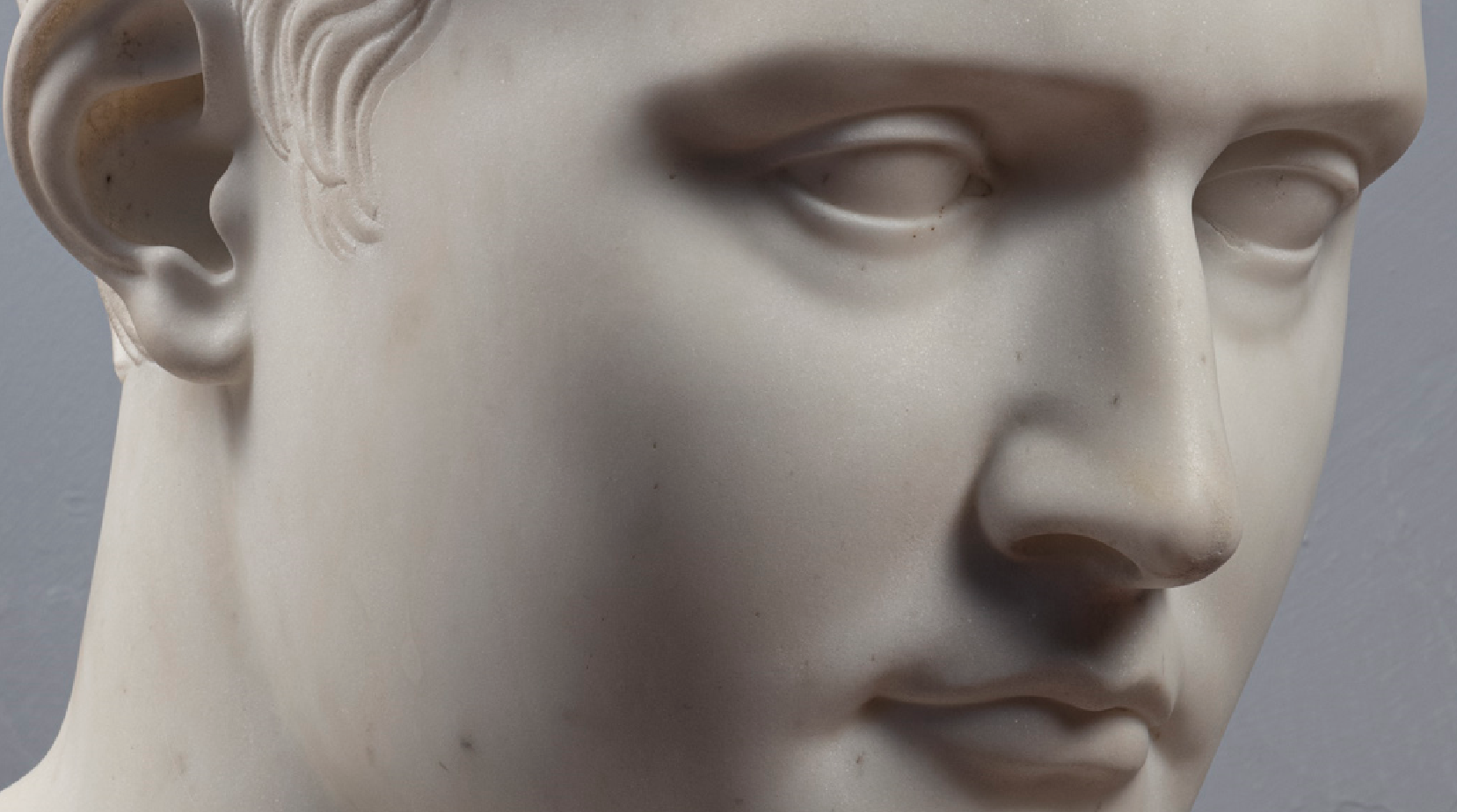
L’opera è stata individuata presso l’antiquario milanese Carlo Orsi, in occasione della XXXII Biennale dell’Antiquariato, tenutasi a Firenze lo scorso settembre.
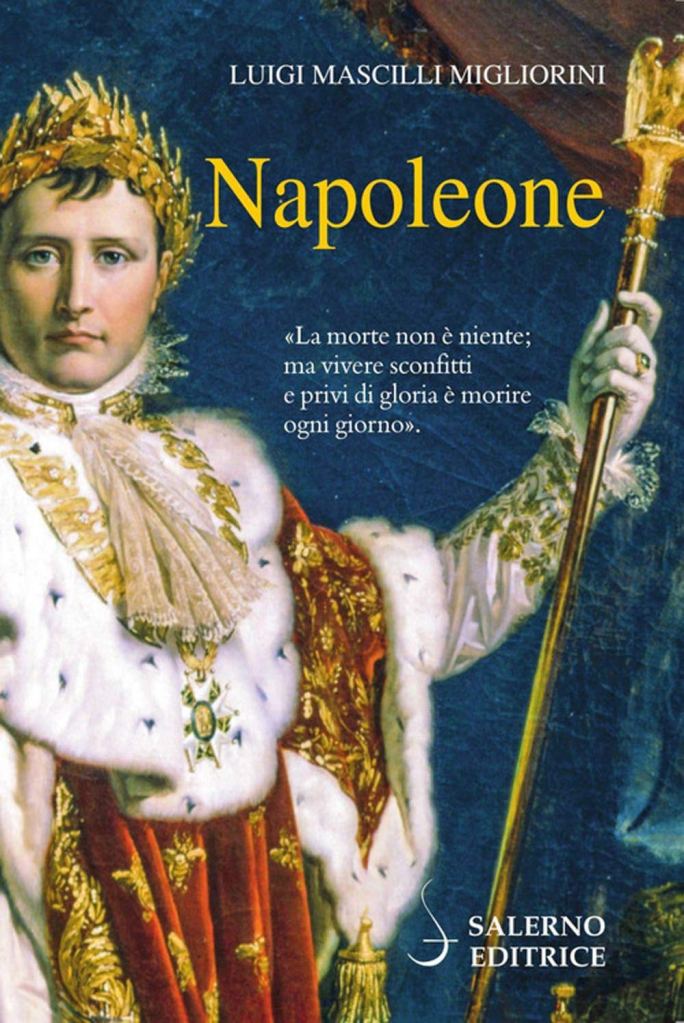
Lorenzo Bartolini eseguì numerosi ritratti di Napoleone. Con il trasferimento, nel 1808, all’Accademia di Belle Arti di Carrara, ebbe l’incarico di “direttore della banca Elisiana per la parte della statuaria” e si occupò della riproduzione in serie dei busti di Napoleone, ispirandosi al prototipo di quello colossale in bronzo, realizzato, nel 1805, per l’ingresso del Museé Napoléon, come veniva chiamato all’epoca l’attuale Museo del Louvre.
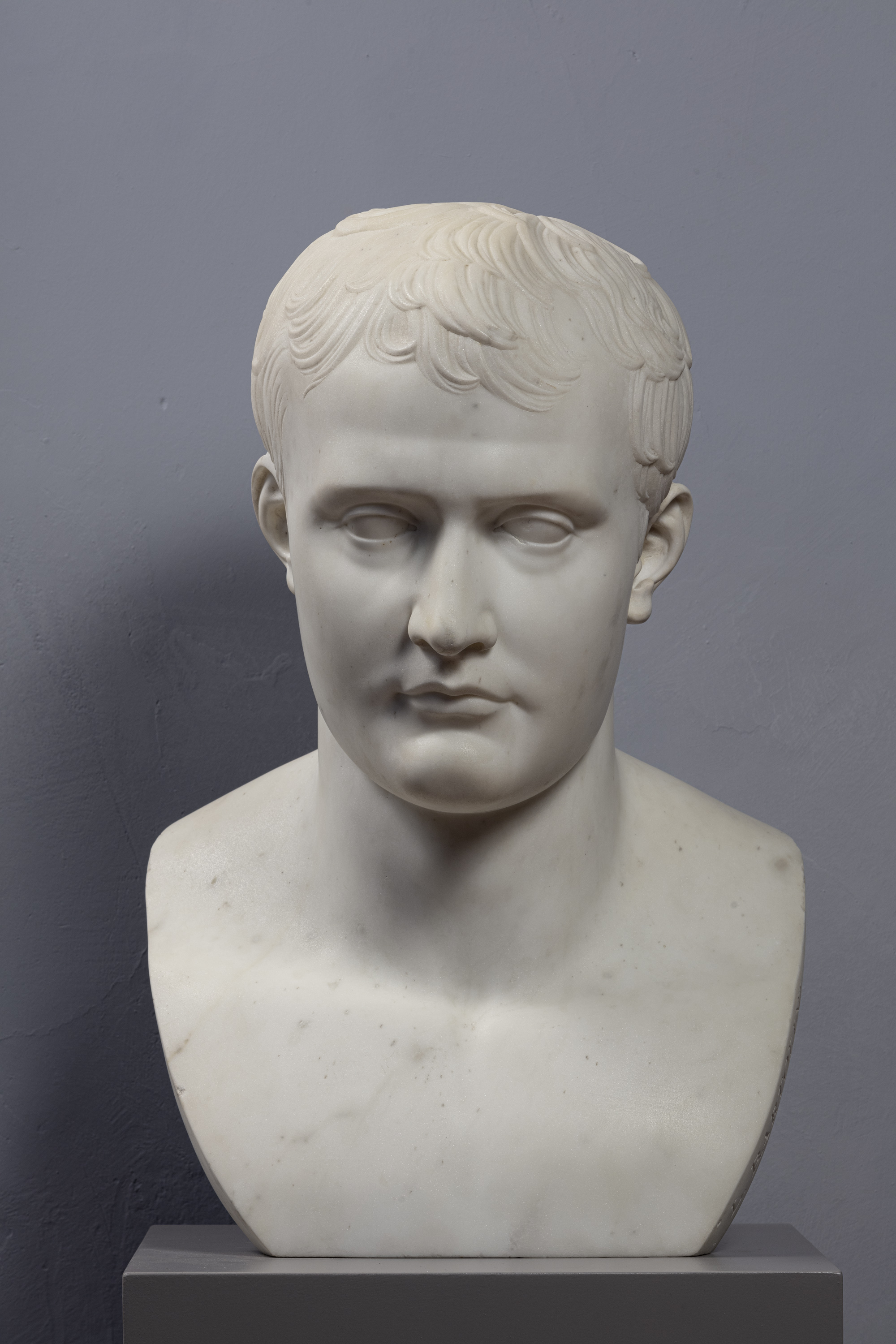
Bartolini continuò anche dopo la Restaurazione a riprodurre busti di Napoleone su committenze private.
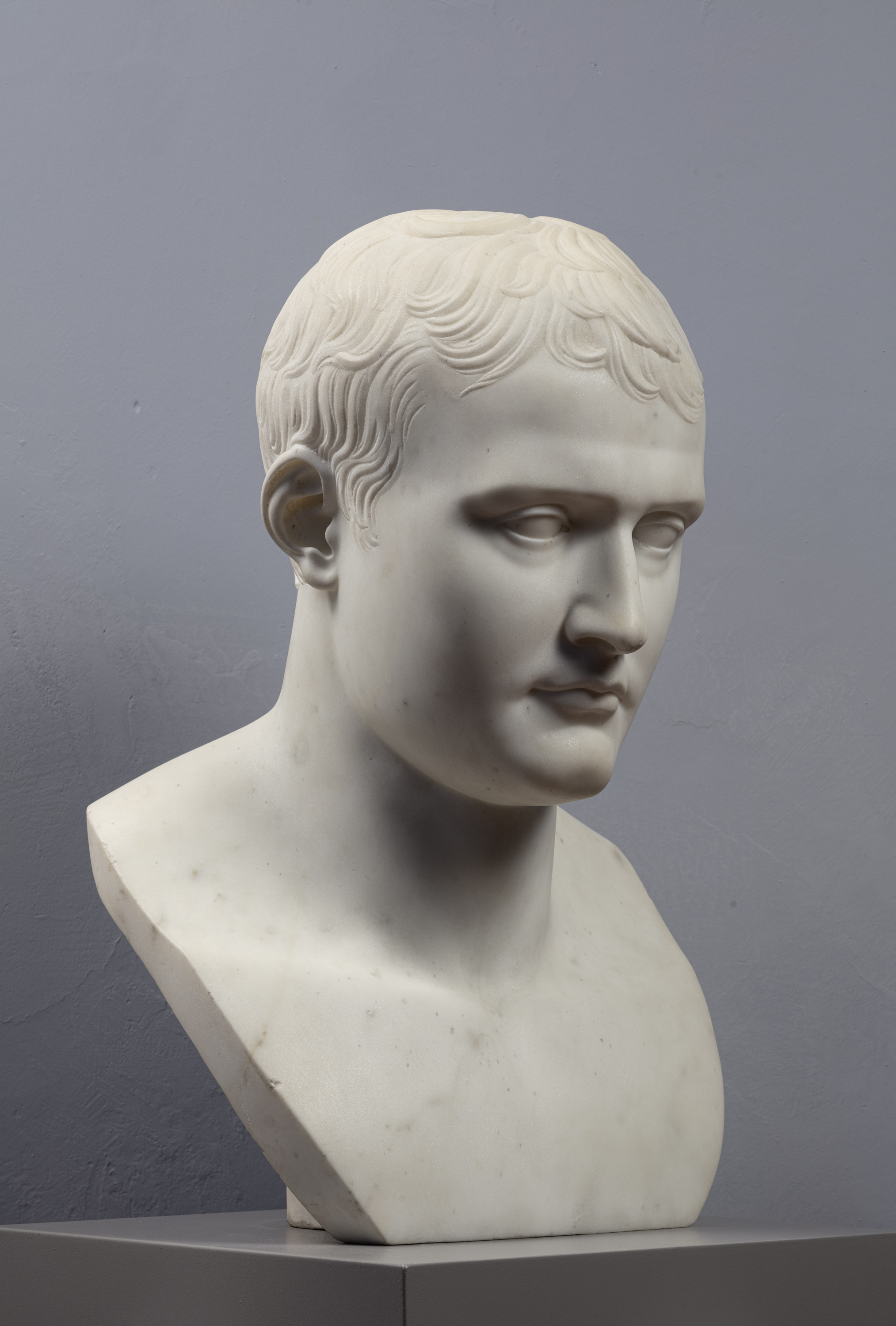
In particolare, questo busto che è firmato sul lato destro L. Bartolini, fu realizzato proprio il quel periodo ed è assai diverso dai grandi busti ufficiali nei quali Napoleone viene raffigurato con attributi eroici come la corona d’alloro e chiari riferimenti a sculture antiche.
Nel nuovo busto dell’Accademia manca qualsiasi elemento di tipo celebrativo e anzi, il Bartolini preferì scolpirlo con uno sguardo malinconico.
A proposito, nella Galleria dell’Accademia è presente un solo altro busto in marmo del Bartolini ed è quello che ritrae Giovanni Battista Niccolini, donato nel 2017 dall’Associazione degli Amici della Galleria dell’Accademia.
Per il momento il vostro Michelangelo Buonarroti vi saluta dandovi appuntamento ai prossimi post e sui social, invitandovi ad andare a vedere nella Galleria dell’Accademia questa nuova acquisizione.
Napoleon: purchased the bust of Bartolini from the Galleria dell’Accademia in Florence
The bust of Napoleon sculpted by Lorenzo Bartolini becomes part of the precious collections of the Galleria dell’Accademia in Florence.
From today 5 June, the museum’s Gipsoteca hosts the new acquisition. Throughout his career, Bartolini had a soft spot for Napoleon. Until now, the Academy had several plaster busts of the emperor’s family members, but none of Napoleon himself.
The work was identified at the Milanese antiques dealer Carlo Orsi, on the occasion of the XXXII Biennale dell’Antiquariato, held in Florence last September.
Lorenzo Bartolini painted numerous portraits of Napoleon. With the transfer, in 1808, to the Academy of Fine Arts in Carrara, he was appointed “director of the Elysian bank for the statuary part” and dealt with the serial reproduction of the busts of Napoleon, inspired by the prototype of the colossal one in bronze, made in 1805 for the entrance to the Museé Napoléon, as the current Louvre Museum was called at the time.
Bartolini continued even after the Restoration to reproduce busts of Napoleon on private commissions.
In particular, this bust, which is signed L. Bartolini on the right side, was made in that very period and is very different from the large official busts in which Napoleon is depicted with heroic attributes such as the laurel wreath and clear references to ancient sculptures.
The new bust of the Academy lacks any element of a celebratory type and indeed, Bartolini preferred to sculpt it with a melancholy gaze.
By the way, in the Accademia Gallery there is only one other marble bust by Bartolini and it is the one portraying Giovanni Battista Niccolini, donated in 2017 by the Association of Friends of the Accademia Gallery.
For the moment, your Michelangelo Buonarroti greets you by making an appointment for the next posts and on social media, inviting you to go and see this new acquisition in the Accademia Gallery.

Sostienici – Support Us
Se questo blog ti piace e ti appassiona, puoi aiutarci a farlo crescere sempre più sostenendoci in modo concreto condividendo i post, seguendo le pagine social e con un contributo che ci aiuta ad andare avanti con il nostro lavoro di divulgazione. . ENGLISH: If you like and are passionate about this blog, you can help us make it grow more and more by supporting us in a concrete way by sharing posts, following social pages and with a contribution that helps us to move forward with our dissemination work.
8,00 €
-
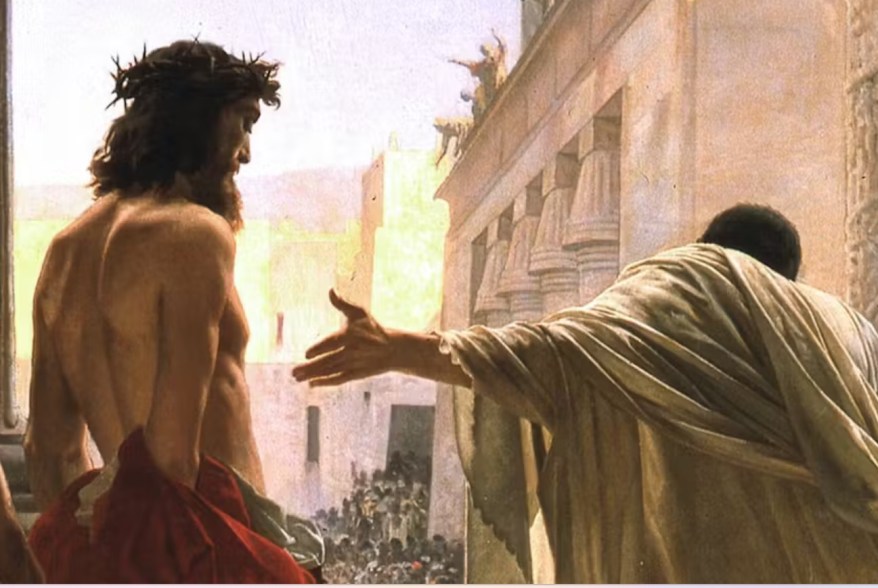
Venerdì Santo: gli “Ecce Homo” più intensi della storia dell’arte
🇮🇹Ecce Homo. Da Antonello da Messina a Tintoretto, fino al sorprendente capolavoro di Antonio Ciseri, questo soggetto ha attraversato i secoli raccontando dolore, umanità e coscienza… 🇬🇧Ecce Homo. From Antonello da Messina to Tintoretto, to Antonio Ciseri’s astonishing masterpiece, this subject has spanned the centuries, recounting pain, humanity, and conscience…
-
Attacco hacker agli Uffizi: rubati dati sensibili, mappe e codici di sicurezza
🇮🇹Attacco hacker alle Gallerie degli Uffizi: rubati dati sensibili, mappe e sistemi di sicurezza. A rischio opere, archivi e cybersicurezza del patrimonio artistico… 🇬🇧Hacker attack on the Uffizi Galleries: sensitive data, maps, and security systems stolen. Works of art, archives, and the cybersecurity of the artistic heritage are at risk…
-
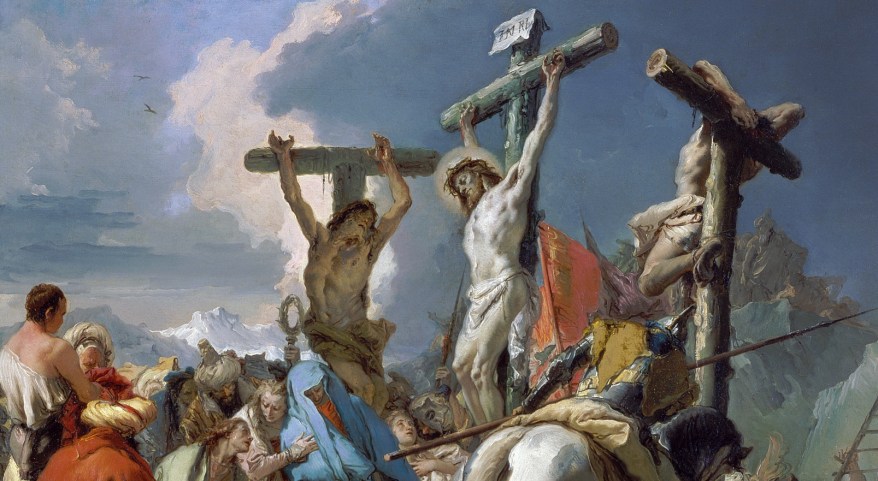
Venerdì Santo: la Crocifissione secondo Tiepolo
🇮🇹Nel giorno del Venerdì Santo, c’è un’opera che riesce ancora a scuotere lo sguardo. La Crocifissione di Giambattista Tiepolo non è come le altre: niente simmetrie perfette, niente distanza. Qui si entra dentro la scena, da un punto di vista obliquo, tra movimento, tensione e umanità… 🇬🇧On Good Friday, there’s a work that still manages…
Condividi:


Questo sono io





sostienici

Sostienici – Support Us
Se questo blog ti piace e ti appassiona, puoi aiutarci a farlo crescere sempre più sostenendoci in modo concreto condividendo i post, seguendo le pagine social e con un contributo che ci aiuta ad andare avanti con il nostro lavoro di divulgazione. . ENGLISH: If you like and are passionate about this blog, you can help us make it grow more and more by supporting us in a concrete way by sharing posts, following social pages and with a contribution that helps us to move forward with our dissemination work.
€10,00


1 commento »