
La Scultura del giorno: La Sorpresa di Cesare Lapini
La scultura del giorno che vi propongo oggi è La Sorpresa di Cesare Lapini scolpita nel 1883.
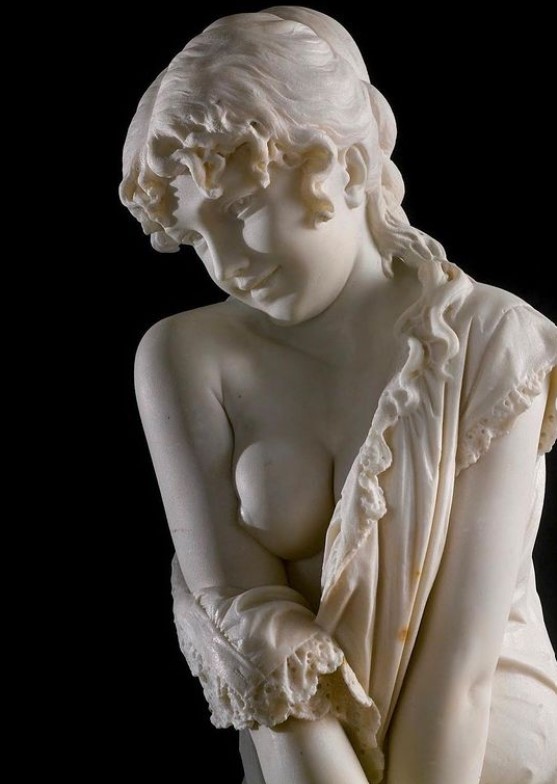
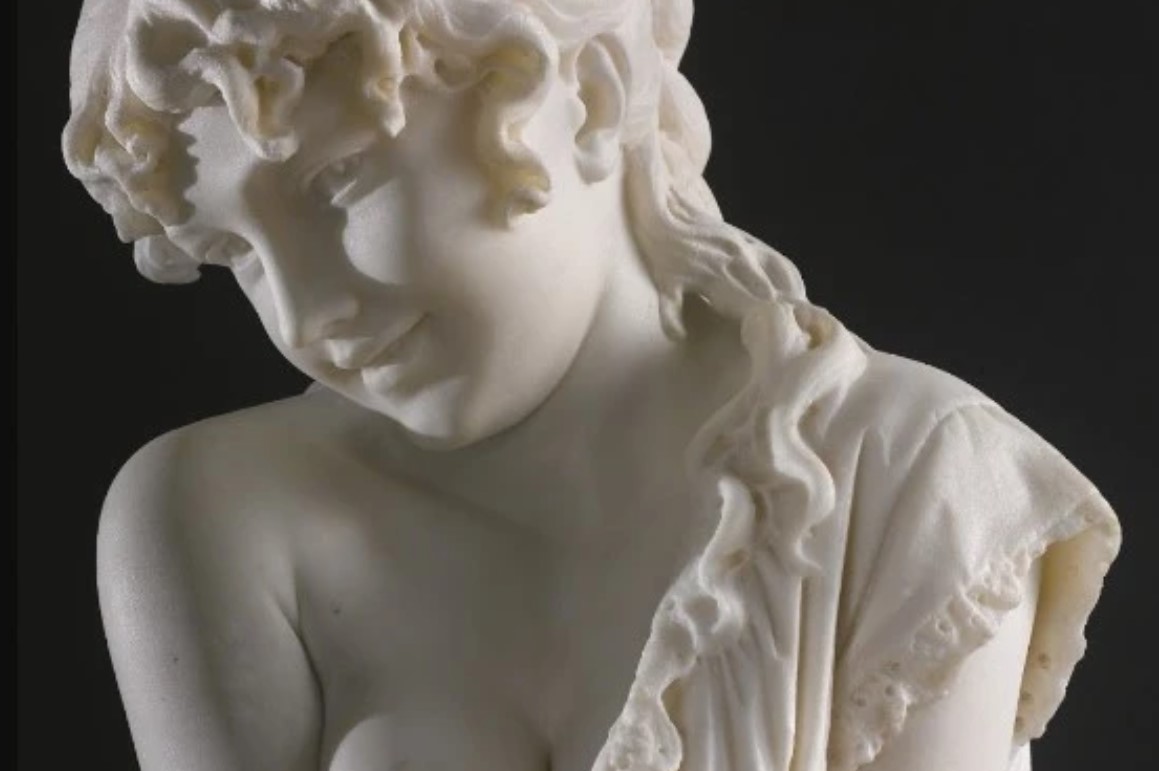
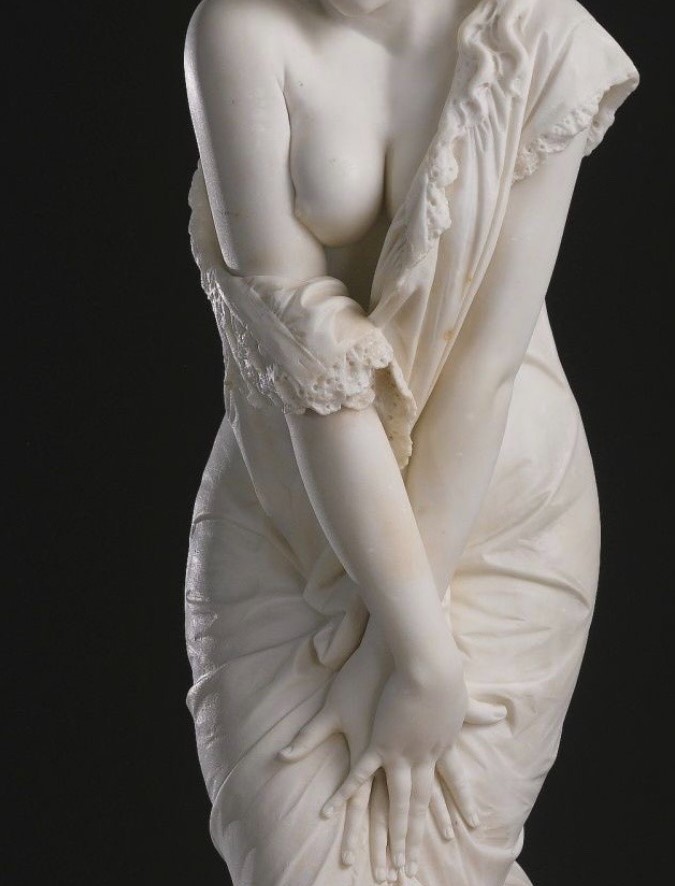
L’artista volle raffigurare una ragazza sorpresa prima di immergersi nelle acque per far il bagno. Ha il volto segnato da un’espressione realistica e con le mani sovrapposte sulle gambe coperte dalla veste pare essere sorpresa dalla vista che ha dinnanzi.
Affascina la resa dell’abito con quella scollatura finemente bordata di pizzo che si apre e lascia vedere un seno.
Cesare Lapini fu molto apprezzato per la raffinatezza che aveva raggiunto nella tecnica scultorea e per la delicatezza dei soggetti scelti e immortalati nel marmo. Ebbe un grandissimo successo sia come scultore che come proprietario di una galleria che vendeva sculture sia in Europa che negli Stati Uniti.
Nell’Ottocento a Firenze la scultura era al centro della scena. Erano diversi gli scultori che lavoravano in città creando un virtuoso moto di commesse e vendite in tutto il mondo.
Fra questi artisti si ricordano, oltre a Cesare Lapini, Ezio Ceccarelli, Vittorio Caradossi, Fernando Vichio e Vittorio Caradossi, tutti grandi scultori che si lasciarono influenzare dal più grande Canova.
Lapini era nato in quel di Firenze nel 1848 e divenne uno scultore particolarmente ricercato per le sue opere allegoriche, i soggetti di genere e i busti.
Le sue opere andarono letteralmente a ruba fra i viaggiatori del Gran Tour che nel frattempo era diventato di gran moda anche fra i ricchi britannici, russi, francesi e statunitensi.

La Sorpresa fu una delle sue opere presentate all’Esposizione Generale Italiana di Torino del 1884 assieme a Il Primo Bacio e successivamente la propose al Salone di Roma nel 1888.
La scultura della Sorpresa appartiene a una collezione privata.
Per il momento il vostro Michelangelo Buonarroti vi saluta dandovi appuntamento ai prossimi post e sui social.
Sculpture of the day: The Surprise by Cesare Lapini
The sculpture of the day that I propose to you today is La Sorpresa by Cesare Lapini sculpted in 1883.
The artist wanted to depict a surprised girl before diving into the waters to bathe. Her face is marked by a realistic expression and with her hands overlapping her legs covered by her dress, she seems to be surprised by the view she has before him.
She fascinates the rendering of the dress with that finely edged lace neckline that opens and reveals a breast.
Cesare Lapini was much appreciated for the refinement that his sculptural technique had achieved and for the delicacy of the subjects chosen and immortalized in marble. He was extremely successful both as a sculptor and as a gallery owner who sold sculptures both in Europe and in the United States.
In the 19th century in Florence, sculpture took center stage. There were several sculptors who worked in the city, creating a virtuous movement of orders and sales all over the world.
Among these artists we remember, in addition to Cesare Lapini, Ezio Ceccarelli, Vittorio Caradossi, Fernando Vichio and Vittorio Caradossi, all great sculptors who let themselves be influenced by the greater Canova.
Lapini was born in Florence in 1848 and became a particularly sought-after sculptor for his allegorical works, genre subjects and busts.
His works were literally snapped up among travelers on the Grand Tour which in the meantime had also become all the rage among the wealthy British, Russians, French and Americans.
La Sorpresa was one of his works presented at the Italian General Exhibition in Turin in 1884 together with Il Primo Bacio and subsequently proposed it at the Rome Salon in 1888.
The Surprise sculpture belongs to a private collection.
For the moment, your Michelangelo Buonarroti greets you by making an appointment for the next posts and on social media.

Sostienici – Support Us
Se questo blog ti piace e ti appassiona, puoi aiutarci a farlo crescere sempre più sostenendoci in modo concreto condividendo i post, seguendo le pagine social e con un contributo che ci aiuta ad andare avanti con il nostro lavoro di divulgazione. . ENGLISH: If you like and are passionate about this blog, you can help us make it grow more and more by supporting us in a concrete way by sharing posts, following social pages and with a contribution that helps us to move forward with our dissemination work.
8,00 €
-
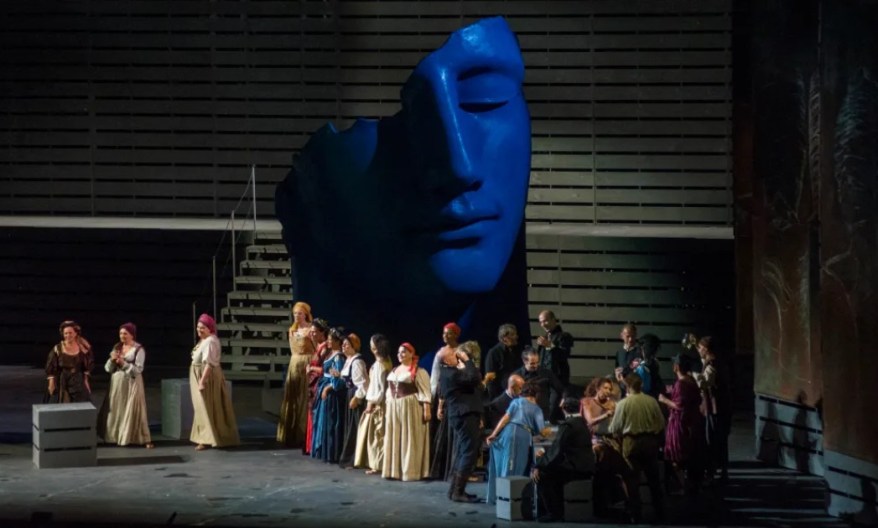
Festival Puccini 2026: Jackie Chan firma la Turandot a Torre del Lago
🇮🇹🎭✨ Festival Puccini 2026 Dalla rivoluzionaria Turandot firmata da Jackie Chan ai grandi ritorni di Tosca, La bohème e Madama Butterfly, fino a gala imperdibili con Jonas Kaufmann e Plácido Domingo…. 🇬🇧🎭✨ Puccini Festival 2026 From Jackie Chan’s revolutionary Turandot to the grand returns of Tosca, La Bohème, and Madama Butterfly, to unmissable galas with…
-
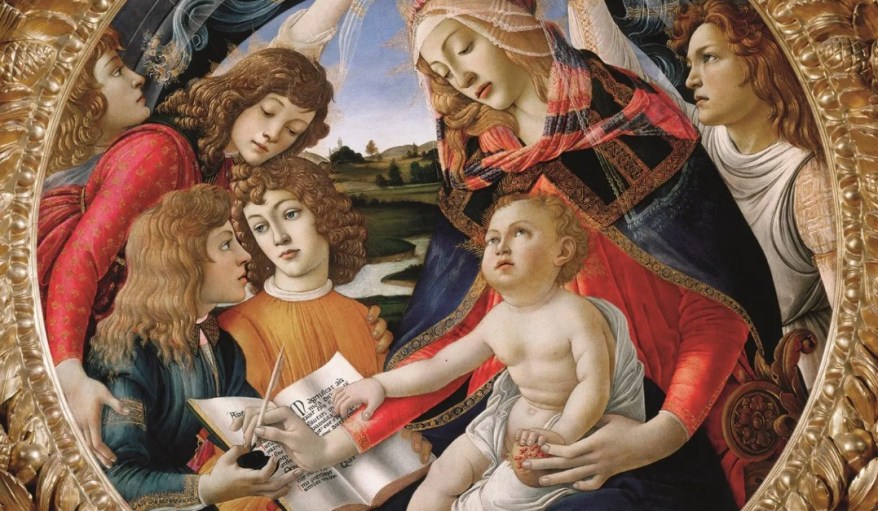
I simboli della Pasqua nell’arte: significati nascosti tra fede, rinascita e bellezza
🇮🇹Con la Pasqua che si sta approssimando, voglio proporvi alcune particolarità collegate ai simboli che l’arte cristiana ha tramandato nei secoli, trasformando immagini apparentemente semplici in racconti di fede, morte e rinascita… 🇬🇧With Easter approaching, I want to share some insights into the symbols that Christian art has handed down over the centuries, transforming seemingly…
-
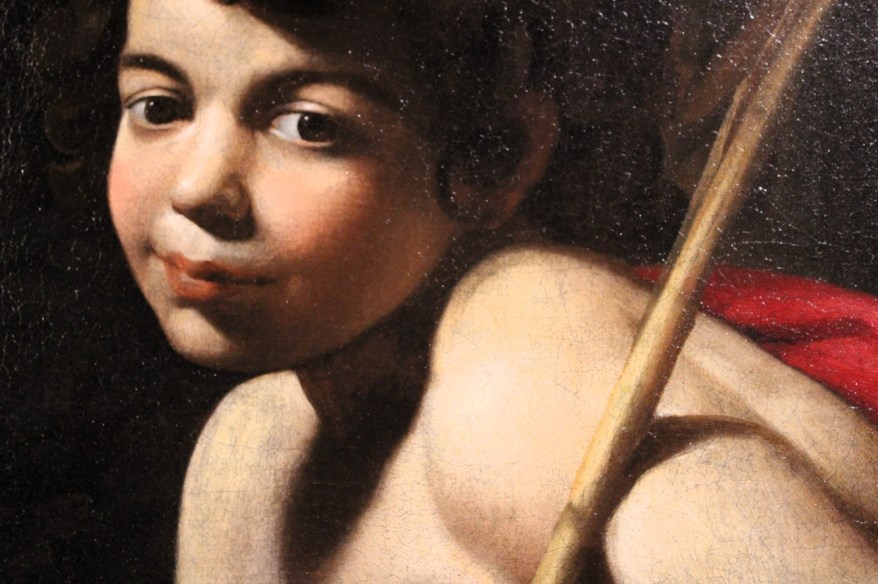
Pittura a Napoli dopo Caravaggio: a Forte dei Marmi il Seicento napoletano
🇮🇹 Il Seicento napoletano arriva in Toscana. Dal 27 marzo al 27 settembre 2026, il Forte Pietro Leopoldo I ospita ‘Pittura a Napoli dopo Caravaggio. Il Seicento nella collezione della Fondazione De Vito’, una mostra unica che racconta la rivoluzione della luce e del naturalismo caravaggesco… 🇬🇧 Seventeenth-century Neapolitan art comes to Tuscany. From March…
Condividi:


Questo sono io





sostienici

Sostienici – Support Us
Se questo blog ti piace e ti appassiona, puoi aiutarci a farlo crescere sempre più sostenendoci in modo concreto condividendo i post, seguendo le pagine social e con un contributo che ci aiuta ad andare avanti con il nostro lavoro di divulgazione. . ENGLISH: If you like and are passionate about this blog, you can help us make it grow more and more by supporting us in a concrete way by sharing posts, following social pages and with a contribution that helps us to move forward with our dissemination work.
€10,00


1 commento »