

Quei fichi spiaccicati sulla soglia di casa
Vi ho mai raccontato di quella volta che mi ritrovai i fichi spiaccicati sulla soglia di casa? Una storia curiosa che voglio narrarvi dal principio.
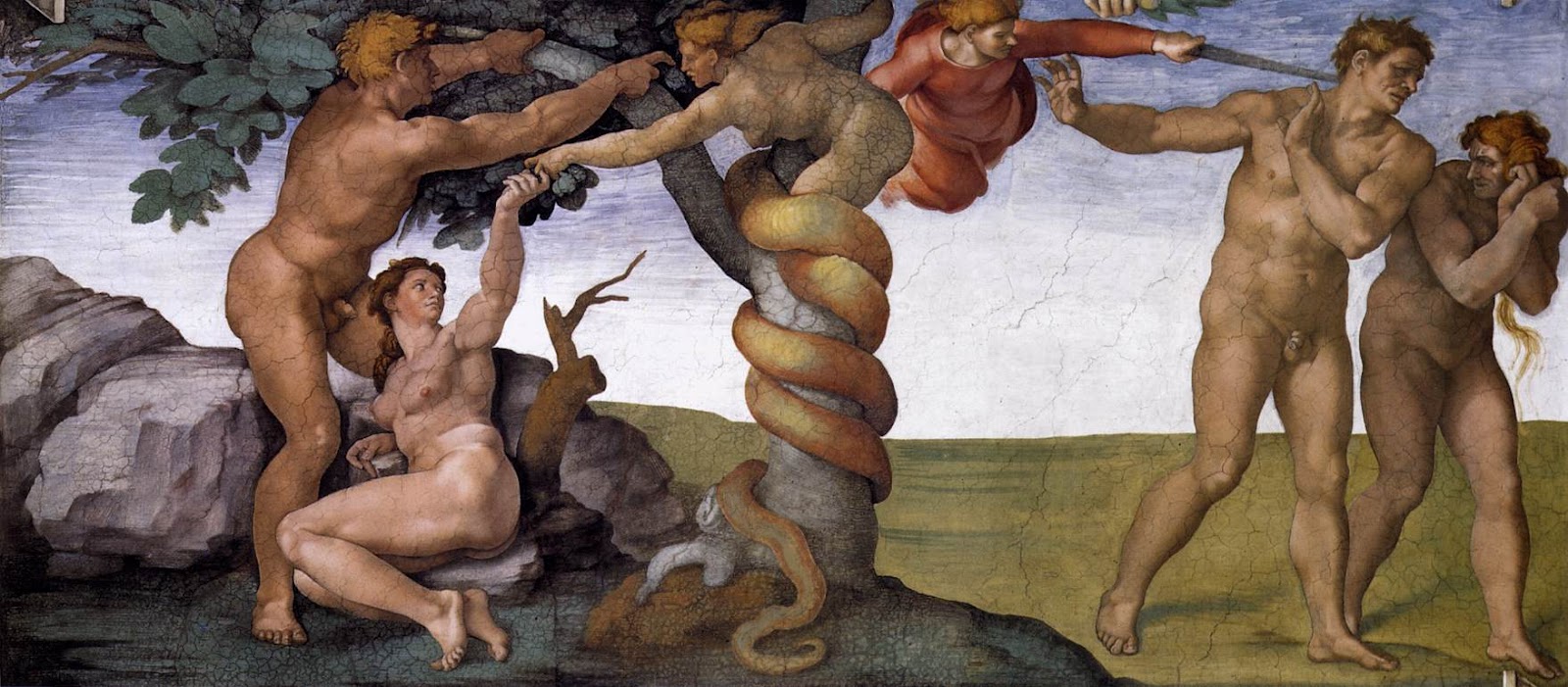
Bisogna tornare indietro nel tempo fino al momento in cui iniziai a metter mano agli affreschi della volta della Cappella Sistina. Avevo bisogno di validi aiuti così chiesi al mio caro amico e collega Granacci di cercarmi nell’ambito della bottega del Ghirlandaio qualcuno da mandarmi a Roma.
Il Granacci, conscio della responsabilità che gli avevo affidato, si mise seriamente alla ricerca di questi pittori e me li portò direttamente in città per darmi una mano.

Fra questi collaboratori c’era anche un certo Jacopo che tutti però conoscevamo come l’Indaco. Era figliolo di un fornaio ed era più giovane di me di un solo anno. Frequentò assieme a me la bottega dei Ghirlandaio e tempo prima era stato già a Roma come collaboratore del Pinturicchio.
Era assai abile nel disegno e nella pittura ma si dedicava all’arte solo quando non era impegnato a far bisboccia. Era un gran favellatore e spesso mangiava assieme a me a Macel de’ Corvi. Era una buona compagnia e gli garbava intavolare discorsi, far battute e ragionare sopra ogni questione.
Fu anche un mio domestico per diverso tempo ma quel parlare continuo a volte mi snervava. C’erano momenti in cui volevo starmene in silenzio con i miei pensieri ma con l’Indaco in casa non era cosa fattibile.
Un bel giorno, rintronato dai suoi discorsi continui, lo mandai a comprare dei fichi maturi. Ci mise un po’ a tornare e quando lo vidi per la strada con il fagotto pieno di frutti, senza farmi notare serrai col chiavistello l’uscio.
Provò ad aprire ma non ci riuscì. Bussò, chiamò a tutta voce ma nulla, non gli apersi. Non ne potevo più. L’indaco con qualche parolaccia d’accompagnamento spiaccicò perbenino i fichi sulla soglia di casa, girò i tacchi e scomparve.
Passò qualche mese e ci rappacificammo. Comprese che le sue chiacchiere erano diventate estenuanti e gli passò anche l’arrabbiatura.
Per il momento il vostro Michelangelo Buonarroti vi saluta dandovi appuntamento ai prossimi post e sui social.
Those figs squashed on the doorstep
Have I ever told you about the time I found figs squashed on my doorstep? A curious story that I want to tell you from the beginning.
We have to go back in time to the moment in which I began to work on the frescoes of the vault of the Sistine Chapel. I needed valid help so I asked my dear friend and colleague Granacci to look for me in the Ghirlandaio workshop for someone to send me to Rome.
Granacci, aware of the responsibility I had entrusted to him, seriously began looking for these painters and brought them directly to the city to give me a hand.
Among these collaborators there was also a certain Jacopo who, however, we all knew as the Indigo. He was the son of a baker and was only a year younger than me. He frequented the Ghirlandaio workshop with me and some time before he had already been in Rome as a collaborator of Pinturicchio.
He was very skilled in drawing and painting but he devoted himself to art only when he was not busy having a revel. He was a great talker and we often ate together at my house. He was good company and liked to make conversations, make jokes and reason on every issue.
He too was my servant for some time but that constant talking sometimes unnerved me. There were times when I wanted to be silent with my thoughts but with Indigo in the house it wasn’t feasible.
One fine day, dazed by his constant talk, I sent him to buy some ripe figs. It took him a while to get back and when I saw him on the street with the bundle full of fruit, I bolted the door without making myself noticed.
He tried to open it but couldn’t. He knocked, called loudly but nothing, I didn’t open the door. I couldn’t take it anymore. The indigo squashed the figs neatly on the doorstep with a few accompanying swear words, turned on his heel and disappeared.
He spent a few months and we reconciled. He understood that his chatter had become exhausting and he also passed the anger.
For the moment, your Michelangelo Buonarroti greets you by making an appointment for the next posts and on social media.

Sostienici – Support Us
Se questo blog ti piace e ti appassiona, puoi aiutarci a farlo crescere sempre più sostenendoci in modo concreto condividendo i post, seguendo le pagine social e con un contributo che ci aiuta ad andare avanti con il nostro lavoro di divulgazione. . ENGLISH: If you like and are passionate about this blog, you can help us make it grow more and more by supporting us in a concrete way by sharing posts, following social pages and with a contribution that helps us to move forward with our dissemination work.
8,00 €
-
San Sebastiano del Bernini: il marmo che respira tra vita e morte
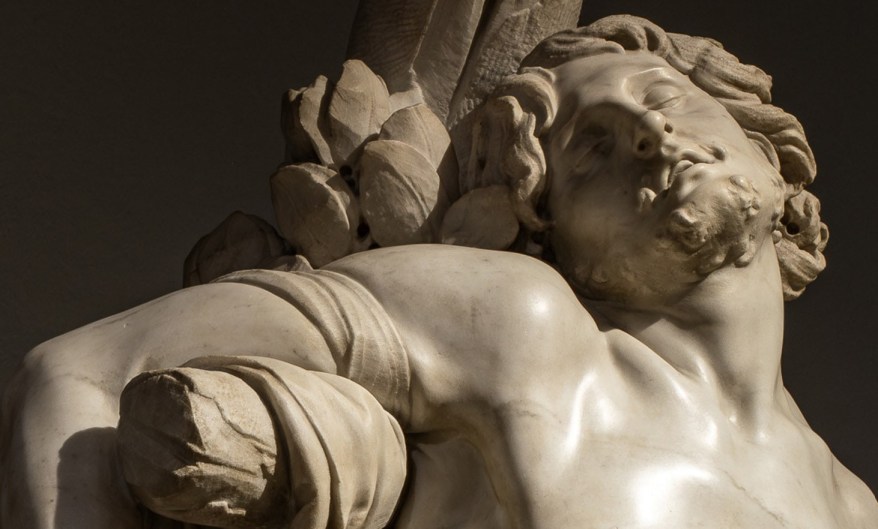
🇮🇹 Il San Sebastiano di Gian Lorenzo Bernini è un’opera che cattura l’attimo tra vita e morte: meno martirio, più emozione pura. Voluto da Maffeo Barberini, è uno dei capolavori giovanili più intensi del Barocco… 🇬🇧 Gian Lorenzo Bernini’s Saint Sebastian is a work that captures the moment between life and death: less martyrdom, more…
-
Presepe napoletano verso l’UNESCO: l’arte che racconta l’anima di Napoli
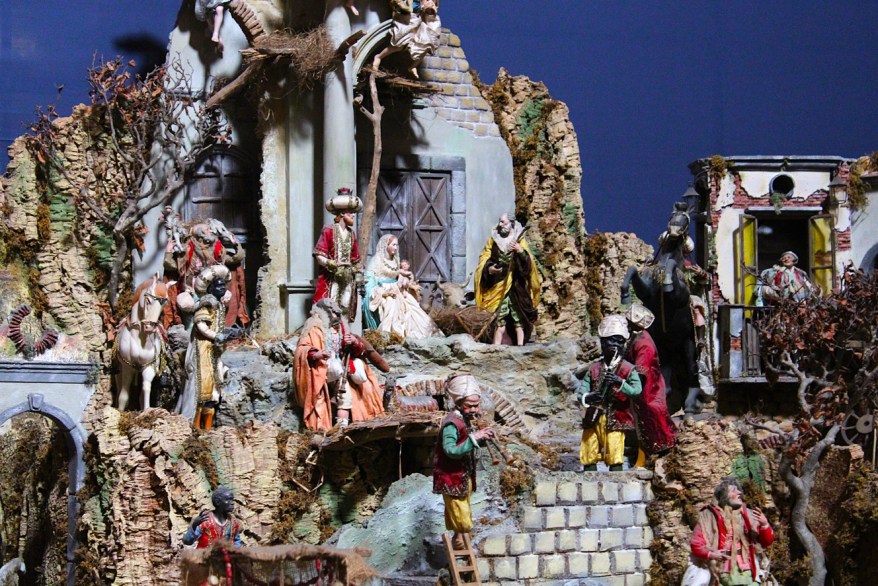
🇮🇹La candidatura del presepe napoletano all’UNESCO celebra una tradizione unica: arte, storia e identità di Napoli pronte a conquistare il riconoscimento mondiale. 🇬🇧The candidacy of the Neapolitan nativity scene for UNESCO recognition celebrates a unique tradition: the art, history, and identity of Naples ready to conquer global recognition.
-
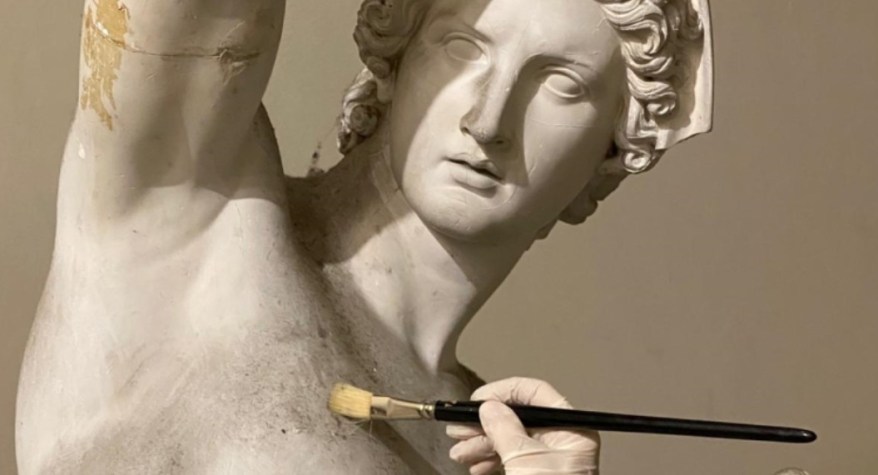
Restauro Telemaco di Bienaimé: visita al cantiere aperto, a Roma
🇮🇹Mercoledì 25 marzo 2026 alle ore 17:00, l’Accademia Nazionale di San Luca apre al pubblico il cantiere di restauro del Telemaco di Luigi Bienaimé.. 🇬🇧Wednesday, March 25, 2026 at 5:00 PM, the Accademia Nazionale di San Luca opens the restoration site of Luigi Bienaimé’s Telemachus to the public…
Condividi:


Questo sono io





sostienici

Sostienici – Support Us
Se questo blog ti piace e ti appassiona, puoi aiutarci a farlo crescere sempre più sostenendoci in modo concreto condividendo i post, seguendo le pagine social e con un contributo che ci aiuta ad andare avanti con il nostro lavoro di divulgazione. . ENGLISH: If you like and are passionate about this blog, you can help us make it grow more and more by supporting us in a concrete way by sharing posts, following social pages and with a contribution that helps us to move forward with our dissemination work.
€10,00


