
La Scultura del giorno: Ganimede e l’Aquila di Thorvaldsen
La scultura del giorno che vi propongo è Ganimede e l’Aquila dello scultore danese Berthel Thorvaldsen.
Thorvaldsen nacque nel 1770 a Copenaghen da una famiglia assai umile. Il su babbo per tirare avanti realizzava intagli in legno per i grandi bastimenti e a tutti gli effetti fu il suo primo maestro. A soli undici anni Thorvaldsen già aveva ben imparato il mestiere del babbo e fu ammesso alla Royal Academy of Arts.
L’8 marzo del 1797 arrivò a Roma e Canova rimase affascinato dalla sua bravura nel modellare e scolpire ciò che la mente comandava.

Thorvaldsen iniziò a lavorare nel 1817, nel suo studio di Roma, al gruppo di Ganimede che offre da bere a Giove trasformatosi in aquila, anticipando così il suo ruolo di coppiere degli dei.
L’artista raffigurò il figlio Dardanide Troe e di Calliroe, rapito da Giove. Il dio per l’occasione si era tramutato in aquila per prelevare il giovane e portarlo presso la sua mensa in qualità di coppiere. Lo stesso ruolo era già stato assegnato alla bella Ebe, figlia di Giunone.

Il giovane, il più bello fra i mortali come sta scritto nell’Iliade, si inginocchia porgendo la coppa di vino all’aquila.
Il suo modo di fare, lo sguardo abbassato e mesto già indica la sottomissione ai desideri e agli appetiti di Giove.

La scultura in marmo di Carrara, dopo essere stata conclusa dell’artista, partì da Roma alla volta di Livorno. Lì fu imbarcata sulla nave Galathea e arrivò a Copenhagnen il 20 settembre del 1833.
L’originale oggi si trova nel Museo Thorvaldsen ma esiste anche un’altra versione in marmo, appartenente al Chrysler Museum of Art a Norfolk in Virginia.

Thorvaldsen volle regalare il gesso dell’opera all’Accademia di San Luca di Roma il 20 novembre del 1831, ottemperando a una promessa datata.
Infatti, quando fu eletto Accademico nel marzo del 1808, regalò all’Accademia un bassorilievo in gesso promettendo però un gesso migliore. Anni dopo onora la sua promessa regalando quello di Ganimede e l’Aquila.

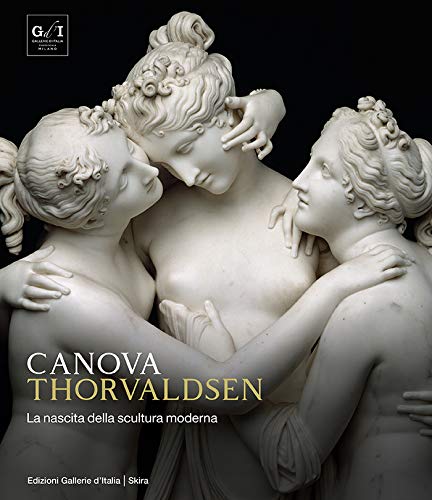
Prima di salutarvi vi propongo un interessante catalogo della mostra di qualche tempo fa che metteva a confronto le opere di Thorvaldsen e di Canova dal titolo “Canova Thorvaldsen. La nascita della scultura moderna”.
Un libro assai interessante che non può mancare nella vostra libreria. Lo trovate QUA.
Per il momento il vostro Michelangelo Buonarroti vi saluta dandovi appuntamento ai prossimi post e sui social.

Sostienici – Support Us
Se questo blog ti piace e ti appassiona, puoi aiutarci a farlo crescere sempre più sostenendoci in modo concreto condividendo i post, seguendo le pagine social e con un contributo che ci aiuta ad andare avanti con il nostro lavoro di divulgazione. . ENGLISH: If you like and are passionate about this blog, you can help us make it grow more and more by supporting us in a concrete way by sharing posts, following social pages and with a contribution that helps us to move forward with our dissemination work.
10,00 €
Sculpture of the day: Thorvaldsen’s Ganymede and the Eagle
The sculpture of the day that I propose is Ganymede and the Eagle by the Danish sculptor Berthel Thorvaldsen.
Thorvaldsen was born in 1770 in Copenhagen to a very humble family. In order to get by, his father made wood carvings for large ships and to all intents and purposes was his first master. At only eleven Thorvaldsen had already learned his father’s trade well and was admitted to the Royal Academy of Arts.
On March 8, 1797 he arrived in Rome and Canova was fascinated by his skill in modeling and sculpting what the mind commanded.
Thorvaldsen began work in 1817, in his Rome studio, on the group of Ganymede offering a drink to Jupiter transformed into an eagle, thus anticipating his role as cupbearer of the gods.
The artist depicted the Dardanide son Troe and Calliroe, kidnapped by Jupiter who transformed into an eagle to pick him up and bring him to his table as cupbearer. The same role had already been assigned to the beautiful Hebe, daughter of Juno.
The young man, the most beautiful of mortals as it is written in the Iliad, kneels offering the cup of wine to the eagle. His manner of acting, his downcast and sad gaze already indicates submission to the desires and appetites of Jupiter.
The Carrara marble sculpture, after being completed by the artist, left Rome for Livorno. There she was embarked on the ship Galathea and arrived in Copenhagen on 20 September 1833. The original is now in the Thorvaldsen Museum but there is also another marble version, which belongs to the Chrysler Museum of Art in Norfolk, Virginia.
Thorvaldsen wanted to give the plaster of the work to the Accademia di San Luca in Rome on 20 November 1831, fulfilling a dated promise. In fact, when he was elected Academician in March 1808, he gave the Academy a plaster bas-relief, promising however a better plaster. Years later he honors his promise by giving away that of Ganymede and the eagle.
For the moment, your Michelangelo Buonarroti greets you by making an appointment for the next posts and on social media.
-
Restauro tappeti d’arte a Pietrasanta: tradizione e segreti di un laboratorio centenario
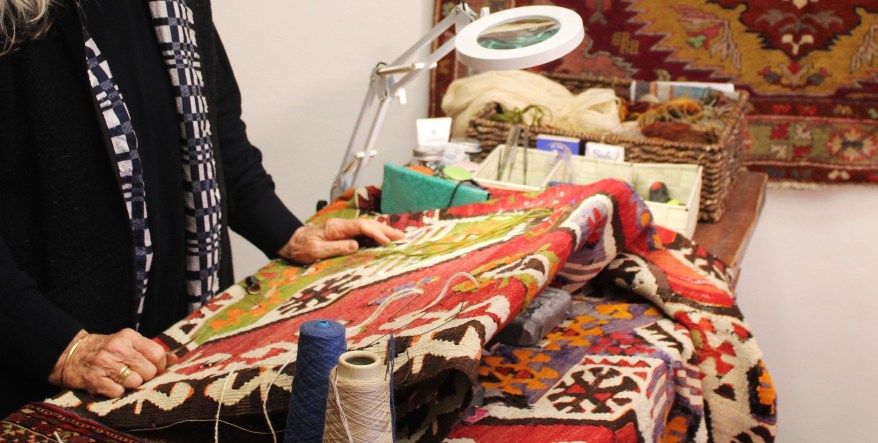
🇮🇹Il fascino dei tappeti d’arte prende vita a Pietrasanta. Venite con me nel laboratorio di “Restauro Tappeti d’Arte” di Orna Bachar e Benedetto Bumaguin, dove ogni tappeto antico è una vera opera d’arte… 🇬🇧The charm of artistic carpets comes to life in Pietrasanta. Come with me to Orna Bachar and Benedetto Bumaguin’s “Artistic Carpet Restoration”…
-
Battistello Caracciolo e il suo San Giovannino: il capolavoro che rivela l’eredità di Caravaggio
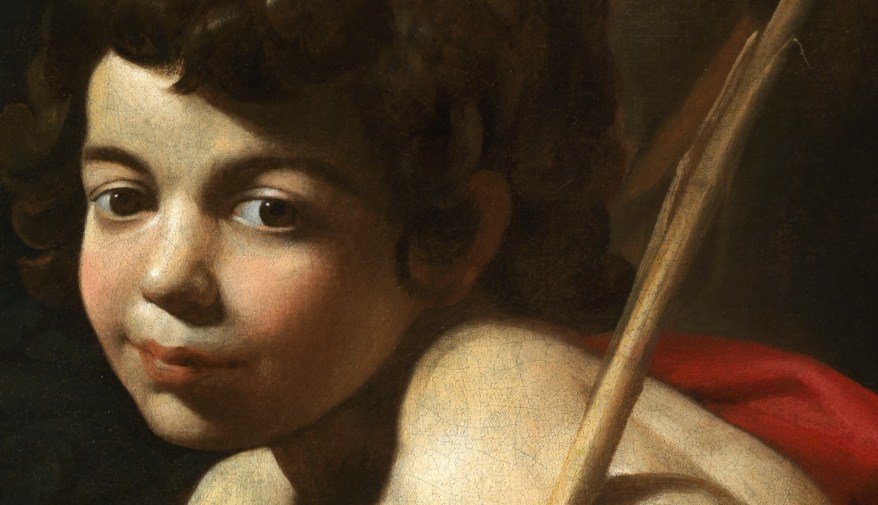
🇮🇹Per anni attribuito al Caravaggio, il San Giovannino del Caracciolo rivela invece la sensibilità unica di Battistello: un equilibrio perfetto tra realismo e dolcezza, tra inquietudine e grazia… 🇬🇧For years attributed to Caravaggio, Caracciolo’s Saint John the Baptist instead reveals Battistello’s unique sensitivity: a perfect balance between realism and sweetness, between restlessness and grace…
-
La fine dell’originalità: perché oggi tutta l’arte sembra già vista
🇮🇹La sensazione è sempre la stessa: guardiamo un quadro, una scultura o un’installazione e pensiamo “L’ho già visto da qualche parte”. Ma è davvero la fine dell’originalità? … 🇬🇧The feeling is always the same: we look at a painting, a sculpture, or an installation and think, “I’ve seen this before.” But is this really the…
Condividi:


Questo sono io





sostienici

Sostienici – Support Us
Se questo blog ti piace e ti appassiona, puoi aiutarci a farlo crescere sempre più sostenendoci in modo concreto condividendo i post, seguendo le pagine social e con un contributo che ci aiuta ad andare avanti con il nostro lavoro di divulgazione. . ENGLISH: If you like and are passionate about this blog, you can help us make it grow more and more by supporting us in a concrete way by sharing posts, following social pages and with a contribution that helps us to move forward with our dissemination work.
€10,00


1 commento »