

Quando Goethe scappò sconvolto dalla Cappella Sistina
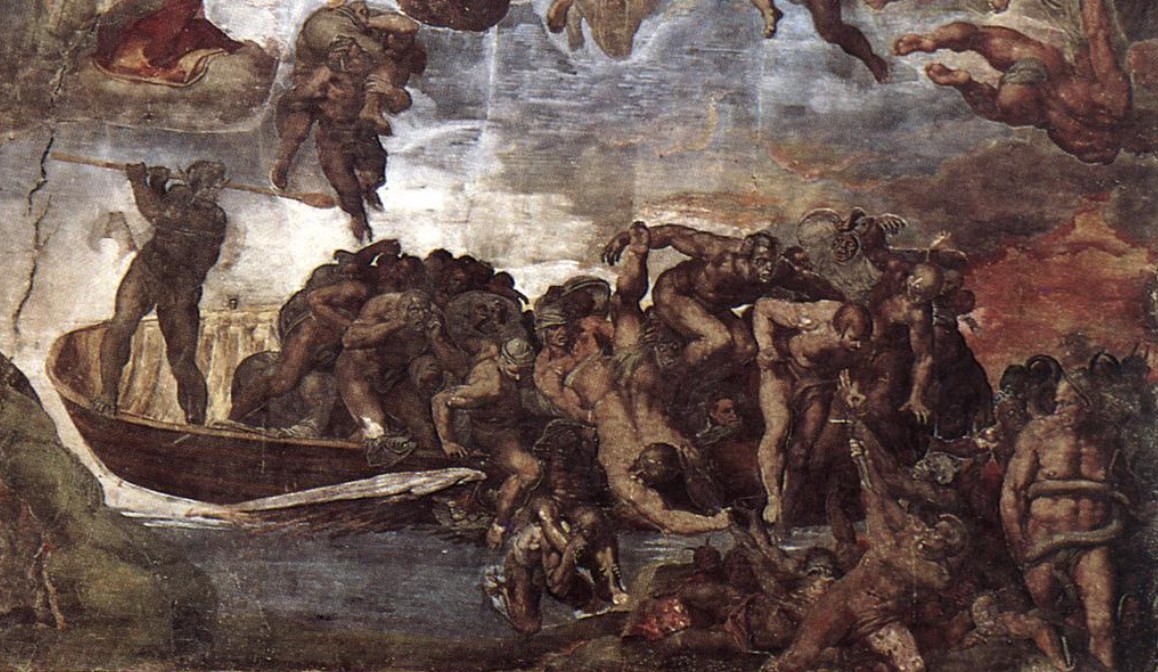
Goethe durante il suo lungo viaggio attraverso l’Italia arrivò a un certo punto del suo percorso a Roma ed ebbe la possibilità di visitare la Cappella Sistina. Questo forse lo sapete ma meno noto è il fatto che scappò a gambe levate per non continuare a soffrire in quello scempio.
Durante la sontuosa cerimonia della benedizione dei ceri all’interno della Sistina venivano accesi fumanti bracieri alimentati con gli incensi e un gran numero di candele. Tutto quel fumo inevitabilmente andava a compromettere la conservazione dei miei lavori e dei capolavori realizzati dagli artisti quattrocenteschi che mi avevano preceduto.

In pratica, contraddicendo un po’ quello che era il sentire comune di allora ma anche dei decenni a seguire, Goethe si rese conto seduta stante che le mie pitture non le avevo realizzate di proposito così cupe e poco leggibili.

Ricordando quanto appena vissuto, il 16 febbraio del 1787 Goethe scrisse “Il due febbraio siamo andati nella Cappella Sistina, per assistere alla cerimonia della benedizione dei ceri. Ma non era cosa per me, e me ne sono andato via ben presto con gli amici.
Penso infatti: ecco qua precisamente i ceri che da tre secoli anneriscono questi affreschi stupendi, ed ecco l’incenso che , con tanta sfrontatezza, non solo avvolge di vapori il sole unico dell’arte, ma di anno in anno lo offusca sempre di più e finirà con l’immergerlo nella tenebra”.
Potete trovare questa sua amara ma illuminata osservazione nel volume “Viaggio in Italia” che trovate QUA. Per il momento il vostro Michelangelo Buonarroti vi saluta dandovi appuntamento ai prossimi post e sui social.

When Goethe escaped distraught from the Sistine Chapel
Goethe traveling in Italy arrived at a certain point of his journey in Rome and was able to visit the Sistine Chapel. You may know this but less known is the fact that he ran away to avoid continuing to suffer in that mess.
During the sumptuous ceremony of the blessing of the candles, the smoking braziers were lit inside the Sistine Chapel with incense and a large number of candles. All that smoke inevitably compromised the conservation of all my works and the masterpieces created by the fifteenth-century artists who had preceded me.
In practice, somewhat contradicting what was the common feeling of the time but also of the following decades, Goethe realized on the spot that my paintings had not been made on purpose so gloomy and difficult to read.
The dark and monotonous painting in the colors was believed to be original and will be believed to be so even later, with rare exceptions. If you want to learn more about this topic, I have talked about it extensively HERE.
Recalling what he had just experienced, on February 16, 1787 Goethe wrote “On February 2 we went to the Sistine Chapel to attend the blessing ceremony of the candles. But that wasn’t my thing, and I soon left with friends. In fact, I think: here are precisely the candles which have blackened these stupendous frescoes for three centuries, and here is the incense which, with such effrontery, not only envelops the unique sun of art with vapors, but from year to year it darkens it more and more. and it will end up by plunging him into darkness”.
You can find his bitter but enlightened observation in the volume “Viaggio in Italia” which you can find HERE. For the moment, your Michelangelo Buonarroti greets you by making an appointment for the next posts and on social media.

Sostienici – Support Us
Se questo blog ti piace e ti appassiona, puoi aiutarci a farlo crescere sempre più sostenendoci in modo concreto condividendo i post, seguendo le pagine social e con un contributo che ci aiuta ad andare avanti con il nostro lavoro di divulgazione. . ENGLISH: If you like and are passionate about this blog, you can help us make it grow more and more by supporting us in a concrete way by sharing posts, following social pages and with a contribution that helps us to move forward with our dissemination work.
5,00 €
-
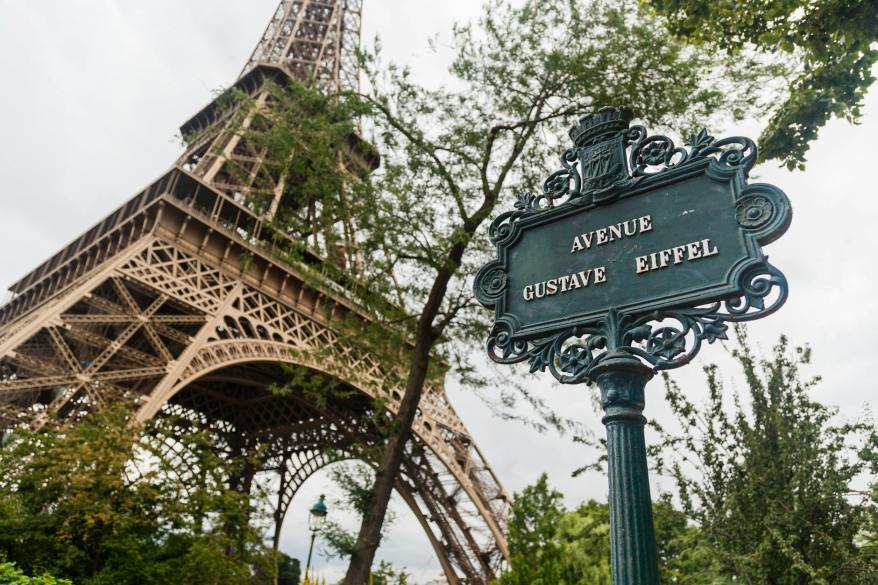
31 marzo 1889: inaugurata la Torre Eiffel tra critiche feroci e un destino inaspettato
🇮🇹Il 31 marzo 1889 segna una data destinata a cambiare per sempre il volto di Parigi e dell’immaginario collettivo globale: viene inaugurata la Torre Eiffel, l’opera più audace e discussa del suo tempo… 🇬🇧March 31, 1889 marks a date destined to change the face of Paris and the global collective imagination forever: the Eiffel Tower,…
-
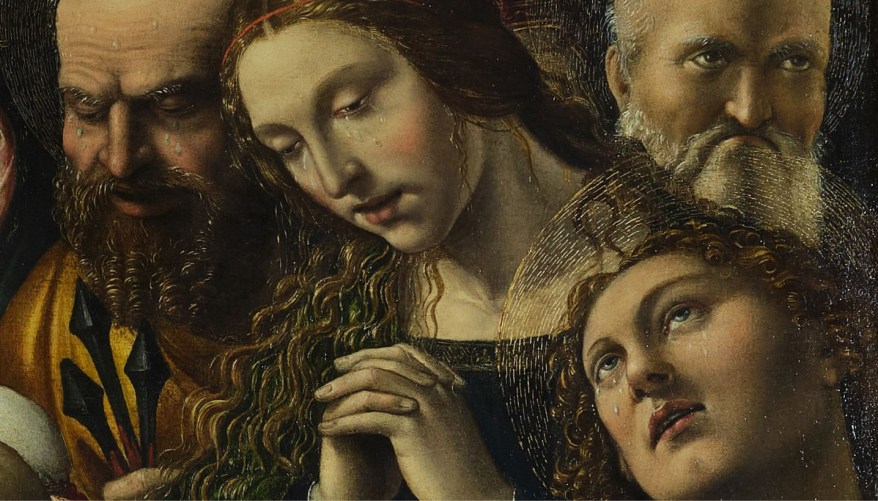
Sodoma in mostra a Torino: il Rinascimento al Museo Accorsi-Ometto
🇮🇹Al Museo di Arti Decorative Accorsi-Ometto arriva una mostra dedicata al Sodoma: oltre 50 opere, alcune mai viste prima, raccontano la formazione dell’artista e il suo dialogo con maestri come Pinturicchio… 🇬🇧An exhibition dedicated to Sodoma arrives at the Accorsi-Ometto Museum of Decorative Arts: over 50 works, some never before seen, recount the artist’s development…
-
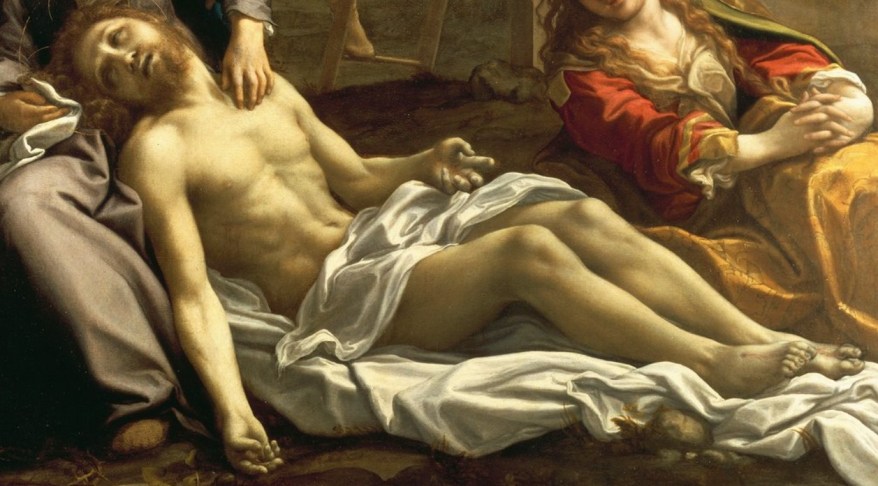
Il Compianto sul Cristo morto di Correggio: pathos e devozione
🇮🇹Con l’inizio della Settimana Santa, vi propongo il Compianto sul Cristo morto di Antonio Allegri, più noto come il Correggio: uno dei vertici assoluti della pittura emiliana del Cinquecento… 🇬🇧With the beginning of Holy Week, I propose the Lamentation over the Dead Christ by Antonio Allegri, better known as Correggio: one of the absolute peaks…
Condividi:


Questo sono io





sostienici

Sostienici – Support Us
Se questo blog ti piace e ti appassiona, puoi aiutarci a farlo crescere sempre più sostenendoci in modo concreto condividendo i post, seguendo le pagine social e con un contributo che ci aiuta ad andare avanti con il nostro lavoro di divulgazione. . ENGLISH: If you like and are passionate about this blog, you can help us make it grow more and more by supporting us in a concrete way by sharing posts, following social pages and with a contribution that helps us to move forward with our dissemination work.
€10,00


