
Il cantiere della Basilica di San Pietro
Vi siete mi chiesti che aspetto potesse avere la Basilica di San Pietro durante la sua costruzione? Sicuramente quello fu un cantiere molto affollato nel quale diverse maestranze erano contemporaneamente al lavoro.
Ovunque si volgesse lo sguardo c’erano persone impegnate a svolgere i loro compiti e non vi pensiate che fossero esclusivamente uomini. Non sono poche le donne fabbro che contribuirono allo splendore della fabbrica di San Pietro ma anche abili artigiane che lavoravano vetri e cristalli, cuocevano mattoni e trasportavano ogni giorno materiali pesanti sui carri fino al cantiere.
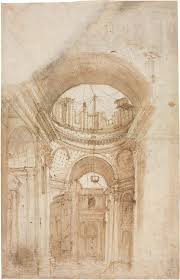
Si può avere un’idea di come apparisse l’interno della Basilica fra il 1557 e il 1563 circa grazie a un disegno a penna e bistro su carta di Giovanni Antonio Dosio.
Lo realizzò durante gli anni in cui ero io a tenere le redini di quel grandioso edificio in costruzione sul quale si stava giocando il prestigio della Chiesa Cristiana e il ruolo del papato.
Il disegno appartenente al Gabinetto Disegni e Stampe degli Uffizi mostra la veduta della crociera di San Pietro dal braccio meridionale.
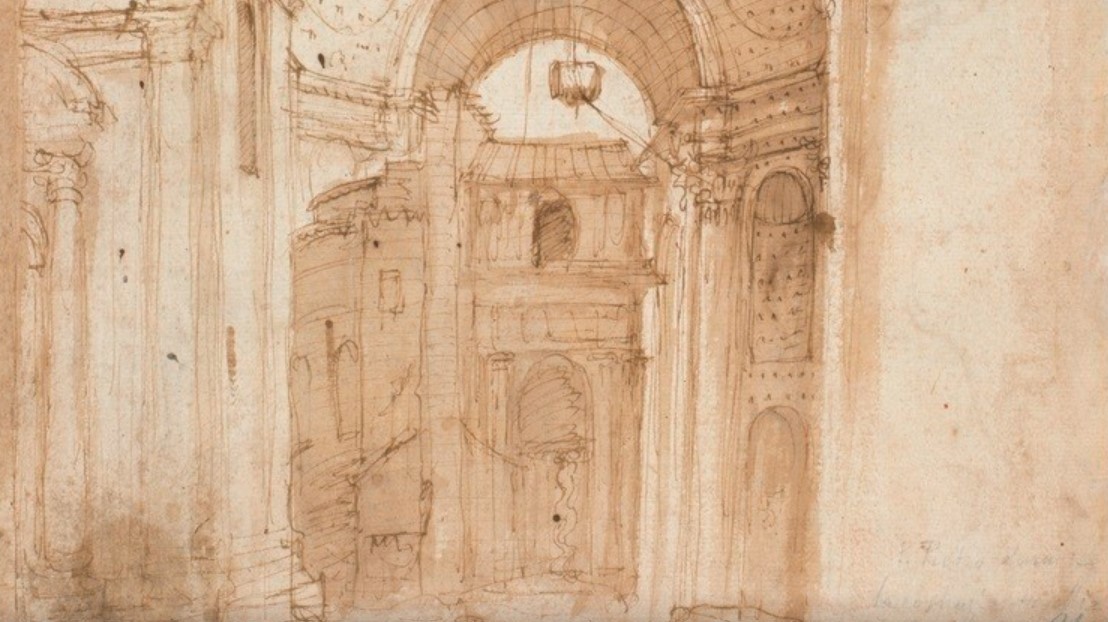
Osservando ciò che Dosio raffigura si può notare che in quella fase dei lavori che l’ordine gigante dell’ottagono e del transetto, la volta a botte e i pennacchi erano stati terminati. Al di sopra del cornicione della cupola invece si scopre il tamburo cominciato ma non ancora ultimato.
Al centro della crociera si vedono ancora i resti della cappella rotonda di Sant’Andrea che verranno poi distrutti mano a mano che avanzeranno i lavori.

Al centro del disegno si nota la presenza dell’argano verticale, sostenuto mediante corde e collegato ad altre ritenute radiali che consentivano alla navicella caricata di materiale di spostarsi assai agevolmente verso la zona desiderata. La cosa più curiosa è la parte di colonna che si scorge sospesa a mezz’aria.
Per il momento il vostro Michelangelo Buonarroti vi aluta dandovi appuntamento ai prossimi post e sui social.
The construction site of St. Peter’s Basilica
Have you wondered what St. Peter’s Basilica might have looked like during its construction? Surely that was a very crowded construction site in which several workers were simultaneously at work.
Everywhere you looked there were people busy carrying out their tasks and don’t think they were exclusively men. There are not a few women blacksmiths who contributed to the splendor of the San Pietro factory but also skilled artisans who worked glass and crystal, baked bricks and transported heavy materials on wagons to the construction site every day.
You can get an idea of what the interior of the Basilica looked like between 1557 and about 1563 thanks to a pen and bistre drawing on paper by Giovanni Antonio Dosio.
He built it during the years when I was holding the reins of that grandiose building under construction on which the prestige of the Christian Church and the role of the papacy were being played.
The drawing belonging to the Department of Prints and Drawings of the Uffizi shows the view of the cross of St. Peter from the southern arm.
Looking at what Dosio depicts, it can be seen that in that phase of the work that the giant order of the octagon and transept, the barrel vault and the pendentives had been completed. Above the cornice of the dome, on the other hand, one discovers the tambour which has begun but has not yet been completed.
At the center of the cross you can still see the remains of the round chapel of Sant’Andrea which will then be destroyed as the work progresses.
At the center of the drawing we note the presence of the vertical winch, supported by ropes and connected to other radial retainers that allowed the nacelle loaded with material to move very easily to the desired area. The most curious thing is the part of the column that can be seen suspended in midair.
For the moment, your Michelangelo Buonarroti welcomes you by giving you an appointment at the next posts and on social networks.

Sostienici – Support Us
Se questo blog ti piace e ti appassiona, puoi aiutarci a farlo crescere sempre più sostenendoci in modo concreto condividendo i post, seguendo le pagine social e con un contributo che ci aiuta ad andare avanti con il nostro lavoro di divulgazione. . ENGLISH: If you like and are passionate about this blog, you can help us make it grow more and more by supporting us in a concrete way by sharing posts, following social pages and with a contribution that helps us to move forward with our dissemination work.
5,00 €
-
La fine dell’originalità: perché oggi tutta l’arte sembra già vista
🇮🇹La sensazione è sempre la stessa: guardiamo un quadro, una scultura o un’installazione e pensiamo “L’ho già visto da qualche parte”. Ma è davvero la fine dell’originalità? … 🇬🇧The feeling is always the same: we look at a painting, a sculpture, or an installation and think, “I’ve seen this before.” But is this really the…
-
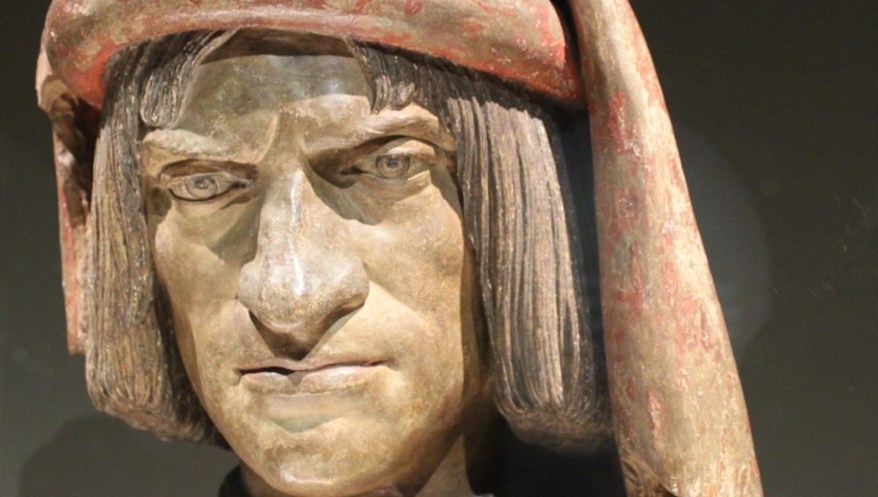
8 aprile 1492: la morte di Lorenzo il Magnifico, l’uomo che fece grande il Rinascimento
🇮🇹8 aprile 1492: si spegne Lorenzo il Magnifico, il cuore pulsante del Rinascimento. Alle quattro del mattino Firenze perde il suo signore, mecenate e poeta… 🇬🇧April 8, 1492: Lorenzo the Magnificent, the beating heart of the Renaissance, passes away. At four in the morning, Florence loses its lord, patron, and poet…
-
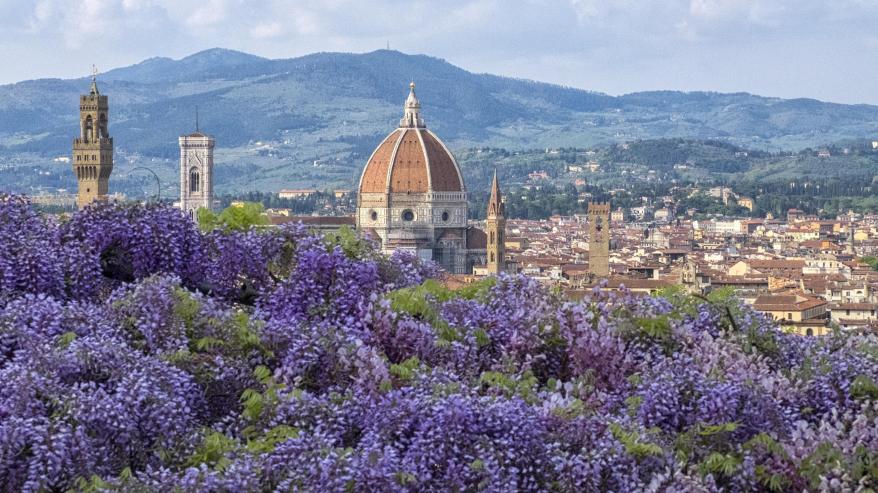
Sotto un cielo di glicine: la magia di Villa Bardini
🇮🇹Per pochi giorni all’anno, il pergolato di Villa Bardini si trasforma in un tunnel lilla lungo 70 metri, dove profumo e bellezza si intrecciano sopra una delle viste più romantiche di Firenze… 🇬🇧For a few days a year, the pergola of Villa Bardini transforms into a 70-meter-long lilac tunnel, where scent and beauty intertwine above…
Condividi:


Questo sono io





sostienici

Sostienici – Support Us
Se questo blog ti piace e ti appassiona, puoi aiutarci a farlo crescere sempre più sostenendoci in modo concreto condividendo i post, seguendo le pagine social e con un contributo che ci aiuta ad andare avanti con il nostro lavoro di divulgazione. . ENGLISH: If you like and are passionate about this blog, you can help us make it grow more and more by supporting us in a concrete way by sharing posts, following social pages and with a contribution that helps us to move forward with our dissemination work.
€10,00


