
I primi due disegni che donai al mio amato Tommaso de’ Cavalieri
Vi siete mai chiesti quali furono i primi disegni che regalai al mio amato Tommaso de’ Cavalieri? Scartabellando un po’ qua e un po’ là è possibile supporre quali furono le due opere che ebbe in dono da me per prime.
Realizzai diversi disegni magistrali per Tommaso. La scusa ufficiale era quella di fornirgli materiale sul quale esercitarsi per perfezionare la sua arte ma in realtà volevo che potesse guardare e tenere fra le mani qualcosa di mio, pensato e realizzato con mente, cuore e ingegno.
Nella prima lettera che scrissi a Tommaso o meglio, nella prima che è arrivata fino ai vostri giorni perché molto probabilmente ne scrissi una precedente, gli promettevo che avrei fatto per lui delle cose che potessero piacergli.
Era il 30 novembre del 1532.
A poca distanza di tempo Tommaso mi rispose dicendomi di aver ricevuto due disegni miei consegnatigli da Pier Antonio. Erano a sua detta talmente belli che mi promise di riservarsi almeno due ore al giorno per contemplarli.
In questo mezo mi pigliarò almanco doi hore del giorno piacere in contemplare doi vostri disegni che Pierantonio me à portati…
Tommaso de’ Cavalieri

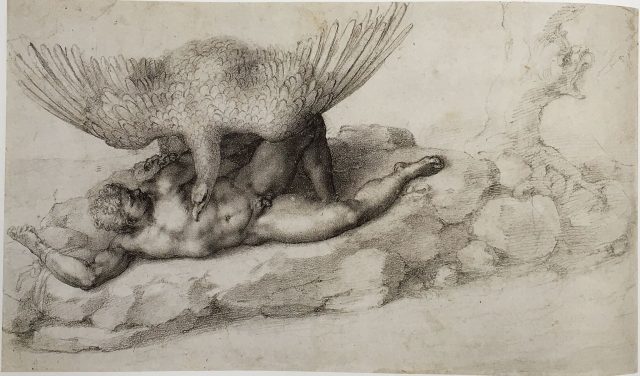
Quali erano questi disegni? Ebbene. In una lettera successiva Tommaso mi scrisse per ringraziarmi di quei preziosi doni citando proprio due soggetti ben precisi che suscitarono tanta ammirazione non solo in lui: la Caduta di Fetonte e la Punizione di Tizio.
Che siano stati questi i primi presentation drawing che gli regalai? Non è dato sapere con certezza ma si può ipotizzare di sì.
Papa Clemente VII e il cardinale Ippolito de’ Medici vollero vedere quei due capolavori grafici. Ippolito se ne innamorò tanto da pensare di farli intagliare nel cristallo di rocca da Giovan Bernardi da Castelbolgnese, abilissimo incisore, orafo e medagliere che lavorò per anni anche alla zecca pontificia.

Per il momento il vostro Michelangelo Buonarroti vi saluta dandovi appuntamento ai prossimi post e sui social.
The first two drawings that I gave to my beloved Tommaso de ‘Cavalieri
Have you ever wondered what were the first drawings I gave to my beloved Tommaso de ‘Cavalieri? Browsing a little here and a little there, it is possible to suppose which were the two works that he first received as a gift from me.
I made several masterful drawings for Tommaso. The official excuse was to provide him with material on which to practice to perfect his art but in reality I wanted him to be able to look at and hold something of mine in his hands, thought and created with mind, heart and ingenuity.
In the first letter I wrote to Thomas or rather, in the first one that has come down to your days because most likely I wrote a previous one, I promised him that I would do things for him that he might like.
It was November 30, 1532.
Shortly after, Tommaso replied by telling me that he had received two of my drawings delivered to him by Pier Antonio. They were so beautiful to him that he promised to set aside at least two hours a day to contemplate them.
“In this month I will take at least two hours of the day the pleasure of contemplating the two of your drawings that Pierantonio brought me”
Tommaso de’ Cavalieri
What were these drawings? Well. In a subsequent letter Tommaso wrote to me to thank me for those precious gifts, citing two very specific subjects that aroused so much admiration not only in him: the Fall of Phaeton and the Punishment of Tizio.
Could these were the first presentation drawings I gave him? It is not known for sure but it can be assumed so.
“Maybe three days ago I had my Phaeton very well done and I showed them to the Pope, Cardinal de ‘Medici and many others. I don’t already know for what cause he wants to see. Cardinal de ‘Medici wanted to see your drawings at all costs and he liked them so much that he wanted to have those of Tizio and Ganymede engraved in the crystal. I didn’t know how to say no to him and now Maestro Giovanni is engraving the guy in the crystal … “
Pope Clement VII and Cardinal Ippolito de ‘Medici wanted to see those two graphic masterpieces. Ippolito fell in love with them so much that he thought of having them carved in rock crystal by Giovan Bernardi da Castelbolgnese, a very skilled engraver, goldsmith and medalist who also worked for years at the papal mint.
For the moment, your Michelangelo Buonarroti greets you by giving you an appointment at the next posts and on social networks.

Sostienici – Support Us
Se questo blog ti piace e ti appassiona, puoi aiutarci a farlo crescere sempre più sostenendoci in modo concreto condividendo i post, seguendo le pagine social e con un contributo che ci aiuta ad andare avanti con il nostro lavoro di divulgazione. . ENGLISH: If you like and are passionate about this blog, you can help us make it grow more and more by supporting us in a concrete way by sharing posts, following social pages and with a contribution that helps us to move forward with our dissemination work.
5,00 €
-
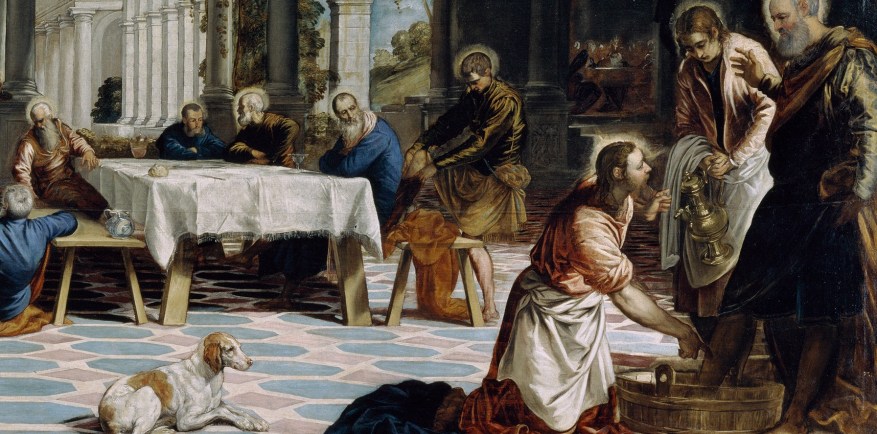
La Lavanda dei Piedi di Tintoretto: Il Capolavoro Veneziano al Prado
🇮🇹Tra i capolavori più affascinanti del Rinascimento veneziano, “La Lavanda dei Piedi” di Jacopo Tintoretto rappresenta un perfetto equilibrio tra spiritualità, innovazione compositiva e straordinaria forza narrativa… 🇬🇧Among the most fascinating masterpieces of the Venetian Renaissance, Jacopo Tintoretto’s “The Washing of the Feet” represents a perfect balance between spirituality, compositional innovation, and extraordinary narrative force…
-
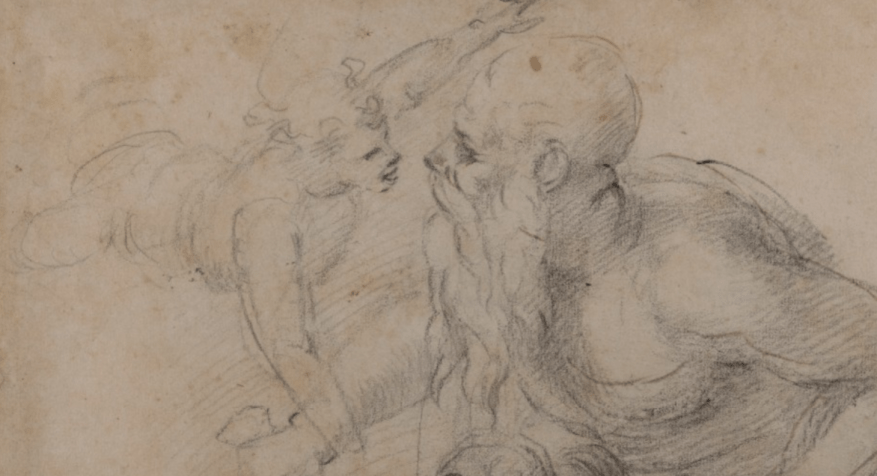
Il Sacrificio di Isacco e quel momento tra la vita e la morte
🇮🇹Oggi voglio raccontarvi alcuni dettagli sul mio disegno del Sacrificio di Isacco, conservato oggi a Casa Buonarroti. Su quel foglio volli tracciare il momento preciso in cui la paura fa spazio al miracolo… 🇬🇧Today I want to tell you some details about my drawing of the Sacrifice of Isaac, now preserved at Casa Buonarroti. On…
-
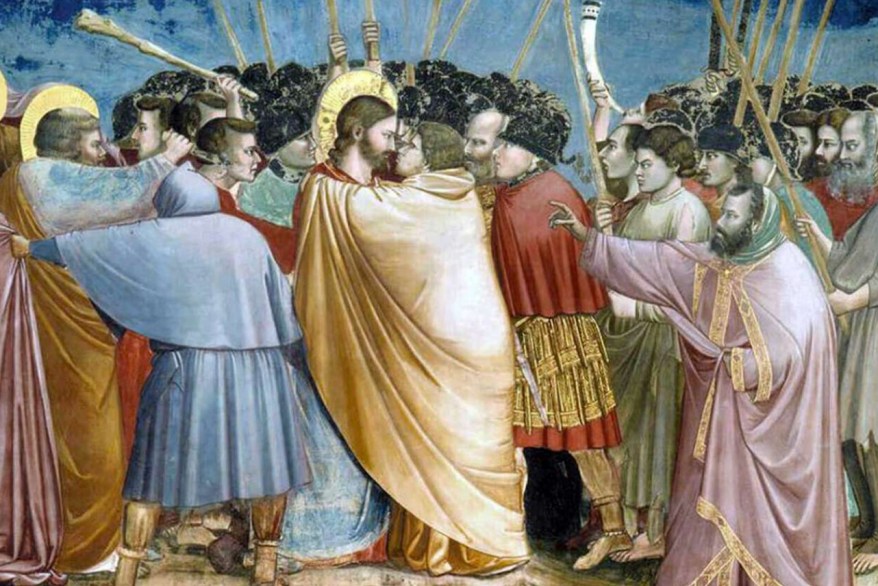
Mercoledì Santo: il giorno del tradimento di Giuda affrescato da Giotto
🇮🇹Il Mercoledì Santo è il giorno del silenzio, della riflessione e del tradimento. È il momento in cui Giuda sceglie di vendere Gesù per trenta denari, segnando uno dei passaggi più dolorosi della Settimana Santa…. 🇬🇧Holy Wednesday is a day of silence, reflection, and betrayal. ✝It is the moment when Judas chooses to sell Jesus…
Condividi:


Questo sono io





sostienici

Sostienici – Support Us
Se questo blog ti piace e ti appassiona, puoi aiutarci a farlo crescere sempre più sostenendoci in modo concreto condividendo i post, seguendo le pagine social e con un contributo che ci aiuta ad andare avanti con il nostro lavoro di divulgazione. . ENGLISH: If you like and are passionate about this blog, you can help us make it grow more and more by supporting us in a concrete way by sharing posts, following social pages and with a contribution that helps us to move forward with our dissemination work.
€10,00


1 commento »