

Francisco de Hollanda convinto d’essermi amico
Non amavo teorizzare sull’arte e perdere tempo in giri di parole. Preferivo di gran lunga fare e dimostrare il mio pensiero attraverso il lavoro. Disquisire sulla pittura e sulla scultura era per me una frivolezza.
L’artista Francisco de Hollanda, figliolo del miniatore olandese Antonio, era nato in Portogallo e durante il suo viaggio a Roma ebbe modo di conoscermi. Avemmo diversi colloqui in merito all’arte e lui mi riteneva un suo grande amico.

Beh, questo era quello che pensava ma a me non è che andasse proprio a genio. Se tolleravo il fatto che volesse sempre interloquire con me lo deve a Vittoria Colonna. Per amor suo mi intrattenevo fin troppo con Francisco. Quegli incontri volle metterli nero su bianco e chissà che non abbia romanzato un tantino quello che gli dicevo.
Era il 1538 quando conobbi Francisco de Hollanda e nei suoi ricordi parecchio enfatici annota “E soprattutto io apprezzavo tanto messere Michelangelo, che se l’incontravo nel Palazzo Vaticano o per la via, non volevamo mai separarci finché le stelle ci invitavano a tornare a casa”.

Ora ve lo immaginate io che faccio notte a disquisire sull’arte con un tale che pensa di essere mio amico e che mi fa perdere tempo? Come ebbe modo di scrivere il Varchi preferivo “lasciar tante dispute; perché vi va più tempo a che fare le figure”.
E’ vero che conversavamo e mi tartassava di domande ma è un po’ meno vero lo considerassi un caro amico.
Per il momento il vostro Michelangelo Buonarroti vi saluta dandovi appuntamento ai prossimi post e sui social.
Francisco de Hollanda convinced that he is my friend
I did not like theorising about art and wasting time on words. I much preferred to do and demonstrate my thinking through work. To argue about painting and sculpture was a trifle for me.
The artist Francisco de Hollanda, son of the Dutch illuminator Antonio, was born in Portugal and during his trip to Rome he got to know me. We had several talks about art and he considered me a great friend of him.
Well, that’s what he thought but to me it’s not like he really liked it. If I tolerated the fact that he always wanted to talk to me, he owes it to Vittoria Colonna. For her sake I spent too much time with Francisco. Those encounters he wanted to put in black and white and who knows that he has not fictionalized a little what I told him.
It was 1538 when I met Francisco de Hollanda and in his quite emphatic memories he notes “And above all I appreciated so much Messere Michelangelo and when I met him in the Vatican Palace or on the street, we never wanted to part until the stars invited us to go home”.
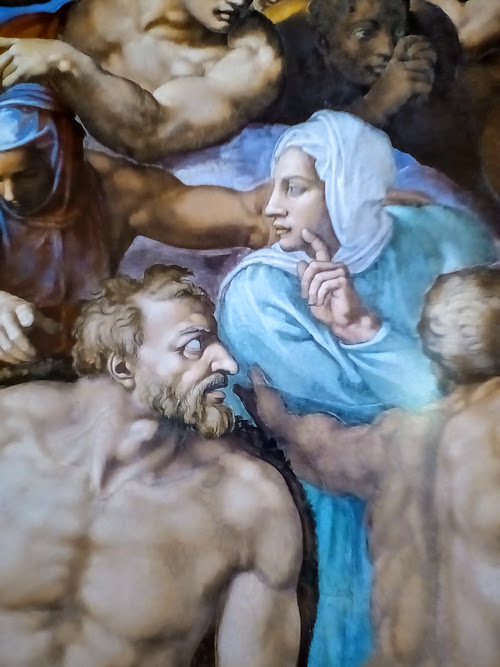
Now can you imagine that I spend the night discussing art with a man who thinks he is my friend and who wastes my time? As Varchi wrote, I preferred “to leave behind many disputes; because you need more time to do the figures “.
It is true that we conversed and he harassed me with questions, but it is a little less true that I considered him a dear friend.
For the moment, your Michelangelo Buonarroti greets you by giving you an appointment at the next posts and on social networks.

Sostienici – Support Us
Se questo blog ti piace e ti appassiona, puoi aiutarci a farlo crescere sempre più sostenendoci in modo concreto condividendo i post, seguendo le pagine social e con un contributo che ci aiuta ad andare avanti con il nostro lavoro di divulgazione. . ENGLISH: If you like and are passionate about this blog, you can help us make it grow more and more by supporting us in a concrete way by sharing posts, following social pages and with a contribution that helps us to move forward with our dissemination work.
5,00 €
-
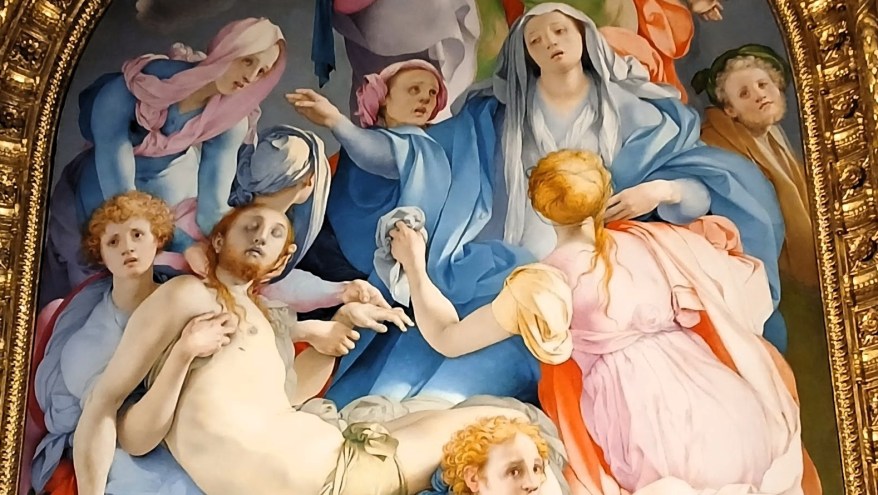
La Deposizione del Pontormo: il capolavoro dell’artista
🇮🇹Ti coinvolge. Ti mette a disagio. Ti costringe a sentire. E’ la Deposizione dalla Croce, dipinta da Jacopo Pontormo tra il 1525 e il 1528 per la Cappella Capponi… 🇬🇧It draws you in. It makes you uncomfortable. It forces you to feel. It’s the Deposition from the Cross, painted by Jacopo Pontormo between 1525 and…
-
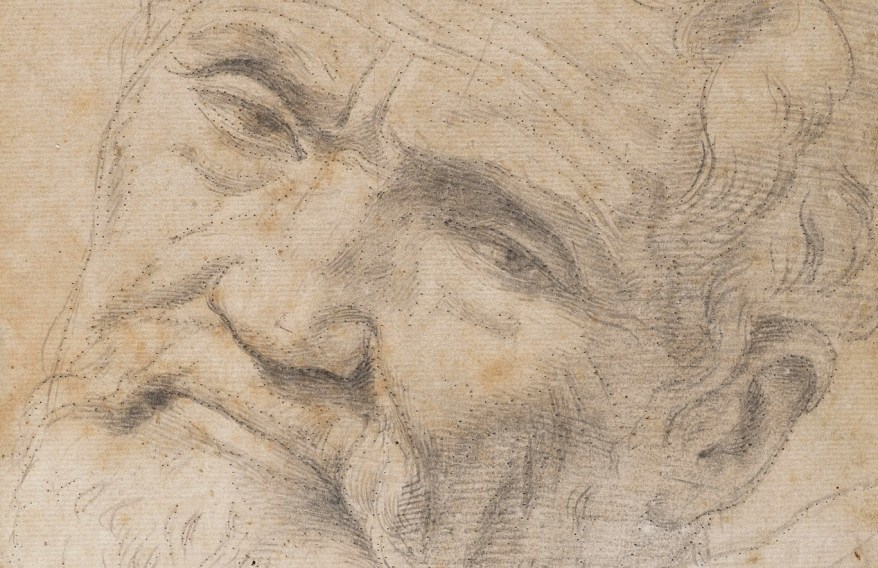
Non chiamatelo Braghettone: il 4 aprile del 1566 muore Daniele da Volterra, l’artista che salvò il Giudizio Universale
🇮🇹Braghettone? No, molto di più. Il 4 aprile 1566 moriva Daniele da Volterra, il mio allievo più fedele, l’uomo che mi rimase accanto fino all’ultimo respiro e che salvò il mio Giudizio Universale dalla distruzione… 🇬🇧Braghettone? No, much more. On April 4, 1566, Daniele da Volterra died, my most faithful student, the man who remained…
-
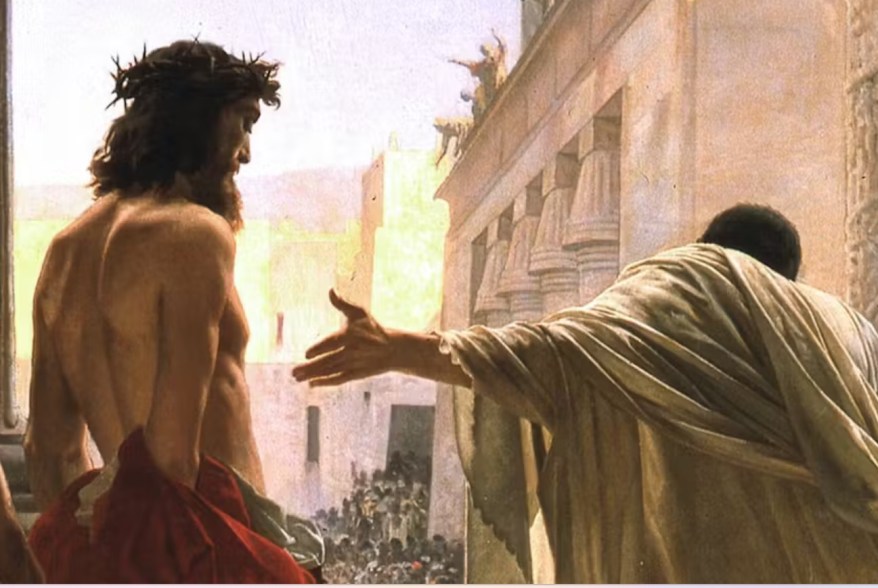
Venerdì Santo: gli “Ecce Homo” più intensi della storia dell’arte
🇮🇹Ecce Homo. Da Antonello da Messina a Tintoretto, fino al sorprendente capolavoro di Antonio Ciseri, questo soggetto ha attraversato i secoli raccontando dolore, umanità e coscienza… 🇬🇧Ecce Homo. From Antonello da Messina to Tintoretto, to Antonio Ciseri’s astonishing masterpiece, this subject has spanned the centuries, recounting pain, humanity, and conscience…
Condividi:


Questo sono io





sostienici

Sostienici – Support Us
Se questo blog ti piace e ti appassiona, puoi aiutarci a farlo crescere sempre più sostenendoci in modo concreto condividendo i post, seguendo le pagine social e con un contributo che ci aiuta ad andare avanti con il nostro lavoro di divulgazione. . ENGLISH: If you like and are passionate about this blog, you can help us make it grow more and more by supporting us in a concrete way by sharing posts, following social pages and with a contribution that helps us to move forward with our dissemination work.
€10,00


Un bel rompiscatole il de Hollanda e meno male che per rispetto alla Colonna Michelangelo non gli ha sbattuto un mazzuolo sulla testa.
"Mi piace"Piace a 1 persona
😀
"Mi piace"Piace a 1 persona