
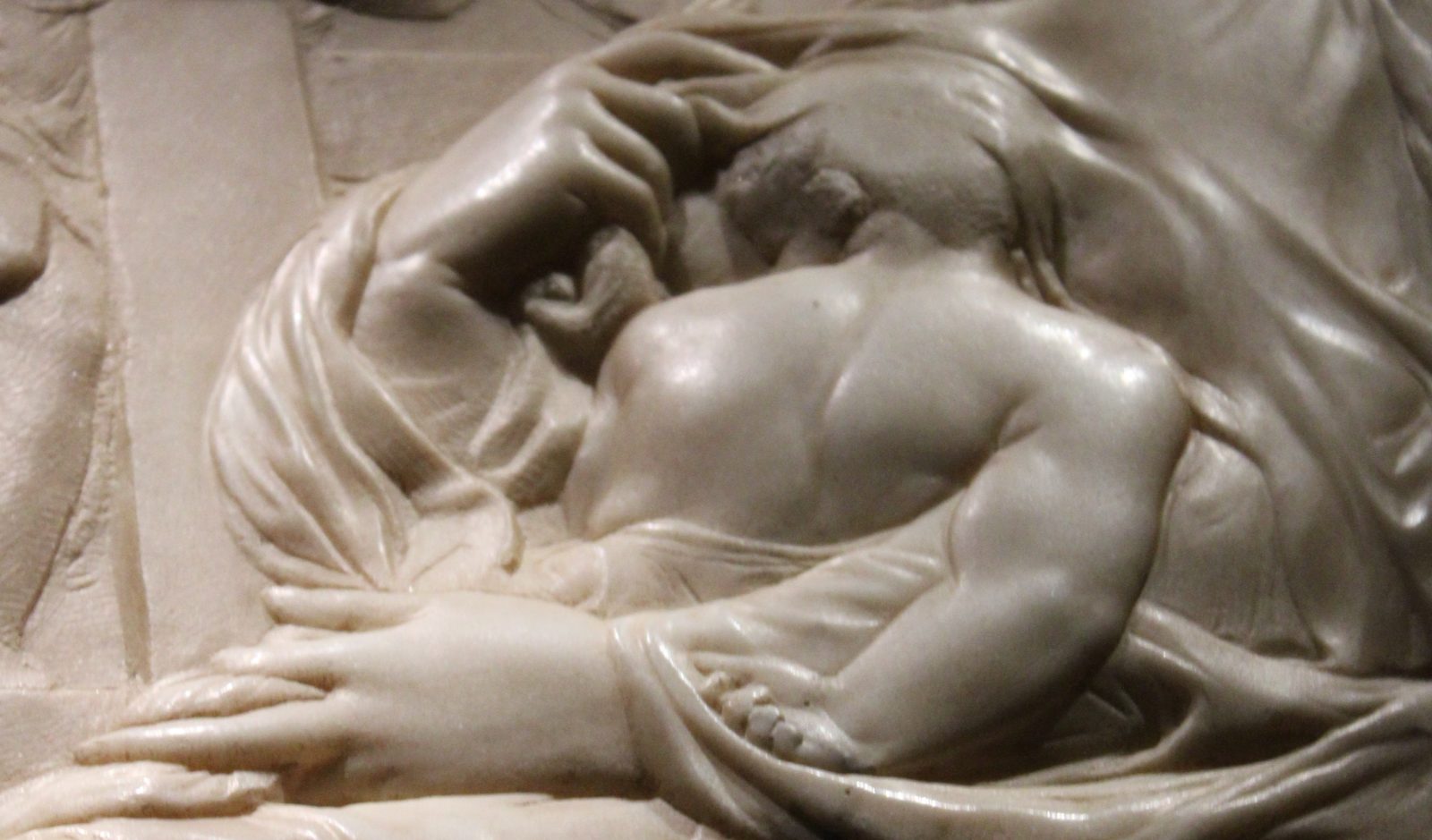
La mia spiritualità come chiave di lettura delle opere
La mia spiritualità à la chiave di lettura di molte opere che realizzai, soprattutto nella seconda fase della vita che ha inizio con la realizzazione del Giudizio Universale.
Mi ero avvicinato con ardore alla corrente degli spirituali, una corrente riformatrice in seno alla curia romana, molto attiva in tutti gli anni Quaranta dei Cinquecento.
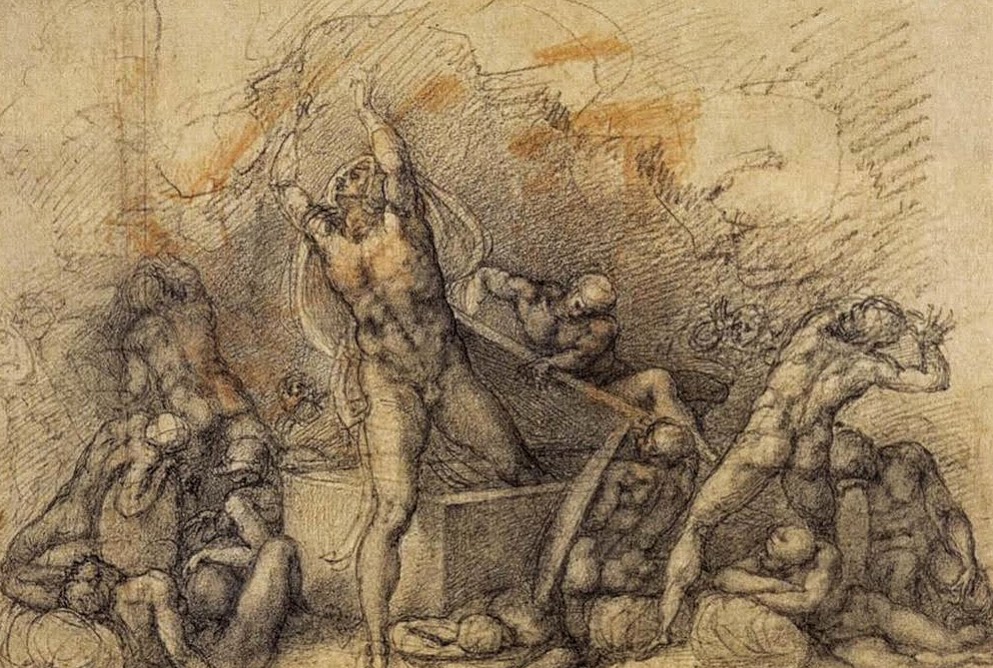
A seguire vi riporto una puntuale analisi di Charles de Tolnay che riguarda da vicino la mia spiritualità.
“Durante la giovinezza e l’età matura, Michelangelo non si chiedeva se fosse degno della salvazione, e pare che non avesse una chiara coscienza del peccato. Questo mutamento di prospettiva sembra che sia in rapporto con l’età e con l’amicizia nutrita di profonda ammirazione per la marchesa di Pescara, Vittoria Colonna, ch’egli dovette conoscere nel 1536 o 38 e con la quale s’intratteneva in animate discussioni intorno ad argomenti religiosi.
Non è improbabile che sia stata Vittoria Colonna a svegliare in Michelangelo la coscienza del peccato e a suscitare in lui le preoccupazioni sulla Salvazione dell’Anima. Vittoria Colonna conobbe, probabilmente per mezzo di Juan de Valdés, la dottrina della giustificazione per la sola fede, e può ben darsi che sia stata lei a farla conoscere a Michelangelo, il quale ne rimase profondamente colpito.
In parecchie delle sue tarde poesie è probabile rintracciare allusioni ad una tale dottrina. Questo non vuol dire però, che l’artista avesse rinunciato alle opere bune giacché, per tutta la vita, egli aiutò sempre i bisognosi con doni ed elemosine. Ed era anche sua abitudine mandare denaro a suo padre o al suo fratello prediletto Buonarroti e Firenze perché facessero dire delle messe per l’anima sua”
Per il momento il vostro Michelangelo Buonarroti vi saluta dandovi appuntamento ai prossimi post e sui social.
My spirituality as a key to reading the works
My spirituality is the key to reading many of the works I made, especially in the second phase of my life that begins with the realization of the Last Judgment.
I had eagerly approached the current of the spirituals, a reforming current within the Roman curia, very active throughout the forties of the sixteenth century.
Below I report a precise analysis by Charles de Tolnay which closely concerns my spirituality.
“During his youth and mature age, Michelangelo did not ask himself if he was worthy of salvation, and it seems that he did not have a clear awareness of sin. This change of perspective seems to be related to age and to the friendship nurtured by deep admiration for the Marquise of Pescara, Vittoria Colonna, whom he must have known in 1536 or 38 and with whom he had entertained in animated discussions. around religious topics.
It is not unlikely that it was Vittoria Colonna who awakened the conscience of sin in Michelangelo and aroused in him concerns about the Salvation of the Soul. Vittoria Colonna learned, probably through Juan de Valdés, the doctrine of justification by faith alone, and it may well be that she was the one who introduced it to Michelangelo, who was deeply impressed by it.
In several of her late poems it is probable to trace allusions to such a doctrine. This does not mean, however, that the artist had given up on good works since, throughout his life, he always helped the needy with gifts and alms. And it was also his habit to send money to his father or his favorite brother Buonarroti and Florence to have masses said for his soul “
For the moment, your Michelangelo Buonarroti greets you by giving you an appointment at the next posts and on social networks.

Sostienici – Support Us
Se questo blog ti piace e ti appassiona, puoi aiutarci a farlo crescere sempre più sostenendoci in modo concreto condividendo i post, seguendo le pagine social e con un contributo che ci aiuta ad andare avanti con il nostro lavoro di divulgazione. . ENGLISH: If you like and are passionate about this blog, you can help us make it grow more and more by supporting us in a concrete way by sharing posts, following social pages and with a contribution that helps us to move forward with our dissemination work.
5,00 €
-
Festival La Versiliana 2026: tra musica, teatro e grandi narrazioni
Dal 17 luglio al 23 agosto 2026, la pineta di Marina di Pietrasanta ospiterà la 47ª edizione del Festival La Versiliana. Una kermesse aperta a tutti nella quale linguaggi diversi dialogano tra loro in un equilibrio tra tradizione e contemporaneità.
-
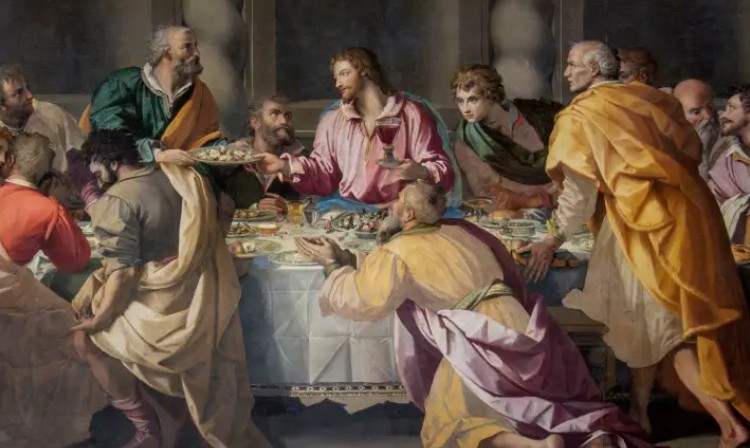
Giovedì Santo: l’Ultima Cena di Allori che pochi conoscono a Firenze
🇮🇹Nel cuore di Museo di Santa Maria Novella, a Firenze, si conserva una delle interpretazioni più affascinanti e meno note dell’Ultima Cena: quella realizzata da Alessandro Allori nel 1584… 🇬🇧In the heart of the Santa Maria Novella Museum in Florence, one of the most fascinating and least-known interpretations of the Last Supper is preserved: the…
-
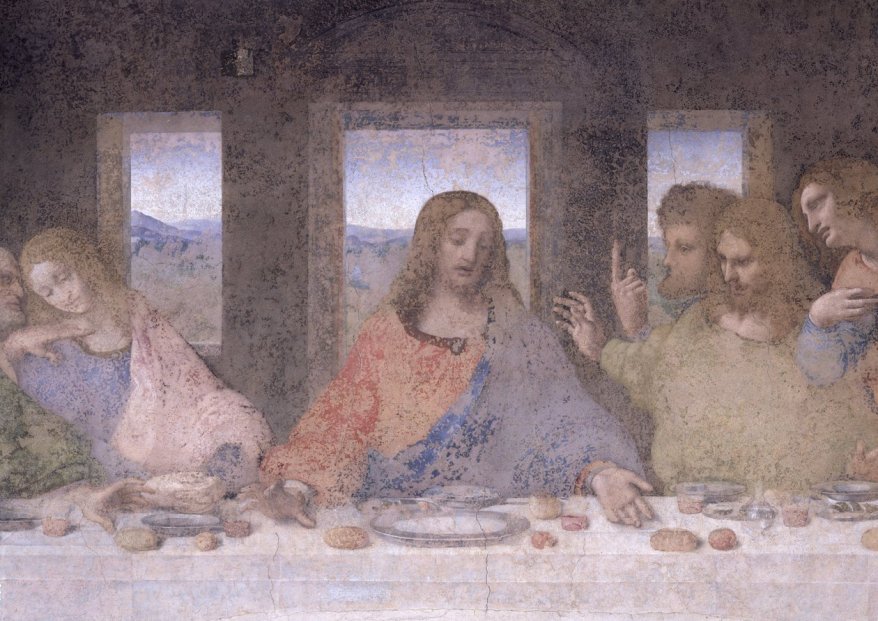
Cenacolo di Leonardo: i dettagli che raccontano il tradimento
🇮🇹Nel Cenacolo di Leonardo da Vinci, custodito a Santa Maria delle Grazie, Cristo annuncia il tradimento e il tempo si ferma… 🇬🇧In Leonardo da Vinci’s Last Supper, housed in Santa Maria delle Grazie, Christ announces the betrayal and time stands still…
Condividi:


Questo sono io





sostienici

Sostienici – Support Us
Se questo blog ti piace e ti appassiona, puoi aiutarci a farlo crescere sempre più sostenendoci in modo concreto condividendo i post, seguendo le pagine social e con un contributo che ci aiuta ad andare avanti con il nostro lavoro di divulgazione. . ENGLISH: If you like and are passionate about this blog, you can help us make it grow more and more by supporting us in a concrete way by sharing posts, following social pages and with a contribution that helps us to move forward with our dissemination work.
€10,00


