
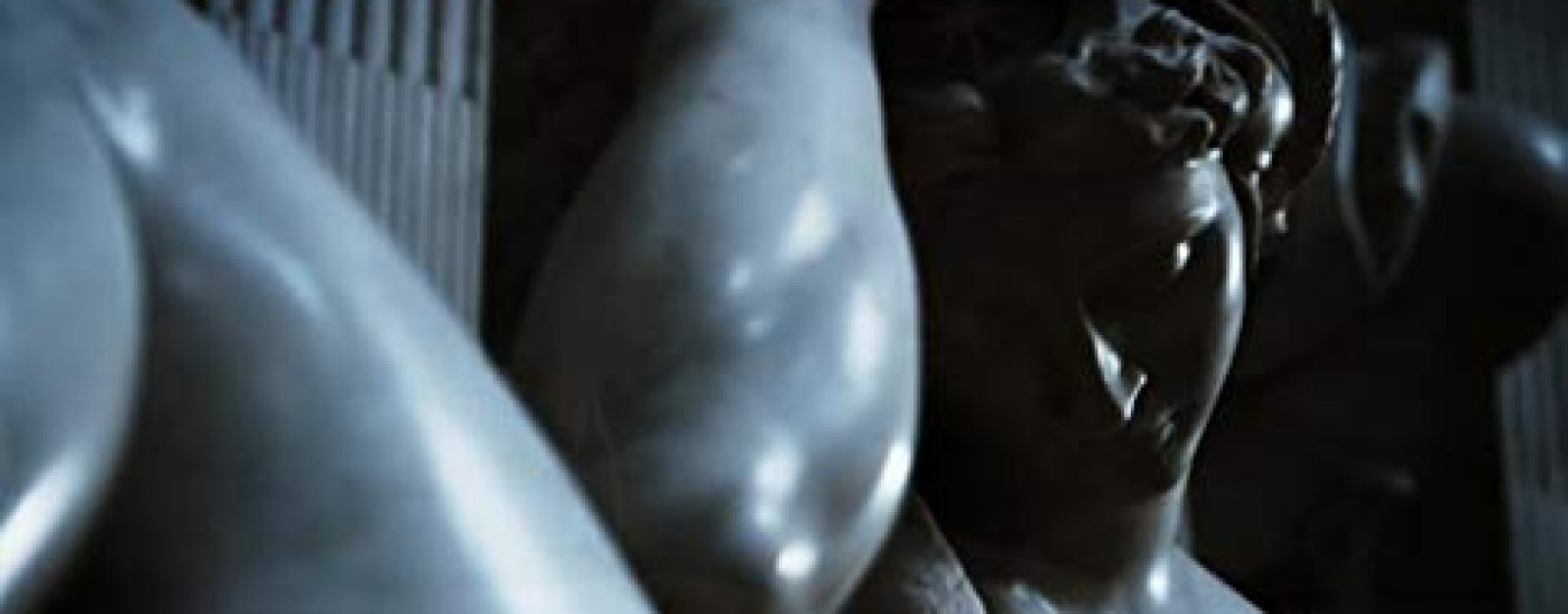
31 ottobre 1737: il Patto di Famiglia dell’Elettrice Palatina
Il 31 ottobre del 1737 è una data cruciale per il destino dei capolavori fiorentini. In quel giorno venne siglato il Patto di Famiglia dall’Elettrice Palatina, l’ultima discendente della casata dei Medici.
Con quel documento fu stabilito che tutto il patrimonio culturale e le importanti collezioni fino ad allora appartenute alla famiglia Medici, fossero vincolate per sempre alla città di Firenze. Senza quel contratto, negli anni a seguire l’importante eredità sarebbe stata venduta e impoverita dei capolavori più significativi e non solo.
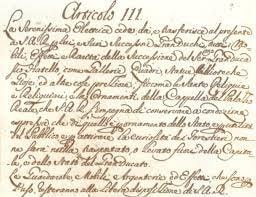
“…o levare fuori della Capitale e dello Stato del Granducato, Gallerie, Quadri, Statue, Biblioteche, Gioje ed altre cose preziose, della successione del Serenissimo GranDuca, affinché esse rimanessero per ornamento dello Stato, per utilità del Pubblico e per attirare la curiosità dei Forestieri”
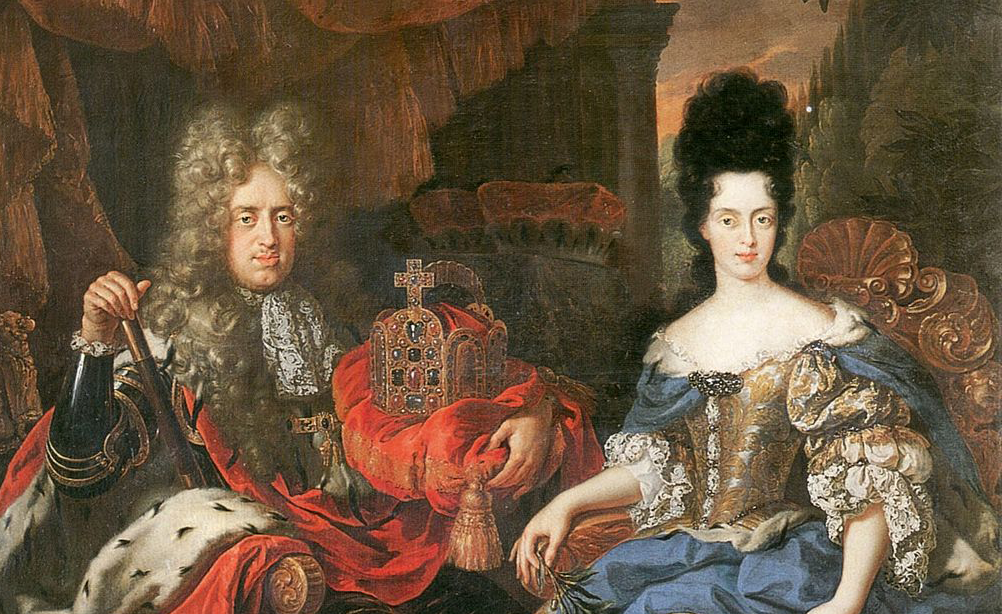
Elettrice Palatina

Maria Luisa de’ Medici era figlia del Granduca Cosimo III e della principessa Margherita Luisa d’Orleans.
Il padre si fece in quattro per far riconoscere l’unica figlia come propria erede per tramandare il cognome ma non ci fu verso: gli altri stati europei non ne vollero sapere. Anna Maria Luisa de’ Medici sposò nel 1690 Giovanni Carlo Guglielmo I, principe elettore del Palatinato. Dopo la morte del consorte ritornò nella sua amata Firenze e volle fare alla sua città il dono più grande: nel suo testamento scrisse che l’immensa collezione artistica della famiglia dopo la sua morte sarebbe appartenuta al Granducato di Toscana.

Fino a quel momento, era prassi che le opere più importanti venissero acquisite dal nuovo casato reggente le sorti della città. Potevano essere vendute o trasportate altrove per decorare palazzi privati e regge. Non di rado venivano adoperate come preziosa merce di scambio e di loro, nella città che le aveva viste nascere, non ne rimaneva che il vago ricordo di chi aveva la fortuna di averle viste. Con il Patto di Famiglia, le opere appartenute ai Medici sarebbero divenute proprietà della regione con un vincolo: dovevano per sempre rimanere nella città di Firenze e nello Stato di Toscana.
Quell’intuizione geniale dell’Elettrice Palatina Anna Maria Luisa de’ Medici messa nero su bianco in accordo con Francesco Stefano di Lorena da pochissimo nominato Granduca di Toscana è stato la fortuna di Firenze.
Pensate che da grande appassionate d’arte qual era, dopo la morte del fratello le fu offerta la reggenza del Granducato ma non accettò: voleva dedicare tutto il suo tempo al riordino delle collezioni medicee.

Grazie a lei, “Principessa di gran saviezza”, i tesori artistici della famiglia ancora oggi sono a Firenze e possono essere ammirati da tutti. Sculture, dipinti, arazzi ma anche preziose porcellane e medaglie ogni anno invogliano migliaia di turisti a recarsi in città, affrontando anche code molto lunghe pur di ammirare il patrimonio artistico di Firenze.
“ Lasciate che i Medici riposino in pace nelle loro tombe di marmo o di porfido, perché han fatto più di qualsiasi re o imperatore, per la gloria del mondo”.
Dumas
I libri
Per approfondire la storia di Anna Maria Luisa, ultima discendente della casata Medici, vi propongo due interessanti libri.
Il testamento di Anna Maria Luisa de’ Medici. Lo trovate QUA.

Anna Maria Luisa de’ Medici. Elettrice Palatina. Atti delle celebrazioni. Lo trovate QUA.

Per il sempre vostro Michelangelo Buonarroti vi saluta dandovi appuntamento ai prossimi post e sui social
October 31, 1737: the Family Pact of the Palatine Electress
October 31, 1737 is a crucial date for the fate of Florentine masterpieces. On that day the Family Pact was signed by the Electress Palatina, the last descendant of the Medici family.
With that document it was established that all the cultural heritage and important collections that had previously belonged to the Medici family were forever linked to the city of Florence.
Without that contract, in the following years the important legacy would have been sold and impoverished by the most significant masterpieces and more.
Maria Luisa de ‘Medici was the daughter of Grand Duke Cosimo III and Princess Margherita Luisa d’Orleans.
Her father went out of his way to have her only daughter recognized as his heir to pass on her surname but there was no way for her: the other European states did not want to know. Anna Maria Luisa de ‘Medici married Giovanni Carlo William I, prince elector of the Palatinate in 1690. After the death of her consort she returned to her beloved Florence and wanted to make her city the greatest gift of her: in her will she wrote that the immense artistic collection of the family after her death would belong to the Grand Duchy of Tuscany. .
Until that time, it was common practice for the most important works to be acquired by the new family ruling the fate of the city. They could be sold or transported elsewhere to decorate private palaces and palaces. Not infrequently they were used as a precious bargaining chip and of them, in the city that had seen them born, only the vague memory of those who had the good fortune to have seen them remained. With the Family Pact, the works that belonged to the Medici would become the property of the region with a constraint: they had to remain forever in the city of Florence and in the State of Tuscany.
That brilliant intuition of the Palatine Electress Anna Maria Luisa de ‘Medici, put in black and white in agreement with Francesco Stefano di Lorena, recently appointed Grand Duke of Tuscany, was the fortune of Florence.
Just think that as a great lover of art as she was, after the death of her brother she was offered the regency of the Grand Duchy but she did not accept her: she wanted to devote all her time to reorganizing the Medici collections.
Thanks to her, “Princess of great wisdom”, the artistic treasures of the family are still in Florence today and can be admired by everyone. Sculptures, paintings, tapestries but also precious porcelains and medals every year entice thousands of tourists to go to the city, even facing very long queues to admire the artistic heritage of Florence.
“Let the Medici rest in peace in their marble or porphyry tombs, because they have done more than any king or emperor, for the glory of the world”. Dumas
Forever yours Michelangelo Buonarroti greets you by giving you an appointment at the next posts and on social networks

Sostienici – Support Us
Se questo blog ti piace e ti appassiona, puoi aiutarci a farlo crescere sempre più sostenendoci in modo concreto condividendo i post, seguendo le pagine social e con un contributo che ci aiuta ad andare avanti con il nostro lavoro di divulgazione. . ENGLISH: If you like and are passionate about this blog, you can help us make it grow more and more by supporting us in a concrete way by sharing posts, following social pages and with a contribution that helps us to move forward with our dissemination work.
5,00 €
ULTIMI ARTICOLI
La Lavanda dei Piedi di Tintoretto: Il Capolavoro Veneziano al Prado
🇮🇹Tra i capolavori più affascinanti del Rinascimento veneziano, “La Lavanda dei Piedi” di Jacopo Tintoretto rappresenta un perfetto equilibrio tra spiritualità, innovazione compositiva e straordinaria forza narrativa… 🇬🇧Among the most fascinating masterpieces of the Venetian Renaissance, Jacopo Tintoretto’s “The Washing of the Feet” represents a perfect balance between spirituality, compositional innovation, and extraordinary narrative force…
Il Sacrificio di Isacco e quel momento tra la vita e la morte
🇮🇹Oggi voglio raccontarvi alcuni dettagli sul mio disegno del Sacrificio di Isacco, conservato oggi a Casa Buonarroti. Su quel foglio volli tracciare il momento preciso in cui la paura fa spazio al miracolo… 🇬🇧Today I want to tell you some details about my drawing of the Sacrifice of Isaac, now preserved at Casa Buonarroti. On…
Mercoledì Santo: il giorno del tradimento di Giuda affrescato da Giotto
🇮🇹Il Mercoledì Santo è il giorno del silenzio, della riflessione e del tradimento. È il momento in cui Giuda sceglie di vendere Gesù per trenta denari, segnando uno dei passaggi più dolorosi della Settimana Santa…. 🇬🇧Holy Wednesday is a day of silence, reflection, and betrayal. ✝It is the moment when Judas chooses to sell Jesus…
31 marzo 1889: inaugurata la Torre Eiffel tra critiche feroci e un destino inaspettato
🇮🇹Il 31 marzo 1889 segna una data destinata a cambiare per sempre il volto di Parigi e dell’immaginario collettivo globale: viene inaugurata la Torre Eiffel, l’opera più audace e discussa del suo tempo… 🇬🇧March 31, 1889 marks a date destined to change the face of Paris and the global collective imagination forever: the Eiffel Tower,…
Si è verificato un problema. Aggiorna la pagina e/o riprova in seguito.
Condividi:


Questo sono io





sostienici

Sostienici – Support Us
Se questo blog ti piace e ti appassiona, puoi aiutarci a farlo crescere sempre più sostenendoci in modo concreto condividendo i post, seguendo le pagine social e con un contributo che ci aiuta ad andare avanti con il nostro lavoro di divulgazione. . ENGLISH: If you like and are passionate about this blog, you can help us make it grow more and more by supporting us in a concrete way by sharing posts, following social pages and with a contribution that helps us to move forward with our dissemination work.
€10,00


1 commento »