
14 luglio 1902: il crollo del campanile di San Marco
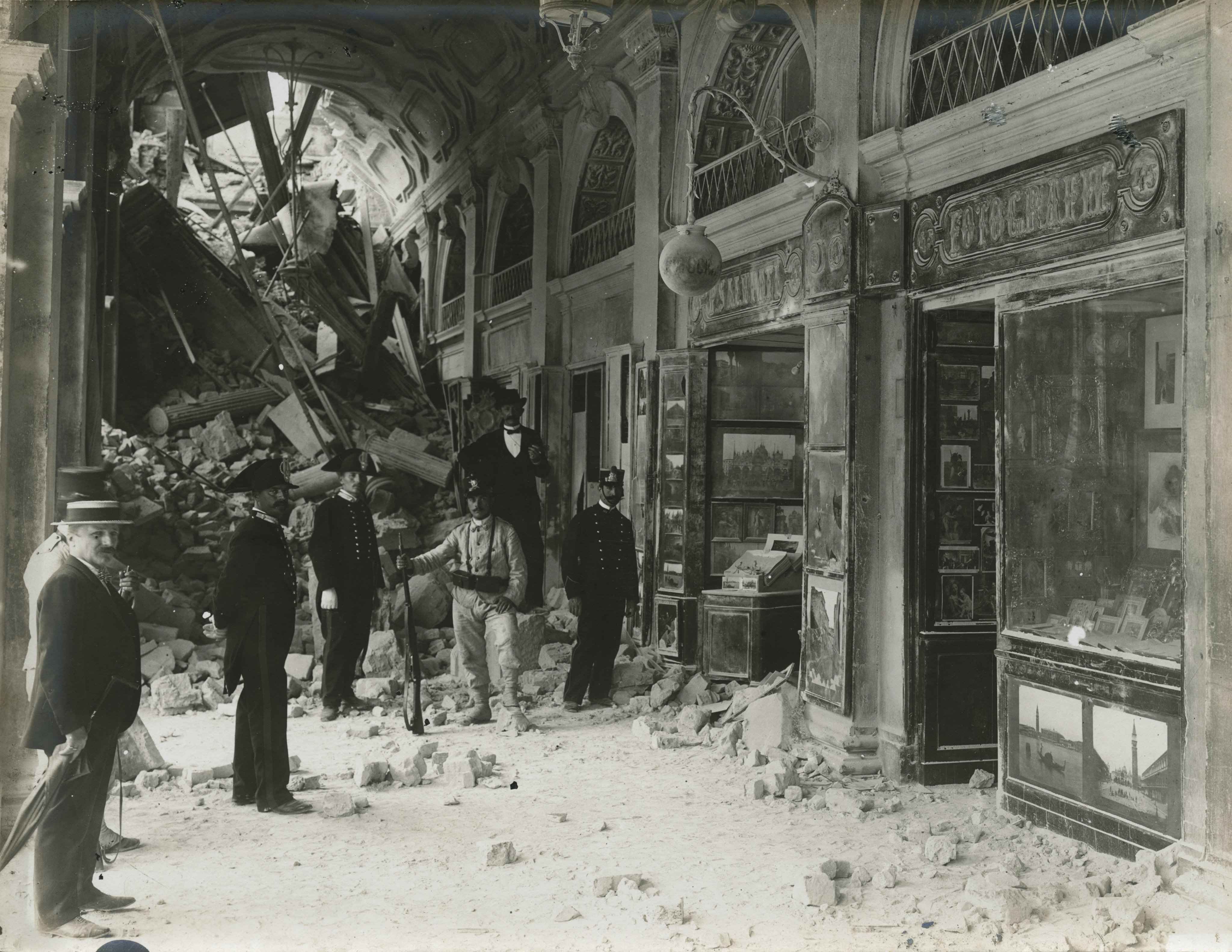
Era la mattina del 14 luglio del 1902 quando il campanile di San Marco crollò fragorosamente divenendo in pochi secondi un cumulo di macerie alto venti metri.
Su Piazza San Marco pareva calata la nebbia: il polverone coprì ogni cosa e i passanti sentirono la terra tremare sotto i pedi. Stando a quanto riportato da alcune cronache, alcune sostengono che il crollo avvenne alle 9,47 mentre altre affermano che il campanile sia crollato alle 9,52.
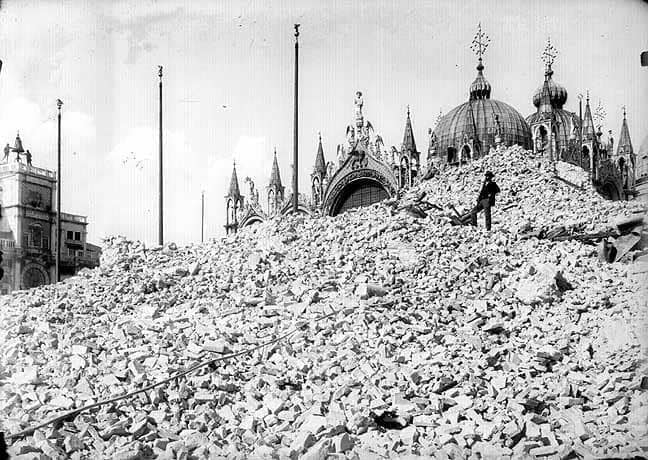
Poco cambia alla fine dei conti: era rimasto in piedi nonostante un forte terremoto e l’attacco dei fulmini ma fu l’azzardo degli uomini a raderlo al suolo.
Pochi anni prima di quel clamoroso crollo, erano stati eseguiti dei lavori assai discutibili alla base dell’edificio che, poco a poco, avevano minato la stabilità del campanile in modo irreversibile.

Sopra la porta principale s’era aperta una brutta crepa che arrivava quasi in cima al campanile.
Poche ore prima del disastro le cose erano peggiorate in modo drammatico e sia la Piazza che le botteghe al di sotto le Procuratie Nuove erano state sgomberate.
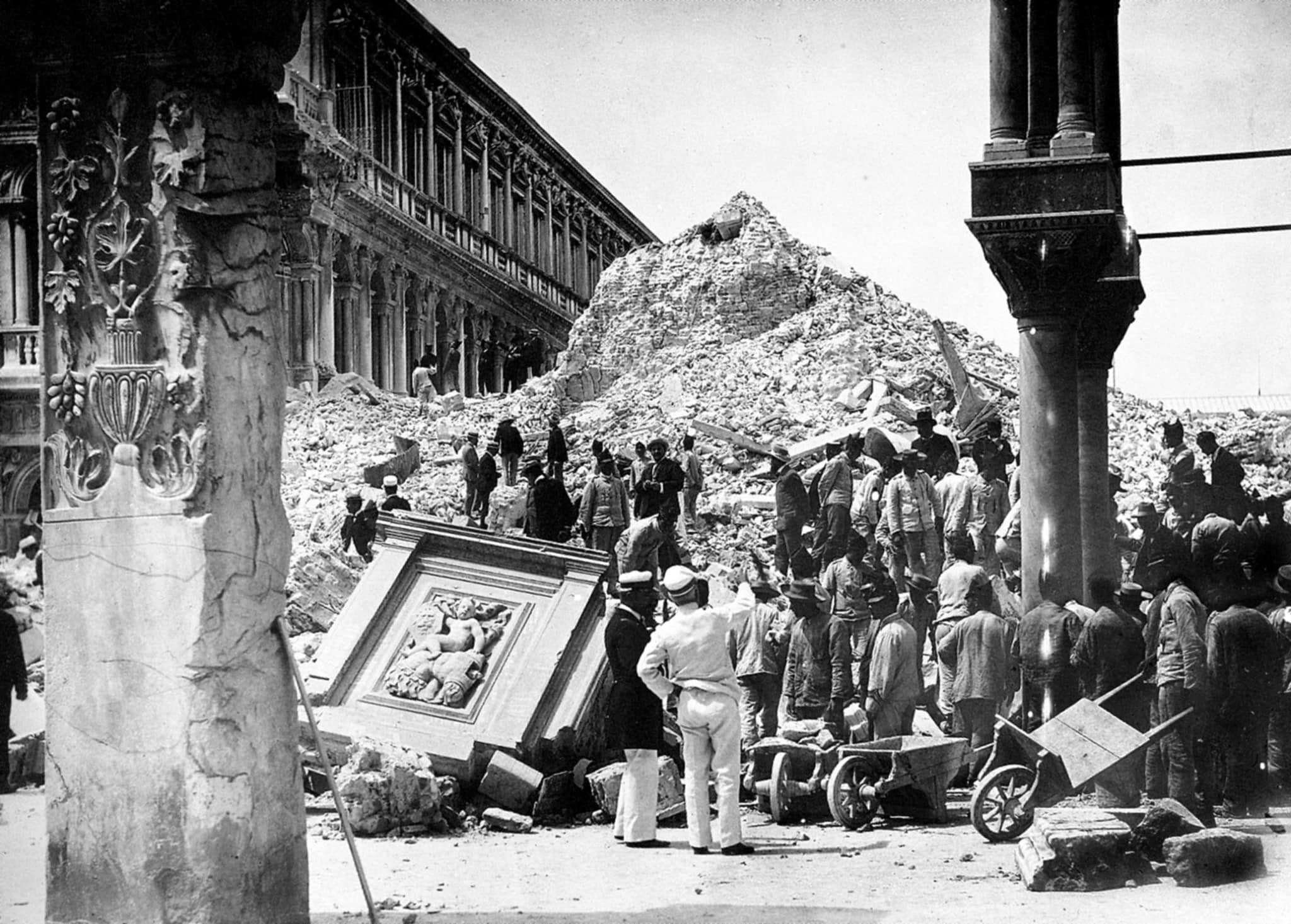
Il crollo grazie al cielo non causò né feriti né morti anche se si narra che l’unico a rimetterci le penne fu il povero gatto del custode.
La sera dopo il disastro fu subito annunciata dal consiglio comunale la ricostruzione del Campanile di San Marco.
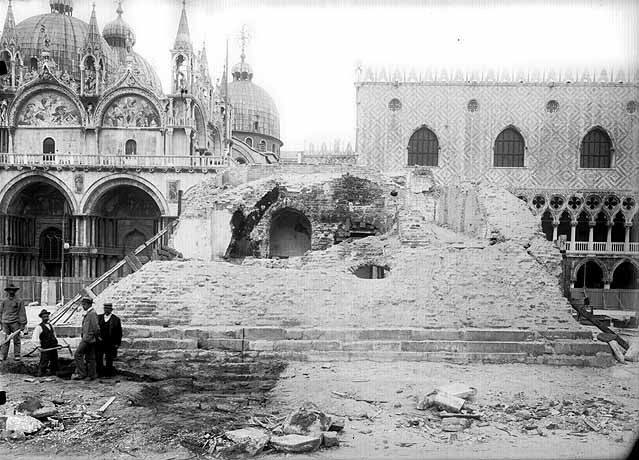
La Loggetta del Sansovino che decorava la base fu ricostruita adoperando i materiali recuperati dell’originale anche se per forza di cose le integrazioni furono molte.
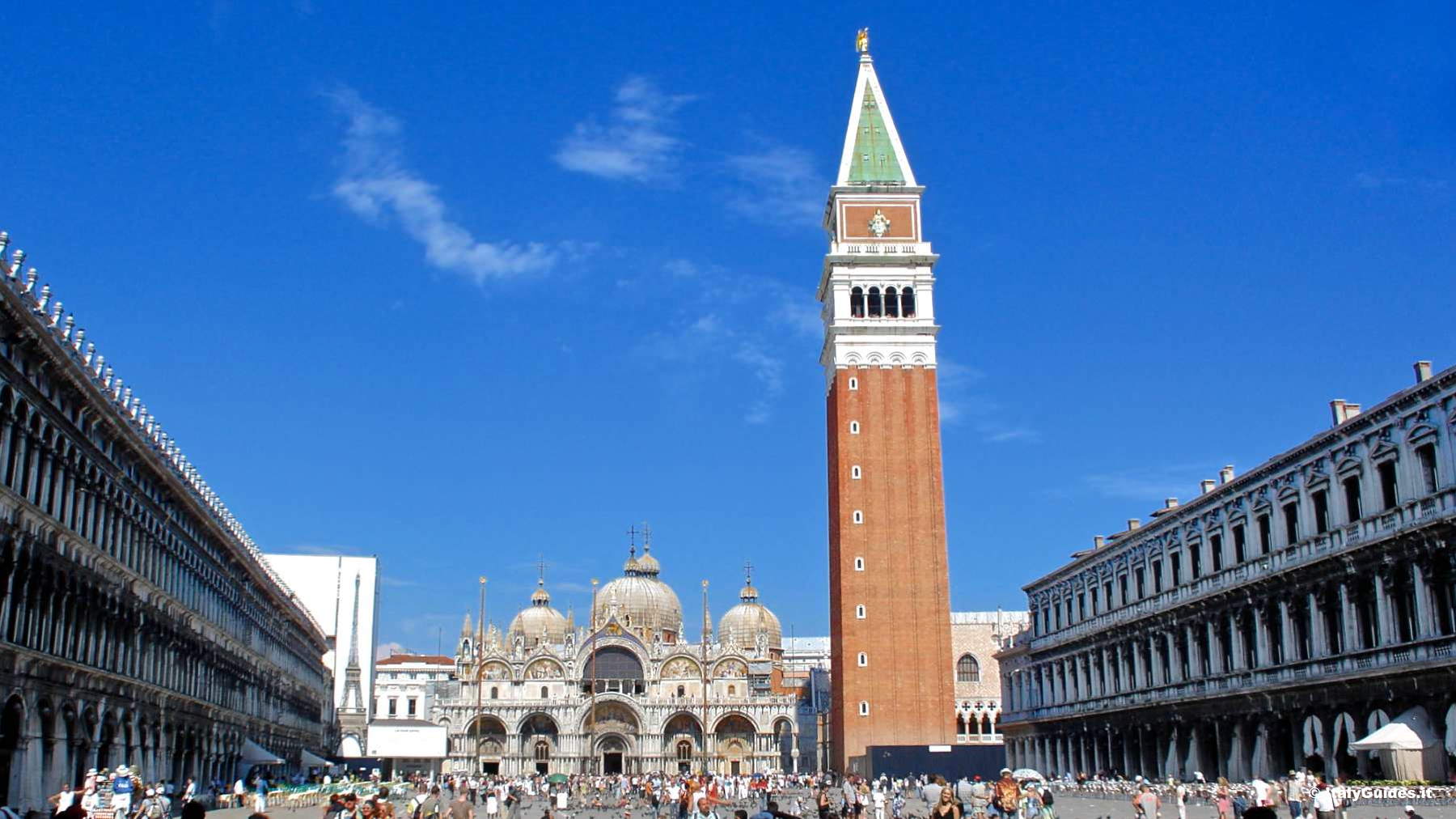
I lavori di ricostruzione furono condotti su progetto di Luca Beltrami e proseguirono fono al 6 marzo del 1912. Poco più di un mese dopo, il 25 aprile del 1912, il nuovo campanile di San Marco fu inaugurato in pompa magna ed è quello che vediamo oggi svettare sulla piazza.
Per il momento il vostro Michelangelo Buonarroti vi saluta dandovi appuntamento ai prossimi post e sui social.

July 14, 1902: the collapse of the bell tower of San Marco
It was the morning of July 14, 1902 when the bell tower of San Marco collapsed loudly, becoming in a few seconds a heap of rubble twenty meters high.
The fog seemed to have fallen over Piazza San Marco: the dust covered everything and passers-by felt the earth tremble under their feet. According to what is reported by some chronicles, some argue that the collapse occurred at 9.47 while others claim that the bell tower collapsed at 9.52.
Little changes at the end of the day: he had remained standing despite a strong earthquake and the attack of lightning but it was the risk of men who razed him to the ground.
A few years before that sensational collapse, highly questionable works had been carried out at the base of the building which, little by little, had irreversibly undermined the stability of the bell tower.
Above the main door there was an ugly crack that reached almost to the top of the bell tower. A few hours before the disaster, things had worsened dramatically and both the Piazza and the shops below the Procuratie Nuove had been cleared.
The collapse thankfully caused neither injuries nor deaths even though it is said that the only one to lose out was the keeper’s cat. The evening after the disaster, the reconstruction of the bell tower of San Marco was immediately announced by the city council.
The Loggetta del Sansovino that decorated the base was rebuilt using the recovered materials of the original, although inevitably there were many additions.
The reconstruction works were carried out on a project by Luca Beltrami and continued until March 6, 1912. A little more than a month later, on April 25, 1912, the new bell tower of San Marco was inaugurated with great fanfare and is what we see today soar over the square.
For the moment, your Michelangelo Buonarroti greets you by giving you an appointment at the next posts and on social networks.

Sostienici – Support Us
Se questo blog ti piace e ti appassiona, puoi aiutarci a farlo crescere sempre più sostenendoci in modo concreto condividendo i post, seguendo le pagine social e con un contributo che ci aiuta ad andare avanti con il nostro lavoro di divulgazione. . ENGLISH: If you like and are passionate about this blog, you can help us make it grow more and more by supporting us in a concrete way by sharing posts, following social pages and with a contribution that helps us to move forward with our dissemination work.
10,00 €
ULTIMI ARTICOLI
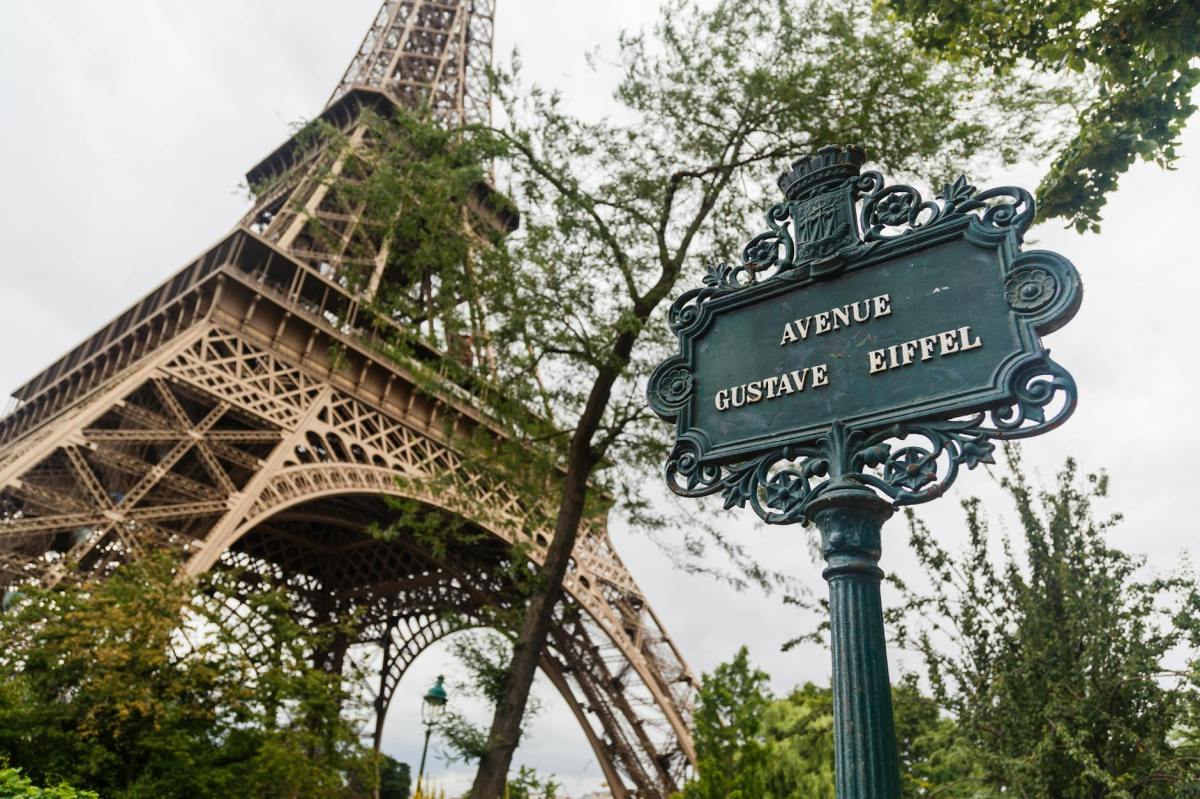
31 marzo 1889: inaugurata la Torre Eiffel tra critiche feroci e un destino inaspettato
🇮🇹Il 31 marzo 1889 segna una data destinata a cambiare per sempre il volto di Parigi e dell’immaginario collettivo globale: viene inaugurata la Torre Eiffel, l’opera più audace e discussa del suo tempo… 🇬🇧March 31, 1889 marks a date destined to change the face of Paris and the global collective imagination forever: the Eiffel Tower,…
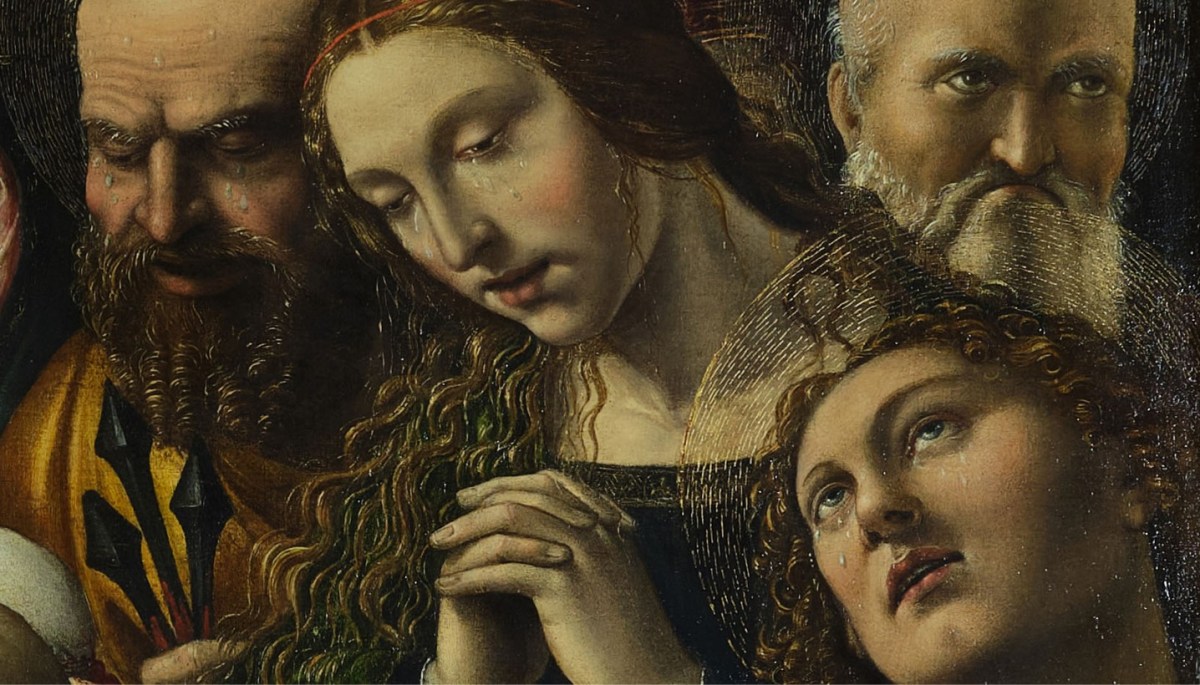
Sodoma in mostra a Torino: il Rinascimento al Museo Accorsi-Ometto
🇮🇹Al Museo di Arti Decorative Accorsi-Ometto arriva una mostra dedicata al Sodoma: oltre 50 opere, alcune mai viste prima, raccontano la formazione dell’artista e il suo dialogo con maestri come Pinturicchio… 🇬🇧An exhibition dedicated to Sodoma arrives at the Accorsi-Ometto Museum of Decorative Arts: over 50 works, some never before seen, recount the artist’s development…
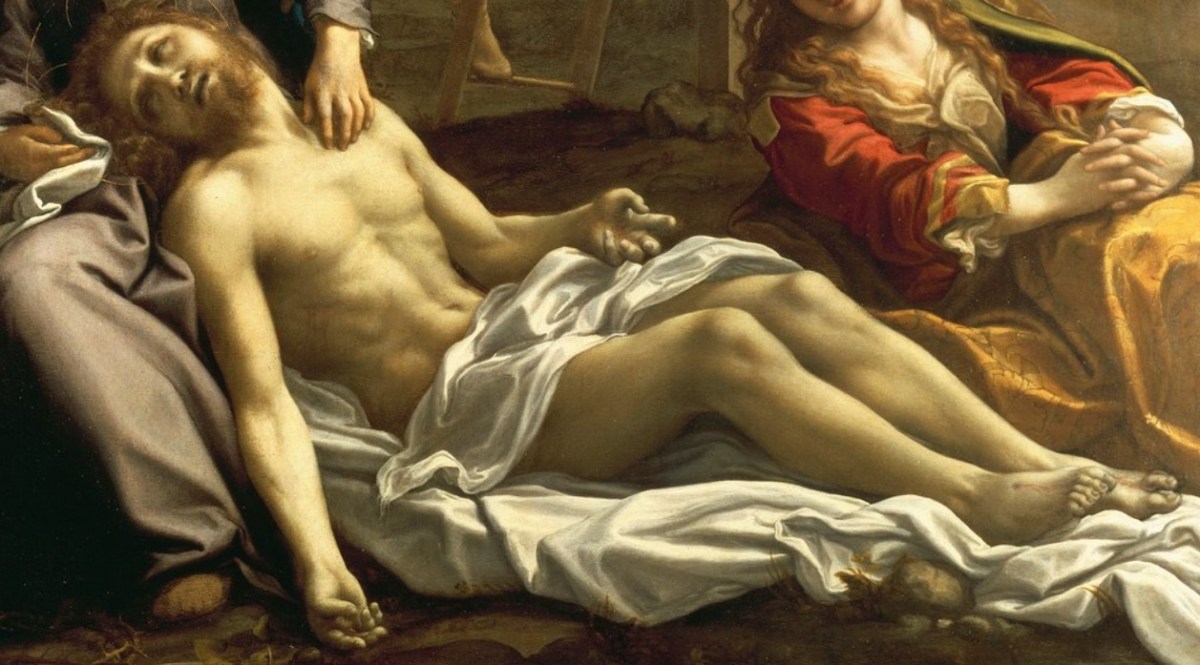
Il Compianto sul Cristo morto di Correggio: pathos e devozione
🇮🇹Con l’inizio della Settimana Santa, vi propongo il Compianto sul Cristo morto di Antonio Allegri, più noto come il Correggio: uno dei vertici assoluti della pittura emiliana del Cinquecento… 🇬🇧With the beginning of Holy Week, I propose the Lamentation over the Dead Christ by Antonio Allegri, better known as Correggio: one of the absolute peaks…
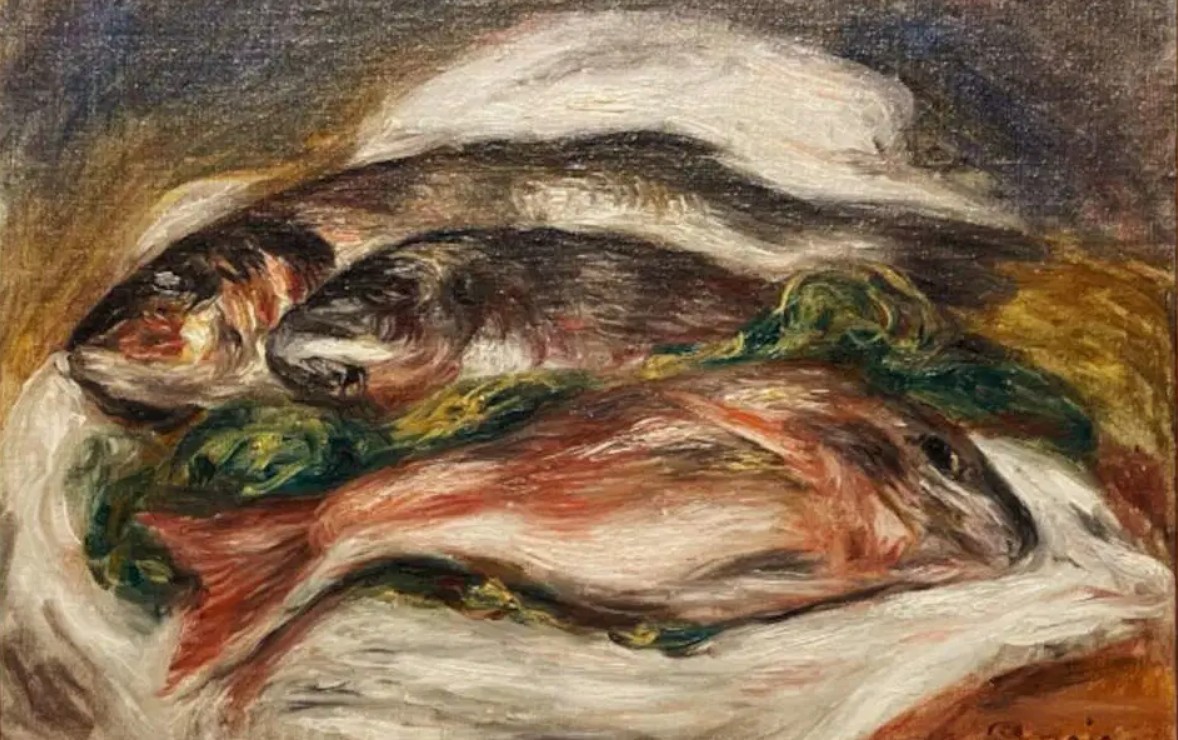
Furto milionario alla Magnani Rocca: rubati Renoir, Cézanne e Matisse
🇮🇹‼Tre capolavori storici spariti in meno di tre minuti: Les Poissons di Renoir, Tasse et plat de cerises di Cézanne e Odalisque sur la terrasse di Matisse sono stati rubati nella dalla Fondazione Magnani Rocca a Mamiano di Traversetolo, nel Parmense… 🇬🇧‼Three historic masterpieces disappeared in less than three minutes: Renoir’s Les Poissons, Cézanne’s Tasse…
Si è verificato un problema. Aggiorna la pagina e/o riprova in seguito.
Condividi:


Questo sono io





sostienici

Sostienici – Support Us
Se questo blog ti piace e ti appassiona, puoi aiutarci a farlo crescere sempre più sostenendoci in modo concreto condividendo i post, seguendo le pagine social e con un contributo che ci aiuta ad andare avanti con il nostro lavoro di divulgazione. . ENGLISH: If you like and are passionate about this blog, you can help us make it grow more and more by supporting us in a concrete way by sharing posts, following social pages and with a contribution that helps us to move forward with our dissemination work.
€10,00


1 commento »