

Il Laboratorio di Restauro Arazzi e Tessuti dei Musei Vaticani
Il Laboratorio di Restauro degli Arazzi e dei Tessuti è il secondo laboratorio che è stato creato all’interno dei Musei Vaticani e si occupa della manutenzione, della cura e del restauro di tutti i manufatti di tipo tessile custoditi nei Musei del Papa.
Oltre ai grandi arazzi infatti il laboratorio si fa carico della manutenzione dei preziosi paliotti, di abiti liturgici, ricami delicati e troni papali rivestiti di preziosi tessuti.
La Fabbrica Pontificia degli Arazzi fu fondata nel 1915 da papa Benedetto XV e quindici anni dopo, il successore papa Pio XI, affidò alle suore Francescane Missionarie di Maria il compito di occuparsi della conservazione degli arazzi e dei tappeti che prima spettava invece all’Arazzeria Romana di San Michele.
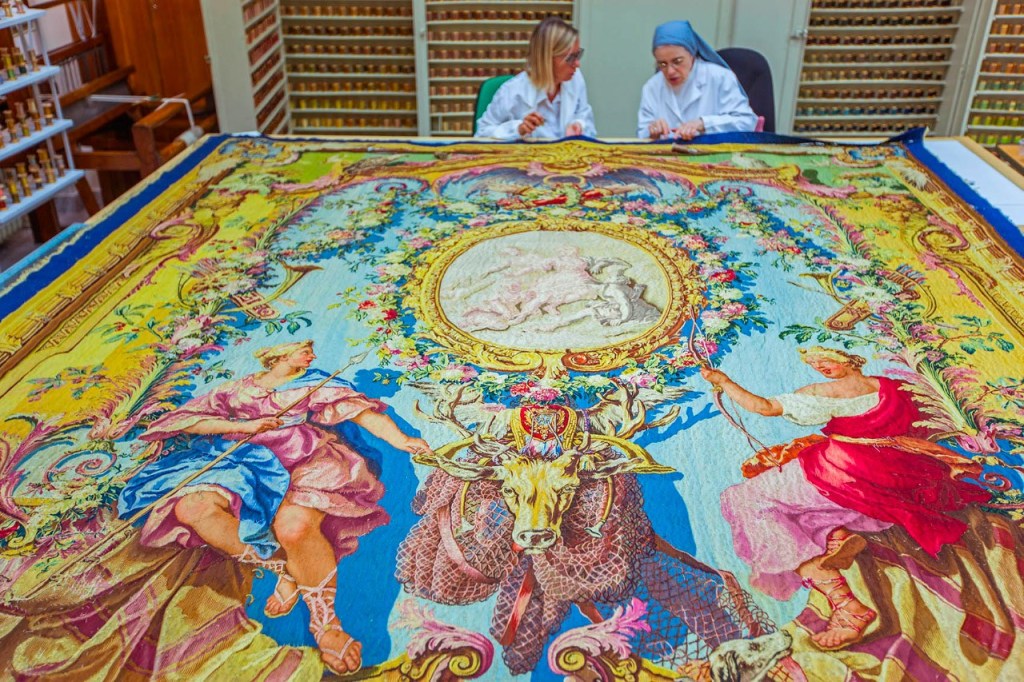
Ancora oggi all’interno del laboratorio lavorano suore che appartengono alla medesima congregazione. Pensate che all’inizio questo laboratorio veniva chiamato proprio il laboratorio delle suore, note per essere abili ricamatrici e pazienti restauratrici in questo specifico settore.
Oggi nel laboratorio lavorano tre suore, affiancate da quattro restauratrici e dalla coordinatrice Chiara Pavan. Ogni giorno si occupano di restauro e manutenzione ordinaria e monitorano i manufatti sia prima che durante e dopo le fasi di movimentazione in occasione di mostre.
All’interni del Laboratorio di Restauro Arazzi e Tessuti dei Musei Vaticani oggi c’è una grande vasca di lavaggio per effettuare le puliture dei tessuti con tensioattivi e macchine che servono per la tintura dei filati per riprodurre fedelmente le stesse cromie dei filati adoperati per realizzare i manufatti.

Come potete immaginarvi, restaurare tessuti e arazzi è un compito delicatissimo, lungo e che richiede una pazienza certosina oltre a una notevole esperienza. Per darvi un’idea dei tempi necessari per effettuare un restauro, vi basti pensare che per un arazzo di media grandezza, occorrono più o meno quattro anni di lavoro e in una giornata si può effettuare il restauro di dieci centimetri quadrati di tessuto.
Attualmente i laboratori sono impegnati con il restauro degli arazzi della scuola vecchia di Raffaello (1515-1519) che è cominciato alla fine degli anni Ottanta.
Il sempre vostro Michelangelo Buonarroti e i suoi racconti
The Tapestry and Textile Restoration Laboratory of the Vatican Museums
The Tapestry and Textile Restoration Laboratory is the second laboratory that was created within the Vatican Museums and deals with the maintenance, care and restoration of all the textile artefacts kept in the Pope’s Museums.
In addition to the large tapestries, the workshop takes care of the maintenance of the precious frontals, liturgical dresses, delicate embroideries and papal thrones covered with precious fabrics.
The Papal Tapestry Factory was founded in 1915 by Pope Benedict XV and fifteen years later, the successor Pope Pius XI, entrusted to the Franciscan Missionary Sisters of Mary the task of taking care of the conservation of the tapestries and carpets that previously belonged to the Roman Tapestry. of San Michele.
Even today, nuns who belong to the same congregation work inside the laboratory. Just think that at the beginning this workshop was called the workshop of the nuns, known for being skilled embroiderers and patient restorers in this specific sector.
Today three nuns work in the laboratory, flanked by four restorers and the coordinator Chiara Pavan. Every day they deal with restoration and routine maintenance and monitor the artifacts both before, during and after the handling phases during exhibitions.
Inside the Tapestry and Textile Restoration Laboratory of the Vatican Museums today there is a large washing tank to clean the fabrics with surfactants and machines that are used for dyeing the yarns to faithfully reproduce the same colors of the yarns used to make the artifacts.
As you can imagine, restoring fabrics and tapestries is a very delicate, long task that requires painstaking patience as well as considerable experience. To give you an idea of the time required to carry out a restoration, just think that for a medium-sized tapestry, it takes more or less four years of work and in a day you can restore ten square centimeters of fabric.
Currently the workshops are busy with the restoration of the tapestries of the old school of Raphael (1515-1519) which began in the late 1980s.
Always yours Michelangelo Buonarroti and his stories

Sostienici – Support Us
Se questo blog ti piace e ti appassiona, puoi aiutarci a farlo crescere sempre più sostenendoci in modo concreto condividendo i post, seguendo le pagine social e con un contributo che ci aiuta ad andare avanti con il nostro lavoro di divulgazione. . ENGLISH: If you like and are passionate about this blog, you can help us make it grow more and more by supporting us in a concrete way by sharing posts, following social pages and with a contribution that helps us to move forward with our dissemination work.
5,00 €
ULTIMI ARTICOLI
Noli me tangere di Federico Barocci: il capolavoro agli Uffizi che racconta l’incontro più emozionante dopo la Resurrezione
🇮🇹Nel Noli me tangere di Federico Barocci Maria Maddalena riconosce Cristo risorto e prova a toccarlo. Ma lui la ferma… 🇬🇧In Federico Barocci’s Noli Me Tangere, Mary Magdalene recognizes the risen Christ and tries to touch him. But he stops her…
6 aprile 1520: la morte di Raffaello Sanzio e la nascita di un mito immortale
🇮🇹“Qui giace Raffaello: da lui, quando visse, la natura temette d’essere vinta, ora che egli è morto, teme di morire”. Il 6 aprile 1520 Raffaello morì a soli 37 anni… 🇬🇧“Here lies Raphael: when he lived, nature feared to be conquered by him, now that he is dead, she fears to die.” On April 6,…
Pasquetta, tra spiritualità e arte: il significato del Lunedì dell’Angelo e i capolavori del “Noli me tangere”
🇮🇹Il Lunedì dell’Angelo racchiude uno dei momenti più intensi del Vangelo: l’incontro tra Gesù risorto e Maria Maddalena, raccontato nel celebre “Noli me tangere”. Un episodio che nei secoli ha ispirato artisti straordinari, dando vita a opere cariche di emozione, spiritualità e bellezza. .. 🇬🇧Easter Monday encompasses one of the most intense moments in the…
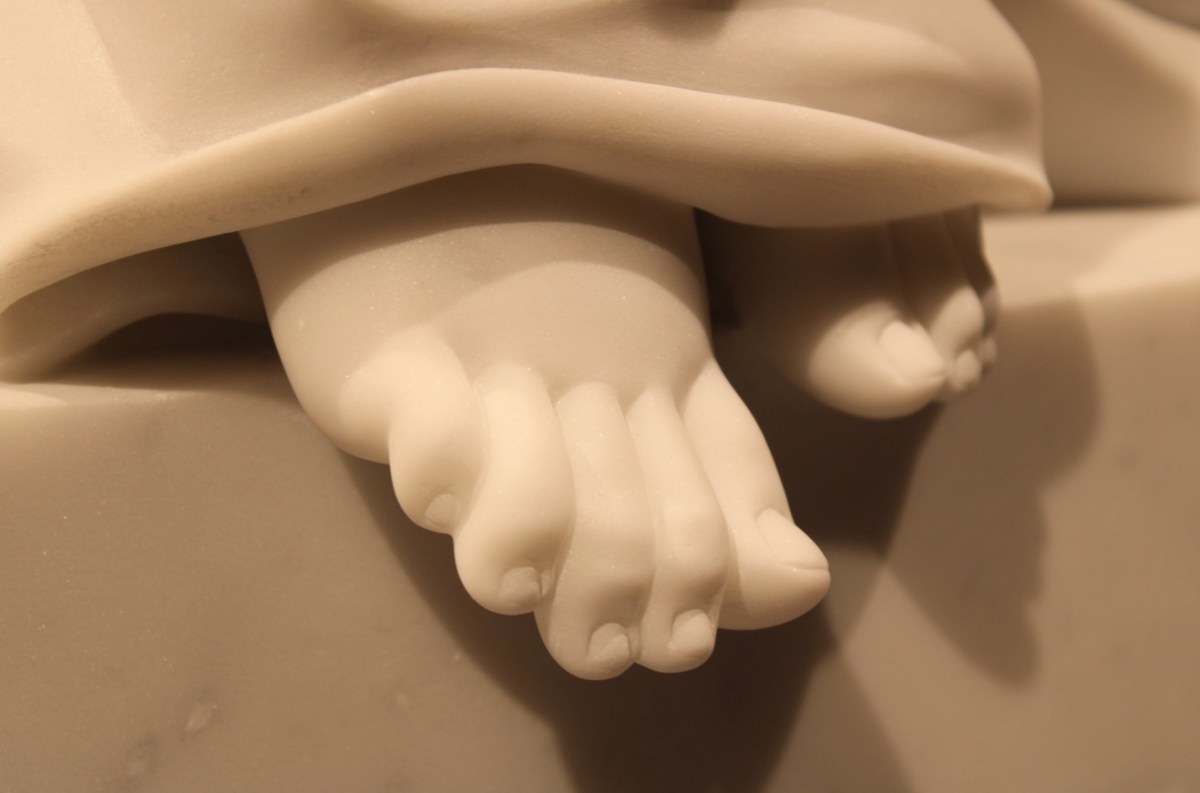
La Pietà di Tincolini: a Pontedera l’arte torna a fare domande scomode
🇮🇹“Pietà”, la scultura di Filippo Tincolini, insieme alle parole di Federico Quaranta e Andrea Pezzi, non è stato solo uno spettacolo. È stata una domanda lanciata in faccia al pubblico, impossibile da evitare: siamo ancora capaci di provare pietà? 🇬🇧 “Pietà,” Filippo Tincolini’s sculpture, along with the words of Federico Quaranta and Andrea Pezzi, wasn’t…
Si è verificato un problema. Aggiorna la pagina e/o riprova in seguito.
Condividi:


Questo sono io





sostienici

Sostienici – Support Us
Se questo blog ti piace e ti appassiona, puoi aiutarci a farlo crescere sempre più sostenendoci in modo concreto condividendo i post, seguendo le pagine social e con un contributo che ci aiuta ad andare avanti con il nostro lavoro di divulgazione. . ENGLISH: If you like and are passionate about this blog, you can help us make it grow more and more by supporting us in a concrete way by sharing posts, following social pages and with a contribution that helps us to move forward with our dissemination work.
€10,00


1 commento »