
La moda di mettere nuove gambe alle sculture antiche
Sapete, fra il Cinquecento e il Settecento era assai di moda restaurare le opere scultoree antiche aggiungendo le parti mancanti. Se il passar dei secoli s’era rubato un braccio a un dio greco, se ne scolpiva uno nuovo di zecca.
Ci sono casi assai eclatanti e noti in cui partendo da una piccola porzione di opera originale, s’è creato un lavoro completamente nuovo e probabilmente molto diverso da quello che aveva voluto realizzare il suo ideatore.
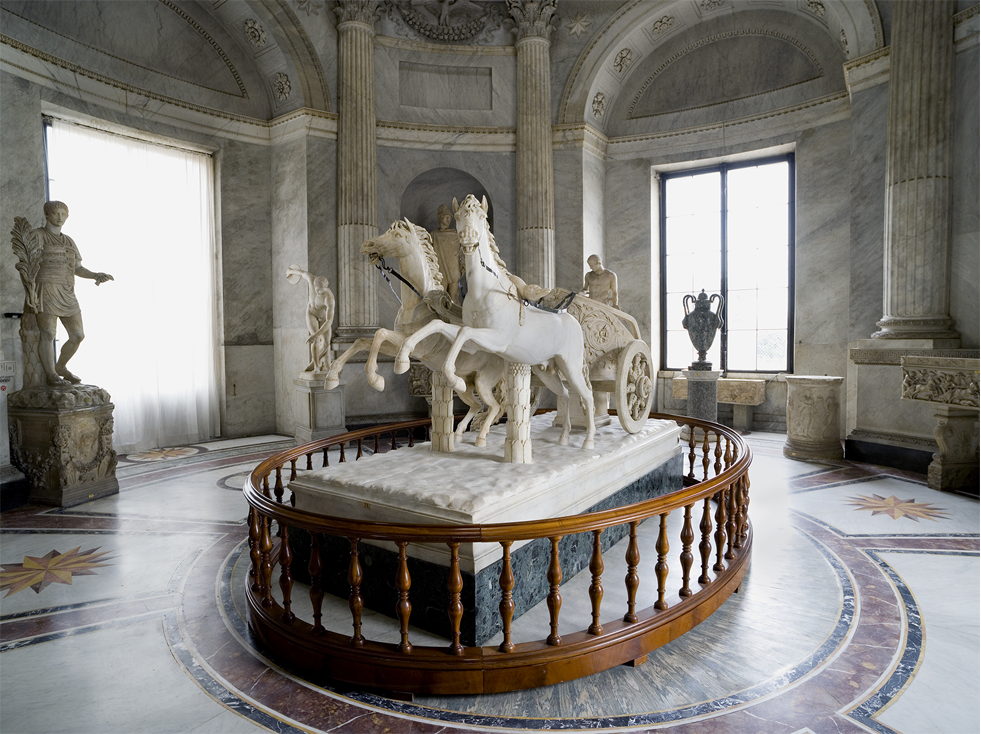
I Musei Vaticani sono pieni di opere integrate in quel periodo. Avete presente la biga trainata dai due cavalli posizionata al cento della sala non a caso chiamata della Biga? Ebbene, è un insieme di pezzi di opere antiche diverse e di nuove aggiunte di fine Settecento scolpite dallo scultore carrarino Francesco Antonio Franzoni.
La biga è un reperto del I secolo d.C ed è la parte più antica di tutta l’opera. Il torso del cavallo di destra invece è stato integrato sempre da Franzoni mentre l’altro cavallo lo scolpì per interno nel 1788, su modello dell’altro.

Anche l’Apollo del Belvedere che tanto mi gabava, subì un intervento integrativo anche se di minore entità del precedente. Fu proprio un mio collaboratore, Giovanni Montorsoli, a scolpirgli la parte inferiore del braccio destro e la mano sinistra che aveva perduto chissà come e chissà quando.
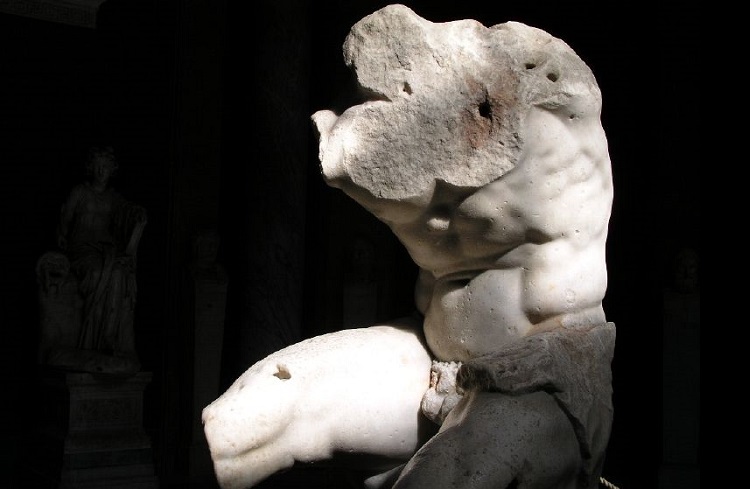
Papa Giulio II chiese anche a me di integrare con nuove braccia, gambe e testa il Torso del Belvedere. Non avrei mai commesso una scempiaggine del genere, nemmeno su ordine papale. Era così bello quel torso che qualsiasi aggiunta gl’avrebbe tolto lustro.
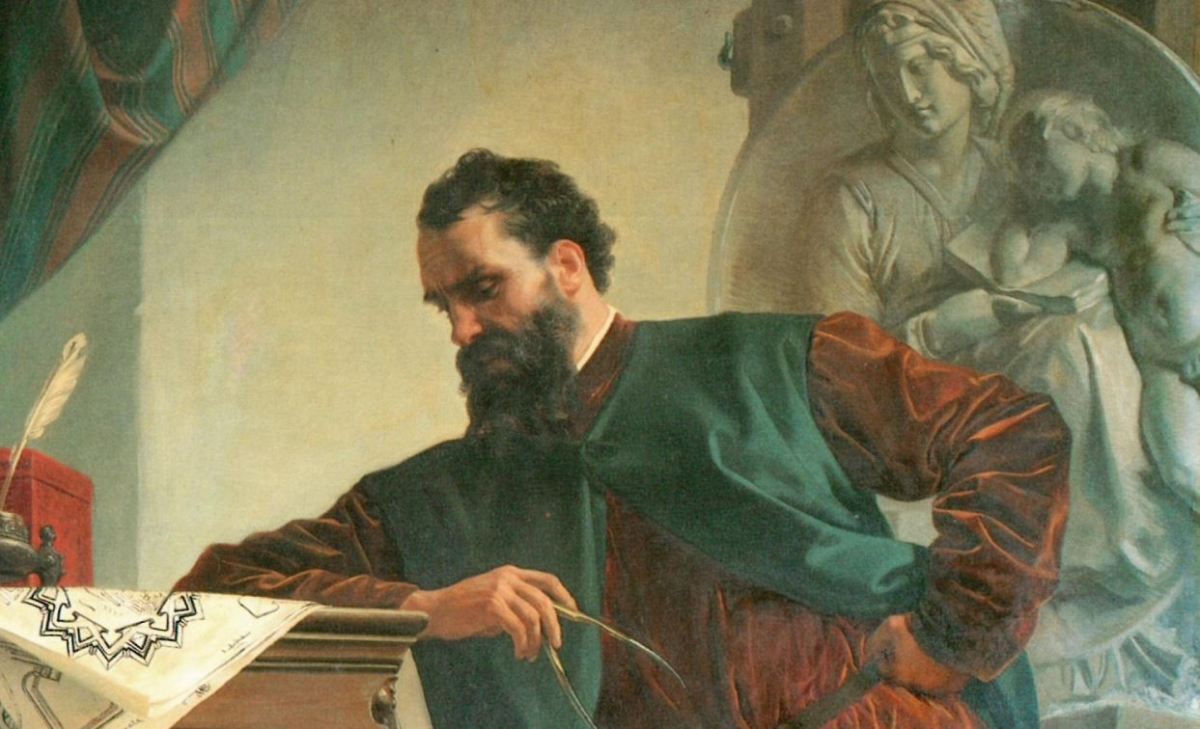
Per il momento il sempre vostro Michelangelo Buonarroti con i suoi quotidiani racconti vi saluta dandovi appuntamento ai prossimi post e sui social.
The fashion to put new legs on ancient sculptures
You know, between the sixteenth and eighteenth centuries it was very fashionable to restore ancient sculptures by adding the missing parts. If the passing of the centuries had stolen an arm from a Greek god, a brand new one was carved. There are very glaring and well-known cases in which, starting from a small portion of the original work, a completely new work was created and probably very different from the one his creator had wanted to create.
The Vatican Museums are full of works integrated in that period.
Do you know the chariot pulled by the two horses positioned in the middle of the room not by chance called the Biga? Well, it is a collection of pieces of different ancient works and new additions from the late eighteenth century sculpted by the Carrara sculptor Francesco Antonio Franzoni.
The chariot is a relic from the 1st century AD and is the oldest part of the whole work. the torso of the right horse, on the other hand, was always integrated by Franzoni, while the other horse sculpted it internally in 1788, on the model of the other.
Even the Apollo del Belvedere, which took so much time away from me, underwent a supplementary intervention even if it was less than the previous one. It was one of my collaborators, Giovanni Montorsoli, who sculpted the lower part of his right arm and the left hand that he had lost somehow and who knows when.
Pope Julius II also asked me to integrate the Belvedere Torso with new arms, legs and head. I would never have committed such foolishness, not even on a papal order. That torso was so beautiful that any addition would have taken away its luster.
Your always Michelangelo Buonarroti and his daily stories.

Sostienici – Support Us
Se questo blog ti piace e ti appassiona, puoi aiutarci a farlo crescere sempre più sostenendoci in modo concreto condividendo i post, seguendo le pagine social e con un contributo che ci aiuta ad andare avanti con il nostro lavoro di divulgazione. . ENGLISH: If you like and are passionate about this blog, you can help us make it grow more and more by supporting us in a concrete way by sharing posts, following social pages and with a contribution that helps us to move forward with our dissemination work.
5,00 €
ULTIMI ARTICOLI
La fine dell’originalità: perché oggi tutta l’arte sembra già vista
🇮🇹La sensazione è sempre la stessa: guardiamo un quadro, una scultura o un’installazione e pensiamo “L’ho già visto da qualche parte”. Ma è davvero la fine dell’originalità? … 🇬🇧The feeling is always the same: we look at a painting, a sculpture, or an installation and think, “I’ve seen this before.” But is this really the…
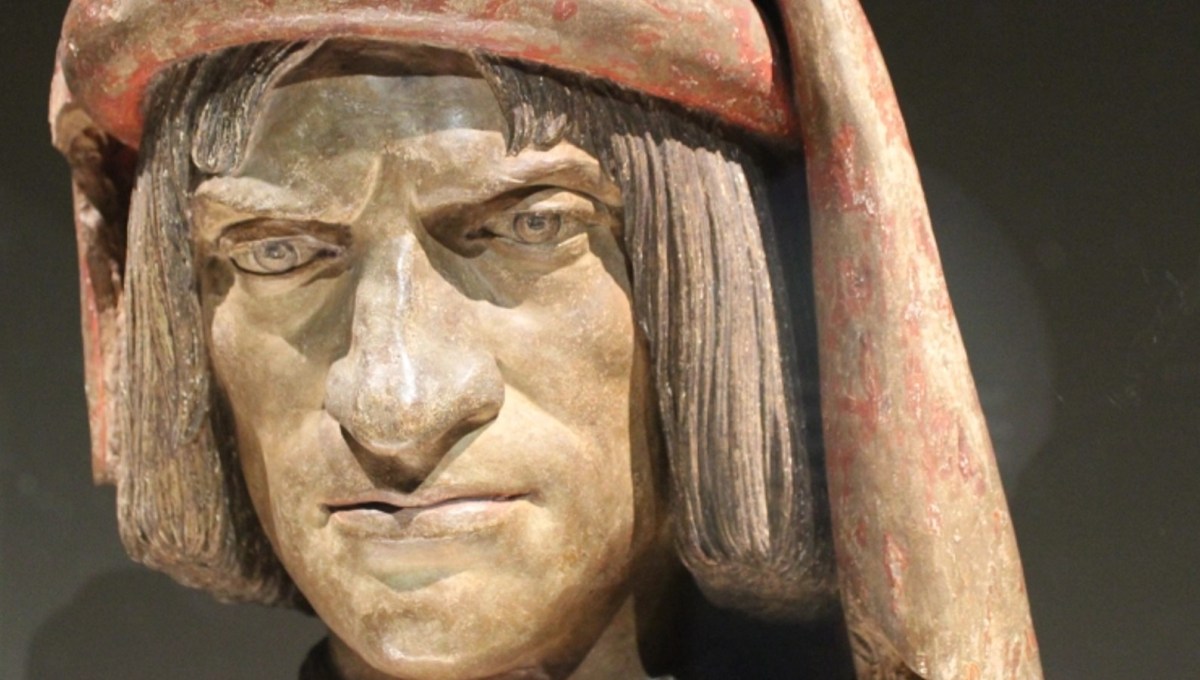
8 aprile 1492: la morte di Lorenzo il Magnifico, l’uomo che fece grande il Rinascimento
🇮🇹8 aprile 1492: si spegne Lorenzo il Magnifico, il cuore pulsante del Rinascimento. Alle quattro del mattino Firenze perde il suo signore, mecenate e poeta… 🇬🇧April 8, 1492: Lorenzo the Magnificent, the beating heart of the Renaissance, passes away. At four in the morning, Florence loses its lord, patron, and poet…
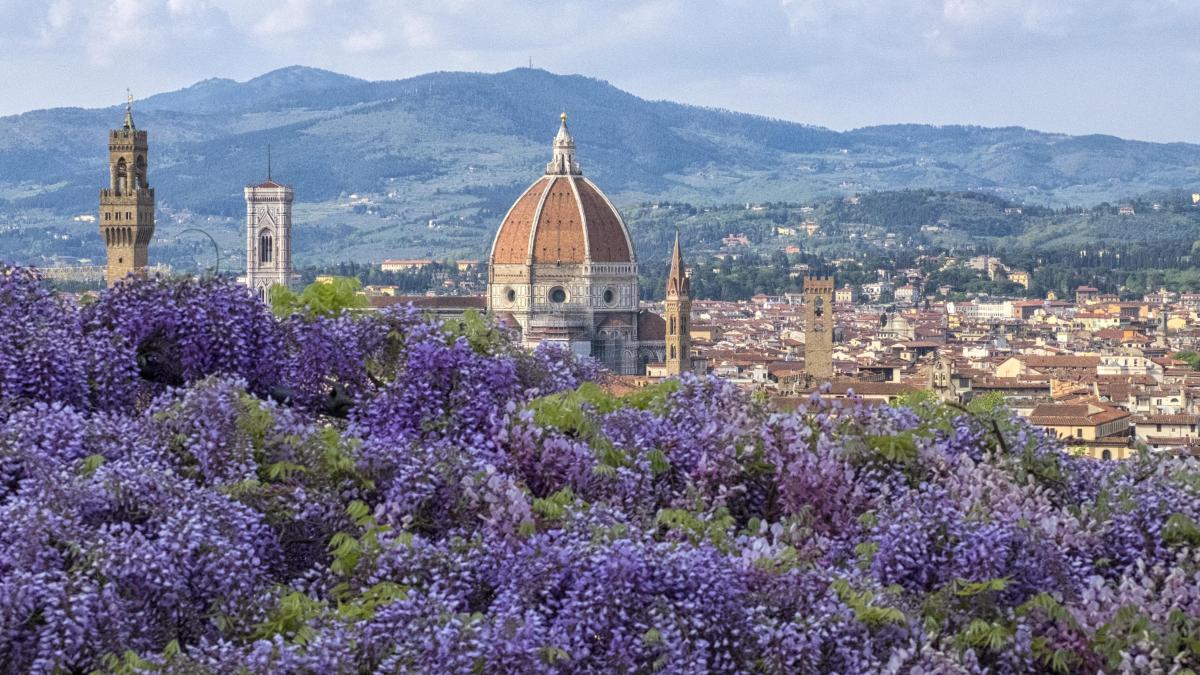
Sotto un cielo di glicine: la magia di Villa Bardini
🇮🇹Per pochi giorni all’anno, il pergolato di Villa Bardini si trasforma in un tunnel lilla lungo 70 metri, dove profumo e bellezza si intrecciano sopra una delle viste più romantiche di Firenze… 🇬🇧For a few days a year, the pergola of Villa Bardini transforms into a 70-meter-long lilac tunnel, where scent and beauty intertwine above…
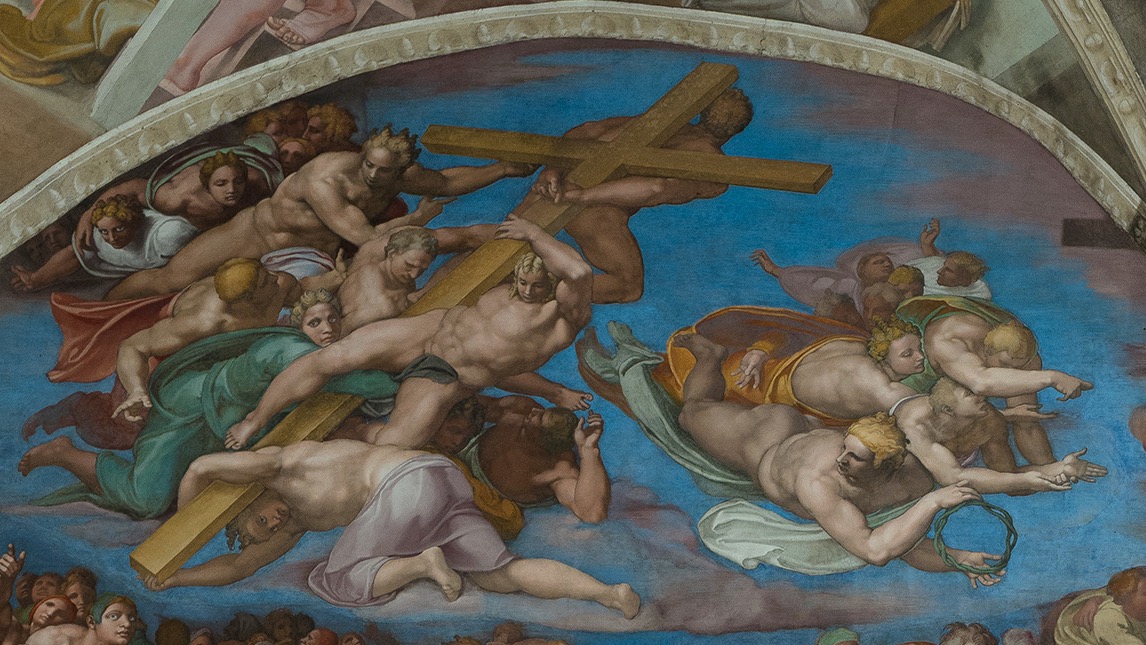
Come se la giustizia negata in vita possa compiersi altrove
🇮🇹Se davvero l’anima, una volta sciolta dal corpo, ritorna sulla terra per vivere ancora, così mi domando, quale sorte attende chi oggi appare tanto bella ai miei occhi, ma così crudele nel cuore? 🇬🇧If the soul, once freed from the body, truly returns to earth to live again, I ask myself, what fate awaits the…
Si è verificato un problema. Aggiorna la pagina e/o riprova in seguito.
Condividi:


Questo sono io





sostienici

Sostienici – Support Us
Se questo blog ti piace e ti appassiona, puoi aiutarci a farlo crescere sempre più sostenendoci in modo concreto condividendo i post, seguendo le pagine social e con un contributo che ci aiuta ad andare avanti con il nostro lavoro di divulgazione. . ENGLISH: If you like and are passionate about this blog, you can help us make it grow more and more by supporting us in a concrete way by sharing posts, following social pages and with a contribution that helps us to move forward with our dissemination work.
€10,00


1 commento »