

Il ratto di Ganimede
A Ganimede, il più bello dei mortali come scrisse Omero nell’Iliade, dedicai uno dei miei disegni più noti e forse affascinanti.
Zeus, dopo aver preso le sembianze di un’aquila, scese in volo sulla per rapire il bel giovine. Lo avrebbe poi portato con sé, su nell’Olimpo e sarebbe divenuto il coppiere degli dei. Era troppo bello per rimanere fra i mortali.

Questo disegno a carboncino lo realizzai per Tommaso de’ Cavalieri: un omaggio alla sua avvenenza ma non solo. Sono tanti i significati che si potrebbe tentare di leggere come per esempio un’ascesa dell’anima verso una contemplazione più ampia e distaccata dalle cose terrene secondo una visione un po’ neoplatonica.
Ganimede viene sollevato dall’aquila che lo stringe saldamente fra i suoi artigli senza però fargli del male mentre lui si contorce e pare abbracciare il rapace. Ha lo sguardo rivolto verso il basso: difficile dire se con gli occhi socchiusi guardi la testa dell’aquila o la terra che si allontana sempre di più.
Il disegno si trova negli States, presso il Fogg Art Museum di Cambridge, Massachusetts.
Il sempre vostro Michelangelo Buonarroti con i suoi disegni e i suoi discorsi
The rat of Ganymede
To Ganymede, the most beautiful of mortals as Homer wrote in the Iliad, I dedicated one of my most famous and perhaps fascinating drawings.
Zeus, after having taken the form of an eagle, flew down to kidnap the handsome young man. He would then take it with him, up into the Olympus and he would become the cupbearer of the gods. It was too good to remain among mortals.
I created this charcoal drawing for Tommaso de ‘Cavalieri: a tribute to his beauty but not only. There are many meanings that could be attempted to read, such as, for example, an ascent of the soul towards a wider contemplation detached from earthly things according to a somewhat neoplatonic vision.
Ganymede is lifted by the eagle that holds him firmly between his claws without hurting him while he writhes and seems to embrace the bird of prey. His gaze is turned downwards: it is difficult to say if you look at the eagle’s head or the earth that moves further and further away with half-closed eyes.
The drawing is located in the States, at the Fogg Art Museum in Cambridge, Massachusetts.
Your always Michelangelo Buonarroti with his drawings and speeches

Sostienici – Support Us
Se questo blog ti piace e ti appassiona, puoi aiutarci a farlo crescere sempre più sostenendoci in modo concreto condividendo i post, seguendo le pagine social e con un contributo che ci aiuta ad andare avanti con il nostro lavoro di divulgazione. . ENGLISH: If you like and are passionate about this blog, you can help us make it grow more and more by supporting us in a concrete way by sharing posts, following social pages and with a contribution that helps us to move forward with our dissemination work.
5,00 €
ULTIMI ARTICOLI
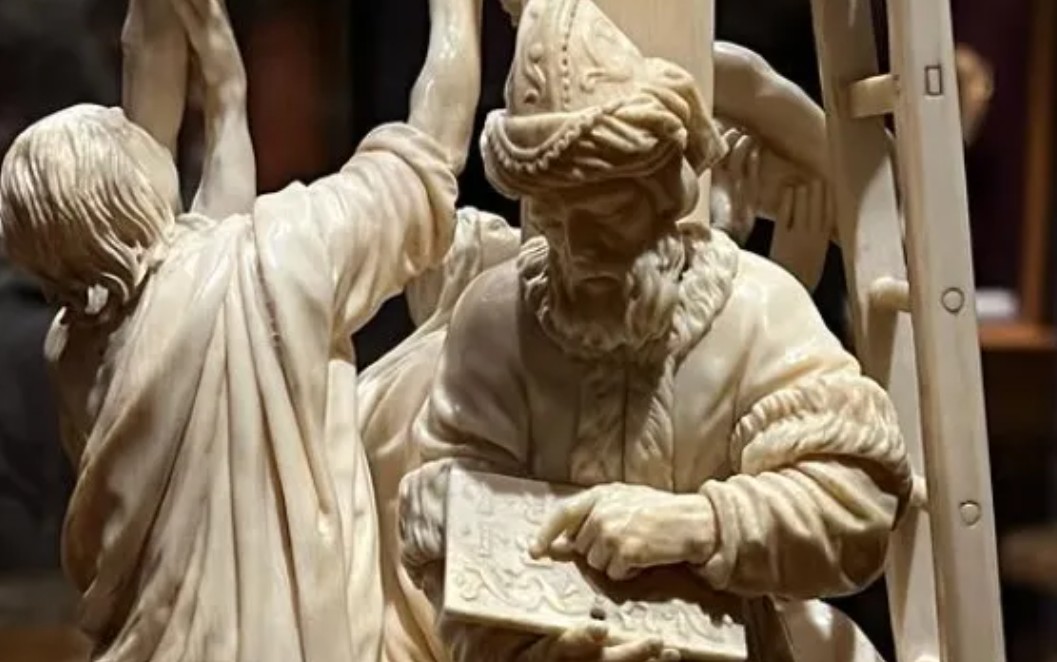
Sette anni per scolpire un miracolo: la Deposizione dalla Croce di Adam Lenckhardt
🇮🇹Sette anni di lavoro per scolpire un unico dente di elefante: la Deposizione dalla Croce di Adam Lenckhardt è un vertiginoso capolavoro barocco del 1653… 🇬🇧Seven years of work to sculpt a single elephant tooth: Adam Lenckhardt’s Descent from the Cross is a dizzying Baroque masterpiece from 1653…
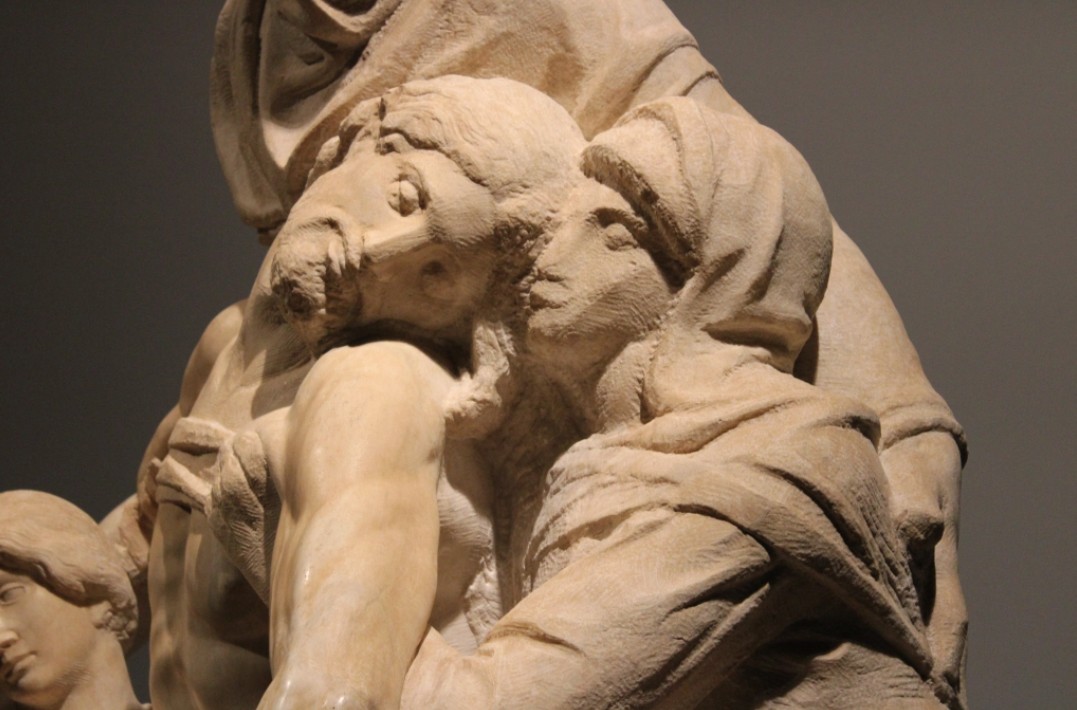
730 anni di storia: l’8 settembre il Museo del Duomo di Firenze apre gratis
🇮🇹L’8 settembre 2026 il Museo dell’Opera del Duomo di Firenze sarà gratuito fino a mezzanotte per celebrare 730 anni di storia. Ecco tutte le informazioni… 🇬🇧On September 8, 2026, the Opera del Duomo Museum in Florence will be free until midnight to celebrate 730 years of history. Here’s all the information…
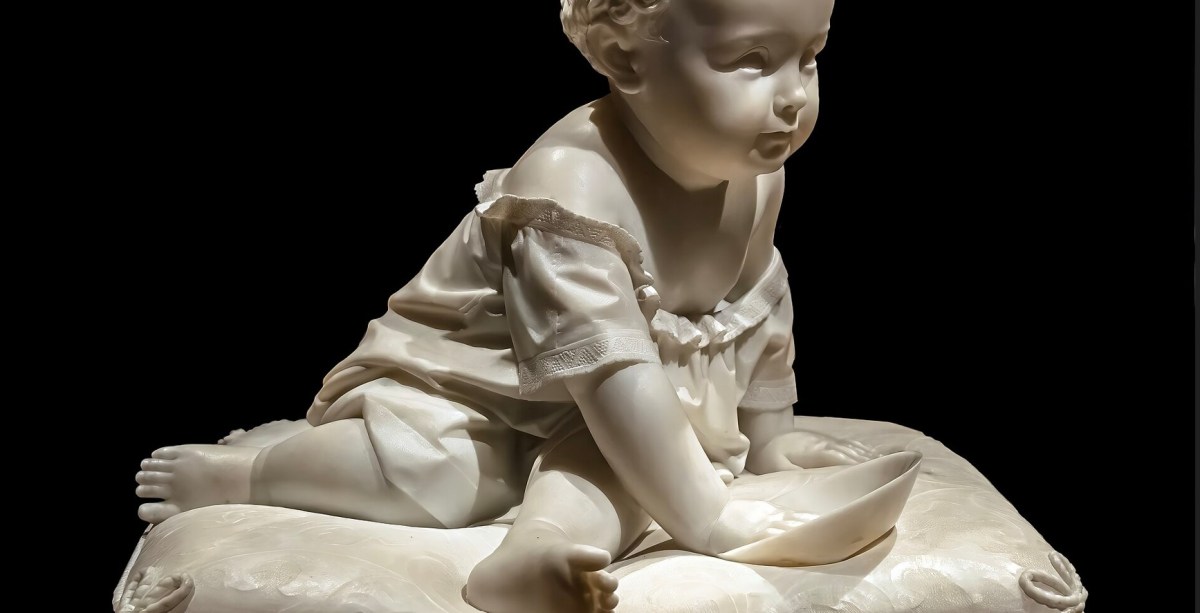
Il bambino di marmo che respira: un capolavoro di Pietro Magni
🇮🇹Il Ragazzo su cuscino di Pietro Magni al Museo Bottacin di Padova: un bambino di marmo sorprendentemente realistico, ricco di dettagli… 🇬🇧Pietro Magni’s Boy on a Pillow at the Bottacin Museum in Padua: a surprisingly lifelike marble child, rich in detail…
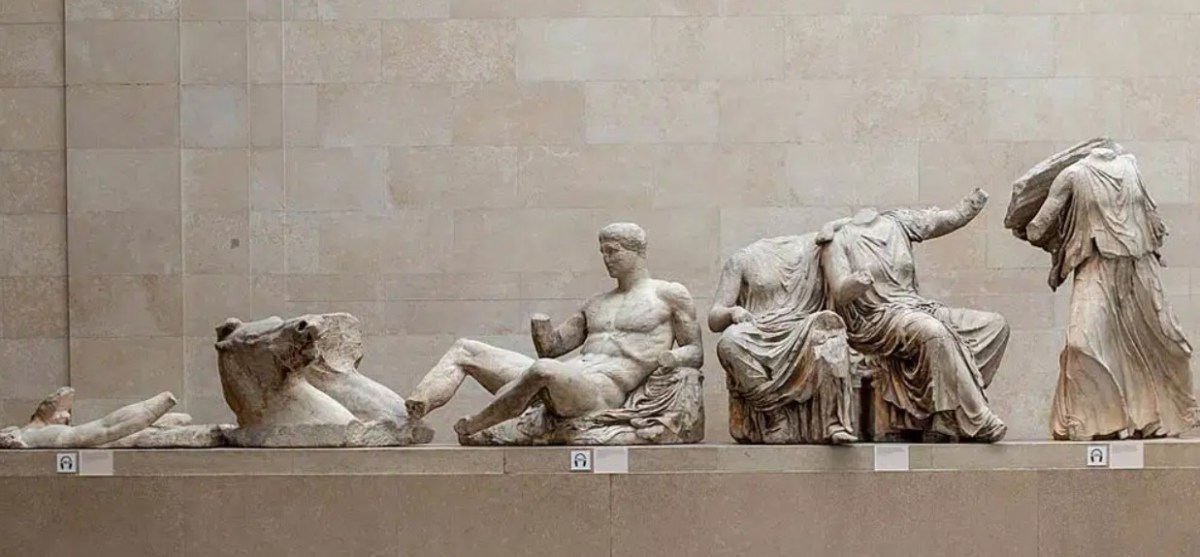
“Potremmo prestare i marmi del Partenone”: il British Museum apre alla Grecia
🇮🇹I marmi del Partenone potrebbero tornare ad Atene? Il British Museum apre alla possibilità di un prestito alla Grecia: ecco cosa sta succedendo… 🇬🇧Could the Parthenon Marbles return to Athens? The British Museum is open to the possibility of a loan to Greece: here’s what’s happening…
Si è verificato un problema. Aggiorna la pagina e/o riprova in seguito.
Condividi:


Questo sono io




sostienici

Sostienici – Support Us
Se questo blog ti piace e ti appassiona, puoi aiutarci a farlo crescere sempre più sostenendoci in modo concreto condividendo i post, seguendo le pagine social e con un contributo che ci aiuta ad andare avanti con il nostro lavoro di divulgazione. . ENGLISH: If you like and are passionate about this blog, you can help us make it grow more and more by supporting us in a concrete way by sharing posts, following social pages and with a contribution that helps us to move forward with our dissemination work.
€10,00


L’ha ribloggato su Pittura1arte2disegno3.
"Mi piace""Mi piace"