

Il mio primo soggiorno a Bologna e l’incontro con Giovan Francesco Aldrovandi
Ricordo bene quei giorni inquieti del novembre 1494. Firenze, la mia città, era attraversata da tumulti e paure. La caduta dei Medici e la fuga di Piero segnarono la fine di una protezione che, fino ad allora, aveva sostenuto pure me. Avevo diciannove anni all’epoca ma già sentivo il bisogno di cercare altrove ciò che Firenze non poteva più garantirmi: stabilità, lavoro e soprattutto prospettive future.
Fu così che giunsi a Bologna.
Non conoscevo nessuno, e la città mi appariva al tempo stesso solida e misteriosa, diversa dalla mia Firenze per carattere e per spirito. Ero partito assieme al mio caro amico Granacci e al Cardiere.
Non facemmo neanche in tempo ad arrivare che ci vennero incontro due guardie. “E ora che s’è fatto?” mi sarebbe venuto in mente di chiedergli ma non proferii parola. Avrei peggiorato solo quella situazione che già di per sé pareva complicata.
Non avevamo permesso per entrare a Bologna. Ma che ne sapevo io di quella roba lì. Mi mancava il suggello di cera rossa sull’unghia del pollice che era in uso fare ai forestieri entrati a Bologna. Mi fecero una multa di 50 bolognini ma non avevo idea di come avrei potuto pagarla se nemmeno avevo i soldi per mettere qualcosa sotto i denti.
La sorte, tuttavia, mi fu favorevole: mi salvò dalle beghe Giovan Francesco Aldrovandi, uomo colto e influente, dotato di grande sensibilità per le arti e per le lettere. Chissà e quell’incontro fu fortuito oppure voluto dai Medici che avevano saputo della mia partenza per la città Felsinea.
La sua ospitalità fu per me un dono prezioso. Non si trattò soltanto di un tetto sopra la testa, ma di un ambiente vivo, ricco di stimoli. La sua casa era piena di libri, e la sera gli leggevo ad alta voce passi di Dante, Petrarca e Boccaccio. Lo facevo con piacere: era come riportare un poco di Firenze tra quelle mura, attraverso la lingua e la poesia che mi erano più care.
Bologna per me fu anche scuola.
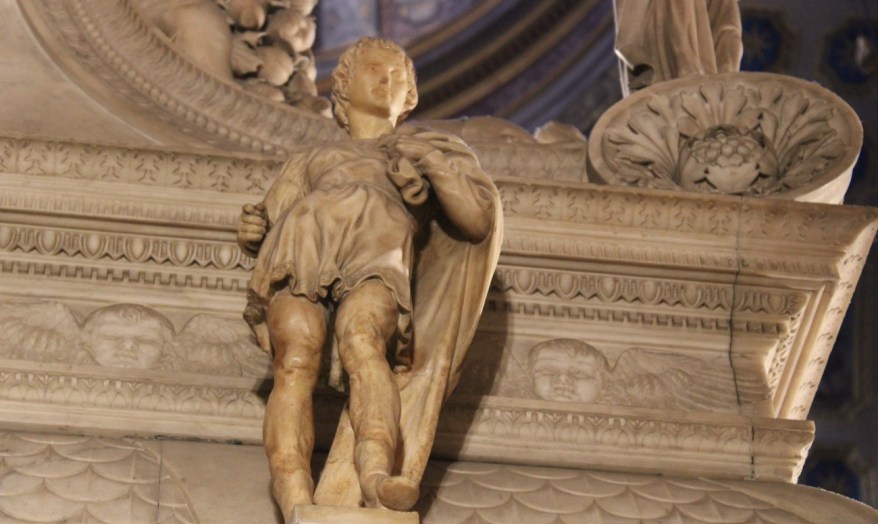
Passeggiando con Aldrovandi per la città, ebbi modo di osservare opere, studiare forme, esercitare la mano e l’occhio. Fu proprio lui a condurmi un giorno nella chiesa di San Domenico, davanti alla grande arca che custodisce il Santo. Lì mancavano alcune figure. Mi chiese se me la sentissi di realizzarle.
Risposi di sì.
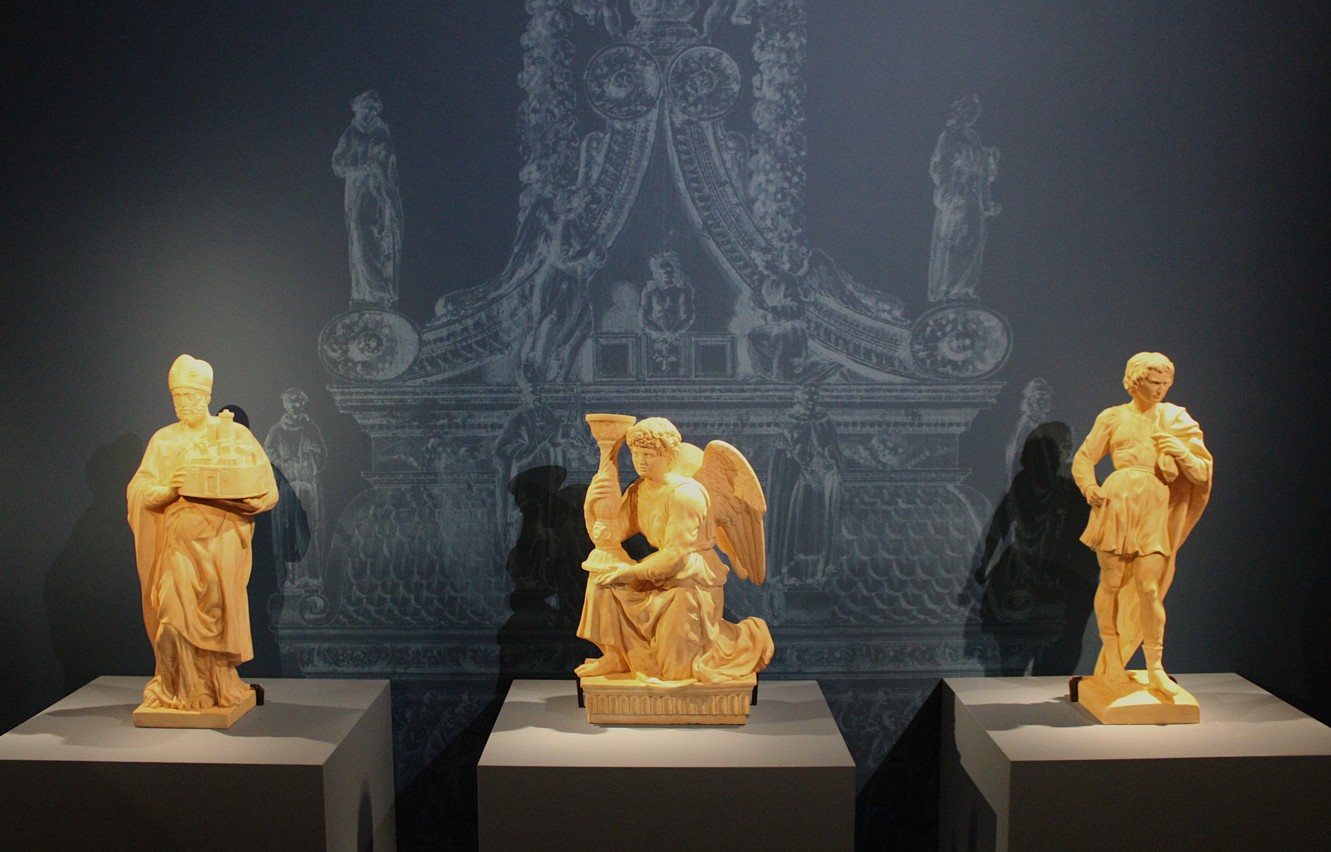
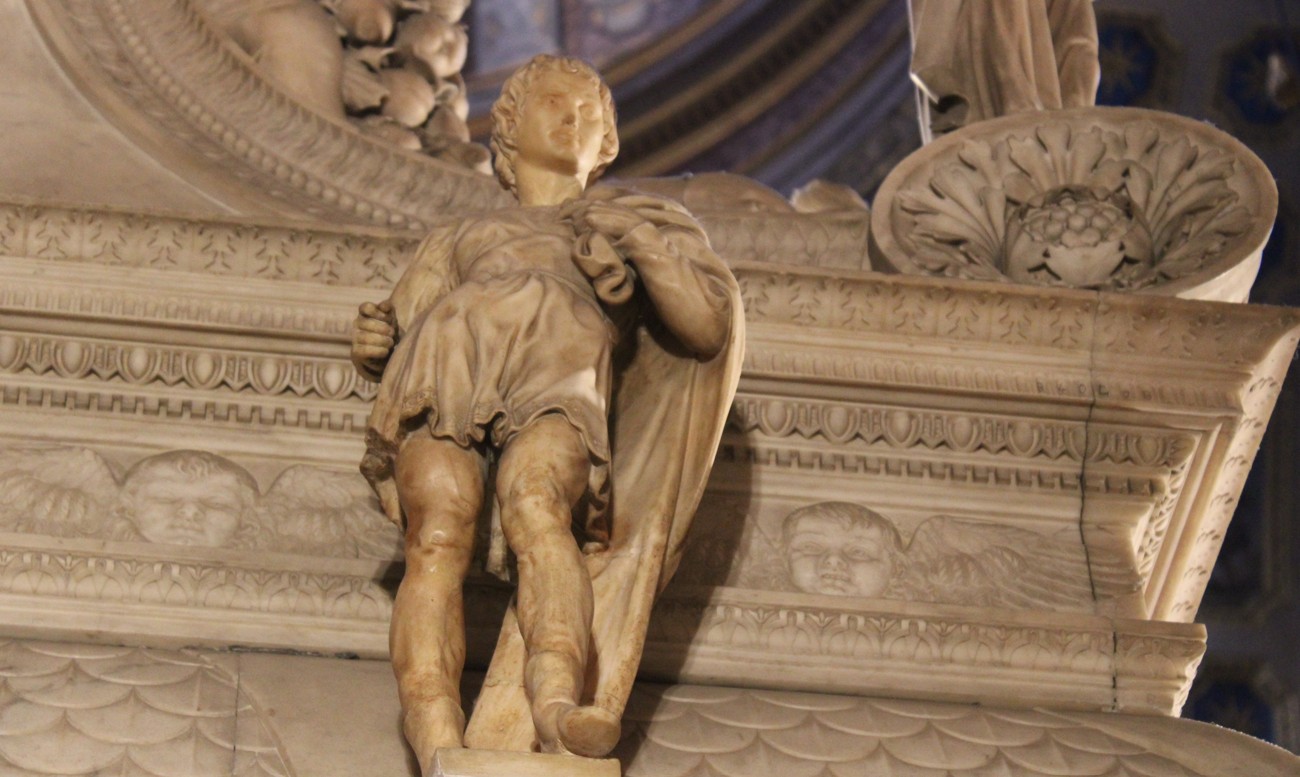
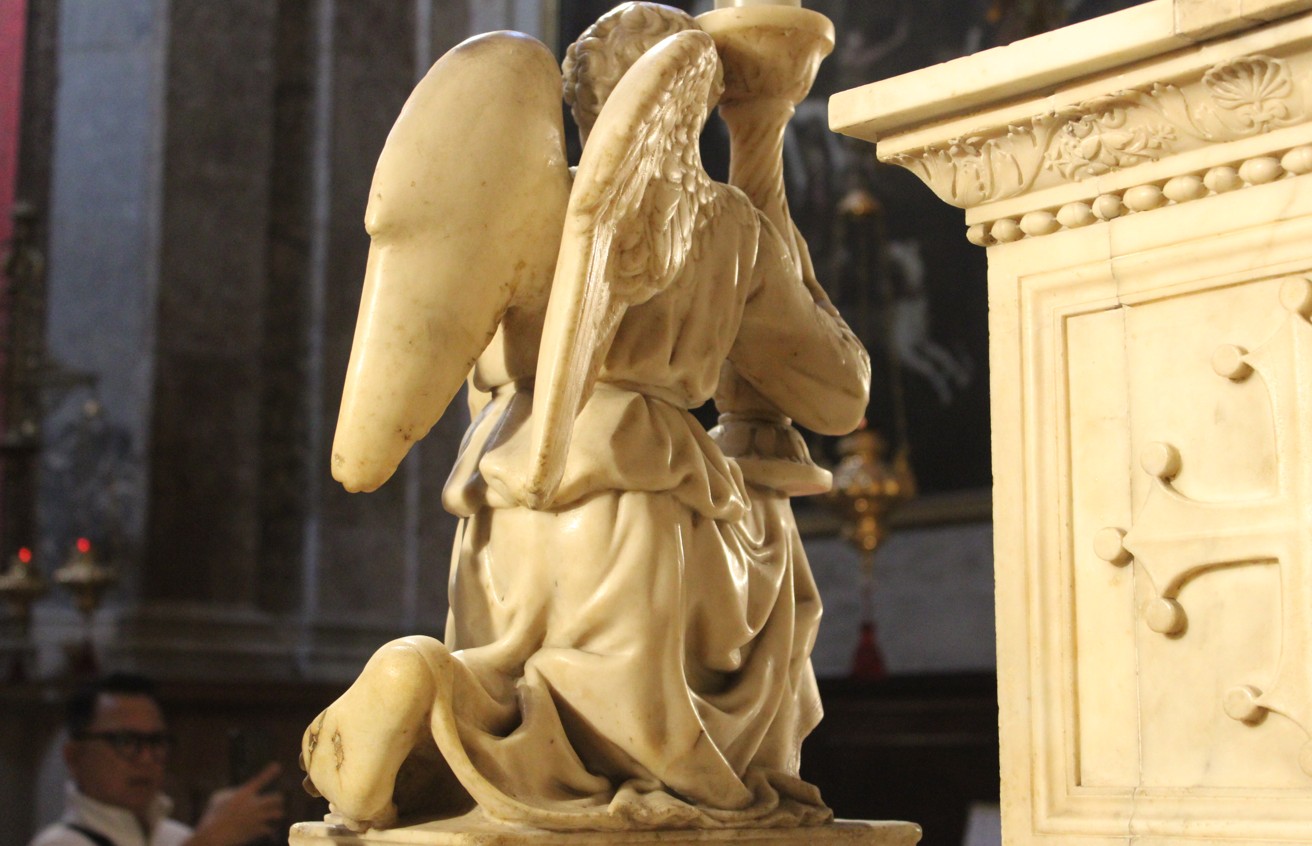
Fu il mio primo incarico importante fuori da Firenze. Realizzai un San Petronio, un Angelo inginocchiato che regge un candeliere e un San Procolo. Sculture di dimensioni contenute, ma per me rappresentavano molto di più: erano la prova che potevo affermarmi anche lontano dalla mia città, contando soltanto sulla mia arte.

Ricevetti trenta ducati per quel lavoro. Non era una cifra enorme, ma sufficiente a darmi fiducia. Ancora più importante fu la consapevolezza di poter lasciare un segno, di vedere le mie opere collocate in un luogo sacro, tra quelle di maestri che avevo ammirato.
Quel soggiorno durò poco più di un anno, ma fu decisivo. A Bologna imparai non solo a lavorare, ma anche a resistere. Compresi che il talento, da solo, non basta: serve determinazione, serve adattarsi, serve trovare il proprio spazio anche quando tutto sembra incerto.
Quando ripenso a quei giorni li peno a come un passaggio necessario, una tappa fondamentale del mio cammino. Senza Bologna, senza Aldrovandi, senza quelle prime commissioni, forse non sarei diventato l’artista che poi il mondo avrebbe conosciuto.
Il sempre vostro Michelangelo Buonarroti per il momento vi saluta dandovi appuntamento ai prossimi post e sui social.
My first stay in Bologna and my meeting with Giovan Francesco Aldrovandi
I remember well those troubled days of November 1494. Florence, my city, was gripped by turmoil and fear. The fall of the Medici and Piero’s escape marked the end of a protection that, until then, had supported me as well. I was nineteen at the time, but I already felt the need to seek elsewhere what Florence could no longer guarantee me: stability, work, and above all, future prospects.
That’s how I arrived in Bologna.
I didn’t know anyone, and the city seemed both solid and mysterious, different from my Florence in character and spirit. I had set out with my dear friend Granacci and Cardiere.
We hadn’t even had time to arrive when two guards met us. “And now what happened?” I thought of asking, but I didn’t say a word. I would only have made the situation, which already seemed complicated, worse.
We didn’t have a permit to enter Bologna. But what did I know about that stuff? I was missing the red wax seal on my thumbnail that was customary for foreigners entering Bologna. They fined me 50 bolognini, but I had no idea how I was going to pay it if I didn’t even have enough money to eat.
Fortune, however, was on my side: I was saved from the hassles by Giovan Francesco Aldrovandi, a cultured and influential man with a great sensitivity to the arts and literature. Who knows, perhaps that meeting was fortuitous or perhaps it was arranged by the Medici family, who had learned of my departure for Bologna.
His hospitality was a precious gift to me. It wasn’t just a roof over my head, but a vibrant, stimulating environment. His house was full of books, and in the evenings I read aloud to him from Dante, Petrarch, and Boccaccio. I did it with pleasure: it was like bringing a bit of Florence back to those walls, through the language and poetry that were dearest to me.
Bologna was also a school for me.
Walking with Aldrovandi through the city, I had the opportunity to observe works, study forms, exercise my hand and eye. It was he who took me one day to the church of San Domenico, before the large ark that houses the Saint. Some figures were missing there. He asked me if I felt up to creating them.
I said yes.
It was my first major commission outside of Florence. I created a Saint Petronius, a Kneeling Angel Holding a Candlestick, and a Saint Proculus. They were small sculptures, but for me they meant so much more: they were proof that I could make a name for myself even far from my hometown, relying solely on my art.
I received thirty ducats for that job. It wasn’t a huge sum, but it was enough to give me confidence. Even more important was the awareness of being able to leave a mark, of seeing my works placed in a sacred place, among those of masters I had admired.
That stay lasted just over a year, but it was decisive. In Bologna, I learned not only to work, but also to endure. I understood that talent alone is not enough: it takes determination, it takes adapting, it takes finding your own space even when everything seems uncertain.
When I think back on those days, I think of them as a necessary transition, a fundamental stage in my journey. Without Bologna, without Aldrovandi, without those first commissions, perhaps I would not have become the artist the world would later know.
Your ever Michelangelo Buonarroti bids you farewell for now, and looks forward to seeing you in future posts and on social media.

Sostienici – Support Us
Se questo blog ti piace e ti appassiona, puoi aiutarci a farlo crescere sempre più sostenendoci in modo concreto condividendo i post, seguendo le pagine social e con un contributo che ci aiuta ad andare avanti con il nostro lavoro di divulgazione. . ENGLISH: If you like and are passionate about this blog, you can help us make it grow more and more by supporting us in a concrete way by sharing posts, following social pages and with a contribution that helps us to move forward with our dissemination work.
10,00 €
Articoli
Condividi:


Questo sono io





sostienici

Sostienici – Support Us
Se questo blog ti piace e ti appassiona, puoi aiutarci a farlo crescere sempre più sostenendoci in modo concreto condividendo i post, seguendo le pagine social e con un contributo che ci aiuta ad andare avanti con il nostro lavoro di divulgazione. . ENGLISH: If you like and are passionate about this blog, you can help us make it grow more and more by supporting us in a concrete way by sharing posts, following social pages and with a contribution that helps us to move forward with our dissemination work.
€10,00


