
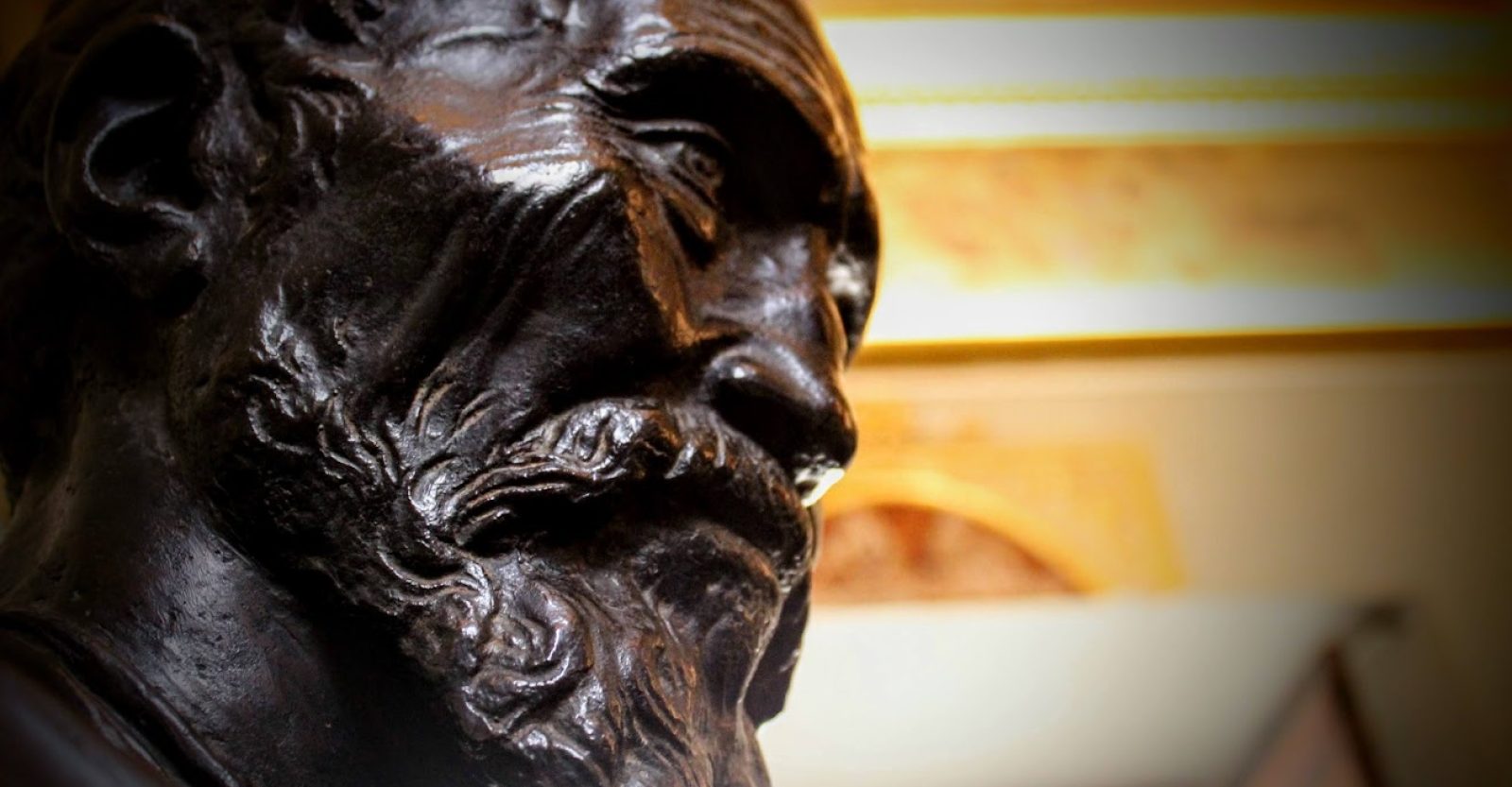
Il Giudizio Universale torna alla luce dopo l’intervento
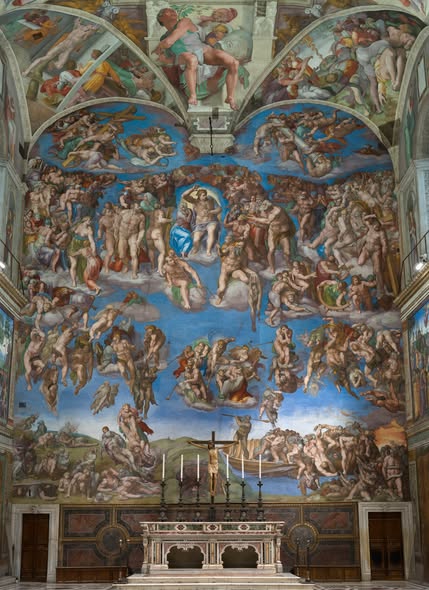
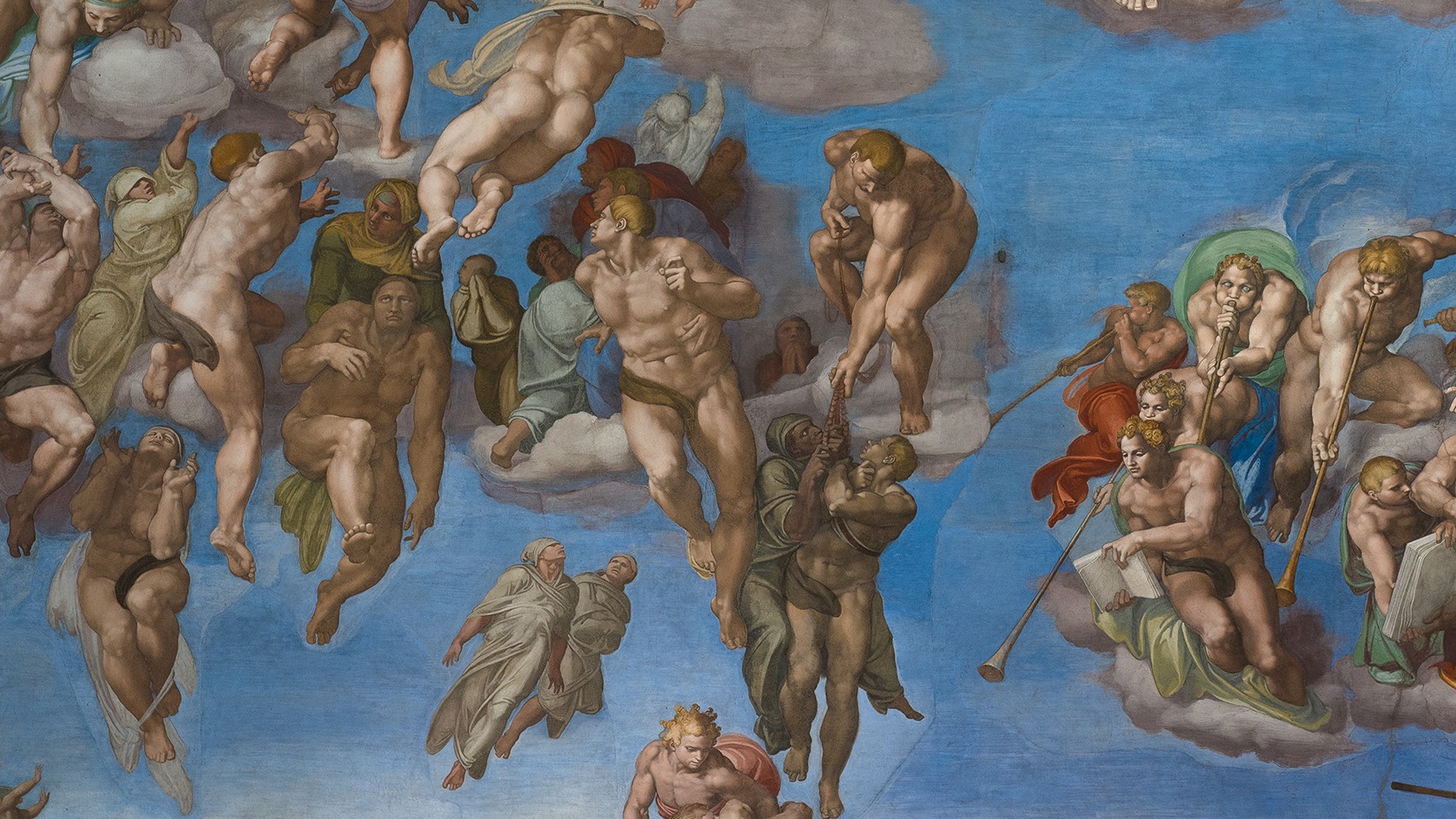
I Musei Vaticani hanno annunciato la conclusione della manutenzione straordinaria del Giudizio Universale che affrescai secoli orsono sulla contro parete d’altare foderata di mattoni ben cotti della Cappella Sistina.
L’intervento, iniziato a febbraio 2026, non è stato un restauro invasivo ma un’operazione mirata e delicata. L’obiettivo era restituire leggibilità e brillantezza ai colori, attenuati da un fenomeno dovuto principalmente alla grande affluenza di persone nella Cappella dove si svolge da secoli il conclave.
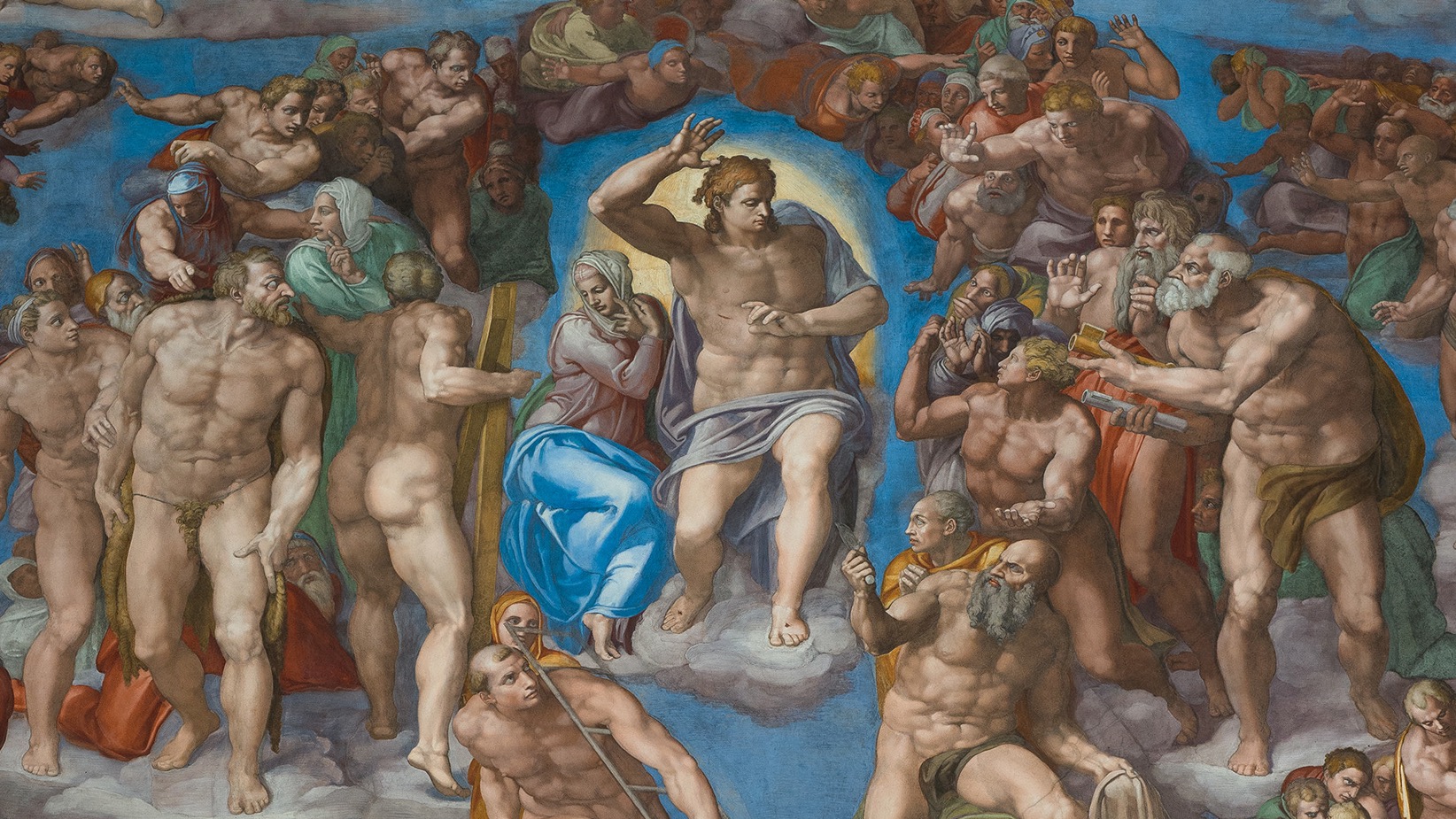
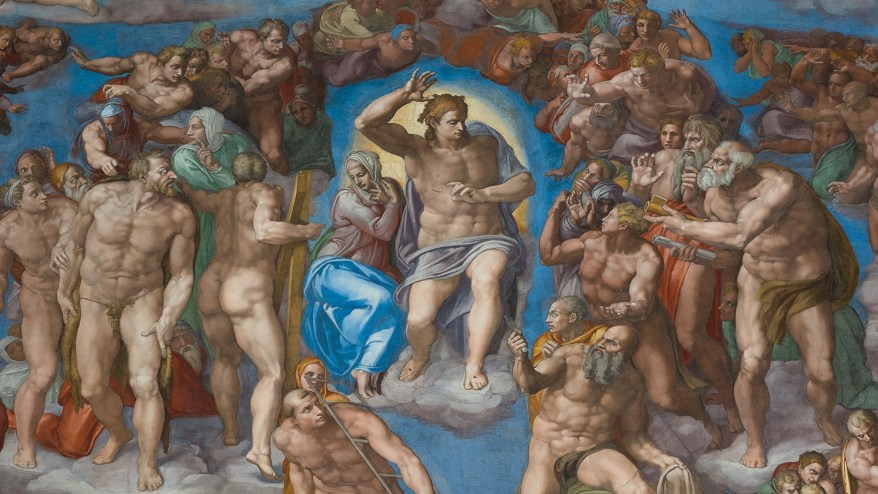
Il risultato è un ritorno sorprendente alla profondità originaria dell’opera, con chiaroscuri più leggibili e una resa cromatica più vicina a quella che io immaginai.
La velatura biancastra: il fenomeno che ha reso necessario l’intervento
Alla base della manutenzione c’è un sottile deposito biancastro che nel tempo si è formato sulla superficie dell’affresco. Questo velo, composto principalmente da lattato di calcio, è legato alla presenza costante dei visitatori e alle condizioni ambientali interne.
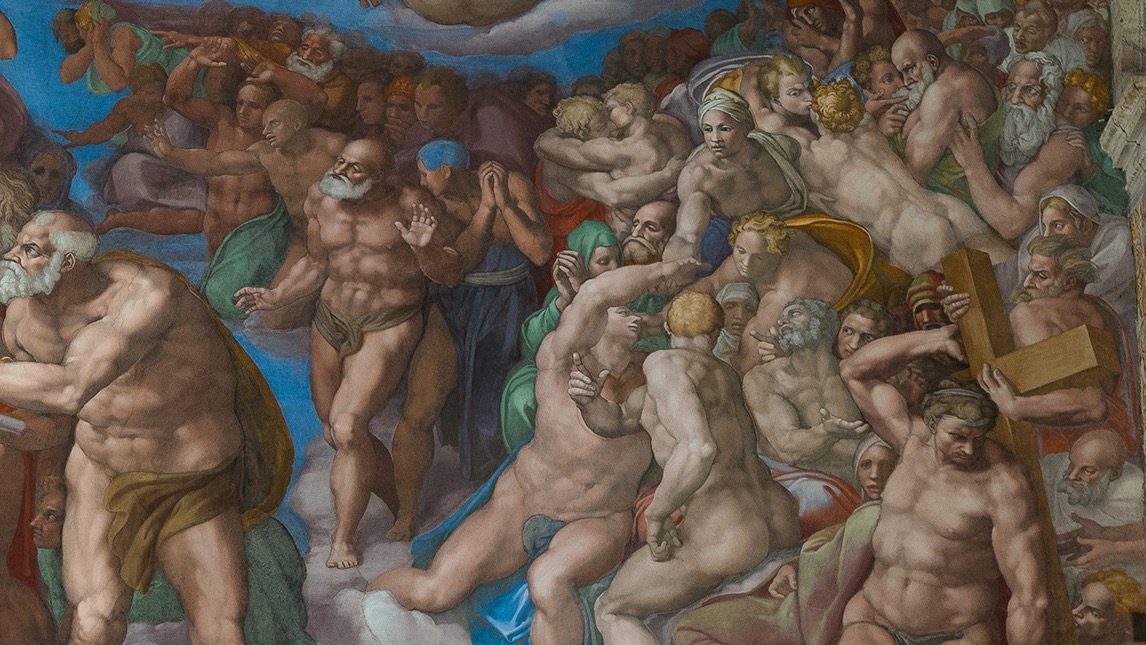
Non si tratta di un danno strutturale, ma di un’alterazione superficiale che incide sulla percezione visiva. In altre parole, il dipinto era integro, ma meno leggibile.
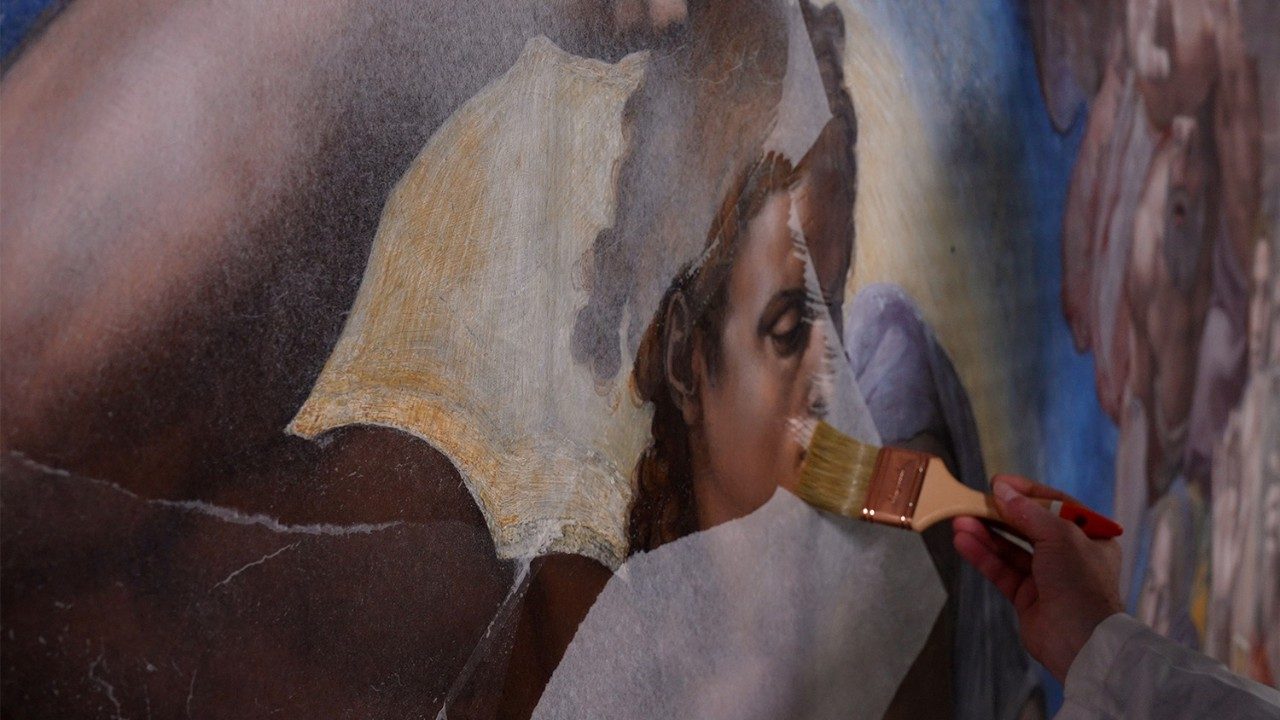
Per rimuoverlo, i restauratori hanno utilizzato una tecnica semplice quanto efficace, basata su impacchi di acqua distillata e carta giapponese. Un intervento minimo, ma decisivo per riportare alla luce i dettagli meno evidenti.
Un cantiere aperto: la Cappella Sistina non ha mai chiuso
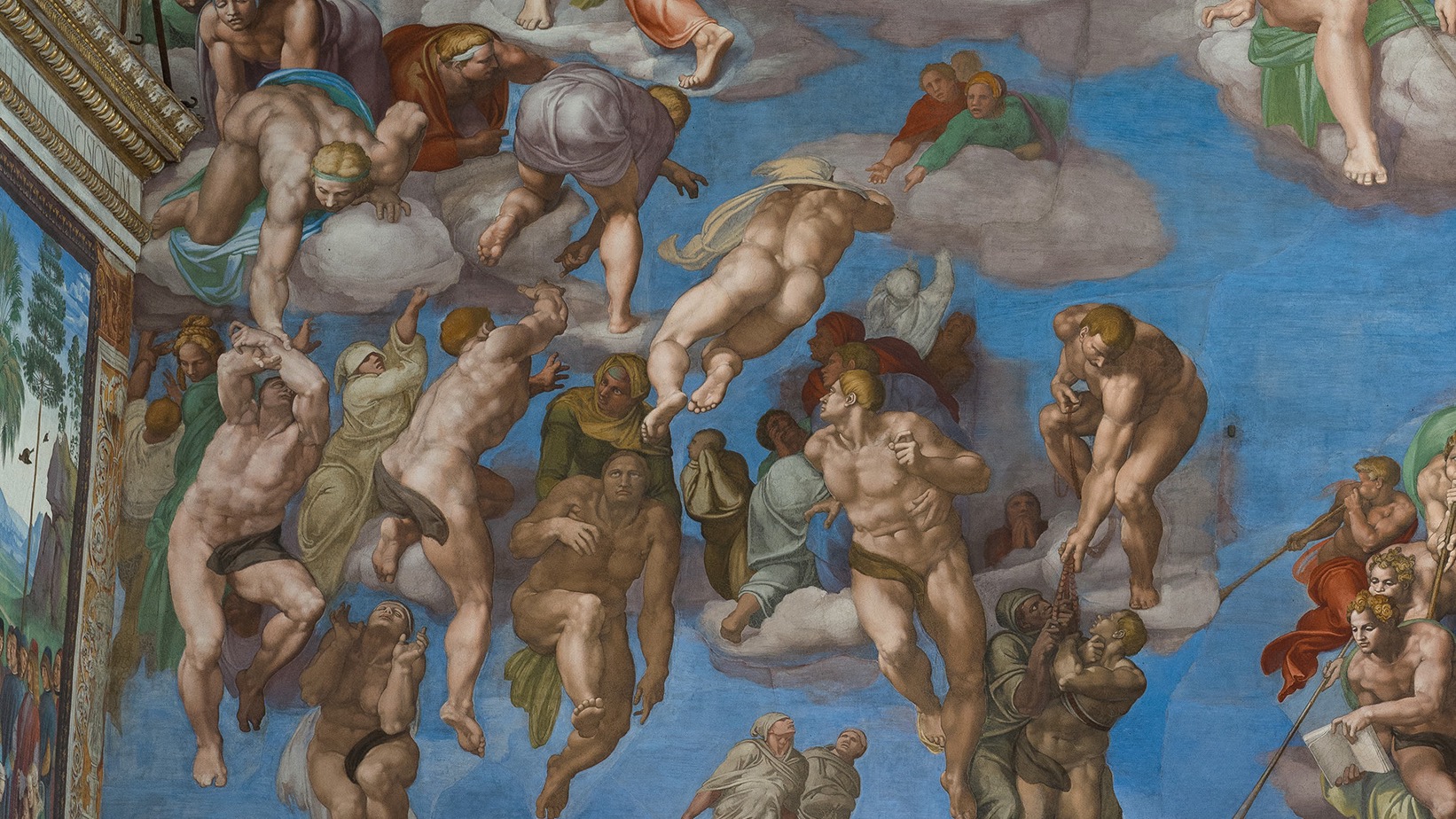
Uno degli aspetti più sorprendenti dell’operazione è stata la scelta di non interrompere mai l’accesso al pubblico. Durante tutta la manutenzione, i visitatori hanno continuato a entrare nella Cappella Sistina, mentre sopra di loro si sviluppava un ponteggio alto sette livelli.
La direttrice Barbara Jatta ha ribadito come questa decisione rispecchi la missione dei Musei Vaticani: conservare il patrimonio senza sottrarlo alla fruizione.
Il lavoro si è svolto quindi in un equilibrio costante tra tutela e accoglienza, con restauratori, tecnici e scienziati impegnati a operare in condizioni complesse ma perfettamente controllate.
Il racconto del cantiere nel podcast “I segreti del Giudizio”
A documentare questa esperienza è la serie audio realizzata da Vatican News, intitolata “I segreti del Giudizio” e curata da Paolo Ondarza.
Il podcast accompagna l’ascoltatore all’interno del cantiere, trasformando un intervento tecnico in un racconto coinvolgente. Le prime puntate spiegano le ragioni della manutenzione e il metodo adottato dai Musei Vaticani, offrendo uno sguardo diretto sulle attività quotidiane dei restauratori.
Tra le voci principali emerge quella del restauratore capo Paolo Violini, che descrive l’effetto della pulitura e la complessità di operare su un’opera così iconica.
L’esperienza unica sopra il ponteggio
Se per i visitatori l’affresco resta una visione d’insieme, per chi lavora sul ponteggio l’esperienza è completamente diversa. A distanza ravvicinata emergono dettagli, sfumature e segni della mia mano che dal basso restano invisibili.
È in questa dimensione che il lavoro tecnico si trasforma in qualcosa di più profondo, un incontro diretto con l’opera e con il suo autore.
La conclusione della manutenzione segna un nuovo capitolo nella tutela della Cappella Sistina. Il caso del Giudizio Universale mostra chiaramente come sia possibile proteggere un’opera straordinaria senza limitarne l’accesso.
I Musei Vaticani continuano a investire in monitoraggio, prevenzione e ricerca, consapevoli che la sfida più grande è mantenere vivo un patrimonio universale.
Per il momento il sempre vostro Michelangelo Buonarroti vi saluta dandovi appuntamento ai prossimi post e sui social.
The Last Judgement returns to light after restoration
The Vatican Museums have announced the completion of extraordinary maintenance on the Last Judgement, frescoed centuries ago on the brick-lined altar wall of the Sistine Chapel.
The restoration, which began in February 2026, was not an invasive restoration but a targeted and delicate operation. The goal was to restore the clarity and brilliance of the colors, which had faded due primarily to the large influx of people into the Chapel, where the conclave has been held for centuries.
The result is a surprising return to the work’s original depth, with more legible chiaroscuro and a color rendering closer to that envisioned by the artist.
The whitish veil: the phenomenon that made the intervention necessary
The maintenance is based on a thin whitish deposit that has formed over time on the surface of the fresco. This veil, composed primarily of calcium lactate, is linked to the constant presence of visitors and the internal environmental conditions.
This is not structural damage, but a superficial alteration that affects visual perception. In other words, the painting was intact, but less legible.
To remove it, the restorers used a simple yet effective technique, based on compresses of distilled water and Japanese paper. A minimal intervention, but crucial in bringing the less obvious details to light.
An ongoing construction site: the Sistine Chapel has never closed
One of the most surprising aspects of the operation was the decision to never interrupt public access. Throughout the maintenance, visitors continued to enter the Sistine Chapel, while seven-level scaffolding sprung above them.
Director Barbara Jatta reiterated how this decision reflects the mission of the Vatican Museums: to preserve its heritage without removing it from public view.
The work was therefore carried out in a constant balance between protection and hospitality, with restorers, technicians, and scientists working under complex but perfectly controlled conditions.
The story of the construction site in the podcast “The Secrets of the Judgement”
This experience is documented in the audio series produced by Vatican News, titled “The Secrets of the Judgement” and curated by Paolo Ondarza.
The podcast takes the listener inside the construction site, transforming a technical intervention into an engaging story. The first episodes explain the reasons for the maintenance and the method adopted by the Vatican Museums, offering a firsthand look at the restorers’ daily activities.
Among the key voices is that of head restorer Paolo Violini, who describes the effect of the cleaning and the complexity of working on such an iconic work.
The unique experience atop the scaffolding
While for visitors the fresco remains an overall view, for those working on the scaffolding the experience is completely different. From close up, details, nuances, and the marks of my hand emerge that remain invisible from below.
It is in this dimension that the technical work transforms into something more profound, a direct encounter with the work and its creator.
The completion of the maintenance marks a new chapter in the protection of the Sistine Chapel. The case of the Last Judgment clearly demonstrates how it is possible to protect an extraordinary work without limiting access.
The Vatican Museums continue to invest in monitoring, prevention, and research, aware that the greatest challenge is keeping a universal heritage alive.
For now, yours truly, Michelangelo Buonarroti bids you farewell and invites you to join us in future posts and on social media.

Condividi:


Questo sono io





sostienici

Sostienici – Support Us
Se questo blog ti piace e ti appassiona, puoi aiutarci a farlo crescere sempre più sostenendoci in modo concreto condividendo i post, seguendo le pagine social e con un contributo che ci aiuta ad andare avanti con il nostro lavoro di divulgazione. . ENGLISH: If you like and are passionate about this blog, you can help us make it grow more and more by supporting us in a concrete way by sharing posts, following social pages and with a contribution that helps us to move forward with our dissemination work.
€10,00


