

18 marzo 1508: lo svelamento del Giulio II di bronzo, a Bologna
18 marzo 1508: quel giorno, a Bologna, il velo cadde. Davanti agli occhi dei bolognesi apparve il mio Giulio II: un colosso in bronzo, alto quasi cinque metri, seduto e severo. Non benediva. Sembrava giudicare.
La sua storia ebbe inizio con la mia fuga da Roma, lasciandomi alle spalle Giulio II che non voleva ricevermi e la commissione della sua grandiosa tomba.
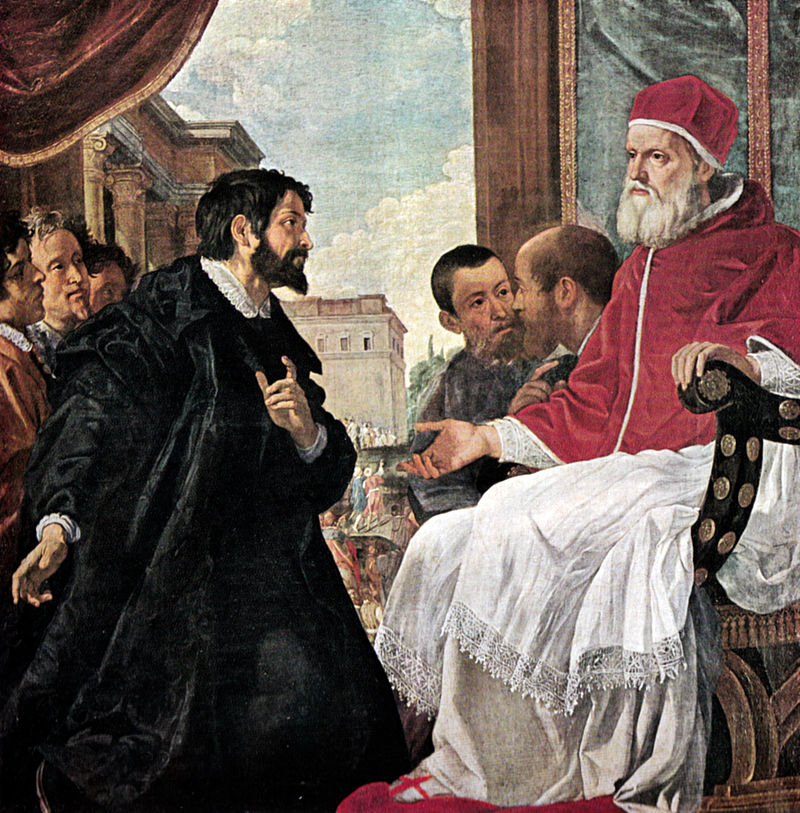
Fui successivamente costretto dalle circostanze e su preghiera di Pier Soderini a lasciare Firenze e recarmi a Bologna, con animo inquieto, per ottenere il perdono di Giulio II. Credevo che, placata la sua ira, mi avrebbe rimandato a Roma a proseguire la sua sepoltura, opera alla quale avevo già consacrato mente e fatica. Ma il pontefice aveva altri piani, altri progetti per la mente.
Fu così che mi commissionò una sua statua colossale in bronzo.
Vita dura e lavoro ostinato nella piccola casa bolognese
A Bologna non ero solo. Con me vi erano Pietro Urbano, Ludovico del Buono e Lapo d’Antonio, uomini fidati che condivisero con me non solo il lavoro, ma anche le privazioni. Il denaro era poco, e la nostra dimora ancor meno: una casa così angusta che oggi la chiamereste appena un monolocale. Dormivamo insieme nello stesso letto e vivevamo arrangiandoci in ogni necessità.
Eppure, in quelle condizioni, si doveva dar forma a un’opera degna di un papa.
Le fusioni fallite e la nascita del gigante di bronzo
La fusione del bronzo fu tormento e prova. La prima riuscì malissimo; la seconda solo in parte salvò l’impresa. Fu necessario un lungo lavoro di rinettatura, di pazienza e ostinazione, per restituire forma e dignità a quella figura che doveva dominare la città.
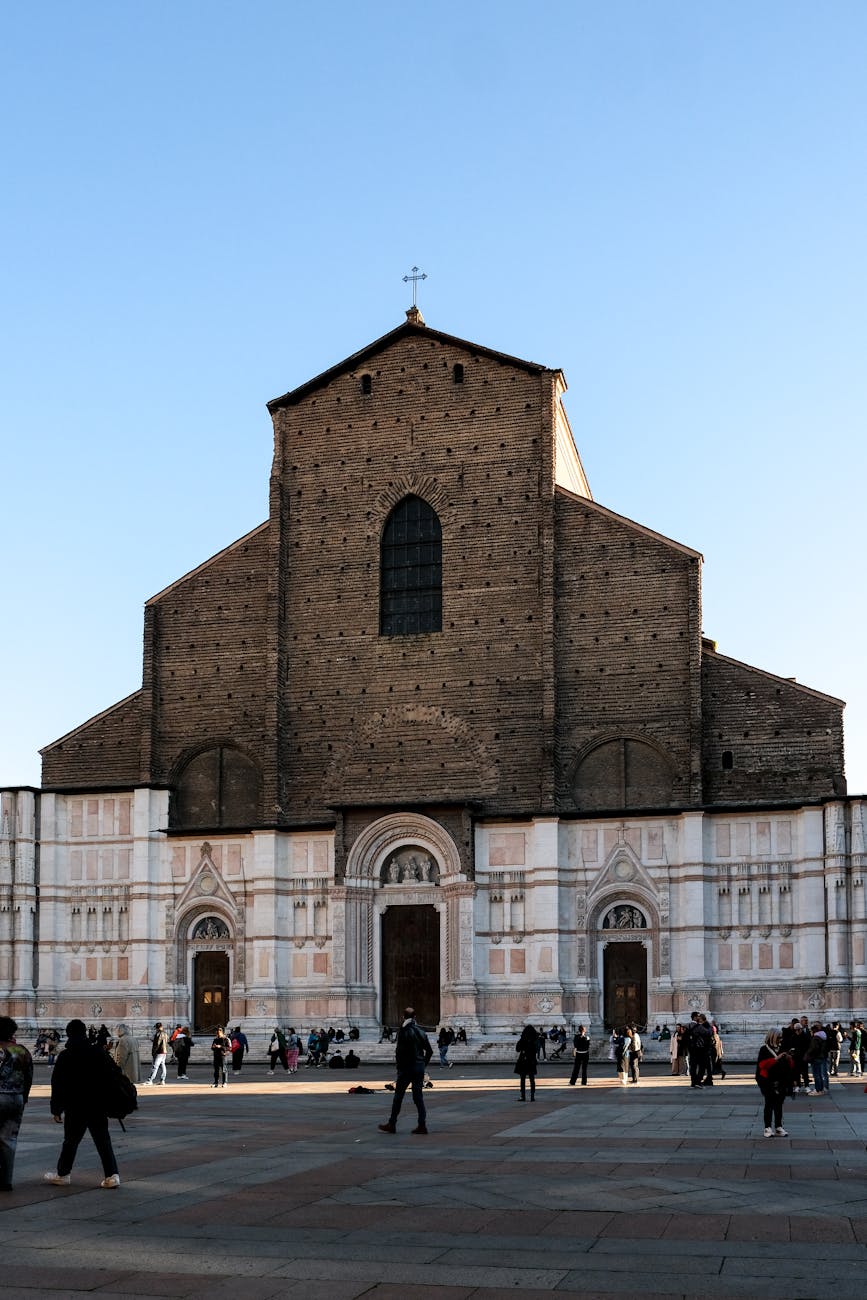
Finalmente, il 21 febbraio 1508, la statua fu issata sulla facciata di San Petronio, sopra la porta principale. Un momento solenne, fissato anche dalle parole di un anonimo dell’epoca:
“Adì 21 febbraio à hore 15
L’immagine di Papa Giulio II che era di metallo fu posta sopra la Porta grande di S. Petronio à hore
15 per punto d’Astrologia quale pesa libbre 17 mila et era alta piedi 9 e mezzo di comune e fù tirata su
per la Chiesa e fu fatto Allegrezza, et il Maestro che la fece fu Michel Angelo da Firenze Eccellentissimo
Pittore, e Scultore. Il Papa l’ha fatta fare à tutte sue spese e costò mille ducati d’oro benché vi sia dentro
la Campana che era su la torre di Messer Giovanni Bentivoglii et una Bombarda rotta”
Il 18 marzo 1508: lo svelamento davanti ai bolognesi
Poco tempo dopo, il 18 marzo 1508, il velo che copriva la statua fu fatto cadere. Il popolo di Bologna poté finalmente vedere quel Giulio II seduto, alto quasi cinque metri, imponente e severo.
Non benediceva. No. Pareva piuttosto ammonire, anzi, maledire. E così doveva essere, perché così lo volle il papa.
La distruzione del colosso: la politica che cancella l’arte
Non fu il tempo a consumare quell’opera ma gli uomini.
Quando i Bentivoglio tornarono al potere, ordinarono che la mia fusione che tante tribolazioni m’era costata, venisse abbattuta. Il colosso venne gettato a terra e distrutto. Solo la testa fu risparmiata, come un ultimo segno di ciò che era stato.
I resti furono inviati a Ferrara, al duca Alfonso d’Este, come pagamento di un debito contratto dalla città di Bologna.
Così finì quella mia immane fatica, nata tra miseria e ostinazione, innalzata con gloria e distrutta con violenza. Non sempre l’arte sopravvive agli uomini che la temono o la odiano.
Ma ciò che è stato creato tanta passione, in qualche modo, continua a vivere nel ricordo.
Per il momento il sempre vostro Michelangelo Buonarroti vi saluta dandovi appuntamento ai prossimi post e sui social.
March 18, 1508: The unveiling of the bronze Julius II in Bologna
March 18, 1508: That day, in Bologna, the veil fell. Before the eyes of the Bolognese, my Julius II appeared: a bronze colossus, almost five meters tall, seated and stern. He did not bless. He seemed to judge.
His story began with my flight from Rome, leaving behind Julius II, who refused to receive me, and the commission for his grandiose tomb.
I was subsequently forced by circumstances and at the request of Pier Soderini to leave Florence and travel to Bologna, with a restless spirit, to seek Julius II’s pardon. I believed that, once his anger had been appeased, he would send me back to Rome to continue his burial, a work to which I had already devoted my mind and energy. But the pontiff had other plans, other projects in his mind.
So he commissioned a colossal bronze statue of himself.
Hard life and dogged work in the small Bolognese house
In Bologna, I was not alone. With me were Pietro Urbano, Ludovico del Buono, and Lapo d’Antonio, trusted men who shared not only the work but also the hardships. Money was scarce, and our home even less so: a house so cramped that today you would barely call it a studio apartment. We slept together in the same bed and lived by making do with every necessity.
And yet, under those conditions, a work worthy of a pope had to be created.
The failed castings and the birth of the bronze giant
The casting of the bronze was torment and a test. The first was a disastrous success; the second only partially saved the enterprise. A long process of polishing, patience, and perseverance was needed to restore form and dignity to the figure that was to dominate the city.
Finally, on February 21, 1508, the statue was hoisted on the facade of San Petronio, above the main door. A solemn moment, also captured in the words of an anonymous writer of the time:
“On February 21st at 3:00 PM,
The image of Pope Julius II, made of metal, was placed above the Great Door of San Petronio at 15:00
by the astrological point. It weighs 17,000 pounds and was 9 and a half feet high. It was lifted
through the church and was named Allegrezza, and the master who made it was Michelangelo da Firenze, the most excellent
painter and sculptor. The Pope had it made entirely at his own expense, and it cost a thousand gold ducats, even though it contains
the bell that was on the tower of Messer Giovanni Bentivoglio and a broken bombard.”
March 18, 1508: the unveiling before the people of Bologna
Shortly afterward, on March 18, 1508, the veil covering the statue was removed. The people of Bologna could finally see that seated Julius II, almost five meters tall, imposing and stern.
He wasn’t blessing. No. Rather, he seemed to be admonishing, or rather, cursing. And so it had to be, because that’s what the Pope wanted.
The Destruction of the Colossus: Politics Erasing Art
It wasn’t time that consumed that work, but men.
When the Bentivoglio family returned to power, they ordered that my casting, which had cost me so much tribulation, be demolished. The Colossus was thrown to the ground and destroyed. Only the head was spared, as a final sign of what had been.
The remains were sent to Ferrara, to Duke Alfonso d’Este, in payment of a debt incurred by the city of Bologna.
Thus ended my immense labor, born amidst poverty and obstinacy, raised with glory and destroyed with violence. Art does not always outlive the men who fear or hate it.
But what was created with such passion, somehow, lives on in our memories.
For now, yours truly, Michelangelo Buonarroti bids you farewell, and we’ll see you in future posts and on social media.

Sostienici – Support Us
Se questo blog ti piace e ti appassiona, puoi aiutarci a farlo crescere sempre più sostenendoci in modo concreto condividendo i post, seguendo le pagine social e con un contributo che ci aiuta ad andare avanti con il nostro lavoro di divulgazione. . ENGLISH: If you like and are passionate about this blog, you can help us make it grow more and more by supporting us in a concrete way by sharing posts, following social pages and with a contribution that helps us to move forward with our dissemination work.
10,00 €
Articoli
Condividi:


Questo sono io





sostienici

Sostienici – Support Us
Se questo blog ti piace e ti appassiona, puoi aiutarci a farlo crescere sempre più sostenendoci in modo concreto condividendo i post, seguendo le pagine social e con un contributo che ci aiuta ad andare avanti con il nostro lavoro di divulgazione. . ENGLISH: If you like and are passionate about this blog, you can help us make it grow more and more by supporting us in a concrete way by sharing posts, following social pages and with a contribution that helps us to move forward with our dissemination work.
€10,00


