
5 marzo 1570: Cosimo I de’ Medici incoronato Granduca di Toscana nella Cappella Sistina
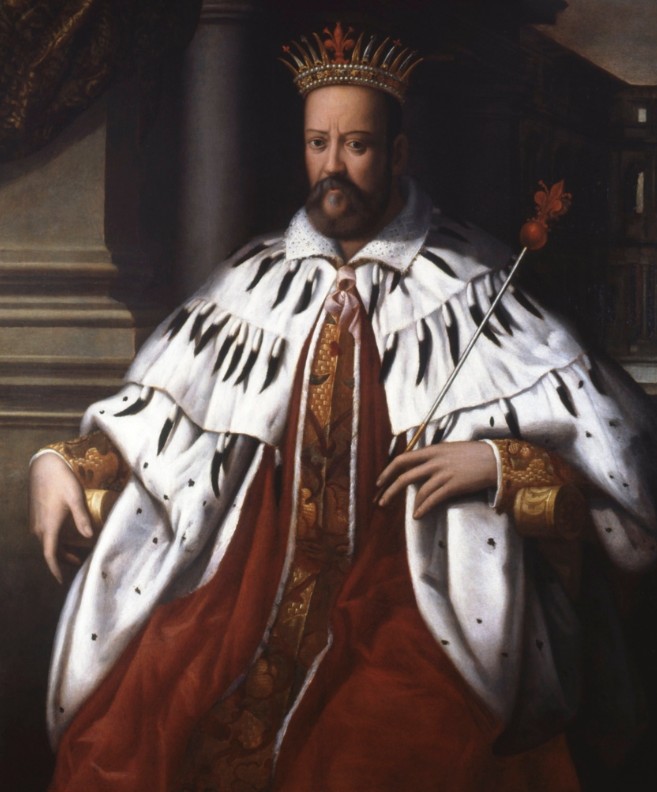
Il 5 marzo 1570 Cosimo I de’ Medici venne solennemente incoronato Granduca di Toscana da Papa Pio V Ghislieri nella Cappella Sistina.
La cerimonia rappresentò il punto culminante di una lunga e complessa trattativa diplomatica che aveva impegnato il duca mediceo per anni. Con quella incoronazione la Toscana ottenne un titolo sovrano di grande prestigio, capace di collocare lo Stato mediceo tra le principali realtà politiche europee del XVI secolo.
Dalle origini medicee alla guida di Firenze
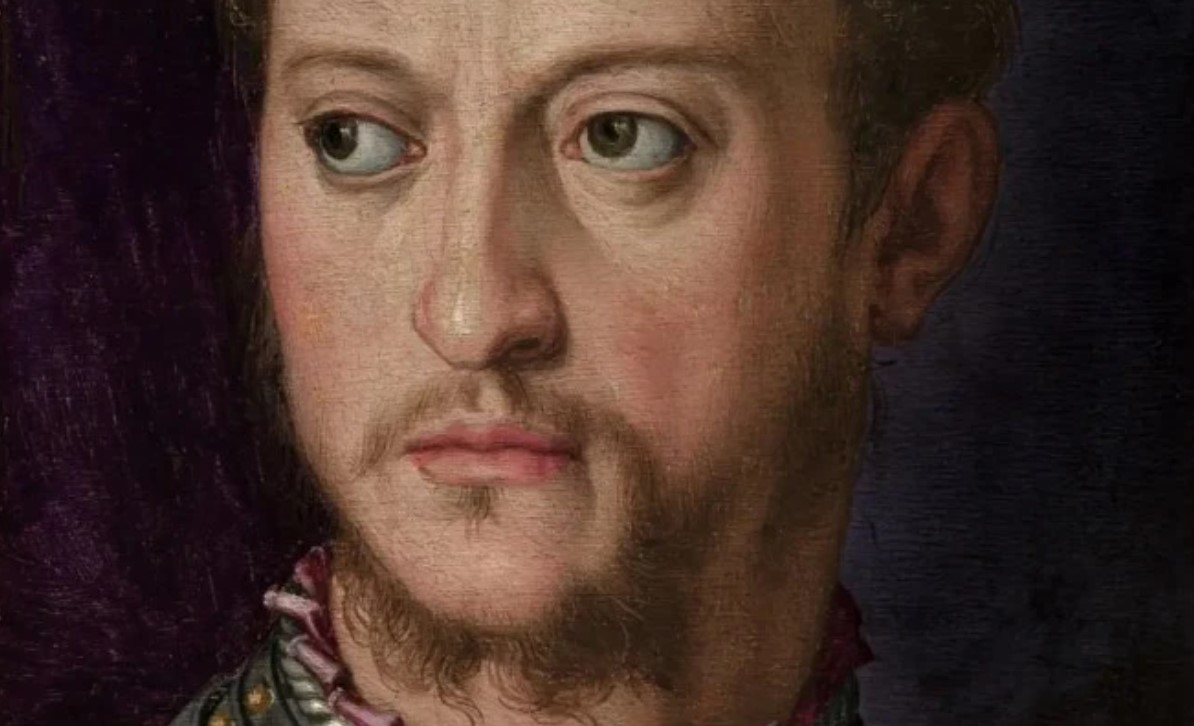
Cosimo nacque a Firenze nel 1519 ed era figlio del celebre condottiero Giovanni delle Bande Nere e di Maria Salviati. La sua infanzia fu segnata dalle turbolenze politiche che caratterizzavano la città e l’intera Toscana in quegli anni.
Gran parte della sua giovinezza si svolse lontano dai centri del potere, nel Mugello, presso il Castello del Trebbio, dove visse con la madre mentre Firenze era attraversata da congiure e tensioni tra le grandi famiglie aristocratiche.
Il destino politico di Cosimo cambiò improvvisamente nel 1537, dopo l’assassinio del duca Alessandro de’ Medici. Il Senato fiorentino lo scelse come nuovo duca ritenendolo inizialmente un giovane facilmente controllabile. In realtà Cosimo dimostrò rapidamente grande abilità politica e consolidò il proprio potere con determinazione.

Le riforme e la trasformazione dello Stato fiorentino
Durante il suo lungo governo Cosimo avviò una profonda riorganizzazione dello Stato. Il suo obiettivo era creare un sistema politico più stabile ed efficiente rispetto alla tradizione repubblicana che per secoli aveva caratterizzato la vita politica fiorentina.
Il nuovo duca rafforzò notevolmente il potere centrale ridimensionando il ruolo degli antichi organi di rappresentanza cittadini. Allo stesso tempo sviluppò un apparato amministrativo moderno e una burocrazia capace di governare un territorio sempre più ampio. Questo processo portò alla nascita di uno Stato territoriale più solido e organizzato, destinato a diventare il nucleo del futuro Granducato.

L’espansione territoriale e la conquista di Siena
Accanto alla riforma delle istituzioni Cosimo portò avanti una decisa politica espansionistica. Il suo progetto era quello di unificare gran parte della Toscana sotto il controllo dei Medici, creando uno Stato forte e territorialmente compatto.
La svolta arrivò con la guerra contro la Repubblica di Siena. Dopo un lungo conflitto la città cadde nel 1555 e il suo territorio entrò a far parte dello Stato mediceo. Questa conquista rappresentò un momento decisivo, perché consentì a Cosimo di controllare gran parte della Toscana e di rafforzare il proprio prestigio politico.
Il dominio su Siena e su ampie porzioni del litorale tirrenico rese il ducato una realtà territoriale molto più vasta e influente rispetto al passato.
Le difficili trattative diplomatiche per il titolo di Granduca
Il rafforzamento dello Stato spinse Cosimo a cercare un titolo più prestigioso di quello ducale. L’obiettivo era ottenere il riconoscimento di Granduca di Toscana, un titolo che lo avrebbe collocato sul piano delle grandi monarchie europee.
Le trattative diplomatiche iniziarono durante il pontificato di Papa Pio IV, ma incontrarono subito forti resistenze. Le principali opposizioni provenivano dal Regno di Spagna e dal Sacro Romano Impero, potenze che temevano un rafforzamento eccessivo dei Medici nella penisola italiana.
La situazione cambiò con l’elezione al soglio pontificio di Papa Pio V nel 1566. Il nuovo papa si dimostrò più favorevole alla causa medicea e nel 1569 decise di concedere ufficialmente il titolo.
La bolla papale del 1569
Nel 1569 Papa Pio V emanò una solenne bolla pontificia con cui conferiva a Cosimo il titolo di Granduca di Toscana. Il documento sanciva formalmente l’elevazione dello Stato mediceo a una dignità politica superiore rispetto ai tradizionali ducati italiani.
La bolla fu letta pubblicamente a Firenze nel Palazzo Ducale dal funzionario mediceo Giovanbattista Concini, in una cerimonia che suscitò grande entusiasmo tra i sostenitori del nuovo regime.
Tuttavia, per rendere pienamente effettivo il riconoscimento era necessaria una solenne cerimonia di incoronazione.
L’incoronazione del 5 marzo 1570
La cerimonia ufficiale ebbe luogo il 5 marzo 1570 a Roma. Cosimo fu ricevuto dal pontefice in Vaticano e la celebrazione si svolse nella Cappella Sistina, uno dei luoghi più simbolici della cristianità.
Durante il rito solenne Papa Pio V pose la corona sul capo del sovrano, riconoscendolo ufficialmente come Granduca di Toscana. L’evento ebbe un forte valore politico e simbolico, perché sanciva definitivamente l’ascesa dei Medici tra le grandi dinastie europee.
La nascita del Granducato di Toscana
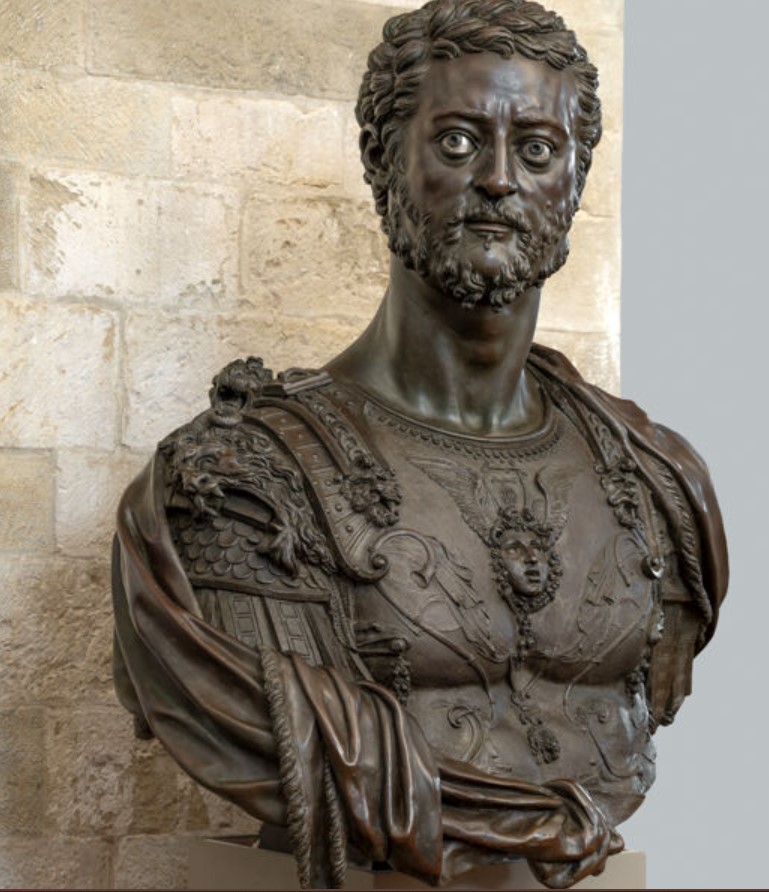
Con l’incoronazione del 1570 nacque ufficialmente il Granducato di Toscana, uno Stato destinato a svolgere un ruolo importante nella storia italiana per oltre due secoli.
Il nuovo titolo rafforzò il prestigio internazionale della dinastia medicea e consolidò il potere costruito da Cosimo nel corso di decenni di governo. Grazie alla sua politica amministrativa, militare e diplomatica, la Toscana divenne uno degli Stati più stabili della penisola nel pieno dell’età moderna.
Per il momento il sempre vostro Michelangelo Buonarroti vi saluta dandovi appuntamento ai prossimi post e sui social.

March 5, 1570: Cosimo I de’ Medici crowned Grand Duke of Tuscany in the Sistine Chapel
On March 5, 1570, Cosimo I de’ Medici was solemnly crowned Grand Duke of Tuscany by Pope Pius V Ghislieri in the Sistine Chapel.
The ceremony marked the culmination of a long and complex diplomatic negotiation that had occupied the Medici duke for years. With that coronation, Tuscany obtained a sovereign title of great prestige, placing the Medici State among the leading European political powers of the 16th century.
From the Medici Origins to the Leadership of Florence
Cosimo was born in Florence in 1519, the son of the famous condottiero Giovanni delle Bande Nere and Maria Salviati. His childhood was marked by the political turbulence that characterized the city and the whole of Tuscany in those years.
Much of his youth was spent far from the centers of power, in the Mugello region, at the Trebbio Castle, where he lived with his mother while Florence was gripped by conspiracies and tensions between the great aristocratic families.
Cosimo’s political destiny changed suddenly in 1537, after the assassination of Duke Alessandro de’ Medici. The Florentine Senate chose him as the new duke, initially believing him to be an easily controllable young man. In reality, Cosimo quickly demonstrated great political skill and consolidated his power with determination.
Reforms and Transformation of the Florentine State
During his long reign, Cosimo initiated a profound reorganization of the state. His goal was to create a more stable and efficient political system than the republican tradition that had characterized Florentine political life for centuries.
The new duke significantly strengthened central power by reducing the role of the city’s ancient representative bodies. At the same time, he developed a modern administrative apparatus and a bureaucracy capable of governing an ever-expanding territory. This process led to the birth of a more solid and organized territorial state, destined to become the nucleus of the future Grand Duchy.
Territorial Expansion and the Conquest of Siena
Alongside institutional reform, Cosimo pursued a decisive expansionist policy. His plan was to unify much of Tuscany under the control of the Medici, creating a strong and territorially compact state.
The turning point came with the war against the Republic of Siena. After a long conflict, the city fell in 1555, and its territory became part of the Medici State. This conquest represented a decisive moment, as it allowed Cosimo to control much of Tuscany and strengthen his political prestige.
Domination over Siena and large portions of the Tyrrhenian coast made the Duchy a much larger and more influential territorial entity than before.
The Difficult Diplomatic Negotiations for the Title of Grand Duke
The strengthening of the state pushed Cosimo to seek a more prestigious title than that of duke. The goal was to obtain recognition as Grand Duke of Tuscany, a title that would place him on the same level as the great European monarchies.
Diplomatic negotiations began during the pontificate of Pope Pius IV, but immediately encountered strong resistance. The main opposition came from the Kingdom of Spain and the Holy Roman Empire, powers that feared an excessive strengthening of the Medici in the Italian peninsula.
The situation changed with the election of Pope Pius V to the papacy in 1566. The new pope proved more sympathetic to the Medici cause and in 1569 decided to officially grant the title.
The Papal Bull of 1569
In 1569, Pope Pius V issued a solemn papal bull conferring on Cosimo the title of Grand Duke of Tuscany. The document formally sanctioned the elevation of the Medici State to a political dignity superior to the traditional Italian duchies.
The bull was read publicly in Florence at the Palazzo Ducale by the Medici official Giovanbattista Concini, in a ceremony that sparked great enthusiasm among supporters of the new regime.
However, to make the recognition fully effective, a solemn coronation ceremony was necessary.
The Coronation of March 5, 1570
The official ceremony took place on March 5, 1570, in Rome. Cosimo was received by the pontiff in the Vatican, and the celebration took place in the Sistine Chapel, one of the most symbolic places in Christianity.
During the solemn ceremony, Pope Pius V placed the crown on the sovereign’s head, officially recognizing him as Grand Duke of Tuscany. The event had strong political and symbolic significance, as it definitively sealed the rise of the Medici family among the great European dynasties.
The Birth of the Grand Duchy of Tuscany
With the coronation in 1570, the Grand Duchy of Tuscany was officially born, a state destined to play an important role in Italian history for over two centuries.
The new title strengthened the international prestige of the Medici dynasty and consolidated the power built by Cosimo over decades of rule. Thanks to his administrative, military, and diplomatic policies, Tuscany became one of the most stable states in the peninsula at the height of the modern age.
For now, yours truly, Michelangelo Buonarroti bids you farewell and invites you to join him in future posts and on social media.

Sostienici – Support Us
Se questo blog ti piace e ti appassiona, puoi aiutarci a farlo crescere sempre più sostenendoci in modo concreto condividendo i post, seguendo le pagine social e con un contributo che ci aiuta ad andare avanti con il nostro lavoro di divulgazione. . ENGLISH: If you like and are passionate about this blog, you can help us make it grow more and more by supporting us in a concrete way by sharing posts, following social pages and with a contribution that helps us to move forward with our dissemination work.
10,00 €
Articoli
Condividi:


Questo sono io





sostienici

Sostienici – Support Us
Se questo blog ti piace e ti appassiona, puoi aiutarci a farlo crescere sempre più sostenendoci in modo concreto condividendo i post, seguendo le pagine social e con un contributo che ci aiuta ad andare avanti con il nostro lavoro di divulgazione. . ENGLISH: If you like and are passionate about this blog, you can help us make it grow more and more by supporting us in a concrete way by sharing posts, following social pages and with a contribution that helps us to move forward with our dissemination work.
€10,00


