

Incatenato senza catena: il paradosso dell’amore
Nei pochi versi di un mio madrigale, volli manifestare il mio stupore e la pena che mi dannava l’animo, domandando qual forza fosse quella che, contro ogni mio proponimento, mi conduceva verso l’amato mio.
Non fu volontà mia, e pur vi fui tratto, come chi seguisse un moto più alto di sé. Il triplice grido oilmè, oilmè, oilmè nacque da questa meraviglia dolente, ed era modo antico, spesso usato nella poesia popolare del Quattrocento, per rendere più vivo il gemito dell’animo afflitto.
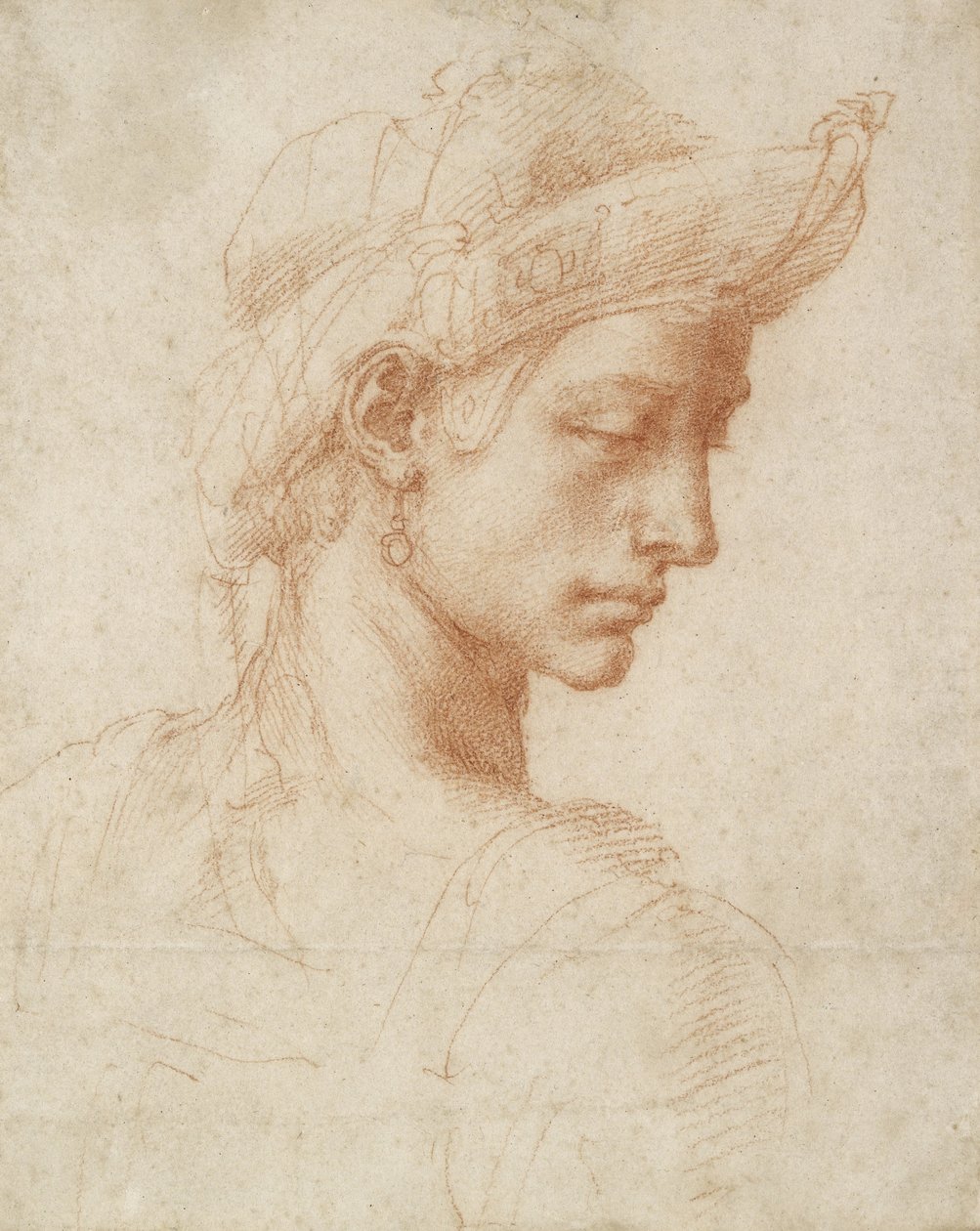
Ma ciò che maggiormente mi turbò fu lo stato contraddittorio in cui mi ritrovai: legato e stretto, e nondimeno libero e sciolto. Nessun ferro mi strinse, nessun nodo mi trattenne, e pur non potei fuggire. Questo fu proprio dell’amore, il quale non prese il corpo, ma possedette l’anima, e con legami invisibili tenne più che con catene manifeste.
L’amato mio mi incatenò senza catena, e senza mani né braccia mi raccolse e mi tenne. Non vi fu violenza ma la forza della bellezza. E quanto meno essa apparve costrizione, tanto più salda fu la presa, poiché chi ama si dona senza essere costretto.
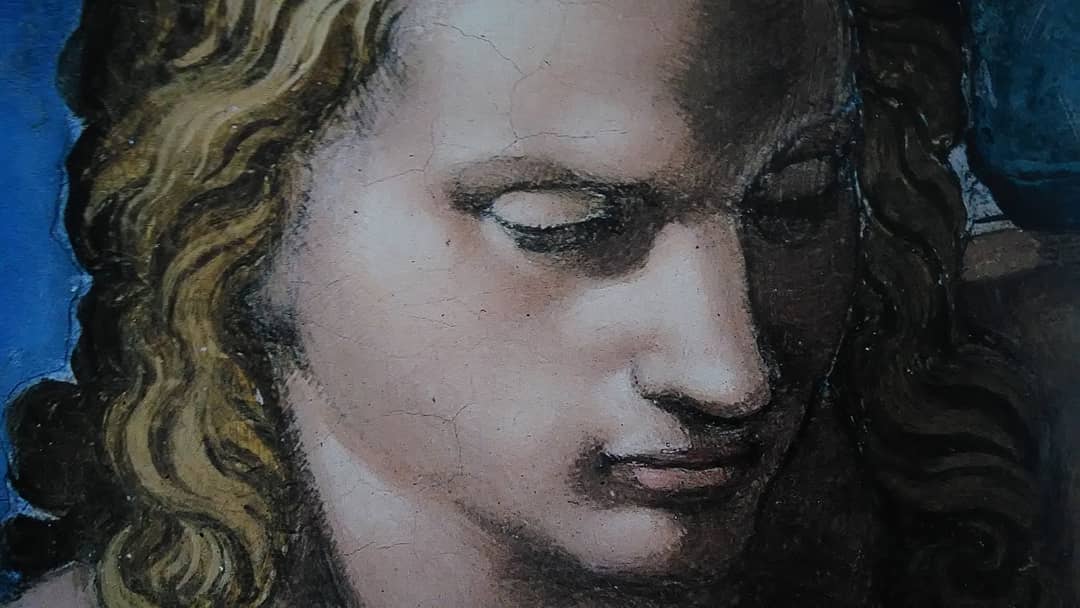
La condizione dell’amante: parve che fosse libero, e invece fu preso; credette di dominarsi, e invece fu vinto. Così l’anima rimase sospesa tra libertà e servitù, e non seppe da qual parte più pendere.
Onde nel fine mi domandai chi mai mi avrebbe difeso dal suo bel volto. Non chiesi scampo da un nemico, ma da ciò che più desiderai. La bellezza disarmò, vinse senza colpo, e rese vano ogni riparo. Contro essa non giovarono forza né senno, poiché l’offesa fu insieme dolcezza.
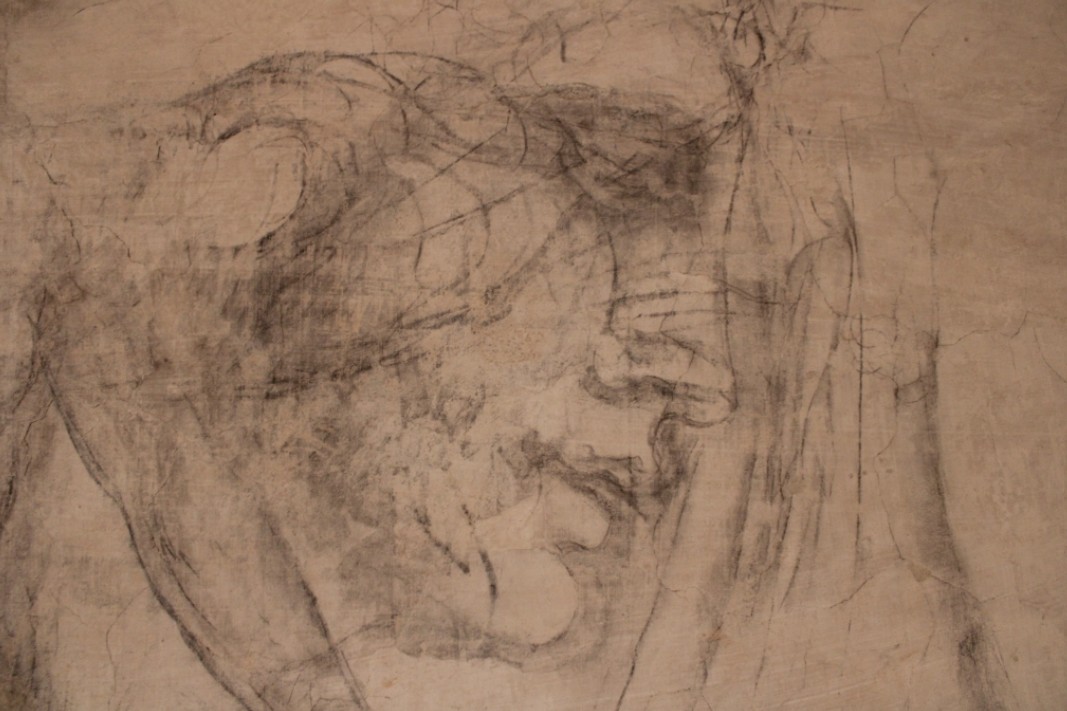
In questi versi cercai di mostrare come l’amore non costrinse, ma regnò; non ferì, ma conquistò. E come l’uomo, credendosi sciolto, scopre infine d’essere legato proprio là dove più amò.
Chi è quel che per forza a te mi mena,
oilmè, oilmè, oilmè,
legato e stretto, e son libero e sciolto?
Se tu incateni altrui senza catena,
e senza mane o braccia m’hai raccolto,
chi mi difenderà dal tuo bel volto?
Per il momento il sempre vostro Michelangelo Buonarroti vi saluta dandovi appuntamento ai prossimi post e sui social.
Chained without a Chain: The Paradox of Love
In the few lines of one of my madrigals, I wanted to express my astonishment and the pain that tormented my soul, asking what force it was that, against all my intentions, led me toward my beloved.
It was not my will, and yet I was drawn, as if following a higher impulse. The triple cry “oilè, oilè, oilè” arose from this painful wonder, and was an ancient way, often used in fifteenth-century folk poetry, to make the groan of the afflicted soul more vivid.
But what most disturbed me was the contradictory state in which I found myself: bound and tight, and yet free and loose. No irons constrained me, no knot held me back, and yet I could not escape. This was true of love, which did not take the body, but possessed the soul, and held with invisible bonds more than with visible chains.
My beloved chained me without a chain, and without hands or arms he gathered me and held me. There was no violence, but the strength of beauty. And the less it seemed like constraint, the firmer was the hold, for he who loves gives himself without being forced.
The lover’s condition: he seemed free, and instead was captured; he thought he had mastered himself, and instead was conquered. Thus the soul remained suspended between freedom and servitude, and did not know which side to lean on.
So in the end I asked myself who would defend me from her beautiful face. I did not ask for escape from an enemy, but from what I most desired. Beauty disarmed, conquered without a blow, and rendered every defense vain. Against her, neither strength nor wisdom were of any avail, for the offense was at the same time sweetness.
In these verses I tried to show how love did not constrain, but reigned; did not wound, but conquered. And how man, believing himself free, finally discovers that he is bound precisely where he loved most.
Chi è quel che per forza a te mi mena,
oilmè, oilmè, oilmè,
legato e stretto, e son libero e sciolto?
Se tu incateni altrui senza catena,
e senza mane o braccia m’hai raccolto,
chi mi difenderà dal tuo bel volto?
For now, yours truly, Michelangelo Buonarroti, bids farewell and invites you to join him in future posts and on social media.

Sostienici – Support Us
Se questo blog ti piace e ti appassiona, puoi aiutarci a farlo crescere sempre più sostenendoci in modo concreto condividendo i post, seguendo le pagine social e con un contributo che ci aiuta ad andare avanti con il nostro lavoro di divulgazione. . ENGLISH: If you like and are passionate about this blog, you can help us make it grow more and more by supporting us in a concrete way by sharing posts, following social pages and with a contribution that helps us to move forward with our dissemination work.
10,00 €
Condividi:


Questo sono io





sostienici

Sostienici – Support Us
Se questo blog ti piace e ti appassiona, puoi aiutarci a farlo crescere sempre più sostenendoci in modo concreto condividendo i post, seguendo le pagine social e con un contributo che ci aiuta ad andare avanti con il nostro lavoro di divulgazione. . ENGLISH: If you like and are passionate about this blog, you can help us make it grow more and more by supporting us in a concrete way by sharing posts, following social pages and with a contribution that helps us to move forward with our dissemination work.
€10,00


