
Giulio II: il papa guerriero e la nascita di una nuova immagine del potere
Giulio II della Rovere, pontefice con il quale ebbi molto a che fare, è una delle figure più affascinanti, emblematiche e contraddittorie del Rinascimento.
Eletto papa nel 1503, Giulio II è passato alla storia come il papa guerriero. Fu protagonista in prima linea di imprese militari, campagne di intimidazione politica e scatenò grandi tensioni diplomatiche.
Eppure, dietro la corazza del condottiero, vi posso confermare fosse una persona assai meditativa e per niente lontana dalla fede cristiana.
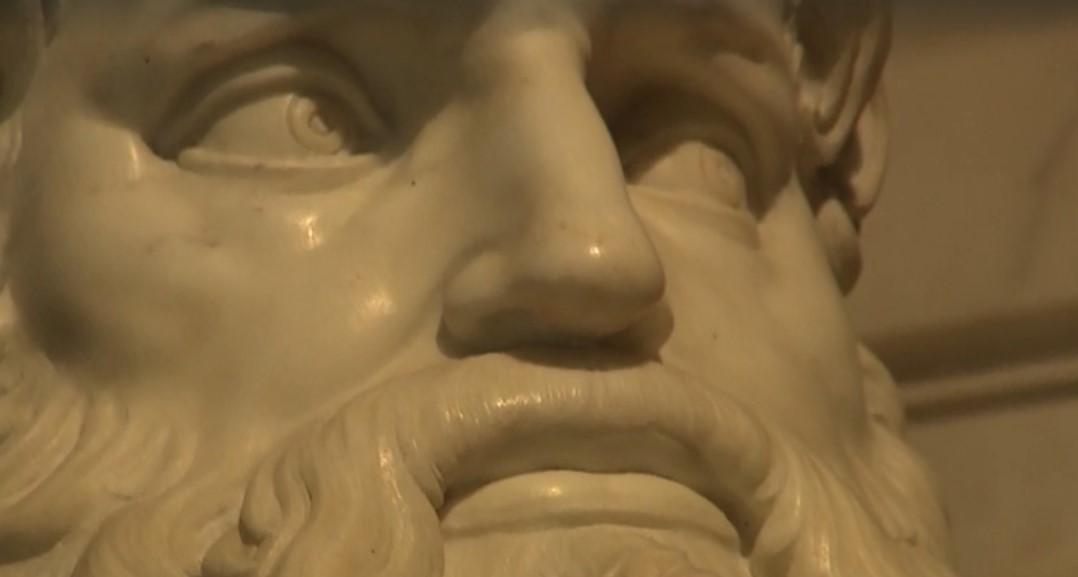

Nel 1506 il pontefice con le sue truppe strappò Bologna alla signoria dei Bentivoglio, riconducendo la città al domino della Chiesa. Quell’evento ebbe implicazioni importantissime in ogni aspetto della vita cittadina, arte compresa.
Bologna assieme all’attigua Ferrara, al tempo poteva contar su artisti di prim’ordine come Francesco del Cossa, Ercole de Roberti, Lorenzo Costa, tra i ferraresi che operavano in città, accanto ai bolognesi Francesco Francia e Amico Aspertini.
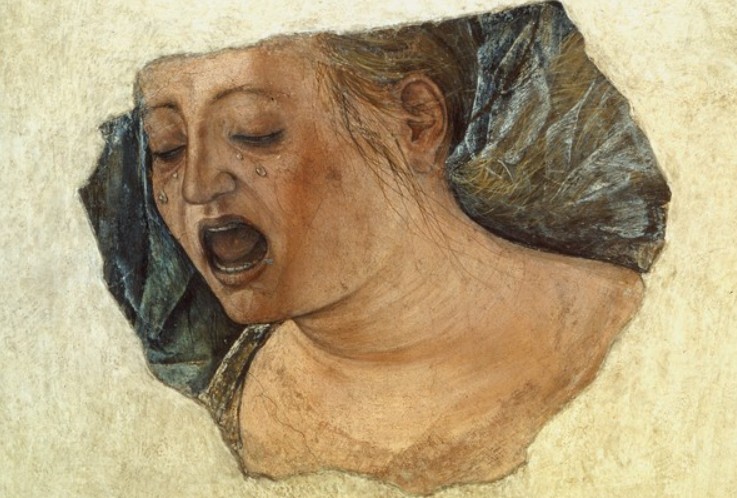
Questi artisti che fino al momento erano i protagonisti assoluti della scena locale sotto i Bentivoglio, con l’arrivo del pontefice dovettero confrontarsi con me, con Raffaello e il Bramante.
La durezza politica di Giulio II spesso farcita di ambizione personale, rispondeva a un progetto ben preciso. La sua intenzione era infatti quella di riportare unità ai principi cristiani, scacciare i cosiddetti infedeli che minacciavano l’Italia e nel frattempo preparare una grande crociata per la riconquista della Terra Santa.
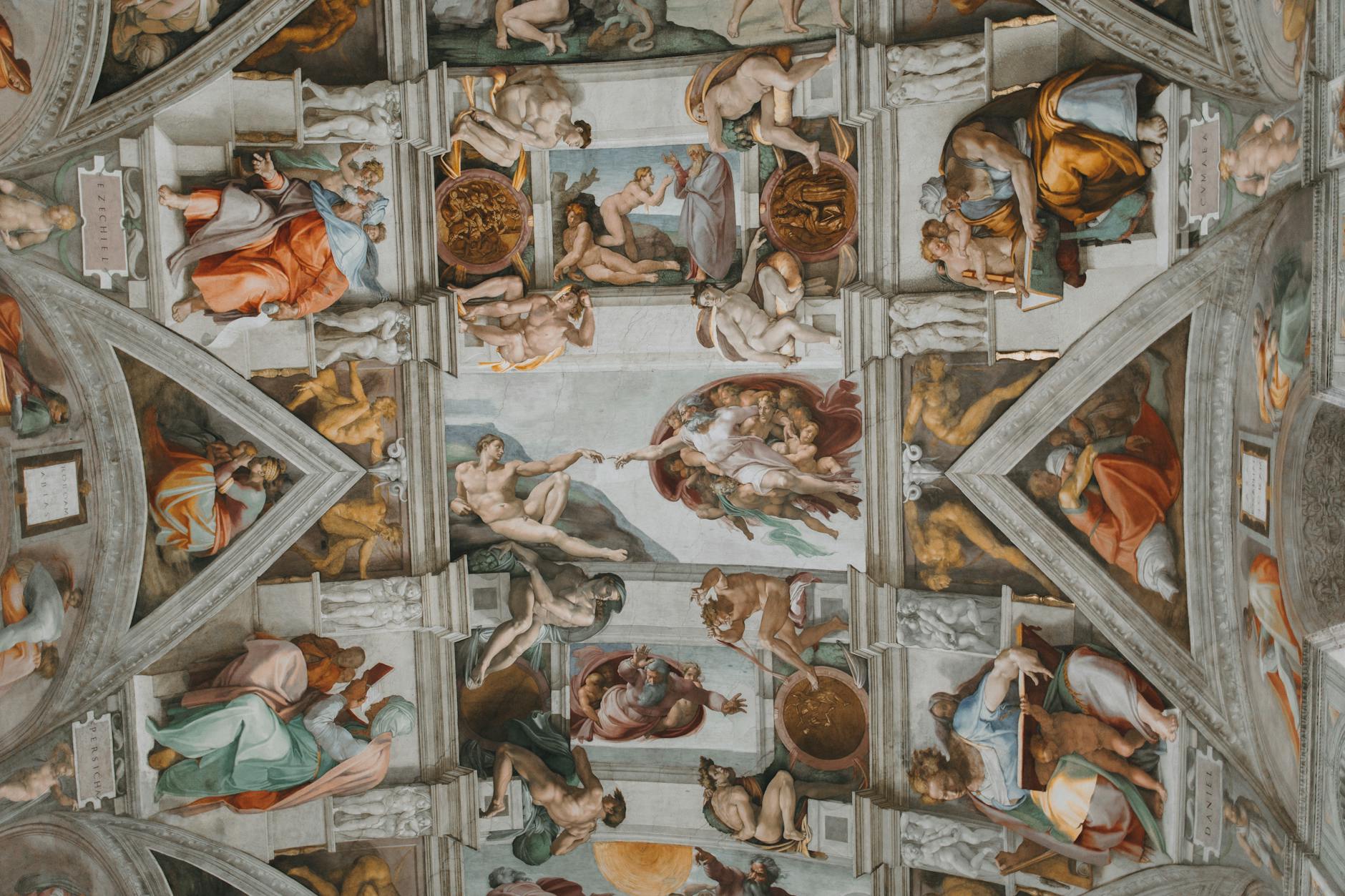
Il pontefice della Rovere fu anche il megalomane promotore di una delle stagioni culturali più straordinarie d’Europa: la costruzione della nuova Basilica di San Pietro affidata al Bramante, gli affreschi delle Stanze affidate a Raffaello, la volta della Cappella Sistina, il grande Giulio II in bronzo e la sua Tomba con il Mosè affidata a me.
E’ cosa nota che il papa con me avesse un rapporto tormentato ma intenso. Avevamo entrambi temperamenti focosi e più di una volta ci scontrammo. Nella Bologna appena conquistata da Giulio II, il papa mi commissionò la grande opera in bronzo che lo ritraeva da issare sopra il portale principale di San Petronio.
Non voleva un ritratto che lo ritraesse come un uomo della chiesa ma preferì di gran lunga un’opera che lo mostrasse seduto in trono e armato del simbolo del potere papale.
Insomma, papa Giulio II fu un uomo di arte, guerra e fede, un mecenate troppo spesso collerico ma visionario che fece dell’arte il linguaggio più efficace del proprio potere.
Julius II: The Warrior Pope and the Birth of a New Image of Power
Pope Julius II della Rovere, with whom I had much to do, is one of the most fascinating and contradictory figures of the Renaissance.
Elected pope in 1503, Julius II has gone down in history as the warrior pope. He was at the forefront of military exploits, campaigns of political intimidation, and sparked great diplomatic tensions. Yet, behind the armor of a condottiere, I can confirm he was a very thoughtful person and not at all distant from the Christian faith.
In 1506, the pontiff and his troops wrested Bologna from the Bentivoglio family, returning the city to the rule of the Church. That event had profound implications for every aspect of city life, including art. At the time, Bologna, along with neighboring Ferrara, could count on first-rate artists such as Francesco del Cossa, Ercole de Roberti, and Lorenzo Costa, among the Ferrarese artists working in the city, alongside Bolognese artists Francesco Francia and Amico Aspertini.
These artists, who until then had been the undisputed protagonists of the local scene under the Bentifoglio family, with the arrival of the pontiff had to compete with me, Raphael, and Bramante.
Julius II’s political harshness, often tinged with personal ambition, was part of a very specific plan. His intention was to restore unity to Christian principles, expel the so-called infidels who threatened Italy, and at the same time prepare a great crusade to reconquer the Holy Land.
Pope della Rovere was also the megalomaniac promoter of one of Europe’s most extraordinary cultural periods: the construction of the new St. Peter’s Basilica entrusted to Bramante, the frescoes in the Rooms entrusted to Raphael, the Sistine Chapel ceiling, the great bronze Julius II, and his Tomb with Moses entrusted to me.
It is well known that the pope had a troubled but intense relationship with me. We both had fiery temperaments and clashed more than once. In Bologna, recently conquered by Julius II, the pope commissioned me to create the large bronze work of his portrait to be hoisted above the main portal of San Petronio. He did not want a portrait that portrayed him as a man of the church but much preferred one that depicted him seated on a throne and armed with the symbol of papal power.
In short, Pope Julius II was a man of art, war, and faith, an often irascible yet visionary patron who made art the most effective expression of his power.

Sostienici – Support Us
Se questo blog ti piace e ti appassiona, puoi aiutarci a farlo crescere sempre più sostenendoci in modo concreto condividendo i post, seguendo le pagine social e con un contributo che ci aiuta ad andare avanti con il nostro lavoro di divulgazione. . ENGLISH: If you like and are passionate about this blog, you can help us make it grow more and more by supporting us in a concrete way by sharing posts, following social pages and with a contribution that helps us to move forward with our dissemination work.
10,00 €
Condividi:


Questo sono io





sostienici

Sostienici – Support Us
Se questo blog ti piace e ti appassiona, puoi aiutarci a farlo crescere sempre più sostenendoci in modo concreto condividendo i post, seguendo le pagine social e con un contributo che ci aiuta ad andare avanti con il nostro lavoro di divulgazione. . ENGLISH: If you like and are passionate about this blog, you can help us make it grow more and more by supporting us in a concrete way by sharing posts, following social pages and with a contribution that helps us to move forward with our dissemination work.
€10,00


