
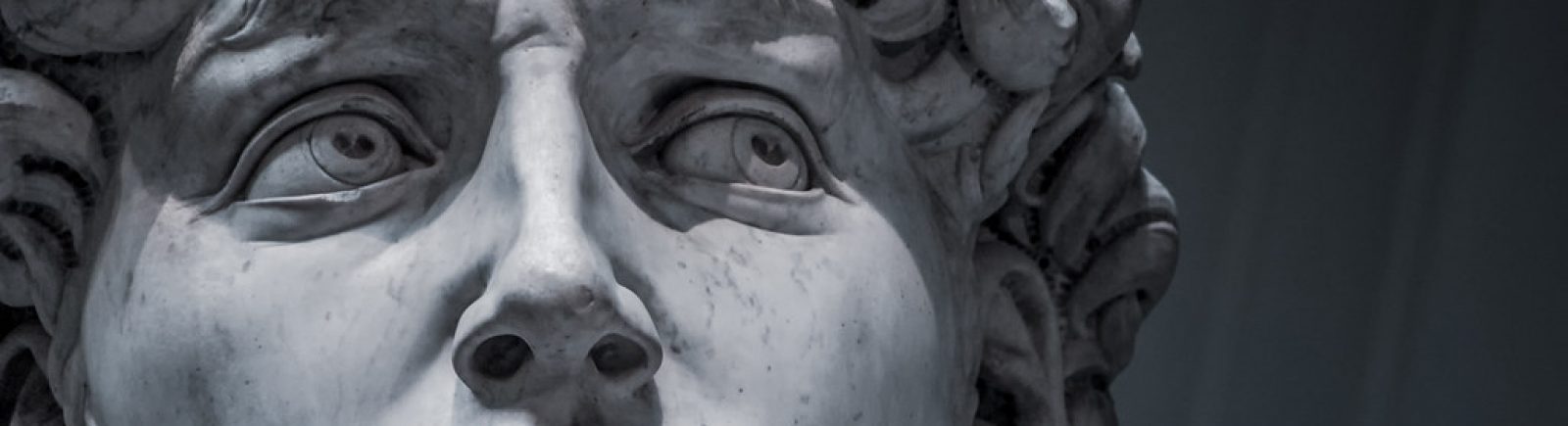
Il fascino del Teatro Guglielmi di Massa
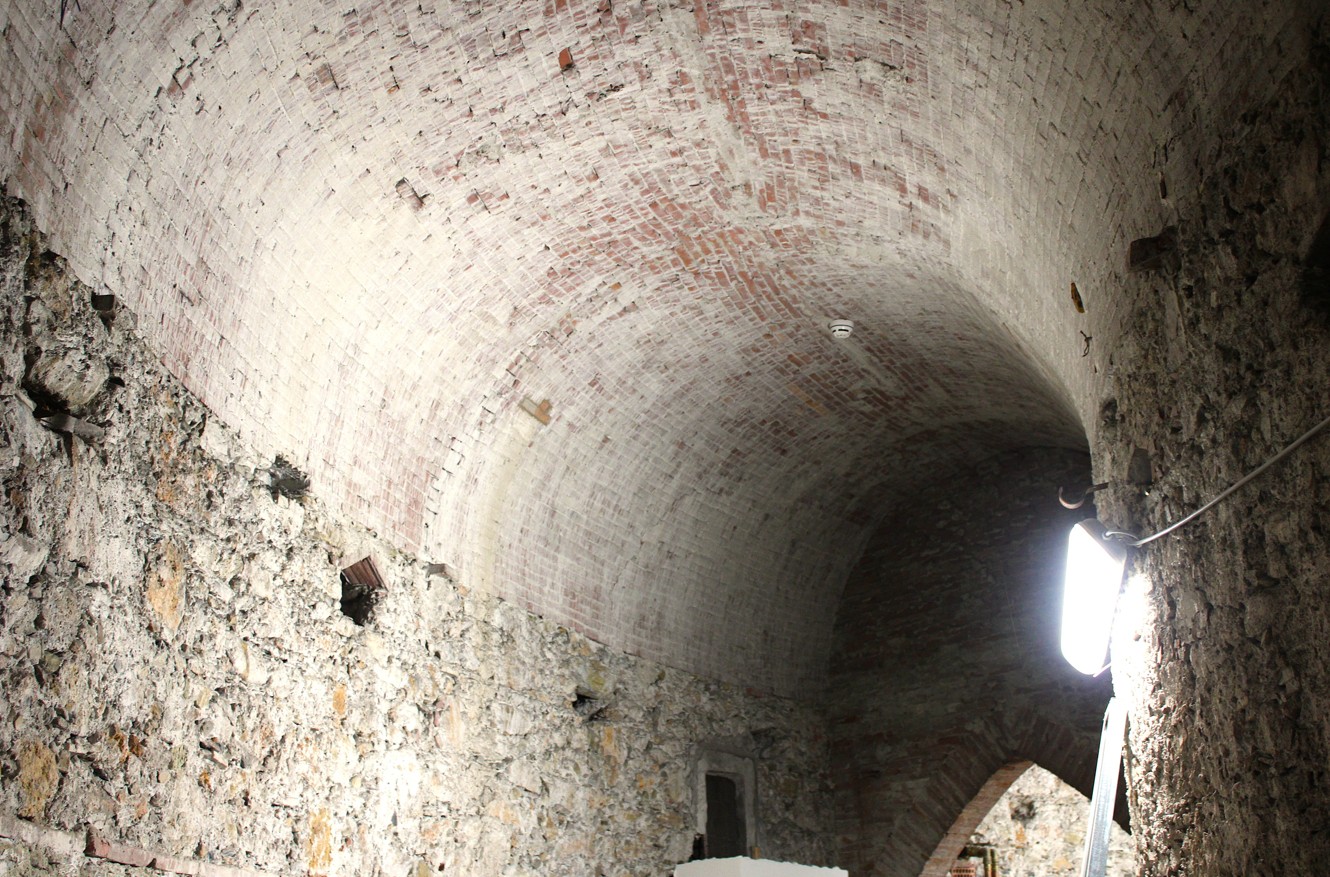
Il Teatro Guglielmi è uno dei punti focali culturali più importanti della città di Massa. Costruito nell’Ottocento su progetto di Vincenzo Micheli, custodisce a sorpresa, nei sotterranei, una struttura ispirata direttamente all’architettura romana per sorreggere il peso dei tre ordini di palchetti e del loggione: quella del Colosseo.
Dovete sapere che il Guglielmi fu il primo vero teatro pubblico della città. I due precedenti infatti erano privati e divenivano accessibili sono durante occasioni particolari.

Entrando nel Teatro ci si ritrova faccia a faccia con due busti in marmo che sono lì dal giorno in cui venne inaugurato il teatro. Realizzati da mano sconosciuta, raffigurano Pier Alessandro Guglielmi, noto compositore nato a Massa il 9 dicembre 1728 a cui il teatro venne intitolato, e il librettista Paolo Ferrari.
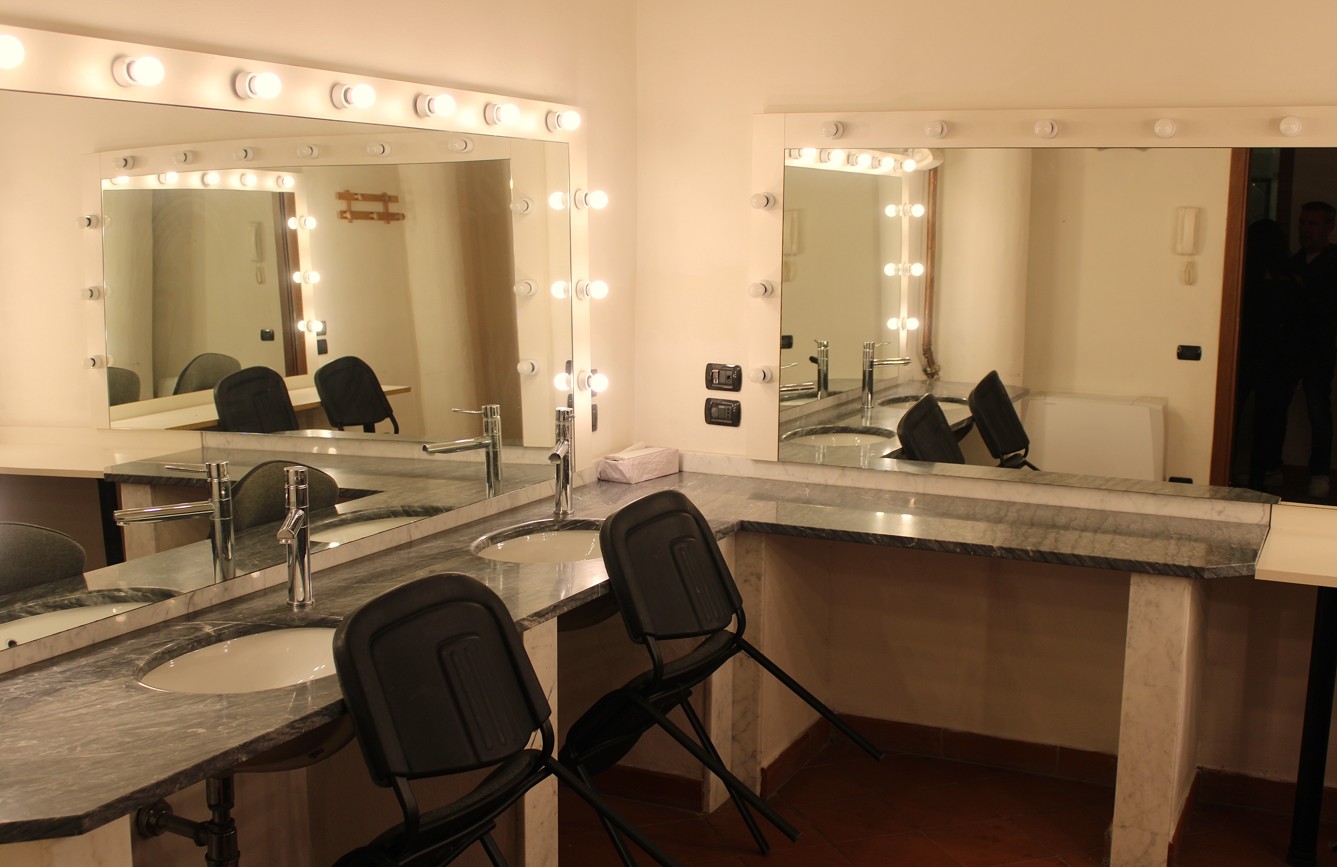
Il soffitto dell’atrio venne decorato da Bernardino Poccetti e dal suo laboratorio fiorentino di decoratori. Ciò che osserviamo attualmente è esattamente quello che fu progettato nell’Ottocento: restaurato ma autentico. Anche i lampadari sono quelli di un tempo, insieme alla piccola meraviglia dell’edificio: il baretto.

L’inaugurazione del teatro con Donizetti
Quando il teatro aprì, fu un successo straordinario. Venne inaugurato il 25 aprile 1886 con la rappresentazione dell’opera Maria di Rohan di Gaetano Donizetti, che tenne cartellone per 12 sere consecutive. Musicisti e direttori, quasi tutti locali, si alternarono sul palco, esibendosi davanti a un teatro costantemente sold out e pensate che Massa al tempo contava poco più di 20mila abitanti.

Sul lato sinistro dell’ingresso è conservato ancora oggi il manifesto originale del 1825. Accanto a quel poster c’è poi la lista delle famiglie più influenti della città: quelle che si erano premurate di acquistare i palchetti. Chi li possedeva aveva il diritto esclusivo di utilizzarli, e questo privilegio veniva trasmesso agli eredi: un piccolo ‘salotto’ personale nel cuore del teatro.
L’architetto Micheli, fiorentino di formazione, si ispirò per la costruzione del Guglielmi a un grande teatro all’italiana: il Teatro della Pergola di Firenze, uno dei più antichi del paese.
Lo studiò, lo conobbe a fondo e ne propose una versione ridotta per la città, mantenendo però la struttura a ferro di cavallo e l’acustica perfetta.
I colori sono quelli tradizionali dei teatri all’italiana: il rosso intenso, le bordature dorate e le decorazioni più ricche nei palchetti del secondo ordine, riservati alle famiglie notabili.
Al centro spicca ancora il palchetto reale, sopra l’ingresso, riconoscibile dallo stemma cittadino sorretto dalla testa di un leone.

Il lampadario ottocentesco
Un altro elemento prezioso è il grande lampadario ottocentesco originale con le ottanta luci. Al tempo erano tutte lampade a gas e il teatro non era mai completamente buio.
Accenderle e spegnerle continuamente era impossibile, così si utilizzava un telo per attenuare la luce quando necessario. Il lampadario si poteva abbassare e alzare tramite un argano in legno, nascosto nel soffitto.

A teatro nell’Ottocento per conversare e passare il tempo
Nell’Ottocento l’esperienza teatrale era molto diversa da quella che intendiamo oggi. Gli spettacoli non venivano seguiti in religioso silenzio. Il teatro era infatti un luogo di socialità: si chiacchierava, si mangiava, si trascorrevano ore nei palchetti che, essendo proprietà delle famiglie, venivano considerati quasi un’estensione della casa.
Solamente quando si udiva un’aria particolarmente attesa si creava un attimo di quiete poi il brusio riprendeva più forte di prima.

A rivoluzionare completamente questa abitudine fu Richard Wagner. Le sue opere, difficili e imponenti, richiedevano attenzione assoluta. Per questo introdusse una novità straordinaria: la buca dell’orchestra, o il cosiddetto golfo mistico.
Con la musica proveniente dal basso e la sala immersa nel buio totale, gli spettatori erano costretti a concentrarsi. Le onde sonore li avvolgevano da ogni lato, come cerchi nell’acqua: si ascoltava non solo con le orecchie ma anche con il corpo, e l’esperienza diventava totalizzante, emotiva, quasi fisica.

Come ogni teatro che si rispetti, anche il Guglielmi ha il suo fantasma
Si narra di un vecchio custode che abitava negli spazi sopra la sala, accanto alle stanze civiche utilizzate nell’Ottocento per scuole, conferenze e incontri pubblici.
Quell’uomo non volle mai davvero lasciare il teatro, tanto che ogni tanto si fa ancora sentire. L’attuale giovane custode racconta di aver udito, in più di un’occasione, passi sul ballatoio di legno quando nell’edificio non c’era nessuno tranne lui.

Pensò fosse il normale scricchiolio del pavimento ma l’idea svanì quando, durante il giro di chiusura, sentì chiaramente qualcuno camminare dietro di sé. Si voltò: nulla. Nessuno. Solo il buio. Quel controllo notturno lo eseguì molto più velocemente del solito.
Quel custode di tanti anni fa sembra ogni tanto si faccia ancora sentire.
Visite al Teatro Guglielmi di Massa
Il Teatro Guglielmi di Massa organizza interessanti visite gratuite accessibili a tutti mediante un percorso guidato della durata di poco più di un’ora. La prenotazione è obbligatoria all’indirizzo: eventi@comune.massa.ms.it
Ecco le prossime date 2025:
- Sabato, 13 Dicembre, 2025 – 16:00
- Sabato, 17 Gennaio, 2026 – 16:00
- Sabato, 14 Febbraio, 2026 – 16:00
- Sabato, 14 Marzo, 2026 – 16:00

Per il momento il sempre vostro Michelangelo Buonarroti vi saluta dandovi appuntamento ai prossimi post e sui social.
The Charm of Massa’s Guglielmi Theater
The Guglielmi Theater is one of the most important cultural focal points of the city of Massa. Built in the 19th century and designed by Vincenzo Micheli, its basement surprisingly houses a structure directly inspired by Roman architecture to support the weight of the three tiers of boxes and the upper gallery: that of the Colosseum.
You should know that the Guglielmi was the first truly public theater in the city. The previous two were private and were only accessible on special occasions.
Entering the theater, you come face to face with two marble busts that have been there since the theater’s inauguration. Crafted by an unknown artist, they depict Pier Alessandro Guglielmi, the renowned composer born in Massa on December 9, 1728, after whom the theater is named, and the librettist Paolo Ferrari.
The atrium ceiling was decorated by Bernardino Poccetti and his Florentine workshop of decorators. What we see today is exactly what was designed in the 19th century: restored but authentic. Even the chandeliers are the same as those of the past, along with the building’s little gem: the bar.
The Theater’s Inauguration with Donizetti
When the theater opened, it was a resounding success. It opened on April 25, 1886, with a performance of Gaetano Donizetti’s opera Maria di Rohan, which ran for 12 consecutive nights. Musicians and conductors, almost all local, took turns on the stage, performing to a constantly sold-out theater—consider that Massa at the time had just over 20,000 inhabitants.
On the left side of the entrance, the original poster from 1825 still stands today. Next to that poster is a list of the city’s most influential families: those who had taken the trouble to purchase the boxes. Whoever owned them had the exclusive right to use them, and this privilege was passed down to their heirs: a small, personal “living room” in the heart of the theater.
The architect Micheli, a Florentine by training, drew inspiration for the Guglielmi building from a large Italian-style theater: the Teatro della Pergola in Florence, one of the oldest in the country.
He studied it, thoroughly understood it, and proposed a smaller version for the city, while maintaining the horseshoe-shaped structure and perfect acoustics. The colors are traditional for Italian-style theaters: deep red, gold trim, and richer decorations in the second-tier boxes, reserved for notable families. The royal box still stands out in the center, above the entrance, recognizable by the city coat of arms supported by a lion’s head.
The 19th-century chandelier
Another precious element is the large original 19th-century chandelier with eighty lights. At the time, all of these were gas lamps, and the theater was never completely dark. Constantly turning them on and off was impossible, so a curtain was used to dim the light when necessary. The chandelier could be raised and lowered using a wooden winch hidden in the ceiling.
At the theater in the 19th century, for conversation and passing the time
In the 19th century, the theatrical experience was very different from what we understand today. Performances were not followed in religious silence. The theater was, in fact, a place of socialization: people chatted, ate, and spent hours in the boxes, which, being family property, were considered almost an extension of the home.
Only when a particularly anticipated atmosphere was heard would a moment of quiet be felt, then the buzz resumed, even louder than before.
Richard Wagner completely revolutionized this custom. His difficult and imposing operas required absolute attention. For this reason, he introduced an extraordinary innovation: the orchestra pit, or the so-called mystic gulf.
With the music coming from below and the theater plunged into total darkness, the audience was forced to concentrate. The sound waves enveloped them on all sides, like ripples in water: they listened not only with their ears but also with their bodies, and the experience became all-encompassing, emotional, almost physical.
Like any self-respecting theater, the Guglielmi also has its ghost
It is said of an old caretaker who lived in the spaces above the theater, next to the civic rooms used in the 19th century for schools, conferences, and public meetings.
That man never truly wanted to leave the theater, so much so that he still makes himself heard from time to time. The current young caretaker says he heard, on more than one occasion, footsteps on the wooden gallery when no one was in the building except himself.
He thought it was the normal creaking of the floorboards, but the idea vanished when, during the closing lap, he clearly heard someone walking behind him. He turned: nothing. No one. Only darkness. He completed that night check much faster than usual.
That guardian from so many years ago still seems to make himself heard every now and then.
Visits to the Guglielmi Theater in Massa
The Guglielmi Theater in Massa organizes interesting free tours accessible to all, with a guided tour lasting just over an hour. Reservations are required at: eventi@comune.massa.ms.it
Here are the upcoming dates in 2025:
Saturday, December 13, 2025 – 4:00 PM
Saturday, January 17, 2026 – 4:00 PM
Saturday, February 14, 2026 – 4:00 PM
Saturday, March 14, 2026 – 4:00 PM
For now, yours truly, Michelangelo Buonarroti, bids farewell and says hello to his future posts and social media.

Sostienici – Support Us
Se questo blog ti piace e ti appassiona, puoi aiutarci a farlo crescere sempre più sostenendoci in modo concreto condividendo i post, seguendo le pagine social e con un contributo che ci aiuta ad andare avanti con il nostro lavoro di divulgazione. . ENGLISH: If you like and are passionate about this blog, you can help us make it grow more and more by supporting us in a concrete way by sharing posts, following social pages and with a contribution that helps us to move forward with our dissemination work.
10,00 €
Condividi:


Questo sono io





sostienici

Sostienici – Support Us
Se questo blog ti piace e ti appassiona, puoi aiutarci a farlo crescere sempre più sostenendoci in modo concreto condividendo i post, seguendo le pagine social e con un contributo che ci aiuta ad andare avanti con il nostro lavoro di divulgazione. . ENGLISH: If you like and are passionate about this blog, you can help us make it grow more and more by supporting us in a concrete way by sharing posts, following social pages and with a contribution that helps us to move forward with our dissemination work.
€10,00


