
Il Dio Fluviale: un fiume del Paradiso o l’Arno?
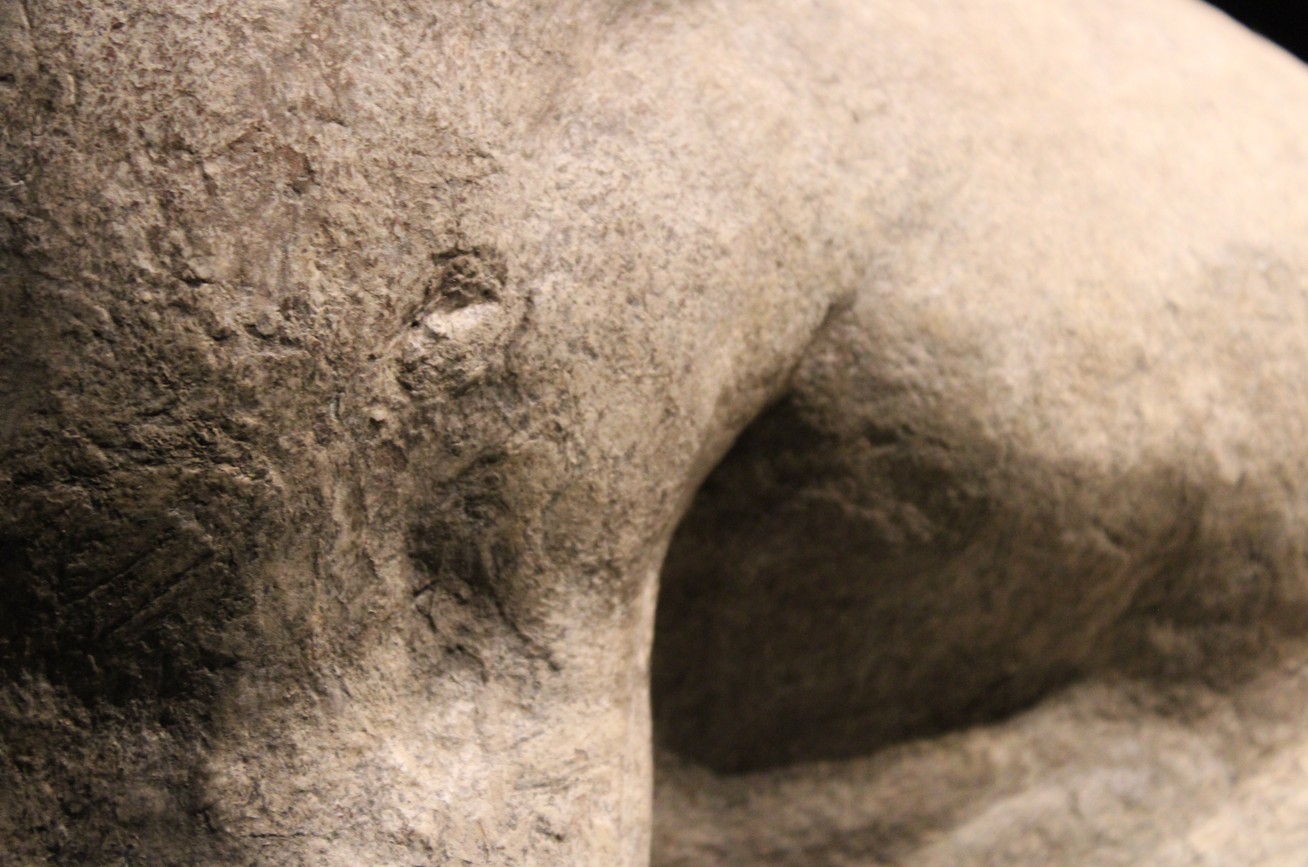
Osservare a distanza ravvicinata la superficie in argilla cruda del Dio Fluviale che modellai secoli or sono, è un po’ come ritrovarmi pelle a pelle con quel modello. Eh si perché lo plasmai con le mani e con qualche attrezzo, cercando di dargli la forma che la mia mente stava immaginando per quel Fiume.
Lo riguardo a lungo al centro della nuova sede espositiva studiata per lui, nella stanza dell’Accademia delle Arti e del Disegno a Firenze. I generosi custodi si prodigano nell’accogliere i pochi visitatori offrendo di raccontare ci che sanno in merito. Li stimo perché è grazie alla loro disponibilità a titolo gratuito se oggi è possibile tornare a vedere quotidianamente quella mia straordinaria opera.
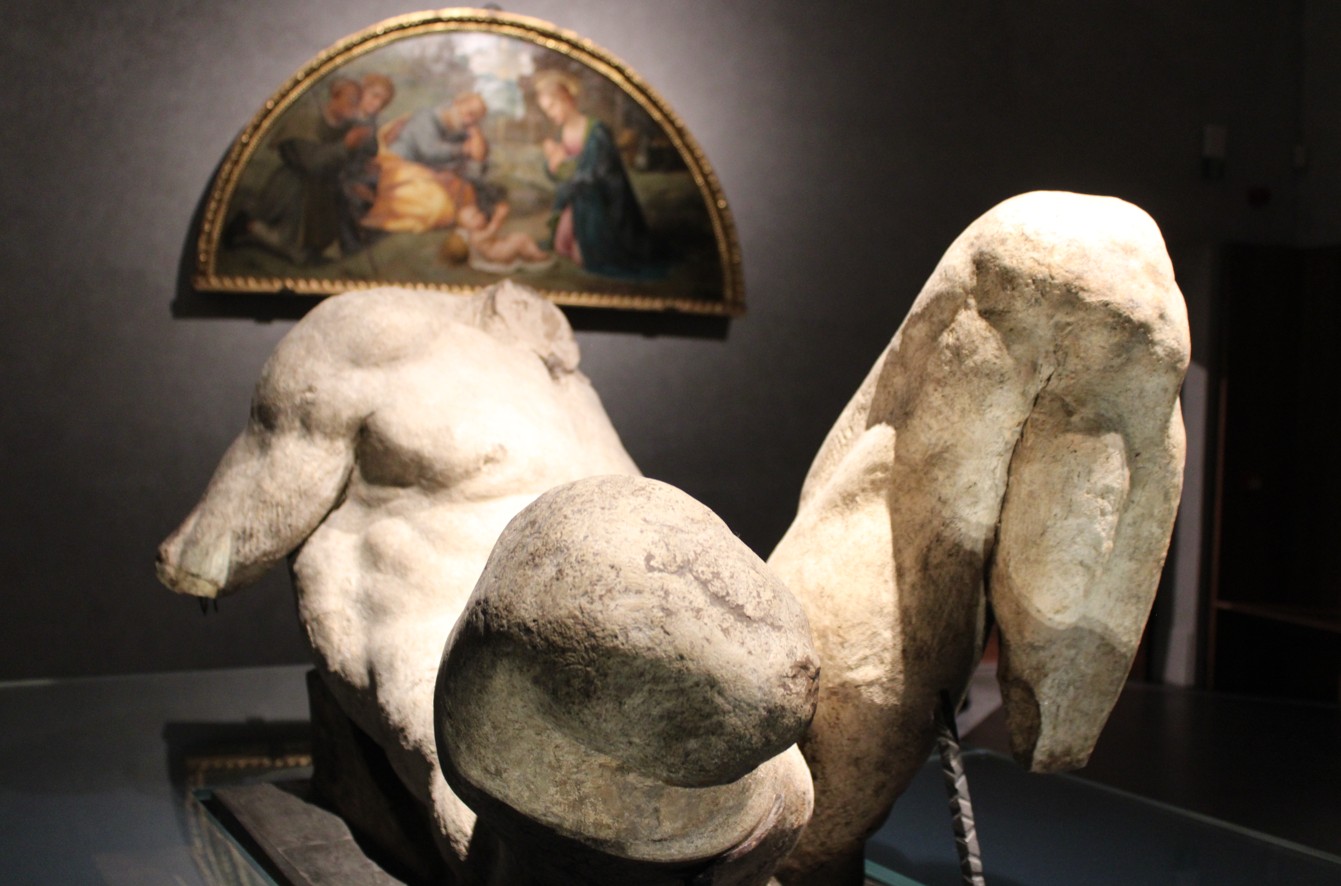
Straordinaria non solo perché si tratta di un mio lavoro ma anche perché ritengo quasi un miracolo si sia conservato così bene nel corso degli anni. Non era un qualcosa destinato a durare a lungo ma un modello che, una volta scolpita l’opera in armo di Carrara, avrei forse distrutto o comunque sarebbe marcito in poco tempo.
Lo realizzai usando materiali estremamente effimeri. Per strutturare il Dio Fluviale e sostenerne il peso, realizzai uno scheletro intrecciando fili di ferro e rinforzandoli con una fasciatura di paglia e spago.
Per modellare la figura invece volli sovrapporre più strati di argilla magra, prelevandola dal letto dell’Arno nei pressi di San Niccolò e in parte grassa, quella proveniente da Montespertoli.
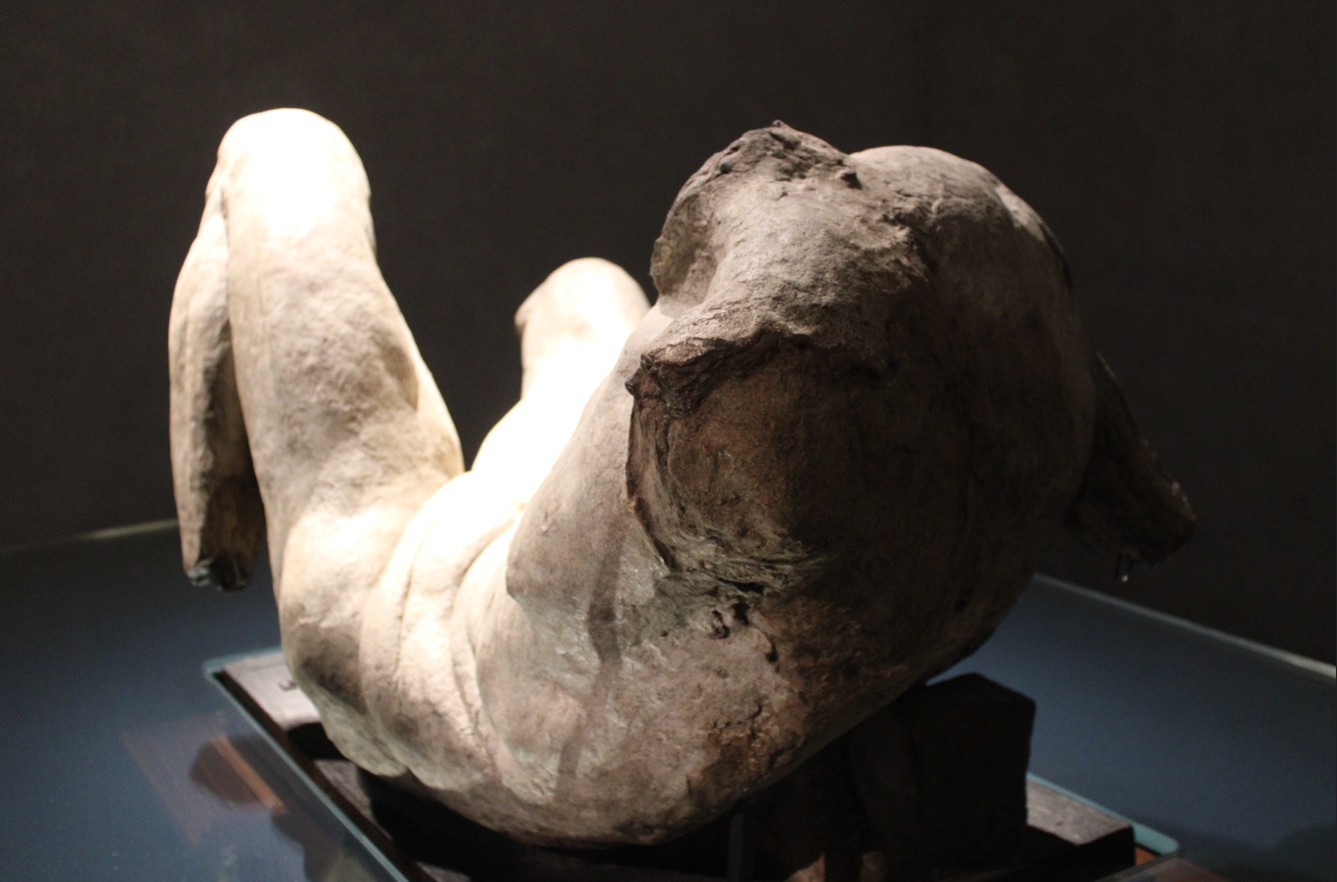
Assieme all’argilla mischiai fibre vegetali, cimature e peli di animali. La superficie biancastra è dovuta all’utilizzo che feci del bianco di piombo. Una sostanza tossica. A quel tempo però ignoravamo la sua pericolosità e ne facevano un utilizzo abbastanza importante.
Le caratteristiche del Dio Fluviale
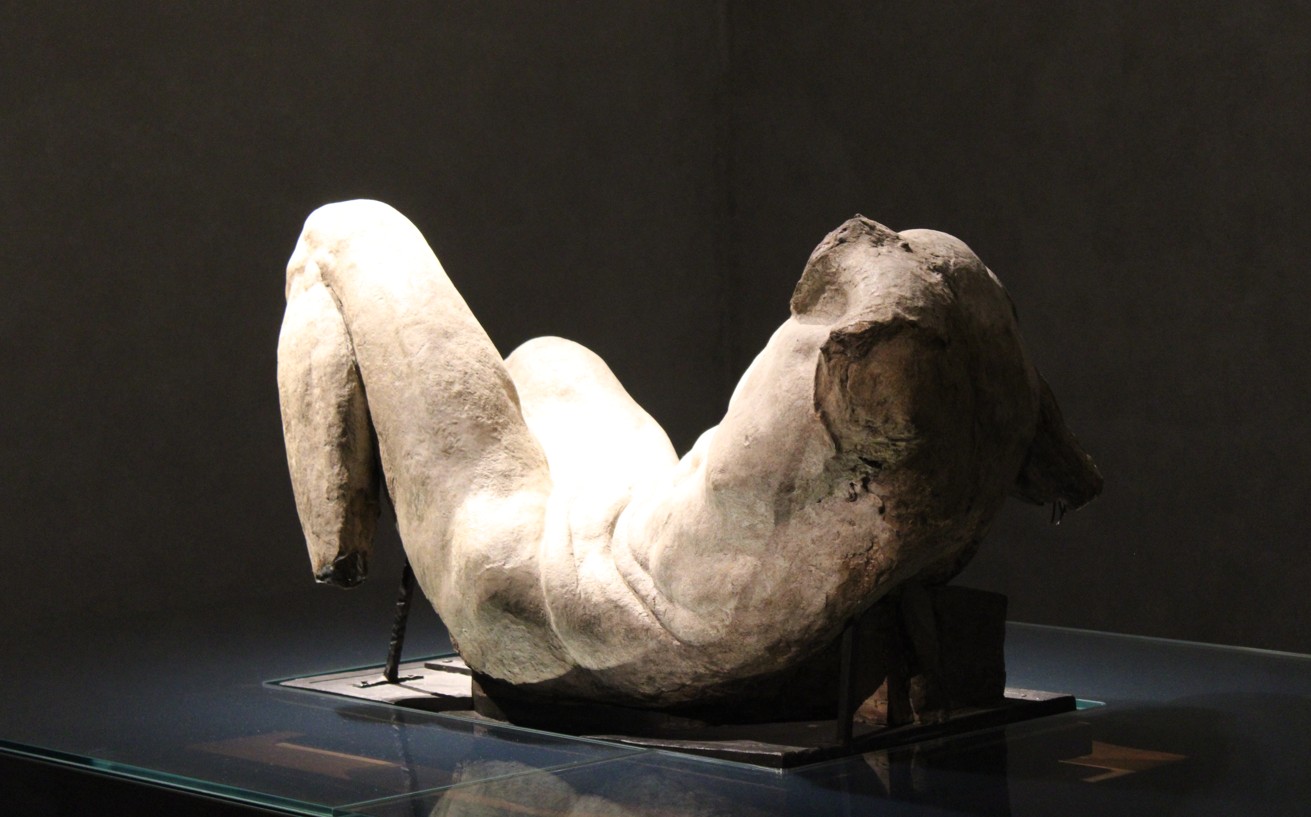
Il Dio Fluviale è lungo un metro e ottanta centimetri ed è l’unico modello mio a grandezza naturale che sia sopravvissuto così a lungo allo scorrere dei secoli. Non avevo l’abitudine di realizzare modelli così grandi, addirittura nelle stesse dimensioni che avrebbero avuto poi le opere finite ma in questo caso fu il committente papa Clemente VII de’ Medici he mi richiese espressamente modelli di tali dimensioni.
La collocazione originaria del Dio Fluviale
Nel progetto della Sagrestia Nuova avevo previsto di inserire al di sotto delle tombe dei due duchi Medici quattro allegorie dei Fiumi: due sotto il sarcofago del duca di Nemour e due sotto quello del duca d’Urbino.
Il Fiume in questione avrebbe dovuto essere posto sotto la tomba di Lorenzo de’ Medici, sulla parte sinistra. Questo modello e quello dell’altro fiume che avrebbe fatto da pendant, si trovavano ancora sul pavimento della Sagrestia Nuova attorno al 1550, quando oramai ero già da tempo a Roma e non avrei più fatto ritorno.
Di quale Fiume si tratta?
La domanda che pongo ancora non ha trovato un riscontro definitivo da parte degli studiosi.
C’è chi sostiene sia un fiume del Paradiso, chi simboleggi quello dell’Inferno e altri esperti propendono a pensare possa raffigurare uno dei fiumi più importanti dell’epoca ma anche dei tempi vostri: l’Arno.
Il restauro
Il Dio Fluviale è stato sottoposto a un delicato quanto importante intervento di restauro nel 2017, realizzato dall’Opificio delle Pietre Dure, guidato da Marco Ciatti, con la direzione di Laura Speranza per l’Opificio delle Pietre Dure e di Giorgio Bonsanti per l’Accademia delle Arti del Disegno.
L’opera è stata restaurata materialmente da Rosanna Moradei e oggi si trova presso l’Accademia delle Arti del Disegno, ovvero nel Palazzo dell’Arte dei Beccai, a Firenze.
Per il momento il vostro Michelangelo Buonarroti vi saluta dandovi appuntamento ai prossimi post e sui social.
The River God: a River of Paradise or the Arno?
Looking up close at the raw clay surface of the River God I modeled centuries ago is a bit like being skin to skin with that model. Yes, because I shaped it with my hands and a few tools, trying to give it the form my mind was imagining for that River.
I gaze at it for a long time in the center of the new exhibition space designed for it, in the room of the Academy of Arts and Design in Florence. The generous custodians go out of their way to welcome the few visitors, offering to share their knowledge. I thank them because it is thanks to their free donation that today I can once again see that extraordinary work of mine every day.
Extraordinary not only because it is my work but also because I consider it almost a miracle that it has been so well preserved over the years. It wasn’t something meant to last, but a model that, once the Carrara work was sculpted, I would perhaps destroy or, at least, quickly rot.
I created it using extremely ephemeral materials. To structure the River God and support his weight, I created a skeleton by weaving iron wires and reinforcing them with a bandage of straw and twine.
To model the figure, I superimposed several layers of lean clay, taken from the Arno River bed near San Niccolò, and partly rich clay, from Montespertoli.
I mixed plant fibers, trimmings, and animal hair with the clay. The whitish surface is due to my use of lead white. A toxic substance. At the time, however, we were unaware of its dangers, and it was used quite extensively.
The Characteristics of the River God
The River God is one meter and eighty centimeters long and is the only life-size model of mine that has survived the passage of time. I wasn’t used to making such large models, even to the same dimensions as the finished works, but in this case it was the client, Pope Clement VII de’ Medici, who specifically requested models of such dimensions.
The Original Location of the River God
In the design of the New Sacristy, I had planned to place four allegories of the Rivers beneath the tombs of the two Medici dukes: two under the sarcophagus of the Duke of Nemour and two under that of the Duke of Urbino.
The River in question was supposed to be placed beneath the tomb of Lorenzo de’ Medici, on the left side. This model and the one of the other river that would have served as a companion were still on the floor of the New Sacristy around 1550, when I had already been in Rome for some time and would never return.
Which River is it?
The question I pose has not yet received definitive confirmation from scholars.
Some claim it is a river of Paradise, others claim it symbolizes the river of Hell, and other experts are inclined to believe it represents one of the most important rivers of the period, but also of our own time: the Arno.
The Restoration
The River God underwent a delicate and significant restoration in 2017, carried out by the Opificio delle Pietre Dure, led by Marco Ciatti, with the direction of Laura Speranza for the Opificio delle Pietre Dure and Giorgio Bonsanti for the Academy of the Arts of Drawing.
The work was physically restored by Rosanna Moradei and is now housed at the Academy of the Arts of Drawing, in the Palazzo dell’Arte dei Beccai, in Florence.
For now, your Michelangelo Buonarroti bids you farewell and says hello to future posts and social media.

Sostienici – Support Us
Se questo blog ti piace e ti appassiona, puoi aiutarci a farlo crescere sempre più sostenendoci in modo concreto condividendo i post, seguendo le pagine social e con un contributo che ci aiuta ad andare avanti con il nostro lavoro di divulgazione. . ENGLISH: If you like and are passionate about this blog, you can help us make it grow more and more by supporting us in a concrete way by sharing posts, following social pages and with a contribution that helps us to move forward with our dissemination work.
10,00 €
Condividi:


Questo sono io





sostienici

Sostienici – Support Us
Se questo blog ti piace e ti appassiona, puoi aiutarci a farlo crescere sempre più sostenendoci in modo concreto condividendo i post, seguendo le pagine social e con un contributo che ci aiuta ad andare avanti con il nostro lavoro di divulgazione. . ENGLISH: If you like and are passionate about this blog, you can help us make it grow more and more by supporting us in a concrete way by sharing posts, following social pages and with a contribution that helps us to move forward with our dissemination work.
€10,00


