

San Pietro: la costruzione sbagliata della Cappella del Re di Francia
“E se si potessi morire di vergognia e dolore, io non sarei vivo”, scrissi in una lettera al mio caro amico Vasari il 1° luglio del 1557.
A cosa facevo riferimento? Ebbene, tra il 1557 e il 1558, quando già avevo compiuto 82 anni, mi misi al lavoro per realizzare la volta absidale del transetto meridionale della Basilica di San Pietro in Vaticano.
Errare è umano e io, in quel caso sbagliai i miei aiutanti sbagliarono l’esecuzione della centina e fui costretto a far demolire gran parte del catino absidale realizzato in travertino a vista. Successivamente venne ricostruita ma sapete com’è: un errore del genere non riuscivo a perdonarmelo.
In due lettere distinte raccontai l’accaduto al Vasari con tanto di disegni esplicativi. Tale errore assieme al peso diportare avanti l’intero cantiere della Basilica di San Pietro mi causò non poco turbamento che s’andava ad aggiungere alla fatica.

Dovete sapere che il braccio meridionale del transetto di San Pietro era noto come la Cappella del re di Francia. Dopo la demolizione di Santa Petronilla, la rotonda francese che ospitava la Pietà Vaticana, papa Leone X de’ Medici, nel 1514, aveva dedicato una nuova cappella al re francese sperando probabilmente che quella nomenclatura avrebbe favorito la ricezione di importanti regali e non solo provenienti da oltralpe.
Quando papa Paolo III mise nelle mie mani il cantiere di San Pietro in Vaticano, non ne volli sapere di proseguire il progetto del Sangallo, pieno di zone oscure, cappelle e cappellette, preferendo il ritorno alla pianta centrale.
Per il transetto meridionale feci demolire il perimetro del deambulatorio del Sangallo. Esistono disegni dell’epoca che consentono di vedere i cantiere di San Pietro prima che operassi i diversi smantellamenti.
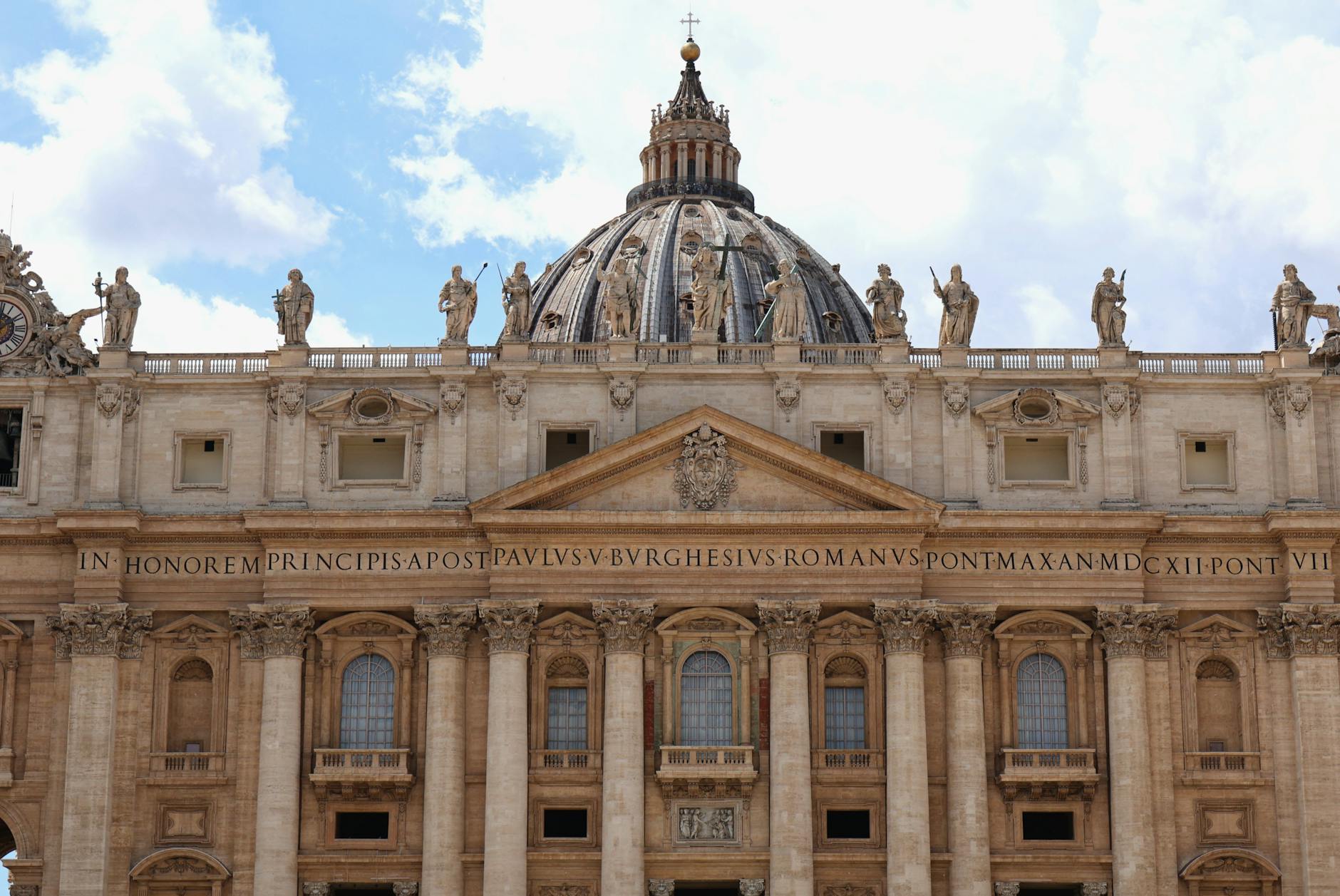
Dopo varie vicissitudini feci avviare la costruzione della volta della Cappella del Re di Francia tra la fine del 1556 e l’inizio del 1557. Il cantiere procedeva lentamente ma comunque proseguiva.
Risulta che alla fine di gennaio erano quindici gli scalpellini e altri trenta gli uomini impegnati a lavorare alla volta come racconta Sebastiano da San Gimignano meglio noto come il Malenotti al mmi nipote Lionardo Buonarroti.
Però, prima della fine del maggio 1557, quando oramai la volta era già in una fase di realizzazione avanzata, emerse un problema di non facile soluzione: “un certo errore, che mi bisognia disfare gran parte di quel che v’era facto”, come scrissi a Cosimo I.
Fu allora che allontanai il Malenotti dal cantiere e il capo maestro Giovan Battista Bizzi che proprio io avevo tanto voluto a lavorare nel cantiere. Non diedi tutta la colpa al capomastro ma gran parte me ne accollai io: ero troppo vecchio e non ero più in grado di recarmi assiduamente sul cantiere per verificare che i lavori proseguissero come io volevo.
Per il momento il sempre vostro Michelangelo Buonarroti vi saluta dandovi appuntamento ai prossimi post e sui social.
St. Peter: the wrong construction of the Chapel of the King of France
“And if one could die of shame and pain, I would not be alive,” I wrote in a letter to my dear friend Vasari on July 1, 1557.
What was I referring to? Well, between 1557 and 1558, when I was already 82 years old, I set to work to build the apse vault of the southern transept of St. Peter’s Basilica in the Vatican.
To err is human and in that case I made a mistake, my assistants made a mistake in the execution of the centering and I was forced to demolish a large part of the apse basin made of exposed travertine. It was later rebuilt but you know how it is: I could not forgive myself for a mistake like that.
In two separate letters I told Vasari what had happened, complete with explanatory drawings. This mistake, together with the burden of carrying out the entire construction of St. Peter’s Basilica, caused me no small amount of disturbance, which added to the fatigue.
You should know that the southern arm of the transept of St. Peter’s was known as the Chapel of the King of France. After the demolition of Santa Petronilla, the French rotunda that housed the Vatican Pietà, Pope Leo X de’ Medici, in 1514, dedicated a new chapel to the French king, probably hoping that the name would favor the reception of important gifts, and not only from beyond the Alps.
When Pope Paul III placed the construction of St. Peter’s in the Vatican in my hands, I did not want to hear of continuing Sangallo’s project, full of dark areas, chapels and chapels, preferring to return to the central plan.
For the southern transept, I had the perimeter of Sangallo’s ambulatory demolished. There are drawings from the time that allow you to see the construction site of St. Peter’s before I carried out the various dismantlings.
After various vicissitudes, I began the construction of the vault of the Chapel of the King of France between the end of 1556 and the beginning of 1557. The construction site proceeded slowly but continued nonetheless.
It appears that at the end of January there were fifteen stonemasons and thirty other men working on the vault, as Sebastiano da San Gimignano, better known as Malenotti, nephew of Lionardo Buonarroti, recounts.
However, before the end of May 1557, when the vault was already in an advanced stage of construction, a problem emerged that was not easy to solve: “a certain error, which required me to undo a large part of what had been done there”, as I wrote to Cosimo I.
It was then that I removed Malenotti from the construction site and the master builder Giovan Battista Bizzi, whom I had wanted so much to work on the site. I didn’t put all the blame on the foreman and I took part of it on myself: I was too old and I was no longer able to go to the construction site assiduously to check that the work was proceeding as I wanted.
For the moment, your always Michelangelo Buonarroti says goodbye to you, making an appointment with you in the next posts and on social media.

Sostienici – Support Us
Se questo blog ti piace e ti appassiona, puoi aiutarci a farlo crescere sempre più sostenendoci in modo concreto condividendo i post, seguendo le pagine social e con un contributo che ci aiuta ad andare avanti con il nostro lavoro di divulgazione. . ENGLISH: If you like and are passionate about this blog, you can help us make it grow more and more by supporting us in a concrete way by sharing posts, following social pages and with a contribution that helps us to move forward with our dissemination work.
10,00 €
Condividi:


Questo sono io





sostienici

Sostienici – Support Us
Se questo blog ti piace e ti appassiona, puoi aiutarci a farlo crescere sempre più sostenendoci in modo concreto condividendo i post, seguendo le pagine social e con un contributo che ci aiuta ad andare avanti con il nostro lavoro di divulgazione. . ENGLISH: If you like and are passionate about this blog, you can help us make it grow more and more by supporting us in a concrete way by sharing posts, following social pages and with a contribution that helps us to move forward with our dissemination work.
€10,00


