
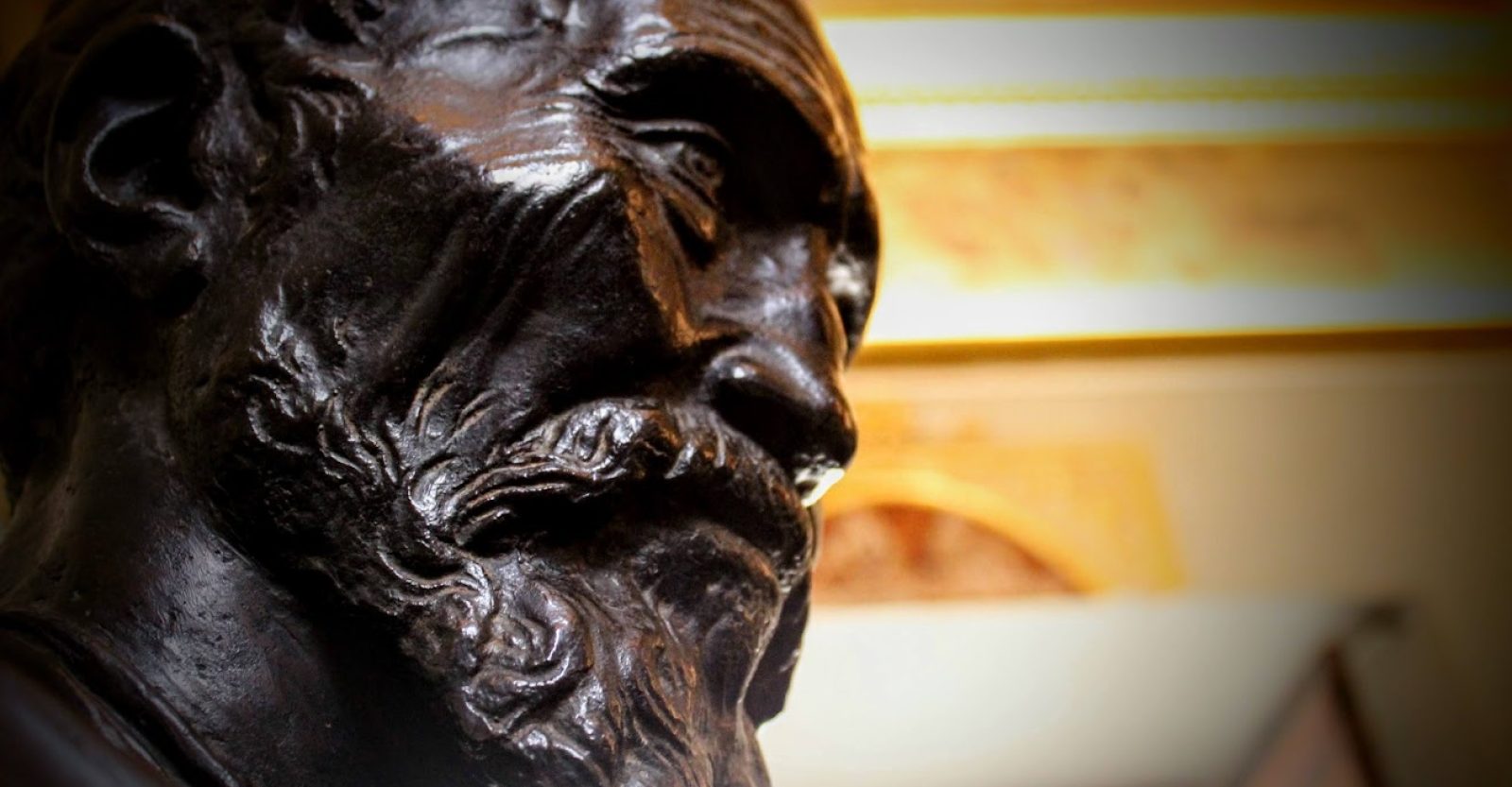
6 aprile 1520: Raffaello a 37 anni diventa immortale
Raffaello Sanzio il 6 aprile del 1520, all’età di 37 anni divenne immortale.
Morì il suo corpo ma non ciò che al mondo donò in vita. Il suo talento, la sua forza narrativa, il suo modo di dipingere ancora oggi parlano di lui e per lui.
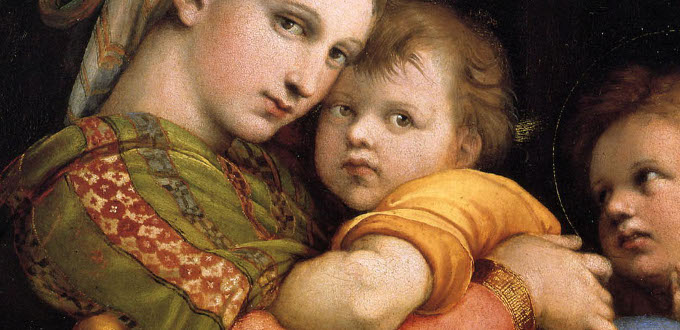
Morì il Venerdì Santo, giorno in dedicato alla commemorazione della Crocifissione di Gesù Cristo. Quella coincidenza contribuì ad alimentare alimentare un’aura quasi sacra attorno alla figura di Raffaello, già considerato un artista grandioso e divino per la sua straordinaria abilità e la bellezza delle sue opere.
Alcune fonti dell’epoca, come il letterato Marcantonio Michiel, riportano eventi straordinari avvenuti al momento della sua morte, come la crepa nel Palazzo Vaticano e un improvviso temporale su Roma, parallelismi che vennero fatti con la morte di Cristo.
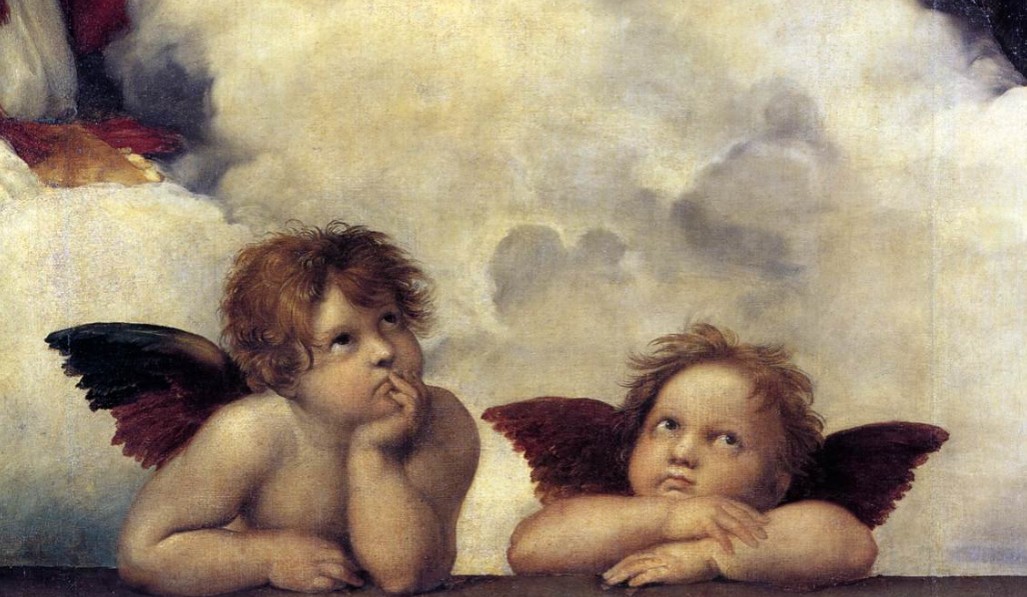
“ILLE HIC EST RAPHAEL TIMUIT QUO SOSPITE VINCI / RERUM MAGNA PARENS ET MORIENTE MORI.”, “Qui giace Raffaello, dal quale la natura temette mentre era vivo di esser vinta; ma ora che è morto teme di morire”.
E’ l’epitaffio che dedicò a lui l’umanista Pietro Bembo. Tale era il talento di Raffaello che la Natura stessa temeva di essere superata dalle sue opere mentre era in vita, e con la sua morte sembrava che anche la fonte della bellezza naturale potesse svanire.
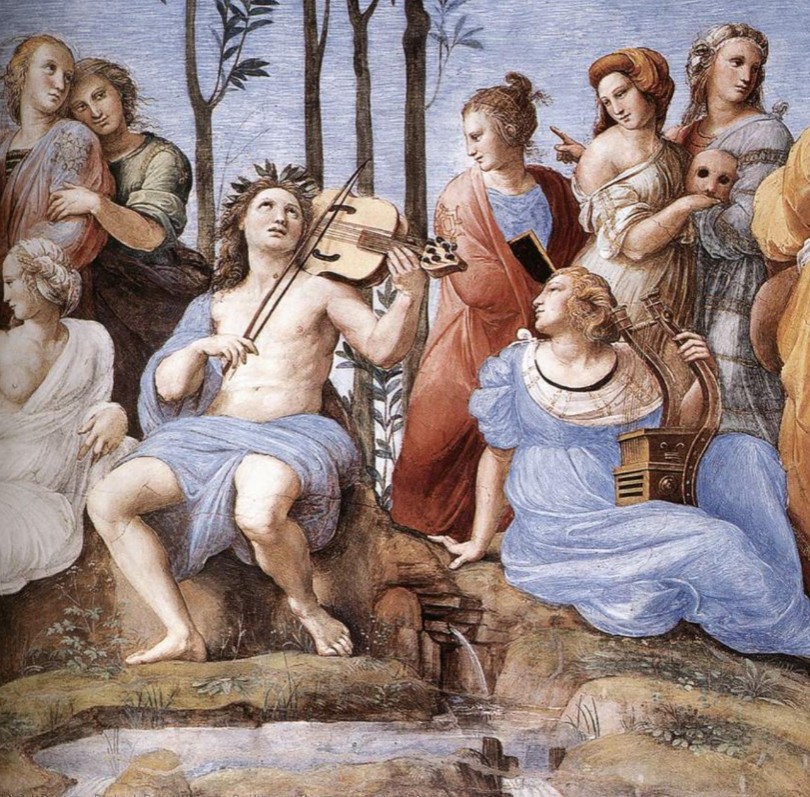
Raffaello era figlio d’arte. Il su babbo Giovanni Santi era un abile pittore sebbene non tanto talentuoso quanto il figlio. Nacque lo stesso giorno in cui morì: il 6 aprile.
Il su babbo fin da bimbetto lo avviò al mestiere insegnandogli i rudimenti della pittura. Probabilmente non fu mandato a bottega dal Perugino come riporta il Vasari ma è molto più probabile che frequentasse quell’ambiente di tanto in tanto per perfezionarsi.
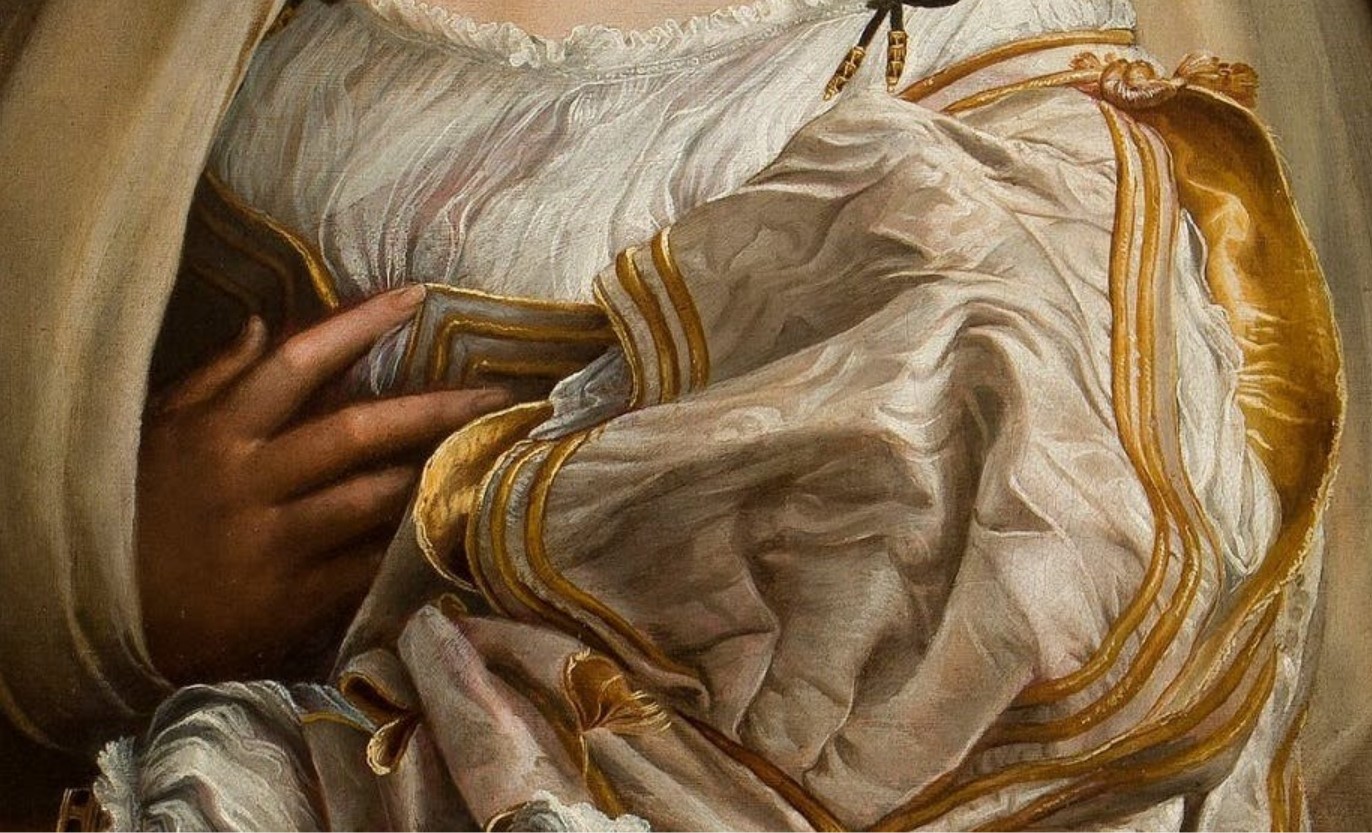
Raffaello ebbe vita breve ma ha lasciato in eredità ai posteri una grande quantità di capolavori da custodire e preservare per le generazioni future.
Basti pensare alle Stanze Vaticane, agli arazzi che disegnò per decorare il primo registro della Cappella Sistina, agli affreschi di Villa Farnesina a Roma e a tutti quei dipinti che oggi si trovano nei musei più prestigiosi del mondo.
I libri
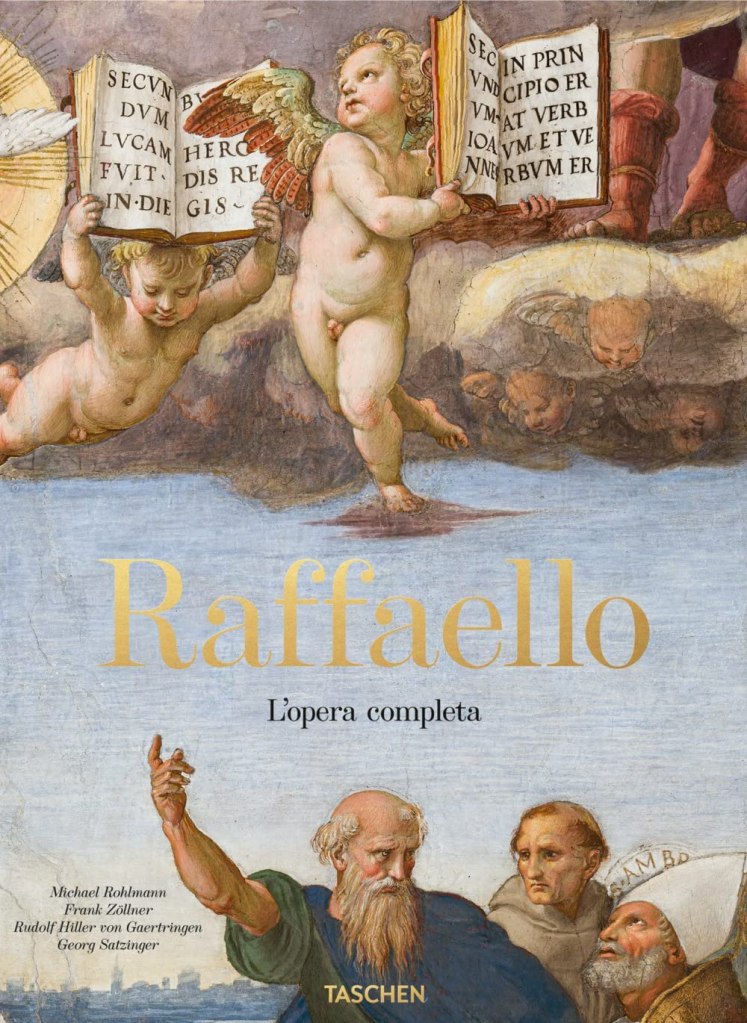
Se volete farvi un regalo straordinario acquistando un libro che di per sé è un capolavoro, dedicato a Raffaello, la casa editrice Taschen ha dato alle stampe da poco l’opera omnia in formato XXL.
Raffaello, nato nel 1483 e morto prematuramente nel 1520, è considerato assieme a me e a Leonardo uno dei più importanti e influenti artisti del Rinascimento. Nel corso della sua breve ma intensa esistenza ebbe modo di realizzare un centinaio di dipinti e numerosi dipinti murali fa i quali nove serie di affreschi con soggetti differenti.
Non perdete l’occasione di avere fra le mani questo prezioso libro dal titolo “Raffaello. L’Opera completa” che trovate QUA.
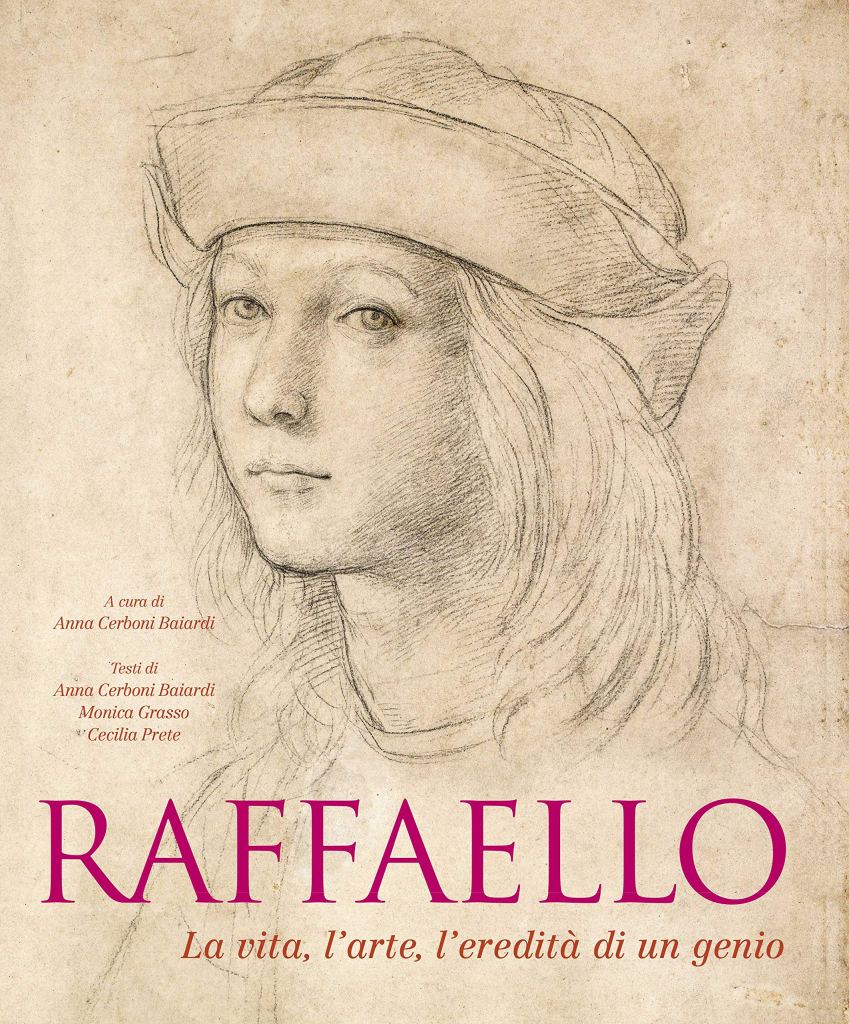
Se invece siete alla ricerca di un ottimo libro ma che abbia un costo minore, vi consiglio “Raffaello. La vita, l’arte, l’eredità di un genio”. Riccamente illustrato e con testi curati, vi racconta la vita e le opere dell’artista rinascimentale. Lo trovate QUA.
Per il momento il vostro Michelangelo Buonarroti vi saluta dandovi appuntamento ai prossimi post e sui social.
April 6, 1520: Raphael at 37 years old becomes immortal
Raffaello Sanzio on April 6, 1520, at the age of 37 became immortal. His body died but not what he gave to the world. His talent, his narrative strength, his way of painting still speak of him and for him today.
He died on Good Friday, a day dedicated to the commemoration of the Crucifixion of Jesus Christ. That coincidence helped to fuel an almost sacred aura around the figure of Raphael, already considered a great and divine artist for his extraordinary ability and the beauty of his works.
Some sources of the time, such as the scholar Marcantonio Michiel, report extraordinary events that occurred at the time of his death, such as the crack in the Vatican Palace and a sudden storm in Rome, parallels that were made with the death of Christ.
“ILLE HIC EST RAPHAEL TIMUIT QUO SOSPITE VINCI / RERUM MAGNA PARENS ET MORIENTE MORI.”, “Here lies Raphael: from him, when he lived, Nature thy
This is the epitaph dedicated to him by the humanist Pietro Bembo. Such was Raphael’s talent that Nature herself feared being surpassed by his works while he was alive, and with his death it seemed that even the source of natural beauty could vanish.
Raphael was the son of an artist. His father Giovanni Santi was a skilled painter although not as talented as his son. He was born on the same day he died: April 6.
His father introduced him to the trade from a young age, teaching him the rudiments of painting. He was probably not sent to Perugino’s workshop as Vasari reports, but it is much more likely that he frequented that environment from time to time to perfect his skills.
Raphael had a short life but he left a legacy to posterity of a great quantity of masterpieces to be preserved and guarded for future generations. Just think of the Vatican Rooms, the tapestries he designed to decorate the first register of the Sistine Chapel, the frescoes of Villa Farnesina in Rome and all those paintings that today are found in the most prestigious museums in the world.
For the moment, your ever Michelangelo Buonarroti bids you farewell, making an appointment with you in the next posts and on social media.

Sostienici – Support Us
Se questo blog ti piace e ti appassiona, puoi aiutarci a farlo crescere sempre più sostenendoci in modo concreto condividendo i post, seguendo le pagine social e con un contributo che ci aiuta ad andare avanti con il nostro lavoro di divulgazione. . ENGLISH: If you like and are passionate about this blog, you can help us make it grow more and more by supporting us in a concrete way by sharing posts, following social pages and with a contribution that helps us to move forward with our dissemination work.
10,00 €
Condividi:


Questo sono io





sostienici

Sostienici – Support Us
Se questo blog ti piace e ti appassiona, puoi aiutarci a farlo crescere sempre più sostenendoci in modo concreto condividendo i post, seguendo le pagine social e con un contributo che ci aiuta ad andare avanti con il nostro lavoro di divulgazione. . ENGLISH: If you like and are passionate about this blog, you can help us make it grow more and more by supporting us in a concrete way by sharing posts, following social pages and with a contribution that helps us to move forward with our dissemination work.
€10,00


