
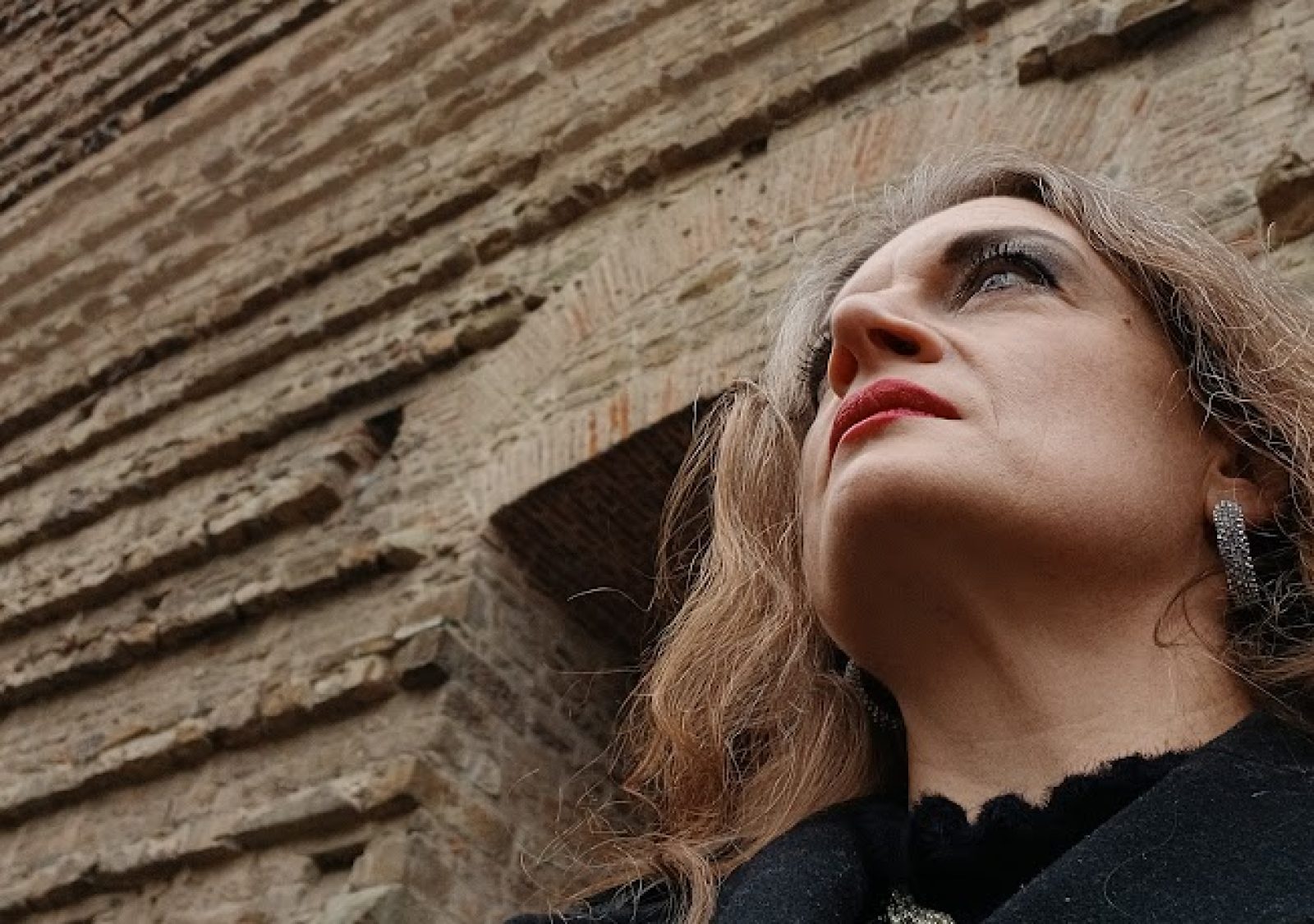
Papa Paolo III Farnese, Ercole e San Pietro: quel legame indissolubile nel mio affresco
Esiste un legame profondo e indissolubile tra papa Paolo III Farnese, i due Ercole rinvenuti nelle Terme di Caracalla e San Pietro che affrescai nella cappella Paolina, fatta edificare dal medesimo pontefice appena citato.
Quel legame lo creai io a colpi di pennello e tutt’oggi rimane lì a testimoniare persone ed eventi che si sono succeduti. Sedetevi comodi che vi racconto anche questa storia.

Prima che mettessi mano alla Crocifissione di San Pietro, le Terme di Caracalla rivelarono un tesoro inaspettato. Quel luogo, appartenente alla famiglia Farnese, durante gli scavi incentivati dal cardinale Alessandro Farnese nipote del pontefice, con lo scopo di recuperare materiale edilizio da reimpiegare nei tanti cantieri aperti a Roma come la Fabbrica di San Pietro e lo stesso Palazzo Farnese, tornò alla luce un capolavoro.
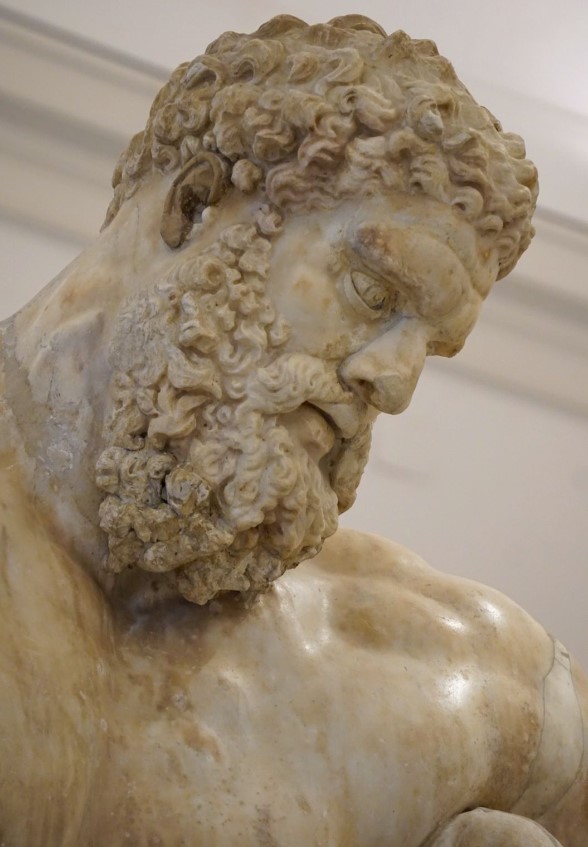
Era quello che oggi comunemente chiamate Ercole Farnese, un Ercole a riposo firmato dall’artista ateniese Glicon. Poco distante riemerse un’opera gemella senza firma, con le medesime dimensioni oggi custodita alla Reggia di Caserta.
Già il primo di settembre del 1545, il segretario del Concilio di Trento Angelo Massarelli, scriveva “hebbi lettere del Biondo che nelle Terme Antoniane a Roma erano state trovate tre bellissime statue di marmo, un Hercole, un toro […] dalla fabrica di San Pietro, la quale haveva havuta licencia di cavar in quel loco”.
Il punto di rinvenimento di entrambe le opere fu fissato per sempre nella memoria di tutti grazie a un rapido schizzo realizzato da Antonio da Sangallo il Giovane che le mostra in un ambiente vicino al frigidarium.
Dovete sapere che l’Ercole Farnese recante la firma di Glycon, oggi custodito al Museo Archeologico di Napoli, fu rinvenuto senza testa e senza la parte inferiore di entrambe le gambe mentre l’altra scultura gemella riemerse dalla terra senza il braccio sinistro, senza metà gambe e priva del capo.

La versione di Glycon fu restaurata da Guglielmo dalla Porta che identificò la testa originale in un pezzo antico che possedeva, rinvenuto nel 1540 in un pozzo a Trastevere. L’integrazione dei polpacci fu più consistente e vennero scolpiti nel marmo dall’artista, posti in opera già nel 1550.
Successivamente, le gambe originali dell’Ercole Farnese, furono ritrovate a Frattocchie, una località poco distante da Marino. vennero ricollocate al loro posto solo nel 1787, quando l’opera fu portata da Roma a Napoli
Nello stesso anno Goethe annotò: “non si può comprendere perché per anni ed anni la gente abbia trovato tanto buone quelle surrogate dal Della Porta” facendo riferimento all’integrazione precedente appena rimossa.

Io ebbi modo di vedere entrambe le sculture di Ecole e non nego che per me furono di grande ispirazione quando poi mi ritrovai a dover realizzare il corpo di Pietro che sta per essere crocifisso a testa in giù, per suo esplicito volere.
Osservate con attenzione San Pietro con quello sviluppo asimmetrico del corpo verso destra, bilanciato nella scultura dall’appoggio sulla clava dalla parte opposta. Lo scorcio delle gambe è pressoché identico e sono simili, ma non uguali, lo sguardo inquisitore del Santo e la fronte ampia.
Il volto, sebbene abbia dei rimandi a quello di Ercole, ha una forte somiglianza proprio con quello di papa Paolo III Farnese, il committente. basti pensare al ritratto che fece del pontefice Tiziano per rendersi conto di quanto gli somigliasse.
Anche la chierica poco si addice a un santo né a un Ercole ma era tipica di chi rivestiva all’epoca una qualche condizione ecclesiastica.
Per il momento il vostro Michelangelo Buonarroti vi saluta dandovi appuntamento ai prossimi post e sui social.
Pope Paul III Farnese, Hercules and Saint Peter: that indissoluble bond in my fresco
There is a deep and indissoluble bond between Pope Paul III Farnese, the two Hercules found in the Baths of Caracalla and Saint Peter that I frescoed in the Pauline Chapel, built by the same pontiff just mentioned.
I created that bond with brush strokes and it remains there to this day to bear witness to the people and events that have followed one another. Sit back and I will tell you this story too.
Before I started working on the Crucifixion of Saint Peter, the Baths of Caracalla revealed an unexpected treasure. That place, belonging to the Farnese family, during the excavations encouraged by Cardinal Alessandro Farnese, nephew of the pontiff, to recover building material to be reused in the many construction sites opened in Rome such as the Fabbrica di San Pietro and the Palazzo Farnese itself, a masterpiece came to light.
It was what is now commonly called the Farnese Hercules, a Hercules at Rest signed by the Athenian artist Glicon. Not far away, a twin work without a signature resurfaced, with the same dimensions, now kept at the Royal Palace of Caserta.
Already on September 1, 1545, the secretary of the Council of Trent Angelo Massarelli wrote “I had letters from Biondo that in the Antonian Baths in Rome three beautiful marble statues had been found, a Hercules, a bull […] from the fabric of St. Peter’s, which had been granted permission to dig in that place”.
The location of the discovery of both works was fixed forever in everyone’s memory thanks to a quick sketch made by Antonio da Sangallo the Younger that shows them in a room near the frigidarium.
You should know that the Farnese Hercules bearing Glycon’s signature, now kept at the Archaeological Museum of Naples, was found without a head and without the lower part of both legs while the other twin sculpture re-emerged from the earth without the left arm, without half of the legs and without the head.
Glycon’s version was restored by Guglielmo dalla Porta who identified the original head in an ancient piece he owned, found in 1540 in a well in Trastevere. The integration of the calves was more consistent and they were sculpted in marble by the artist, put in place already in 1550.
Subsequently, the original legs of the Farnese Hercules were found in Frattocchie, a town not far from Marino. were put back in their place only in 1787, when the work was brought from Rome to Naples
In the same year Goethe noted: “it is not possible to understand why for years and years people have found those substituted by Della Porta so good” referring to the previous integration just removed.
I had the opportunity to see both sculptures of Ecole and I do not deny that for me they were a great inspiration when I later found myself having to create the body of Peter who is about to be crucified upside down, by his explicit wish.
Observe carefully Saint Peter with that asymmetrical development of the body towards the right, balanced in the sculpture by the support on the club on the opposite side. The foreshortening of the legs is almost identical and the inquisitive gaze of the Saint and the broad forehead are similar, but not the same.
The face, although it has references to that of Hercules, has a strong resemblance to that of Pope Paul III Farnese, the client. just think of the portrait that Titian made of the pontiff to realize how much he resembled him.
Even the cleric is not suitable for a saint or a Hercules but was typical of those who held some ecclesiastical status at the time.
For the moment your Michelangelo Buonarroti bids you farewell, making an appointment with you in the next posts and on social media.

Sostienici – Support Us
Se questo blog ti piace e ti appassiona, puoi aiutarci a farlo crescere sempre più sostenendoci in modo concreto condividendo i post, seguendo le pagine social e con un contributo che ci aiuta ad andare avanti con il nostro lavoro di divulgazione. . ENGLISH: If you like and are passionate about this blog, you can help us make it grow more and more by supporting us in a concrete way by sharing posts, following social pages and with a contribution that helps us to move forward with our dissemination work.
10,00 €
Condividi:


Questo sono io





sostienici

Sostienici – Support Us
Se questo blog ti piace e ti appassiona, puoi aiutarci a farlo crescere sempre più sostenendoci in modo concreto condividendo i post, seguendo le pagine social e con un contributo che ci aiuta ad andare avanti con il nostro lavoro di divulgazione. . ENGLISH: If you like and are passionate about this blog, you can help us make it grow more and more by supporting us in a concrete way by sharing posts, following social pages and with a contribution that helps us to move forward with our dissemination work.
€10,00


