
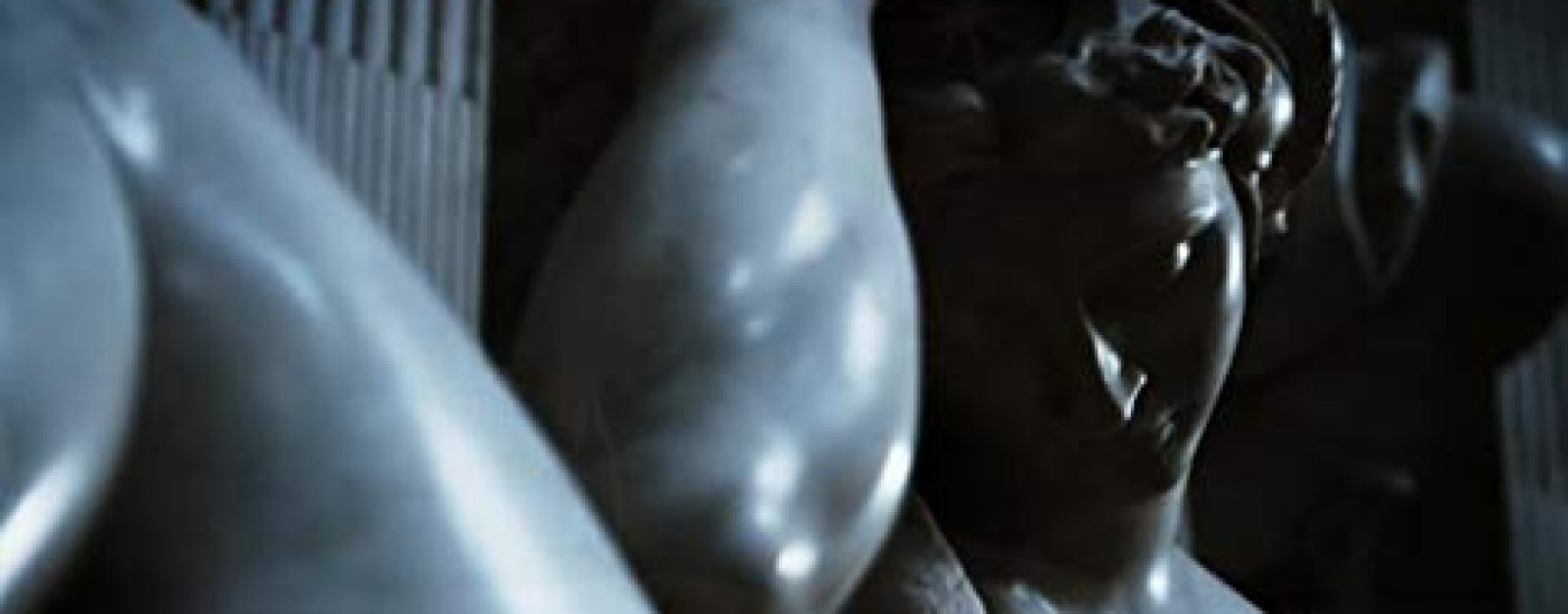
12 agosto 1530: quando Firenze si arrese
Era il 12 agosto del 1530 quando la città di Firenze gettò la spugna arrendendosi. Malatesta Baglioni, già qualche settimana prima, aveva stabilito che la Repubblica non era più in grado di resistere al terribile assedio.
Durante quei terribili mesi erano morti circa 36mila fiorentini o di fame o di peste. C’era anche il timore tangibile che se gli assedianti fossero giunti in città, l’avrebbero saccheggiata mettendola a ferro e fuoco.

L’assedio di Firenze era stato fortemente voluto da papa Clemente VII de’ Medici per riportare al potere la propria famiglia cacciata pochi anni prima al potere.
I termini della resa furono concordati a tavolino in quello che era il quartier generale di Baccio Valori, commissario pontificio e avrebbero dovuti essere conto firmati sia dall’imperatore che da Clemente VII entro i due mesi successivi.

Le clausole del contratto rispettate però furono ben poche ma la più disattesa fu quella in cui veniva scritto di offrire amnistia a quanti avevano servito la Repubblica. Chi infatti aveva parteggiato per la difesa dei valori repubblicani fu perseguitato e brutalmente ucciso, torturato e incarcerato.
L’elenco di chi subì pene atroci è lunghissimo e fra questi ci fu anche Benedetto Varchi, il letterato torturato brutalmente ma che sopravvisse e poi, anni dopo, fu incaricato di scrivere l’orazione funebre per me.
Per il momento il sempre vostro Michelangelo Buonarroti vi saluta dandovi appuntamento ai prossimi post e sui social.
© Riproduzione riservata
August 12, 1530: when Florence surrendered
It was August 12, 1530 when the city of Florence threw in the towel and surrendered. Malatesta Baglioni, a few weeks earlier, had already established that the Republic was no longer able to resist the terrible siege.
During those terrible months, about 36,000 Florentines had died, either from hunger or plague. There was also the tangible fear that if the besiegers had reached the city, they would have sacked it and put it to fire and sword.
The siege of Florence had been strongly desired by Pope Clement VII de’ Medici to restore to power his family, who had been ousted from power a few years earlier.
The terms of the surrender were agreed upon at the table in what was the headquarters of Baccio Valori, papal commissioner, and were to be signed by both the emperor and Clement VII within the following two months.
However, very few clauses of the contract were respected, but the most disregarded was the one that stated that amnesty was offered to those who had served the Republic. In fact, those who had supported the defense of republican values were persecuted and brutally killed, tortured and imprisoned. The list of those who suffered atrocious punishments is very long and among them was also Benedetto Varchi, the man of letters who was brutally tortured but who survived and then, years later, was commissioned to write the funeral oration for me.
For the moment, yours truly Michelangelo Buonarroti bids you farewell, making an appointment to see you in the next posts and on social media.
© All rights reserved

Sostienici – Support Us
Se questo blog ti piace e ti appassiona, puoi aiutarci a farlo crescere sempre più sostenendoci in modo concreto condividendo i post, seguendo le pagine social e con un contributo che ci aiuta ad andare avanti con il nostro lavoro di divulgazione. . ENGLISH: If you like and are passionate about this blog, you can help us make it grow more and more by supporting us in a concrete way by sharing posts, following social pages and with a contribution that helps us to move forward with our dissemination work.
10,00 €
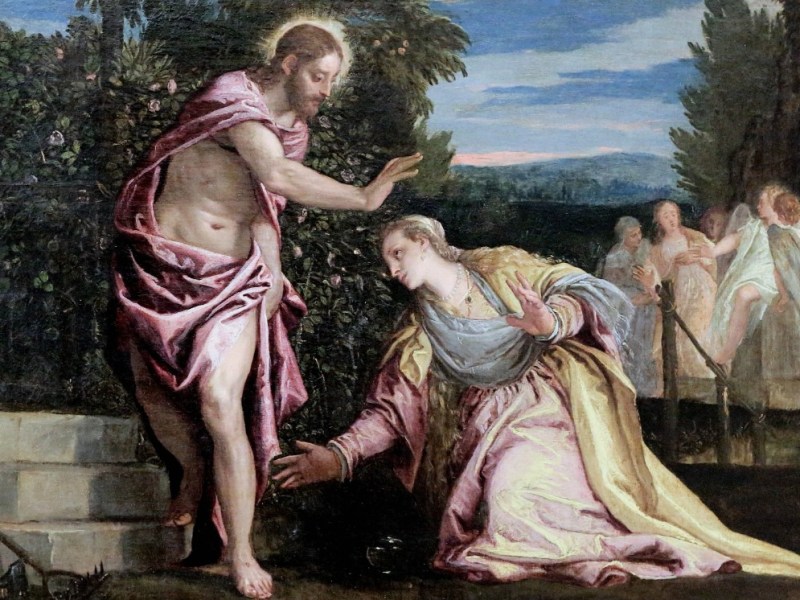
Pasquetta, tra spiritualità e arte: il significato del Lunedì dell’Angelo e i capolavori del “Noli me tangere”
🇮🇹Il Lunedì dell’Angelo racchiude uno dei momenti più intensi del Vangelo: l’incontro tra Gesù risorto e Maria Maddalena, raccontato nel celebre “Noli me tangere”. Un episodio che nei secoli ha ispirato artisti straordinari, dando vita a opere cariche di emozione, spiritualità e bellezza. .. 🇬🇧Easter Monday encompasses one of the most intense moments in the…

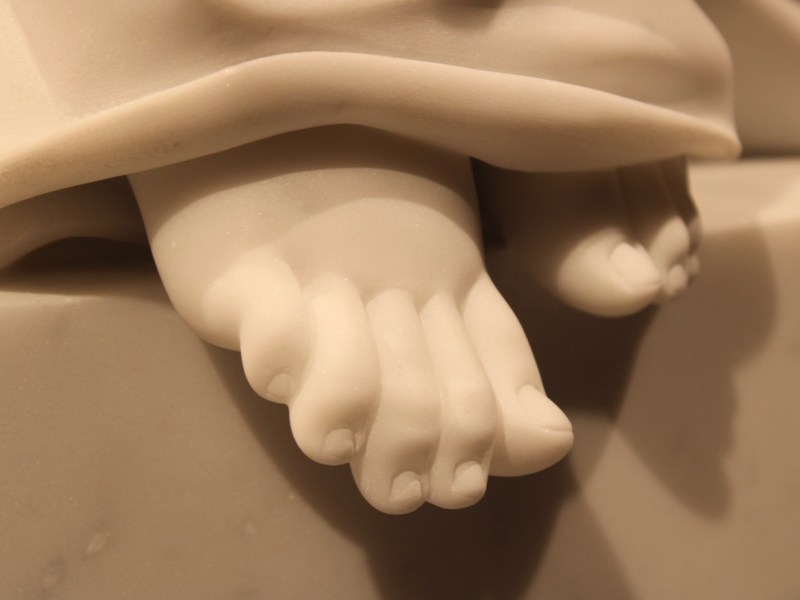
La Pietà di Tincolini: a Pontedera l’arte torna a fare domande scomode
🇮🇹“Pietà”, la scultura di Filippo Tincolini, insieme alle parole di Federico Quaranta e Andrea Pezzi, non è stato solo uno spettacolo. È stata una domanda lanciata in faccia al pubblico, impossibile da evitare: siamo ancora capaci di provare pietà? 🇬🇧 “Pietà,” Filippo Tincolini’s sculpture, along with the words of Federico Quaranta and Andrea Pezzi, wasn’t…
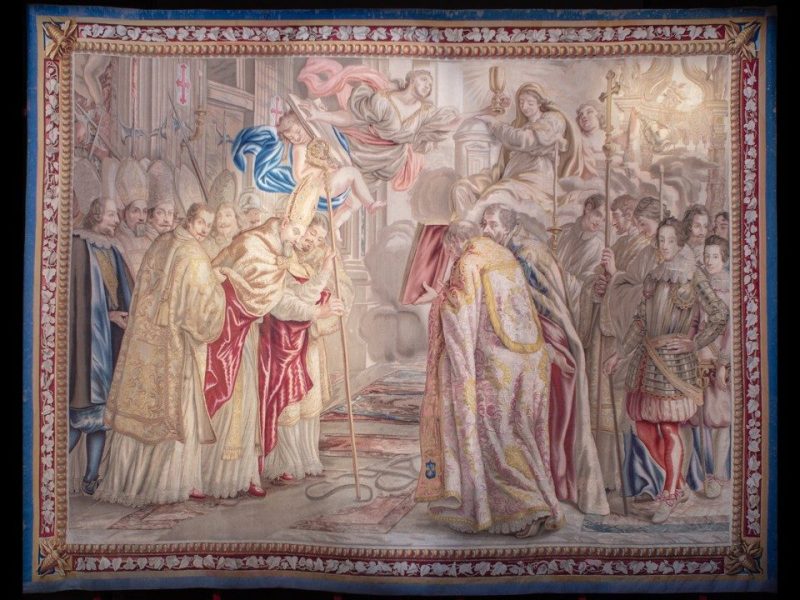
Ai Musei Vaticani i fasti barocchi di Urbano VIII: in mostra gli arazzi della manifattura Barberini
🇮🇹A quattro secoli dalla consacrazione della Basilica di San Pietro, i Musei Vaticani dedicano una mostra all’Arazzeria Barberini, simbolo di una cultura visiva capace di fondere magnificenza estetica e affermazione politica… 🇬🇧Four centuries after the consecration of St. Peter’s Basilica, the Vatican Museums are dedicating an exhibition to the Barberini Tapestry Factory, a symbol of…
Condividi:

Questo sono io





sostienici

Sostienici – Support Us
Se questo blog ti piace e ti appassiona, puoi aiutarci a farlo crescere sempre più sostenendoci in modo concreto condividendo i post, seguendo le pagine social e con un contributo che ci aiuta ad andare avanti con il nostro lavoro di divulgazione. . ENGLISH: If you like and are passionate about this blog, you can help us make it grow more and more by supporting us in a concrete way by sharing posts, following social pages and with a contribution that helps us to move forward with our dissemination work.
€10,00


