
Roma: ecco che aspetto aveva la mia casa di Macel de’ Corvi
Vi siete mai chiesti che aspetto potesse avere la casa che avevo a Roma a Macel de’ Corvi? Sedetevi comodi che ve lor acconto io.
Aveva cinque vani, una loggia al piano terra e un orto.
I cinque vani erano così suddivisi: due camere da letto ampie al piano superiore, una stanza in basso nella quale ero solito lavorare, un tinello, una cantina e una stalla.
Certamente mi sarei potuto permettere una dimora più grande e lussuosa, ubicata un una zona meno malfamata e sicuramente meno odorosa ma che m’importava degli agi del mondo?
Mi son sempre contentato di poco e il lusso è la povertà di chi non sa vivere con l’essenziale.
In fondo siamo tutti venuti al mondo nudi, senza altro che noi stessi ma pieni di sogni, idee e cose da fare. Nessuno è senza scopo: se il Creatore ci ha dato la possibilità di vivere vuol dire che abbiamo un ruolo in un progetto più grande di noi che magari non comprendiamo ma che comunque esiste.

Sapete, attorno a casa mia pareva ci fosse una grande latrina a cielo aperto. Pareva in tutta Roma non ci fosse altro luogo per andare a espletare le funzioni corporali, soprattutto di prima mattina. Le macellerie dove pensate buttassero i loro scarti? Ecco perchè la zona si chiamava Macel de’ Corvi
Per il momento il sempre vostro Michelangelo Buonarroti vi saluta dandovi appuntamento ai prossimi post e sui social.
Rome: this is what my house in Macel de’ Corvi looked like
Have you ever wondered what the house I had in Rome in Macel de’ Corvi looked like? It had five rooms, a loggia on the ground floor and a vegetable garden.
The five rooms were divided as follows: two large bedrooms on the upper floor, a room downstairs where I used to work, a small dining room, a cellar and a stable.
I could certainly have afforded a larger and more luxurious home, located in a less seedy and certainly less smelly area but what did I care about the comforts of the world?
I have always been content with little and luxury is the affectation of those who do not know how to live with the essential. After all, we all came into the world naked, with nothing but ourselves but full of dreams, ideas and things to do. No one is without a purpose: if the Creator gave us the possibility to live it means that we have a role in a project bigger than us that perhaps we do not understand but that nevertheless exists.
You know, around my house it seemed like there was a large open-air latrine. It seemed like there was no other place in all of Rome to go and perform bodily functions, especially in the early morning. Where do you think butchers threw their waste? That’s why the area was called Macel de’ Corvi
For the moment, your ever Michelangelo Buonarroti says goodbye and sees you in the next posts and on social media.

Sostienici – Support Us
Se questo blog ti piace e ti appassiona, puoi aiutarci a farlo crescere sempre più sostenendoci in modo concreto condividendo i post, seguendo le pagine social e con un contributo che ci aiuta ad andare avanti con il nostro lavoro di divulgazione. . ENGLISH: If you like and are passionate about this blog, you can help us make it grow more and more by supporting us in a concrete way by sharing posts, following social pages and with a contribution that helps us to move forward with our dissemination work.
10,00 €
-
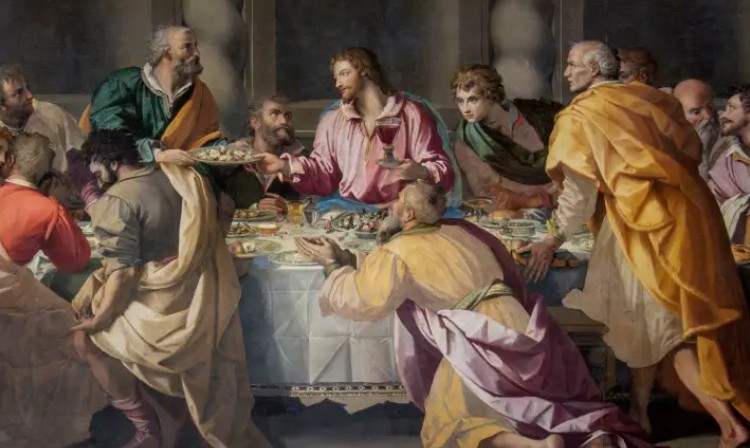
Giovedì Santo: l’Ultima Cena di Allori che pochi conoscono a Firenze
🇮🇹Nel cuore di Museo di Santa Maria Novella, a Firenze, si conserva una delle interpretazioni più affascinanti e meno note dell’Ultima Cena: quella realizzata da Alessandro Allori nel 1584… 🇬🇧In the heart of the Santa Maria Novella Museum in Florence, one of the most fascinating and least-known interpretations of the Last Supper is preserved: the…
-
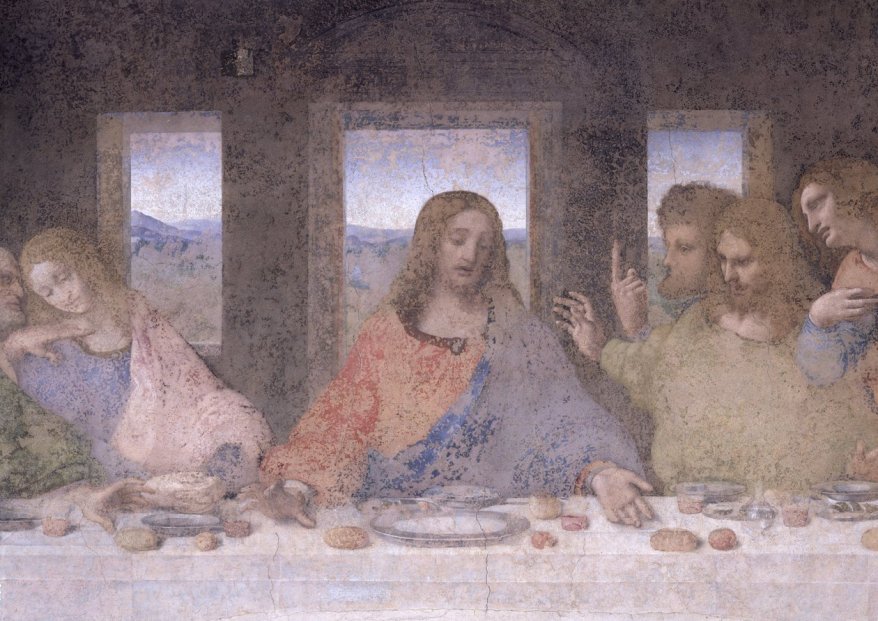
Cenacolo di Leonardo: i dettagli che raccontano il tradimento
🇮🇹Nel Cenacolo di Leonardo da Vinci, custodito a Santa Maria delle Grazie, Cristo annuncia il tradimento e il tempo si ferma… 🇬🇧In Leonardo da Vinci’s Last Supper, housed in Santa Maria delle Grazie, Christ announces the betrayal and time stands still…
-
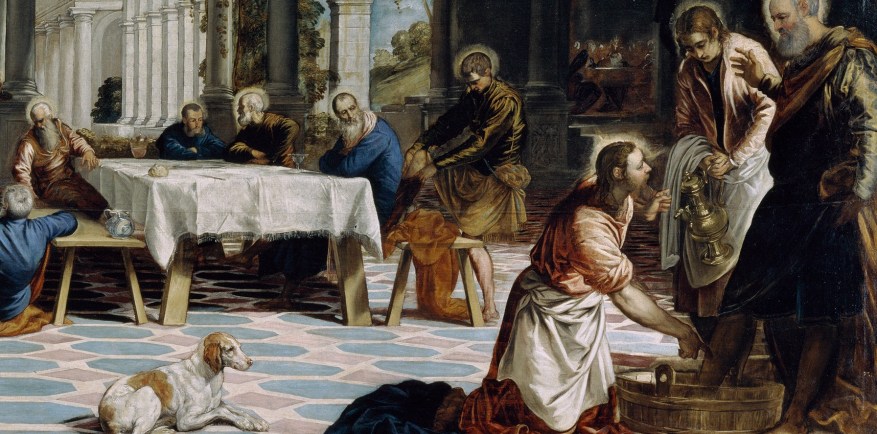
La Lavanda dei Piedi di Tintoretto: Il Capolavoro Veneziano al Prado
🇮🇹Tra i capolavori più affascinanti del Rinascimento veneziano, “La Lavanda dei Piedi” di Jacopo Tintoretto rappresenta un perfetto equilibrio tra spiritualità, innovazione compositiva e straordinaria forza narrativa… 🇬🇧Among the most fascinating masterpieces of the Venetian Renaissance, Jacopo Tintoretto’s “The Washing of the Feet” represents a perfect balance between spirituality, compositional innovation, and extraordinary narrative force…
Condividi:


Questo sono io





sostienici

Sostienici - Support Us
Se questo blog ti piace e ti appassiona, puoi aiutarci a farlo crescere sempre più sostenendoci in modo concreto condividendo i post, seguendo le pagine social e con un contributo che ci aiuta ad andare avanti con il nostro lavoro di divulgazione. . ENGLISH: If you like and are passionate about this blog, you can help us make it grow more and more by supporting us in a concrete way by sharing posts, following social pages and with a contribution that helps us to move forward with our dissemination work.
€10,00


