
24 luglio 1860: nasce Alphonse Mucha, il maestro dell’Art Nouveau
Il 24 luglio del 1860 venne al mondo Alphonse a Ivančice in Moravia, oggi Repubblica Ceca.
Fin da piccino mostrò un’inclinazione straordinaria per il disegno e la pittura. Nel 1878, dopo un breve periodo di apprendistato come decoratore a Vienna, si trasferì a Monaco di Baviera per frequentare l’Accademia di Belle Arti. Lì il suo stile subì una forte influenza dal movimento neo-rinascimentale tedesco.
Gli anni parigini e l’Art Nouveau
Nel 1885 Mucha arrivò a Parigi iniziando a frequentare il mondo bohémien della capitale francese. In quel periodo lavorò come illustratore per diverse riviste e collaborò con artisti come Paul Gauguin e Georges Seurat.
Proprio Gauguin diverrà uno dei suoi amici più stretti.
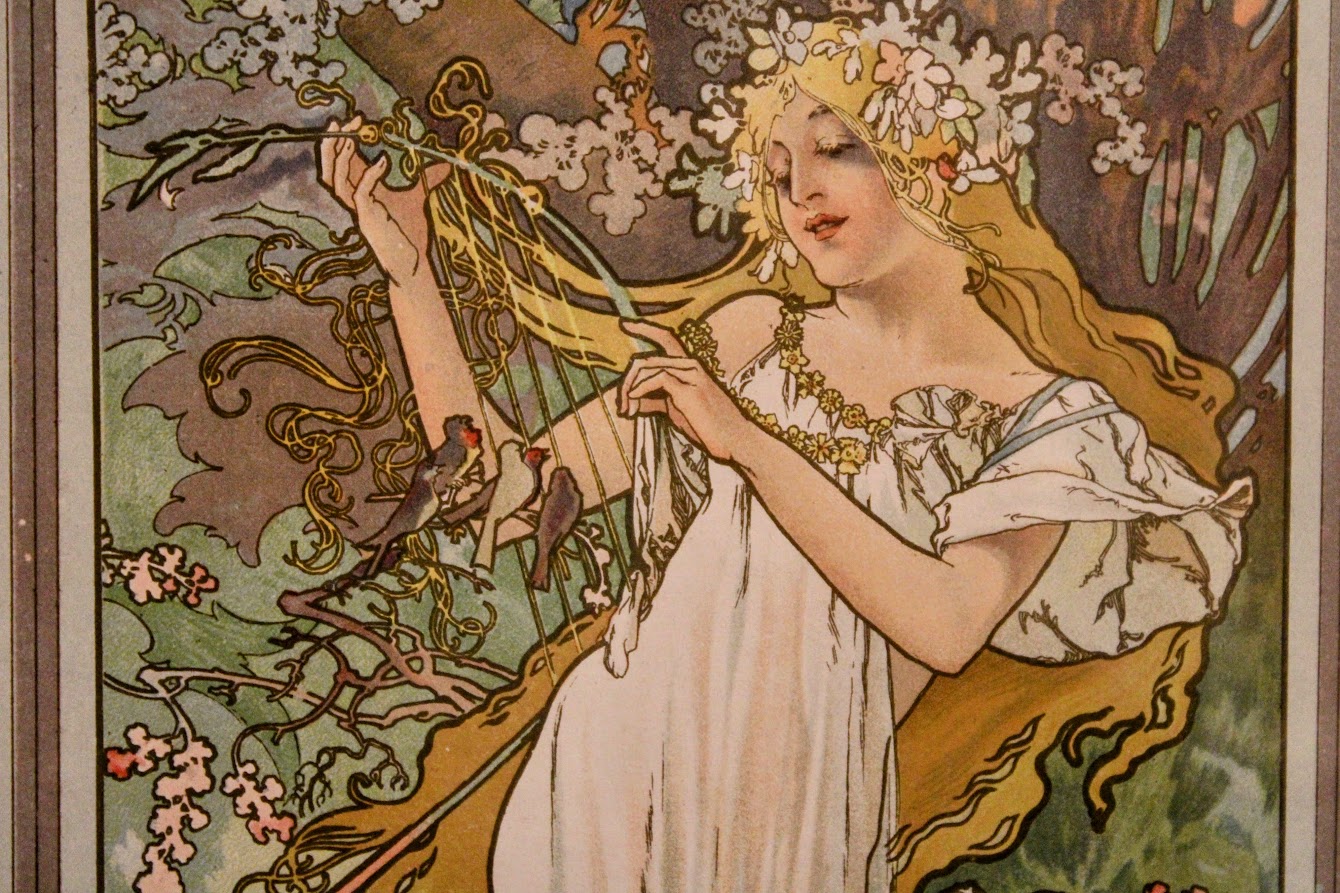
Mucha diventò uno dei principali esponenti dell’Art Nouveau, un movimento artistico che si ispirava alla natura e alle forme organiche.

Oltre ai celeberrimi manifesti, Mucha realizzò anche una vasta gamma di altre opere come illustrazioni per riviste e libri, pannelli decorativi, scenografie teatrali, gioielli e disegni per francobolli così come arredi e molto altro ancora.
Un artista poliedrico insomma, sempre alla ricerca di nuove forme espressive. Il suo stile, unico e riconoscibile, ha avuto un’influenza profonda su numerosi artisti e designer del XX secolo.
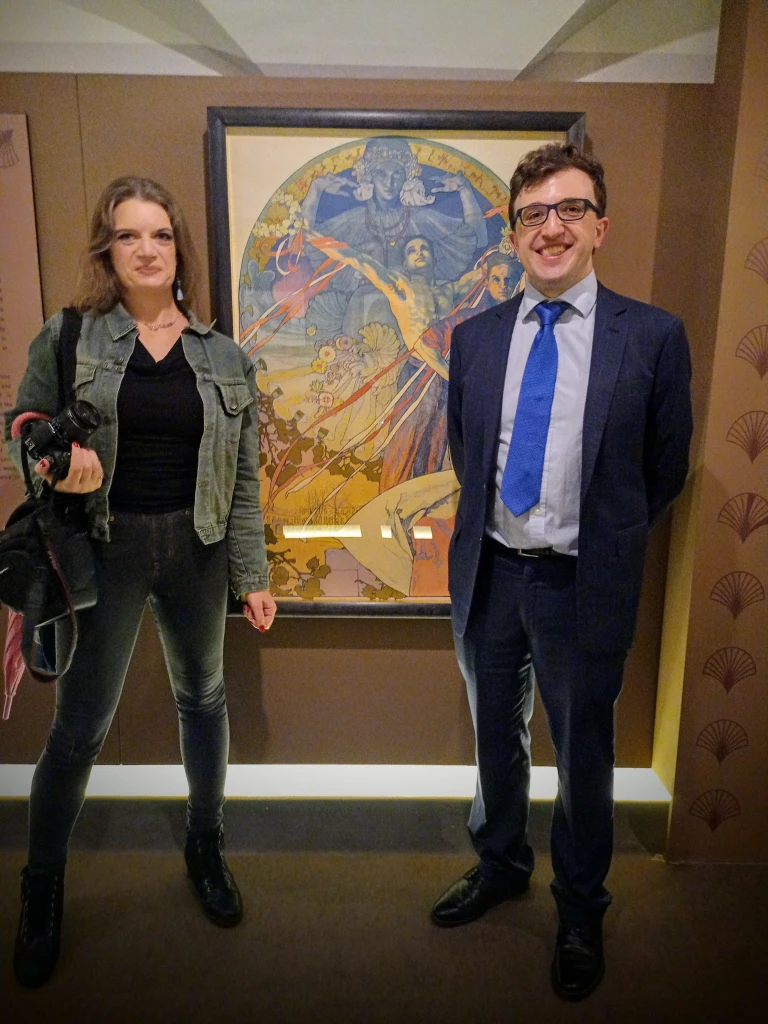
Sensuali, belle ma anche Innocenti, le donne sono il fulcro della produzione artistica di Mucha.
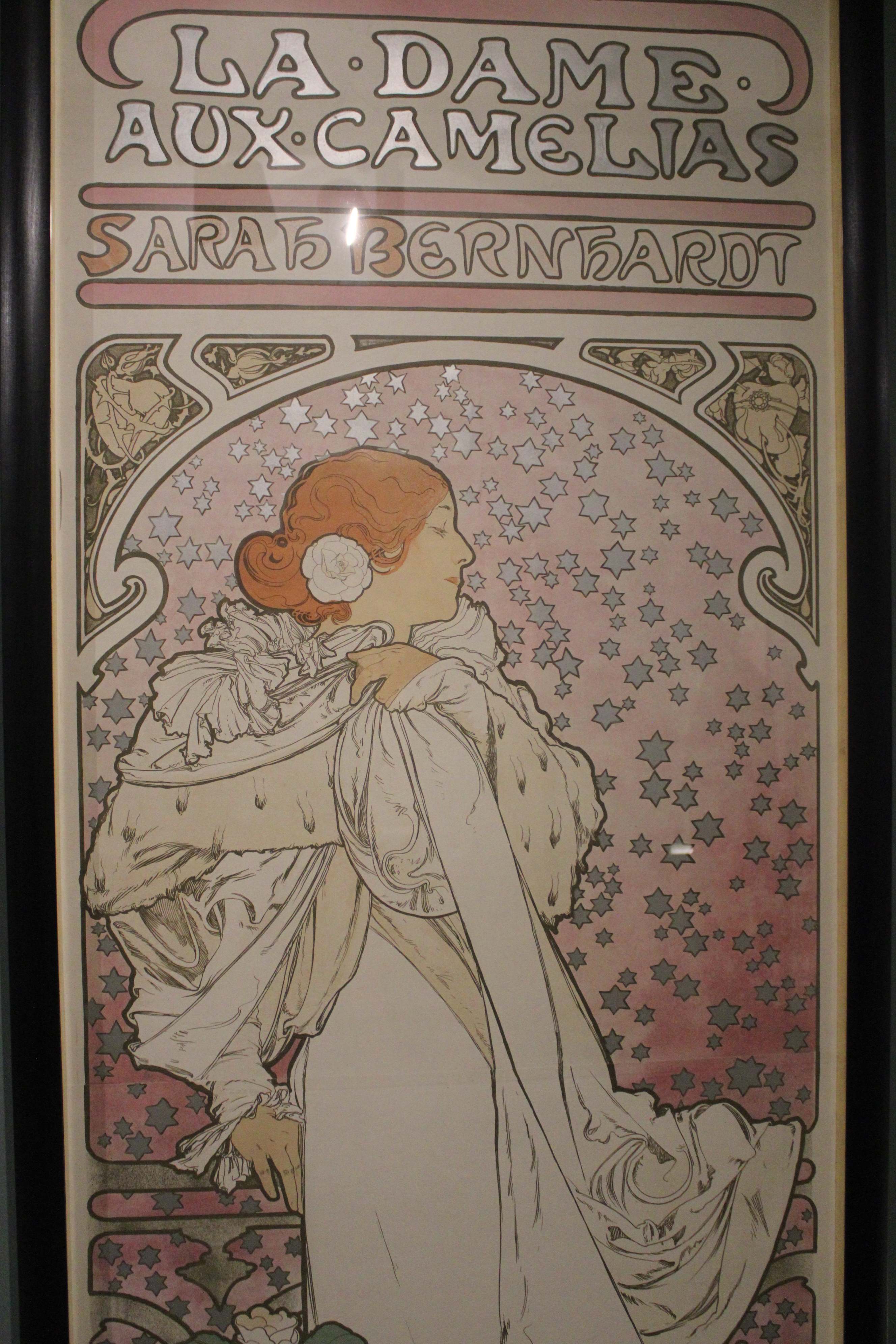
Il cosiddetto Stile Mucha lo dobbiamo a Sara Bernhardt che ebbe modo di incontrare l’artista nel 1894 e di commissionargli il manifesto della commedia teatrale della Gismonda.
Fino ad allora Mucha era un illustratore di libri e mai aveva disegnato niente di pubblicitario.

L’attrice rimase folgorata dalla bellezza del manifesto con quei colori pastello e linee fluide. La locandina di svelata il fiordo Capodanno del 1895 e fu il trionfo di Mucha.
Le opere di Mucha sono permeate della madre patria come i vestiti di foggia slava, i motivi floreali, motivi circolari che ricordano le aureole e temi geometrici.

Il libro
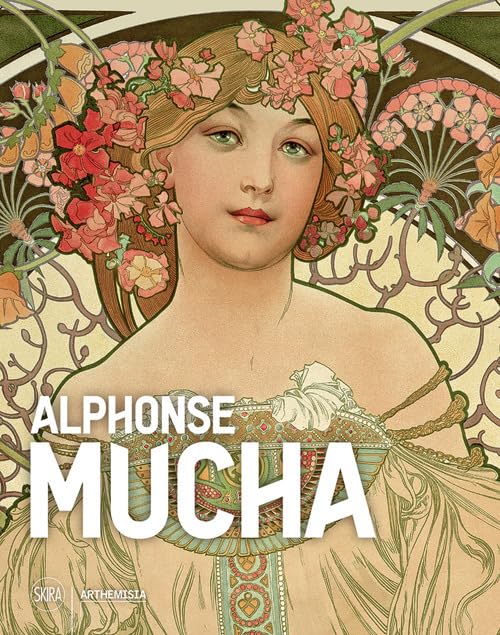
Il libro monografico dedicato ad Alphonse Mucha documenta il gusto dell’artista per l’eleganza, la sensualità e il senso del prezioso di quell’epoca mediante le opere che realizzò durante il corso della sua vita.
Dalle figure femminili divenute iconiche allo stile Mucha, dalla potenza dell’ispirazione fino alle linee sinuose che si fanno spazio nel quotidiano.
Per il momento il sempre vostro Michelangelo Buonarroti vi saluta dandovi appuntamento ai prossimi post e sui social.
July 24, 1860: Alphonse Mucha, the master of Art Nouveau, was born
On 24 July 1860 Alphonse was born in Ivančice in Moravia, now the Czech Republic.
From an early age he showed an extraordinary inclination for drawing and painting. In 1878, after a short period of apprenticeship as a decorator in Vienna, he moved to Munich to attend the Academy of Fine Arts. There his style was strongly influenced by the German neo-Renaissance movement.
The Parisian years and Art Nouveau
In 1885 Mucha arrived in Paris and began to frequent the bohemian world of the French capital. In that period he worked as an illustrator for various magazines and collaborated with artists such as Paul Gauguin and Georges Seurat.
Gauguin himself would become one of his closest friends.
Mucha became one of the main exponents of Art Nouveau, an artistic movement that was inspired by nature and organic forms.
In addition to the famous posters, Mucha also created a wide range of other works such as illustrations for magazines and books, decorative panels, theater sets, jewelery and stamp designs as well as furniture and much more.
In short, a multifaceted artist, always looking for new expressive forms. His unique and recognizable style had a profound influence on numerous artists and designers of the 20th century.
Sensual, beautiful but also innocent, women are the fulcrum of Mucha’s artistic production.
We owe the so-called Mucha Style to Sara Bernhardt who had the opportunity to meet the artist in 1894 and commission him to create the poster for Gismonda’s theatrical comedy.
Until then Mucha was a book illustrator and had never drawn anything advertising.
The actress was struck by the beauty of the poster with those pastel colors and fluid lines. The poster was unveiled on the fjord New Year’s Eve of 1895 and it was Mucha’s triumph.
Mucha’s works are permeated by the motherland such as Slavic-style clothes, floral motifs, circular motifs reminiscent of halos and geometric themes.
For the moment, your always Michelangelo Buonarroti greets you and will meet you in the next posts and on social media.

Sostienici – Support Us
Se questo blog ti piace e ti appassiona, puoi aiutarci a farlo crescere sempre più sostenendoci in modo concreto condividendo i post, seguendo le pagine social e con un contributo che ci aiuta ad andare avanti con il nostro lavoro di divulgazione. . ENGLISH: If you like and are passionate about this blog, you can help us make it grow more and more by supporting us in a concrete way by sharing posts, following social pages and with a contribution that helps us to move forward with our dissemination work.
10,00 €
-
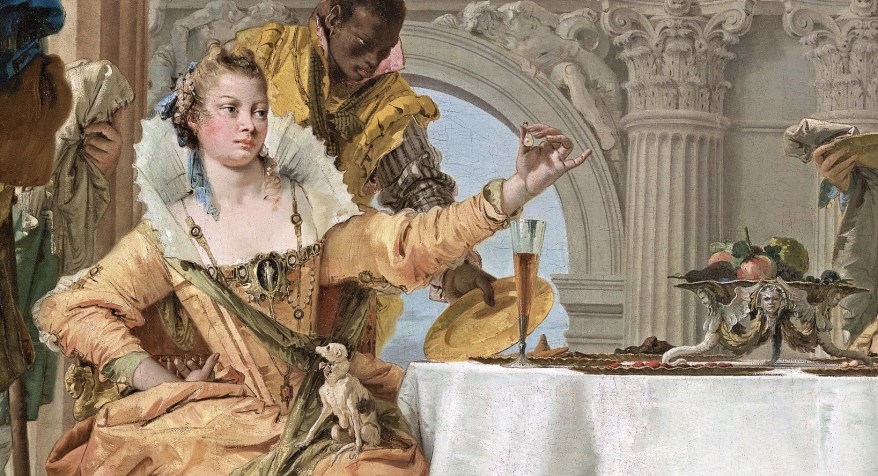
Quando Cleopatra umiliò Roma: il significato nascosto del celebre dipinto di Tiepolo
🇮🇹 Il dipinto che vi propongo è pura teatralità, lusso e strategia. Cleopatra scommette con Marco Antonio di poter offrire il banchetto più sontuoso della storia e per vincere compie un gesto folle… 🇬🇧 The painting I propose is pure theatricality, luxury, and strategy. Cleopatra bets Mark Antony that she can offer the most sumptuous…
-
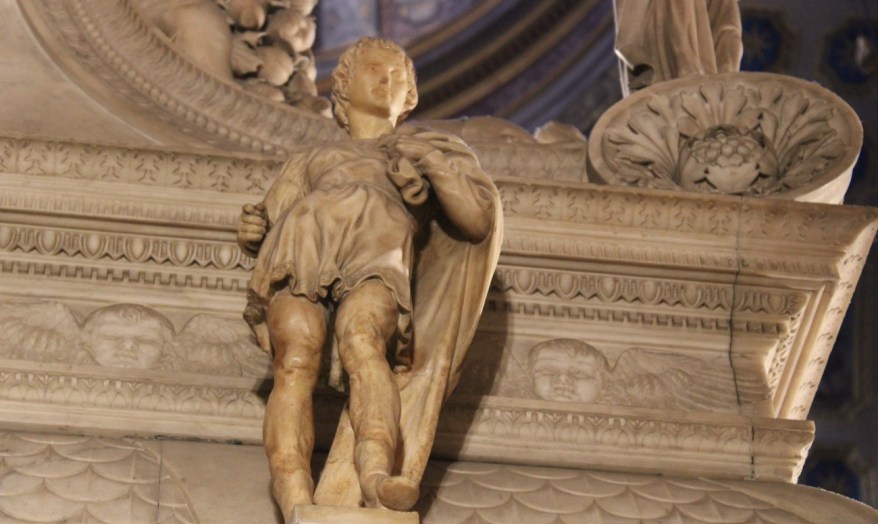
Il mio primo soggiorno a Bologna e l’incontro con Giovan Francesco Aldrovandi
🇮🇹Fuggii da Firenze a soli 19 anni. Senza certezze, senza protezioni. Solo con il mio talento. A Bologna trovai rifugio nella casa di Giovan Francesco Aldrovandi… 🇬🇧I fled Florence at just 19. Without certainties, without protection. Only with my talent. In Bologna, I found refuge in the home of Giovan Francesco Aldrovandi…
-
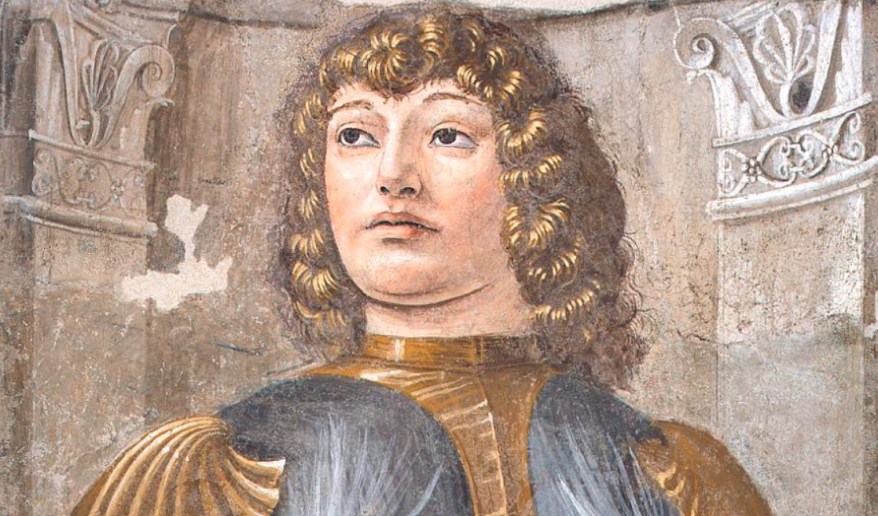
11 aprile 1514: muore Donato Bramante, il genio della scala elicoidale
🇮🇹Era l’11 aprile 1514 quando Donato Bramante morì a Roma. La sua scomparsa non cancellò però le tensioni, le rivalità e i giudizi contrastanti che avevano accompagnato tutta la sua carriera… 🇬🇧It was April 11, 1514, when Donato Bramante died in Rome. His passing, however, did not erase the tensions, rivalries, and conflicting opinions that…
Condividi:


Questo sono io





sostienici

Sostienici - Support Us
Se questo blog ti piace e ti appassiona, puoi aiutarci a farlo crescere sempre più sostenendoci in modo concreto condividendo i post, seguendo le pagine social e con un contributo che ci aiuta ad andare avanti con il nostro lavoro di divulgazione. . ENGLISH: If you like and are passionate about this blog, you can help us make it grow more and more by supporting us in a concrete way by sharing posts, following social pages and with a contribution that helps us to move forward with our dissemination work.
€10,00


