

L’opera del giorno: il Trionfo di Galatea di Raffaello
L’opera che vi propongo oggi è l’affresco del Trionfo di Galatea che Raffaello realizzò nella loggia di Villa Chigi a Roma, più nota come la Farnesina.
Fu il facoltoso banchiere Agostino Chigi a commissionare il lavoro al celeberrimo pittore urbinate per decorare parte della loggia che un tempo si apriva sul Tevere: le grandi arcate infatti furono chiuse solo nel Seicento.

Chigi aveva fatto edificare la sua nuova villa di delizie a partire dal 1512 da Baldassarre Peruzzi su un terreno circondato da mirabili giardini. Invece di attendere che l’edificio fosse ultimato, il banchiere volle che le stanze fossero decorate mano a mano che venivano completate dai più grandi artisti del suo tempo, escluso me, beninteso.
Chiamò al suo cospetto Sebastiano del Piombo, Giovanni Antonio Bazzi detto il Sodoma e Raffaello. Raffaello al momento era già impegnato con gli affreschi delle stanze vaticane per Giulio II ma accettò ugualmente.

Il tema dell’opera è ispirato dall’amore del Ciclope Polifemo per la ninfa marina Galatea che Sebastiano del Piombo aveva raffigurato poco distante. Il Trionfo di Galatea prende direttamente spunto dagli Idilli di Teocrito ma anche dalle Metamorfosi di Ovidio, però nella rivisitazione del Poliziano
Raffaello affrescò l’apoteosi di Galatea che guida il cocchio a forma di conchiglia, trainato da due delfini mentre viene guidato dal fanciullo Palemone. Attorno alla scena principale, l’artista aggiunse un corteo festoso di tritoni e nereidi mentre tre putti in alto sembra stiano scagliando verso di lei le frecce che la faranno innamorare.
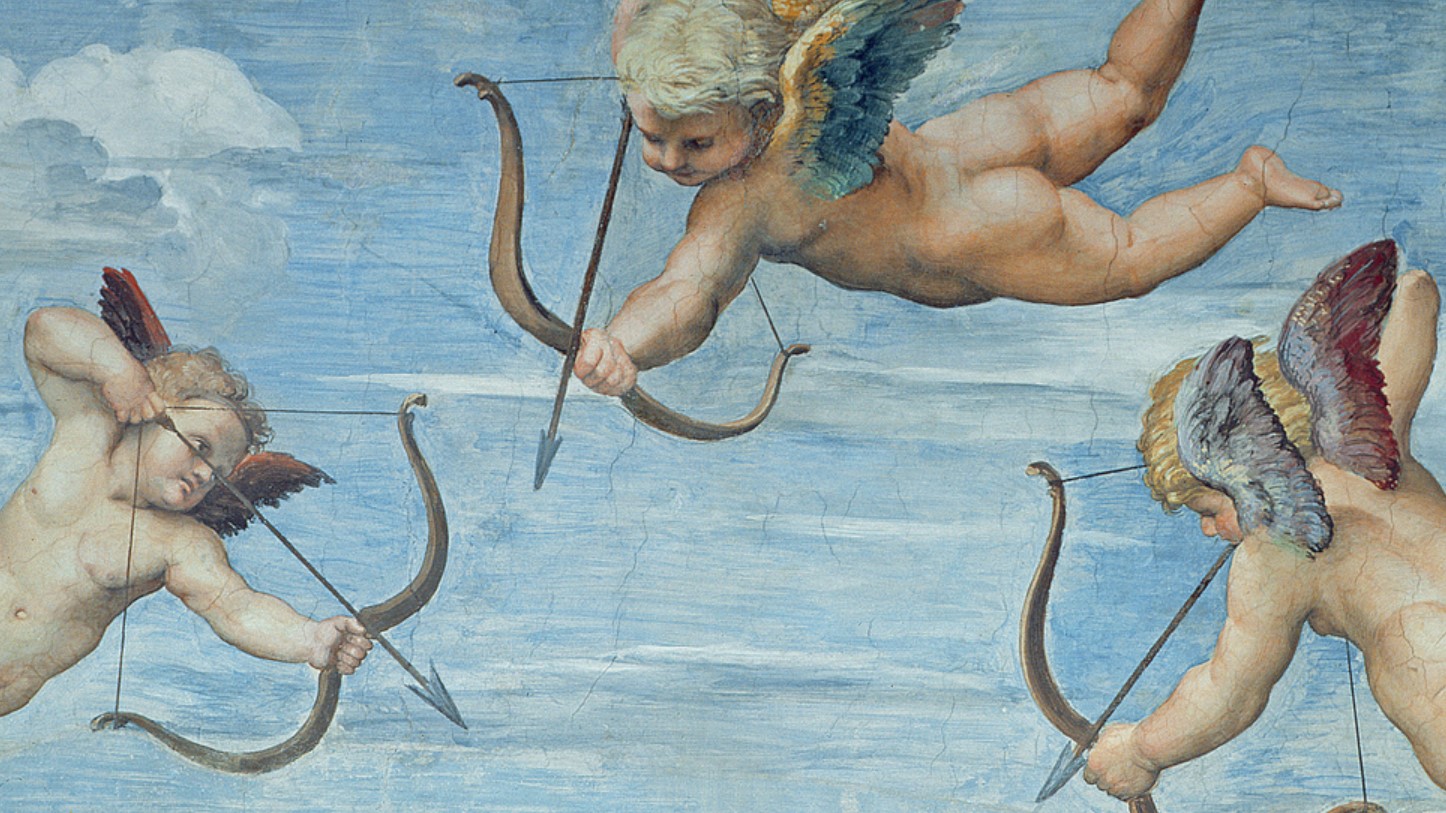
Se osservate bene l’opera, noterete la presenza di un quarto amorino dietro una nuvola che nasconde una faretra piena di frecce, interpretabile come la castità dell’amore platonico.
Raffaello studiò a lungo la composizione per dargli un senso vorticoso che ha inizio con la figura stessa di Galatea, raffigurata in una posizione serpentinata.
Mirabile il movimento del panneggio che copre parte delle nudità di Galatea, mosso dal vento e accentuato dallo svolazzare dei suoi capelli. Lo stesso vento gonfia il manto giallo di una ninfa avvinghiata da uno dei tritoni.
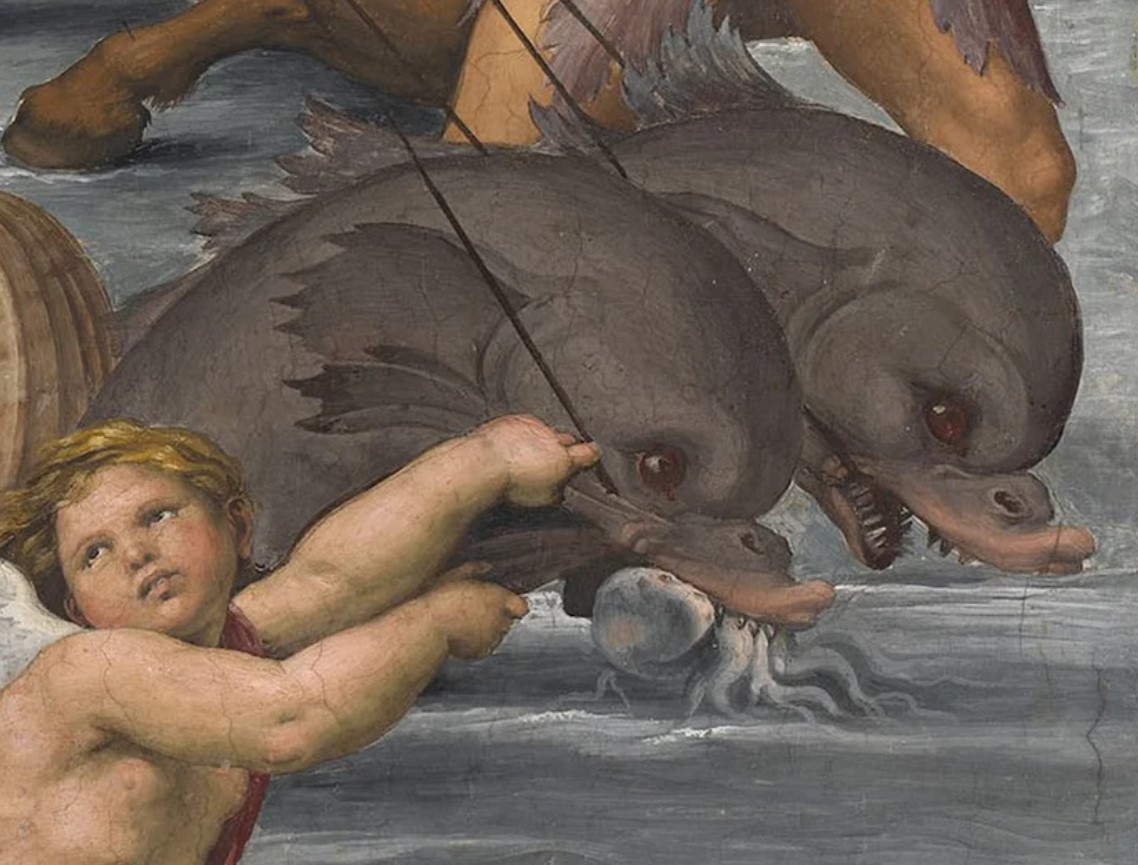
Le figure possenti presenti nell’affresco hanno molto di mio. Raffaello imparava da tutti o meglio, da tutti copiava ma era in grado di dare una sua personalità a ciascuna figura o movimento ripreso da altri.
L’affresco di Galatea è stato restaurato nel 2022 da Antonio Forcellino e sostenuto economicamente da IGT. L’intervento è stato necessario per alleggerire gli affreschi dalle impurità che nel corso dei secoli si erano depositate sulla superficie ed è stata l’occasione per verificare l’adesione degli intonaci ed effettuare il successivo consolidamento.
Per il momento il sempre vostro Michelangelo Buonarroti vi saluta dandovi appuntamento ai prossimi post e sui social.
The work of the day: the Triumph of Galatea by Raphael
The work I propose to you today is the fresco of the Triumph of Galatea that Raphael created in the loggia of Villa Chigi in Rome, better known as the Farnesina.
It was the wealthy banker Agostino Chigi who commissioned the work to the famous Urbino painter to decorate part of the loggia that once opened onto the Tiber: the large arches were in fact closed only in the seventeenth century.
Chivi had his new villa of pleasure built starting in 1512 by Baldassarre Peruzzi on land surrounded by wonderful gardens. Instead of waiting for the building to be completed, the banker wanted the rooms to be decorated as they were completed by the greatest artists of his time, excluding me, of course.
He called Sebastiano del Piombo, Giovanni Antonio Bazzi known as Sodoma and Raphael before him. Raphael was already busy at the time with the frescoes of the Vatican rooms for Julius II but he accepted anyway.
The theme of the work is inspired by the love of the Cyclops Polyphemus for the sea nymph Galatea that Sebastiano del Piombo had depicted nearby. The Triumph of Galatea takes its inspiration directly from Theocritus’ Idylls but also from Ovid’s Metamorphoses, however in Poliziano’s revisitation
Raphael frescoed the apotheosis of Galatea driving the shell-shaped chariot, pulled by two dolphins while being driven by the boy Palaemon. Around the main scene, the artist added a festive procession of tritons and nereids while three putti above her seem to be shooting arrows towards her that will make her fall in love with her.
If you look closely at the work, you will notice the presence of a fourth cupid behind a cloud hiding a quiver full of arrows, which can be interpreted as the chastity of platonic love.
Raphael studied the composition for a long time to give it a swirling sense that begins with the figure of Galatea itself, depicted in a serpentine position.
The movement of the drapery that covers part of Galatea’s nakedness is admirable, moved by the wind and accentuated by the fluttering of her hair. The same wind blows the yellow cloak of a nymph entwined by one of the newts.
The powerful figures present in the fresco have a lot of mine. Raphael learned from everyone or rather, he copied from everyone but was able to give his own personality to each figure or movement taken from others.
The Galatea fresco was restored in 2022 by Antonio Forcellino and financially supported by IGT. The intervention was necessary to lighten the frescoes from the impurities that had deposited on the surface over the centuries and was an opportunity to check the adhesion of the plasters and carry out the subsequent consolidation.
For the moment, your always Michelangelo Buonarroti greets you and will meet you in the next posts and on social media.

Sostienici – Support Us
Se questo blog ti piace e ti appassiona, puoi aiutarci a farlo crescere sempre più sostenendoci in modo concreto condividendo i post, seguendo le pagine social e con un contributo che ci aiuta ad andare avanti con il nostro lavoro di divulgazione. . ENGLISH: If you like and are passionate about this blog, you can help us make it grow more and more by supporting us in a concrete way by sharing posts, following social pages and with a contribution that helps us to move forward with our dissemination work.
10,00 €
-
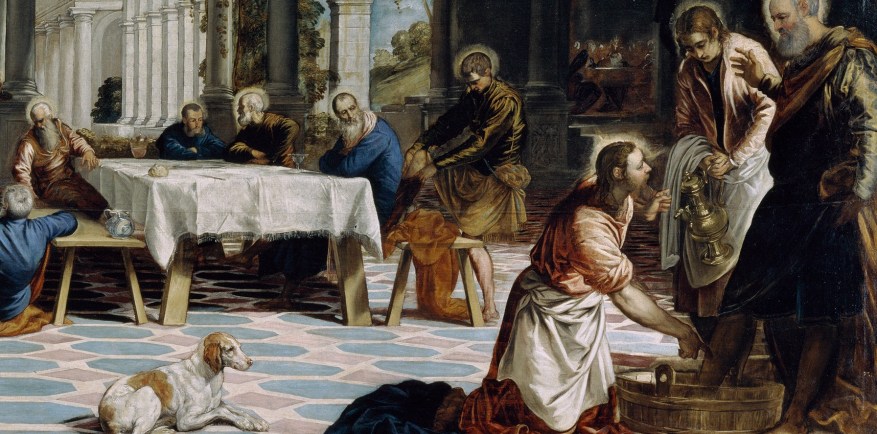
La Lavanda dei Piedi di Tintoretto: Il Capolavoro Veneziano al Prado
🇮🇹Tra i capolavori più affascinanti del Rinascimento veneziano, “La Lavanda dei Piedi” di Jacopo Tintoretto rappresenta un perfetto equilibrio tra spiritualità, innovazione compositiva e straordinaria forza narrativa… 🇬🇧Among the most fascinating masterpieces of the Venetian Renaissance, Jacopo Tintoretto’s “The Washing of the Feet” represents a perfect balance between spirituality, compositional innovation, and extraordinary narrative force…
-
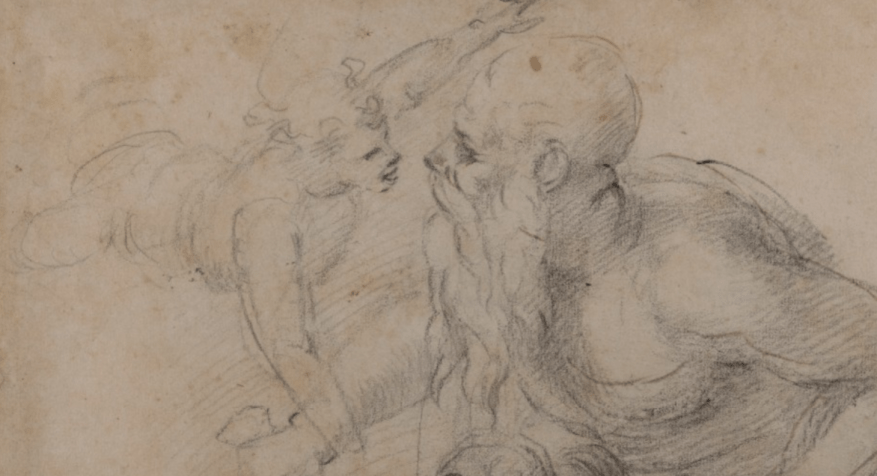
Il Sacrificio di Isacco e quel momento tra la vita e la morte
🇮🇹Oggi voglio raccontarvi alcuni dettagli sul mio disegno del Sacrificio di Isacco, conservato oggi a Casa Buonarroti. Su quel foglio volli tracciare il momento preciso in cui la paura fa spazio al miracolo… 🇬🇧Today I want to tell you some details about my drawing of the Sacrifice of Isaac, now preserved at Casa Buonarroti. On…
-
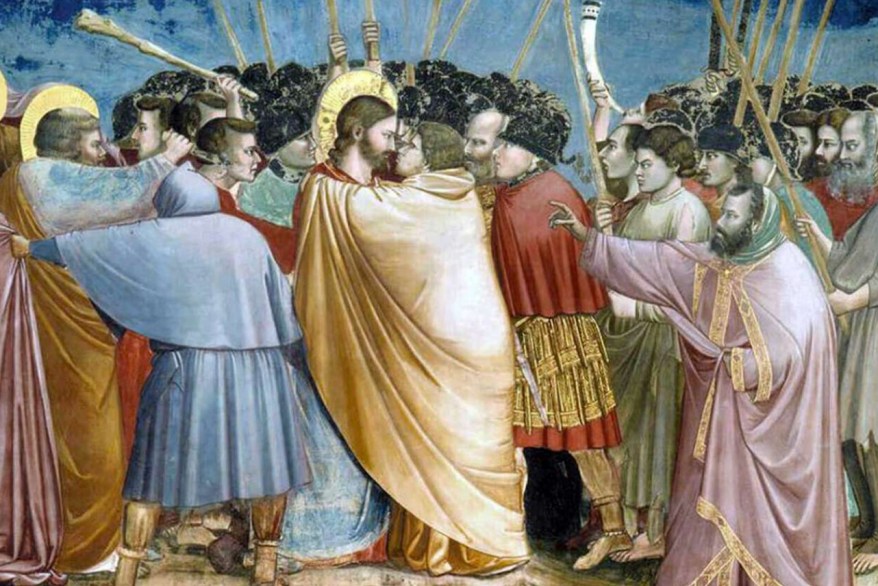
Mercoledì Santo: il giorno del tradimento di Giuda affrescato da Giotto
🇮🇹Il Mercoledì Santo è il giorno del silenzio, della riflessione e del tradimento. È il momento in cui Giuda sceglie di vendere Gesù per trenta denari, segnando uno dei passaggi più dolorosi della Settimana Santa…. 🇬🇧Holy Wednesday is a day of silence, reflection, and betrayal. ✝It is the moment when Judas chooses to sell Jesus…
Condividi:


Questo sono io





sostienici

Sostienici - Support Us
Se questo blog ti piace e ti appassiona, puoi aiutarci a farlo crescere sempre più sostenendoci in modo concreto condividendo i post, seguendo le pagine social e con un contributo che ci aiuta ad andare avanti con il nostro lavoro di divulgazione. . ENGLISH: If you like and are passionate about this blog, you can help us make it grow more and more by supporting us in a concrete way by sharing posts, following social pages and with a contribution that helps us to move forward with our dissemination work.
€10,00


