

Avrei avuto più caro due fiaschi di vino che otto camicie
Più fiaschi di Trebbiano e meno camicie.
Che me ne facevo di vesti nuove? Quelle che avevo mi bastavano e se poi, il tanto logorìo le faceva bucare, era sufficente rammendarle.
Il vino invece finiva sempre troppo presto. Non pensiate che fossi un gran bevitore, tutt’altro. Mi piaceva ma ero morigerato tanto nel mangiare quanto nel bere. Allora perchè lo finivo presto? Nessun segreto, ne facevo dono agli amici più cari ed era sempre un regalo gradito per chi lo riceveva.
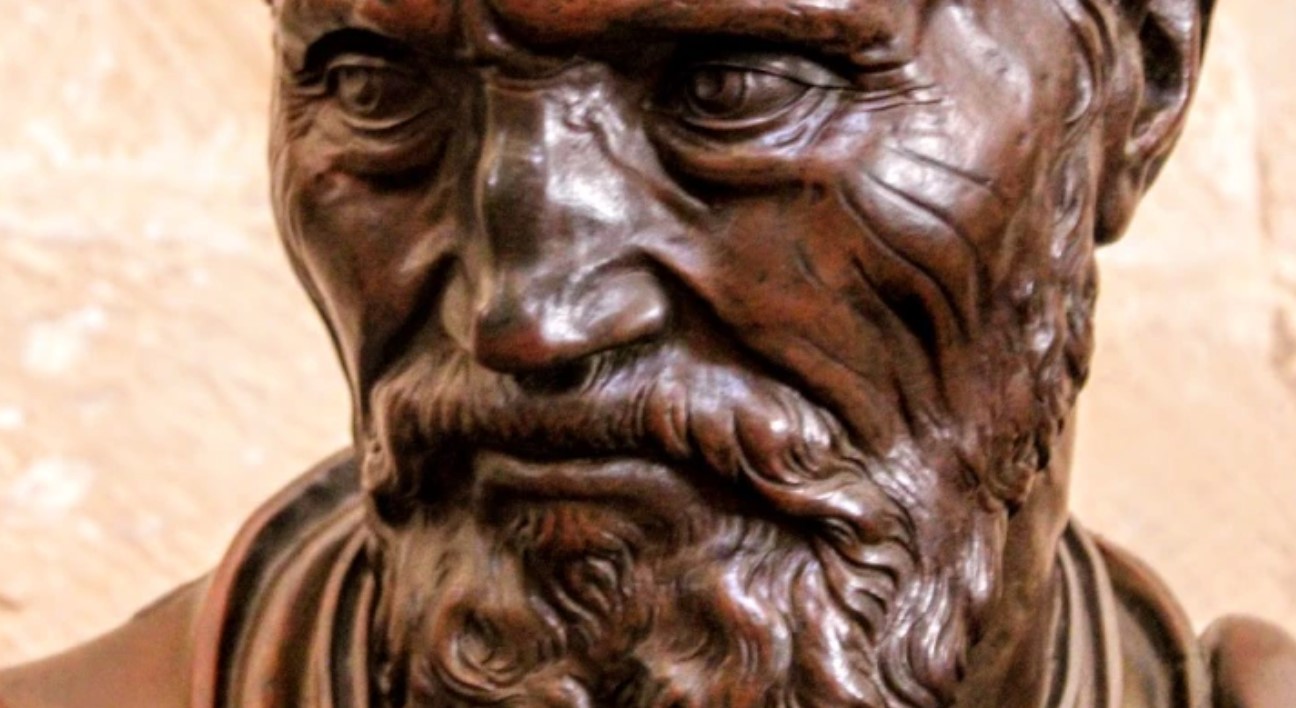
Glie lo scrissi nero su bianco al mi nipote a Firenze il 26 giugno del 1550, visto che pareva non intendere la questione. M’aveva fatto recapitare a Macel de’ Corvi otto camicie ma di vino nemmeno l’ombra.
Sia chiaro, i soldi che spendeva per mandarmi roba da Firenze erano i miei.
Per consumare otto camicie non mi sarebbero bastati otto anni invece il vino finiva sempre presto. E pensare che in quel periodo, afflitto dal mal della renella, nemmeno lo assaggiavo il Trebbiano.
“Lionardo, io ti scrissi sabato passato che arei avuto più caro dua fiaschi di trebbiano che octo camice che ti m’ài mandate…”
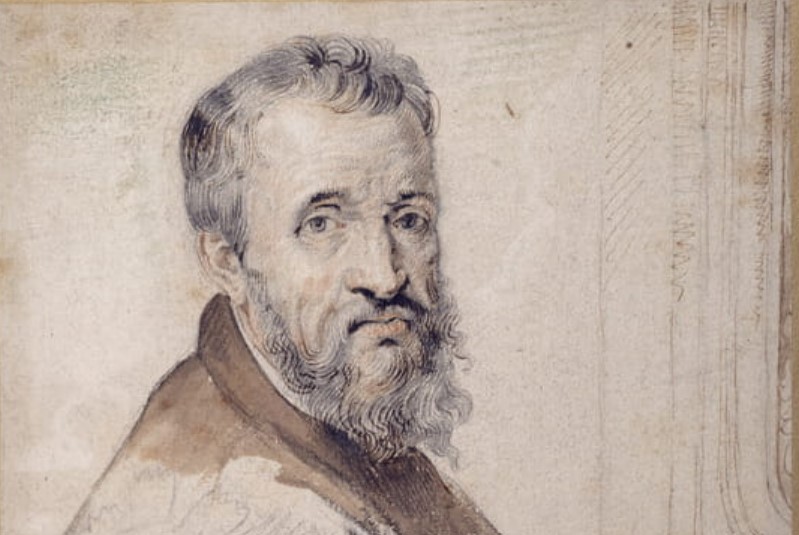
Qualche giorno dopo mi furono recapitati 44 fiaschi di vino dei quali sei l’avevo subito fatti portare al papa e altri li avevo regalati ad amici tanto che ben presto me ne rimasero pochi da portare in tavola quando desinavo con i miei assistenti.
Per il momento il sempre vostro Michelangelo Buonarroti vi saluta danovi appuntamento ai prossimi post e sui social.
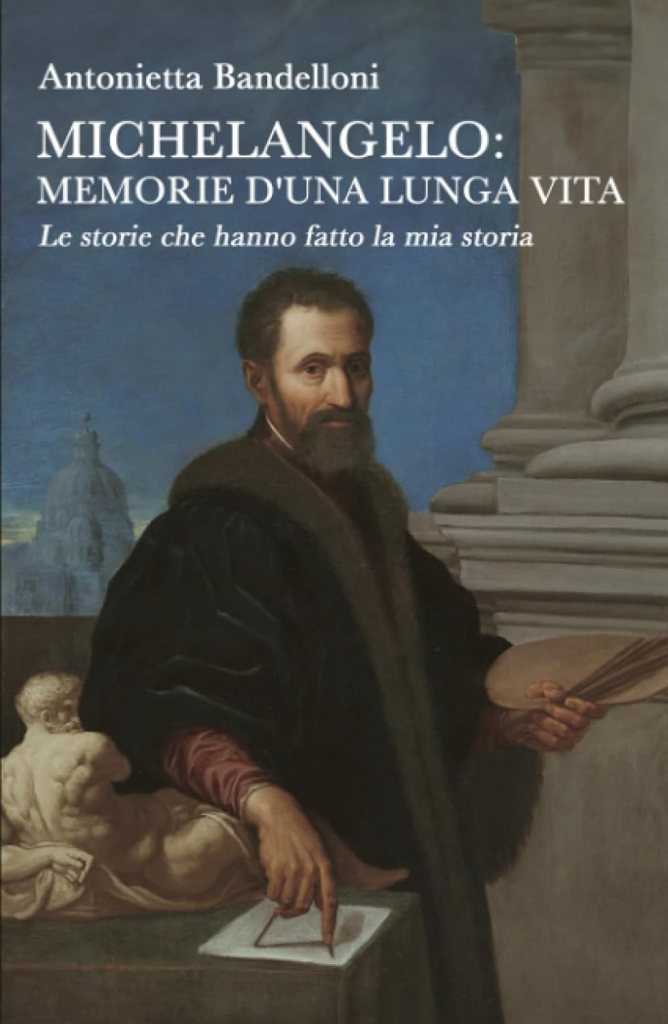
I would have valued two flasks of wine more than eight shirts
More Trebbiano fiascos and fewer shirts.
What did I do with new clothes? The ones I had were enough for me and if the wear and tear caused them to get punctured, it was enough to mend them.
The wine, however, always ran out too soon. Don’t think I was a big drinker, far from it. I liked it but I was moderate in both eating and drinking. So why did I finish it early? No secret, I gave it as a gift to my closest friends and it was always a welcome gift for those who received it.
I wrote it in black and white to my nephew in Florence on 26 June 1550, since he didn’t seem to understand the matter. He had eight shirts delivered to Macel de’ Corvi but not even a hint of wine.
Let’s be clear, the money he spent to send me stuff from Florence was mine.
Eight years would not have been enough to consume eight shirts, but the wine always ran out quickly. And to think that in that period, afflicted by gravel sickness, I didn’t even taste the Trebbiano.
“Lionardo, I wrote to you last Saturday that I would have had two flasks of Trebbiano more expensive than the eight shirts you sent me…”
A few days later, 44 flasks of wine were delivered to me, six of which I had immediately taken to the Pope and others I had given as gifts to friends, so much so that soon I had only a few left to bring to the table when I dined with my assistants.
For the moment, your always Michelangelo Buonarroti greets you, see you in the next posts and on social media.

Sostienici – Support Us
Se questo blog ti piace e ti appassiona, puoi aiutarci a farlo crescere sempre più sostenendoci in modo concreto condividendo i post, seguendo le pagine social e con un contributo che ci aiuta ad andare avanti con il nostro lavoro di divulgazione. . ENGLISH: If you like and are passionate about this blog, you can help us make it grow more and more by supporting us in a concrete way by sharing posts, following social pages and with a contribution that helps us to move forward with our dissemination work.
10,00 €
-
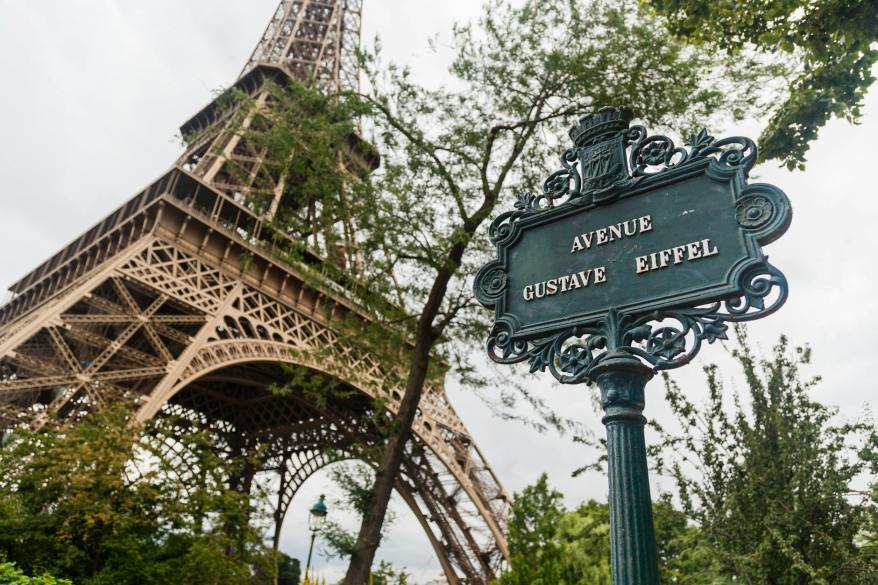
31 marzo 1889: inaugurata la Torre Eiffel tra critiche feroci e un destino inaspettato
🇮🇹Il 31 marzo 1889 segna una data destinata a cambiare per sempre il volto di Parigi e dell’immaginario collettivo globale: viene inaugurata la Torre Eiffel, l’opera più audace e discussa del suo tempo… 🇬🇧March 31, 1889 marks a date destined to change the face of Paris and the global collective imagination forever: the Eiffel Tower,…
-
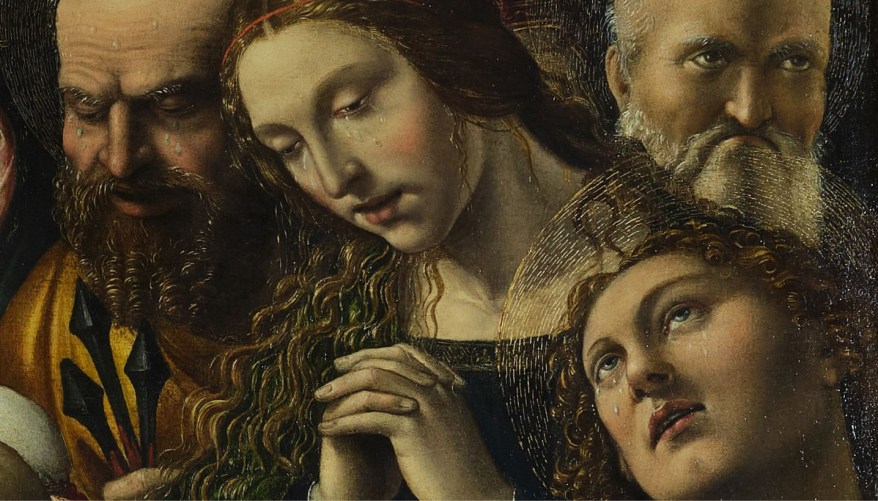
Sodoma in mostra a Torino: il Rinascimento al Museo Accorsi-Ometto
🇮🇹Al Museo di Arti Decorative Accorsi-Ometto arriva una mostra dedicata al Sodoma: oltre 50 opere, alcune mai viste prima, raccontano la formazione dell’artista e il suo dialogo con maestri come Pinturicchio… 🇬🇧An exhibition dedicated to Sodoma arrives at the Accorsi-Ometto Museum of Decorative Arts: over 50 works, some never before seen, recount the artist’s development…
-
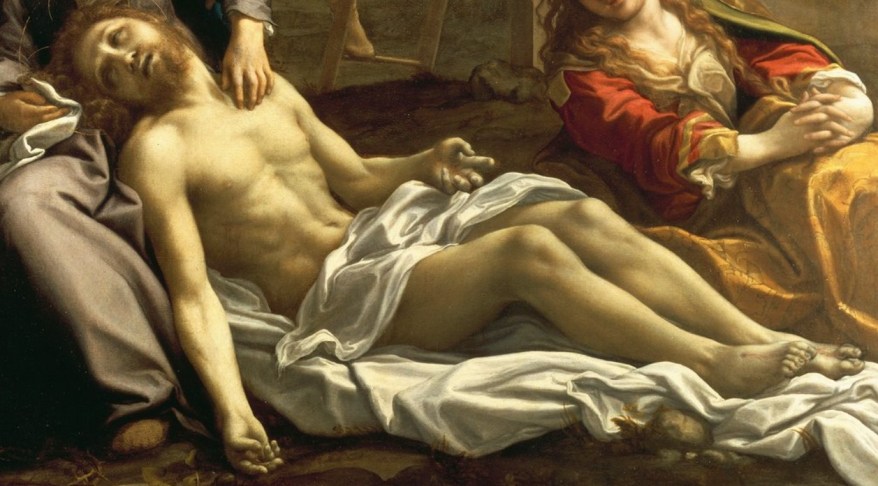
Il Compianto sul Cristo morto di Correggio: pathos e devozione
🇮🇹Con l’inizio della Settimana Santa, vi propongo il Compianto sul Cristo morto di Antonio Allegri, più noto come il Correggio: uno dei vertici assoluti della pittura emiliana del Cinquecento… 🇬🇧With the beginning of Holy Week, I propose the Lamentation over the Dead Christ by Antonio Allegri, better known as Correggio: one of the absolute peaks…
Condividi:


Questo sono io





sostienici

Sostienici - Support Us
Se questo blog ti piace e ti appassiona, puoi aiutarci a farlo crescere sempre più sostenendoci in modo concreto condividendo i post, seguendo le pagine social e con un contributo che ci aiuta ad andare avanti con il nostro lavoro di divulgazione. . ENGLISH: If you like and are passionate about this blog, you can help us make it grow more and more by supporting us in a concrete way by sharing posts, following social pages and with a contribution that helps us to move forward with our dissemination work.
€10,00


