
La Scultura del giorno: la scenografica Deposizione di Cristo della Cappella di San Severo
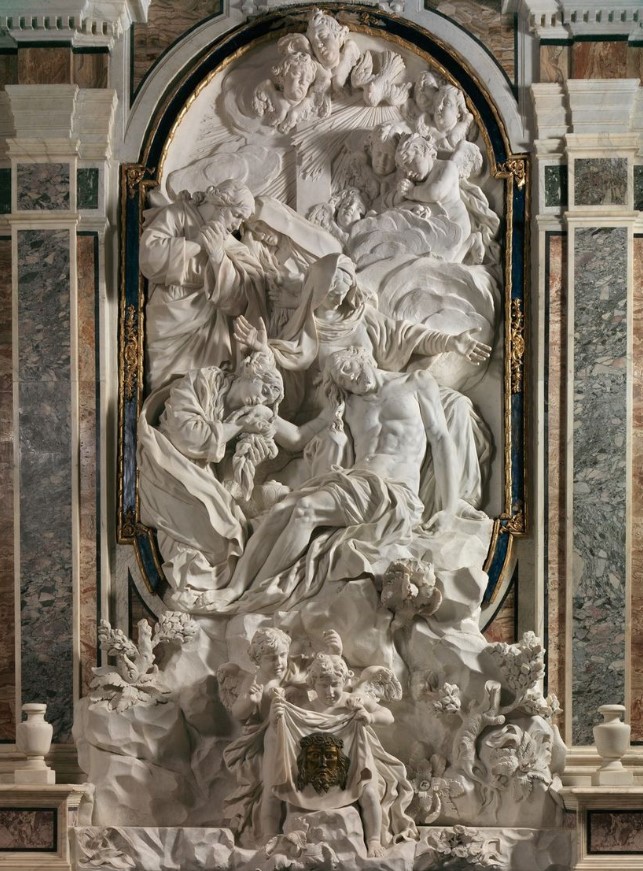
La Scultura del giorno che vi propongo oggi è lo scenografico altorilievo scolpito nel marmo da Francesco Celebrano della Deposizione di Cristo per la Cappella di San Severo, a Napoli.
Dovete sapere che l’esecuzione di questo capolavoro in principio era stata affidata al Queirolo e già il Corradini in precedenza aveva realizzato il modelli in creta.
Senza dubbio è l’opera maggiormente riuscita del Celebrano ed è l’unico altorilievo marmoreo posizionato su un altare maggiore a Napoli.

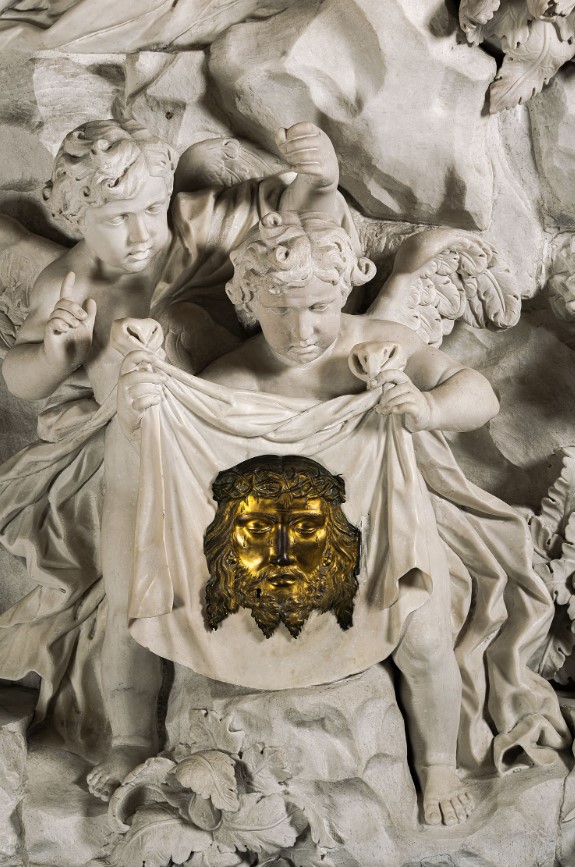
Lo scultore incluse nell’opera anche il tabernacolo posizionandolo all’interno del sudario di Cristo, sostenuto da due putti e chiuso dal volto in bronzo del Salvatore con in capo la corona di spine.
Quel panno è un diretto riferimento al Velo della Veronica, la nota reliquia in lino custodita all’interno della Basilica di San Pietro a Roma con impresso il volto di Cristo, in origine posseduta dalla Santa.
L’opera scultorea mostra elementi tardo barocchi che si fondono alle tipiche deposizioni seicentesche dipinte soprattutto in ambito napoletano.
Ogni dettaglio contribuisce a rendere movimentata e viva la scena. Non mancano le prove di virtuosismo dell’artista che fa sfoggio delle sue pregevoli abilità tecniche.
Il Corpo di Cristo è stato sceso dalla Croce. Privo di vita è stato fatto sedere. Il Suo busto è sostenuto fra le gambe panneggiate della Madre dolente che allarga le braccia con un gesto plateale mentre guarda cos’hanno fatto al Figlio.
A sinistra Maddalena con la schiena ricurva, appoggia il volto e i fluenti capelli alla mano ferita dai chiodi sostenendola.
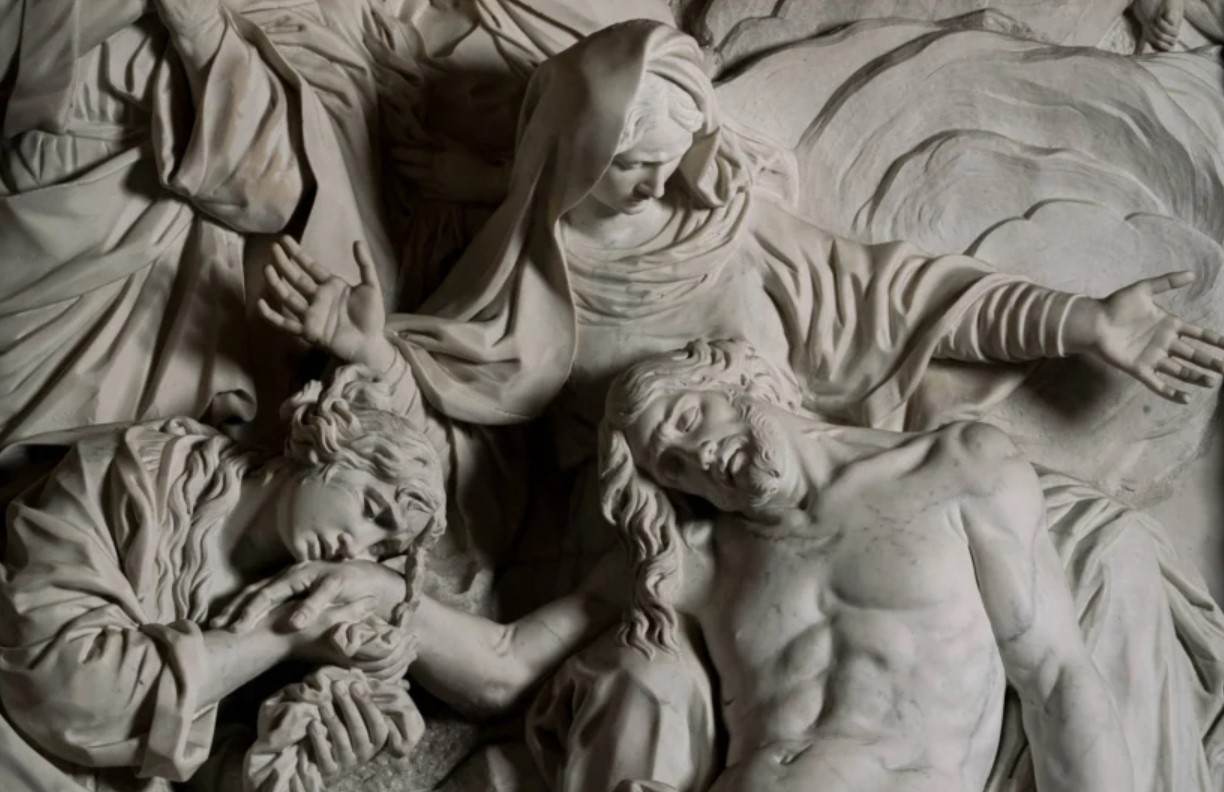
Sebbene il corpo di Cristo sia stato straziato e ferito prima dai soldati che l’hanno schernito e poi dal supplizio della Croce, il Celebrano Lo mostra nella sua interezza. Porta sì i segni delle stimmate e del costato ferito da Longino ma non mostra segni di sofferenza.
Nella parte più alta della pala d’altare si vede un nugolo di putti che assiste alla scena e due figure dolenti. Squarcia il cielo lo Spirito Santo, sotto forma di colomba.

Per il momento il sempre vostro Michelangelo Buonarroti vi saluta dandovi appuntamento ai prossimi post e sui social.
Sculpture of the day: the spectacular Deposition of Christ in the Chapel of San Severo
The Sculpture of the Day that I propose to you today is the scenographic high relief sculpted in marble by Francesco Celebrano of the Deposition of Christ for the Chapel of San Severo, in Naples.
You should know that the execution of this masterpiece was initially entrusted to Queirolo and Corradini had previously created the clay models.
Without a doubt it is Celebrano’s most successful work and is the only marble high relief positioned on a main altar in Naples.
The sculptor also included the tabernacle in the work by inserting it inside the shroud of Christ, supported by two cherubs and closed by the bronze face of the Savior with the crown of thorns on his head.
That cloth is a direct reference to the Veil of Veronica, the well-known linen relic kept inside St. Peter’s Basilica in Rome with the face of Christ imprinted on it, originally owned by the Saint.
The sculptural work shows late Baroque elements that blend with the typical seventeenth-century depositions painted especially in the Neapolitan context.
Every detail contributes to making the scene lively and alive. There is no shortage of evidence of the artist’s virtuosity who shows off his valuable technical skills.
The Body of Christ has come down from the Cross. Lifeless he was made to sit down. Her torso is supported between the draped legs of the grieving Mother who spreads her arms with a dramatic gesture as she watches what they have done to her Son.
To the left of her, Maddalena with her back curved, rests her face and flowing hair on her hand wounded by the nails, supporting her.
Although the body of Christ was torn and wounded first by the soldiers who mocked him and then by the torture of the Cross, the Celebran shows him in his entirety. He does bear the marks of the stigmata and of the side wounded by Longinus but he shows no signs of suffering.
In the highest part of the altarpiece you can see a cloud of putts witnessing the scene and two mournful figures. The Holy Spirit pierces the sky, in the form of a dove.
For the moment, your always Michelangelo Buonarroti greets you and will meet you in the next posts and on social media.

Sostienici – Support Us
Se questo blog ti piace e ti appassiona, puoi aiutarci a farlo crescere sempre più sostenendoci in modo concreto condividendo i post, seguendo le pagine social e con un contributo che ci aiuta ad andare avanti con il nostro lavoro di divulgazione. . ENGLISH: If you like and are passionate about this blog, you can help us make it grow more and more by supporting us in a concrete way by sharing posts, following social pages and with a contribution that helps us to move forward with our dissemination work.
8,00 €
-
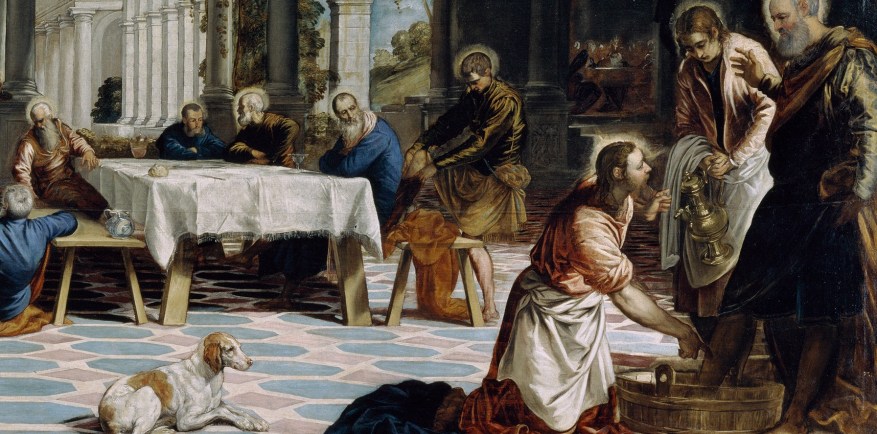
La Lavanda dei Piedi di Tintoretto: Il Capolavoro Veneziano al Prado
🇮🇹Tra i capolavori più affascinanti del Rinascimento veneziano, “La Lavanda dei Piedi” di Jacopo Tintoretto rappresenta un perfetto equilibrio tra spiritualità, innovazione compositiva e straordinaria forza narrativa… 🇬🇧Among the most fascinating masterpieces of the Venetian Renaissance, Jacopo Tintoretto’s “The Washing of the Feet” represents a perfect balance between spirituality, compositional innovation, and extraordinary narrative force…
-
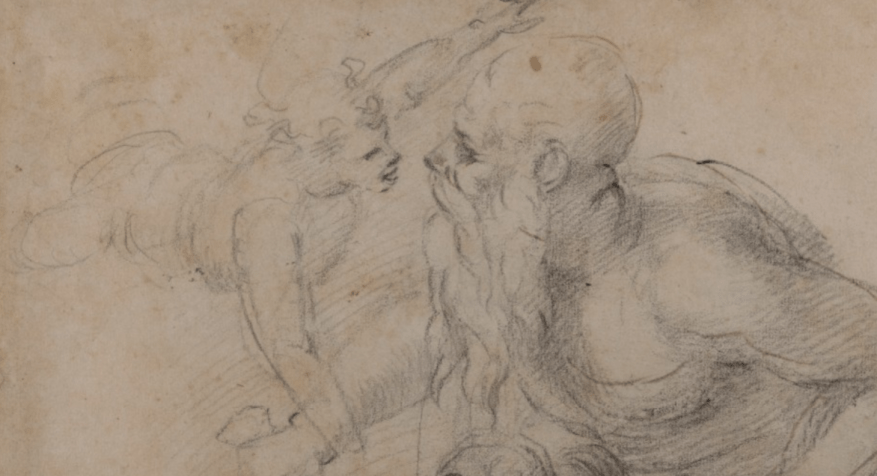
Il Sacrificio di Isacco e quel momento tra la vita e la morte
🇮🇹Oggi voglio raccontarvi alcuni dettagli sul mio disegno del Sacrificio di Isacco, conservato oggi a Casa Buonarroti. Su quel foglio volli tracciare il momento preciso in cui la paura fa spazio al miracolo… 🇬🇧Today I want to tell you some details about my drawing of the Sacrifice of Isaac, now preserved at Casa Buonarroti. On…
-
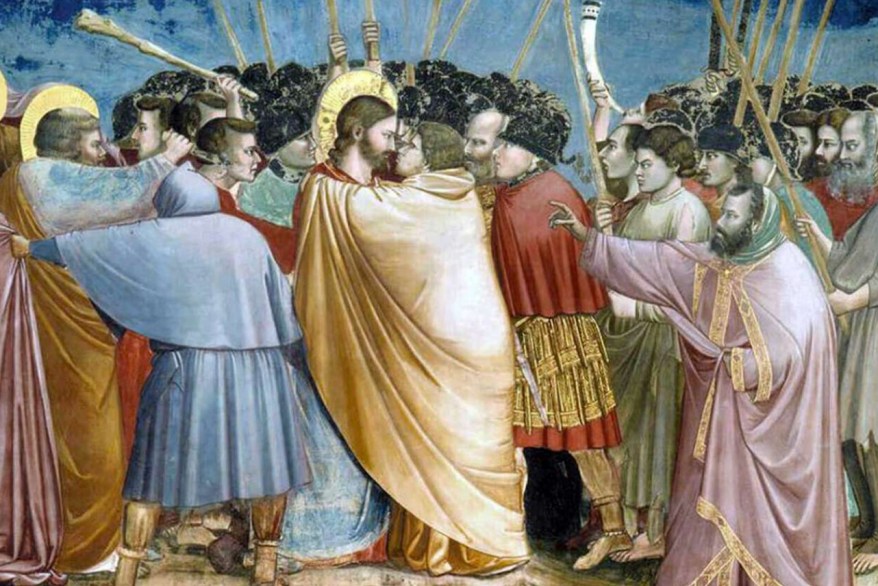
Mercoledì Santo: il giorno del tradimento di Giuda affrescato da Giotto
🇮🇹Il Mercoledì Santo è il giorno del silenzio, della riflessione e del tradimento. È il momento in cui Giuda sceglie di vendere Gesù per trenta denari, segnando uno dei passaggi più dolorosi della Settimana Santa…. 🇬🇧Holy Wednesday is a day of silence, reflection, and betrayal. ✝It is the moment when Judas chooses to sell Jesus…
Condividi:


Questo sono io





sostienici

Sostienici – Support Us
Se questo blog ti piace e ti appassiona, puoi aiutarci a farlo crescere sempre più sostenendoci in modo concreto condividendo i post, seguendo le pagine social e con un contributo che ci aiuta ad andare avanti con il nostro lavoro di divulgazione. . ENGLISH: If you like and are passionate about this blog, you can help us make it grow more and more by supporting us in a concrete way by sharing posts, following social pages and with a contribution that helps us to move forward with our dissemination work.
€10,00


