
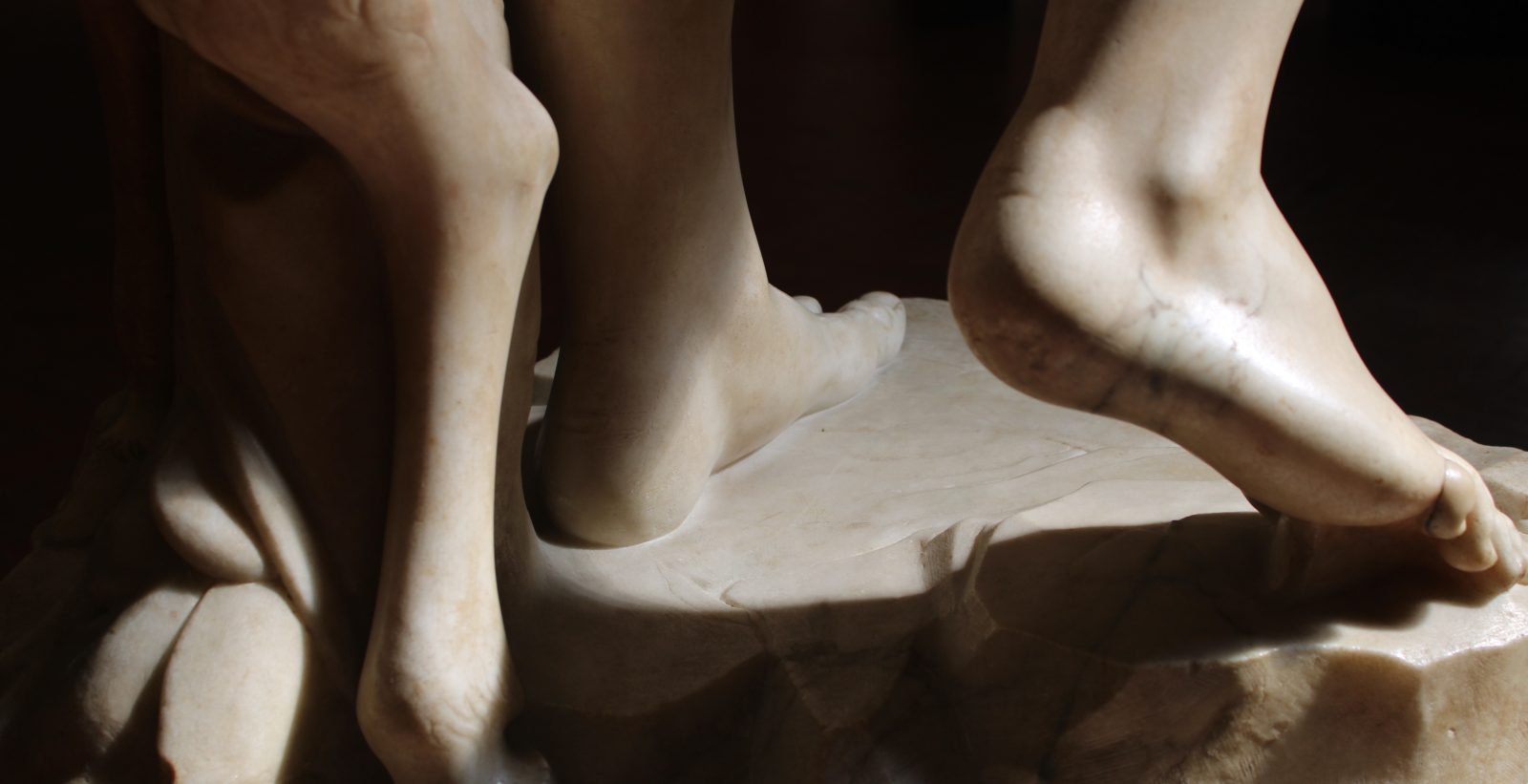
Una scultura di cinque braccia: il Mosé
“Finì un Moisé di cinque braccia, di marmo, alla quale statua non sarà mai cosa moderna alcuna che possa arrivare di bellezza e de le antiche ancora si può dire il medesimo…”, così scrisse il mio caro amico Giorgio Vasari raccontando il Mosè che avevo scolpito per la Tomba di Giulio II della Rovere.
Quarant’anni di tribolazioni mi ci vollero per condurre a buon fine quel progetto, più volte rivisto e ridotto sempre di più fino ad arrivare a quel monumento funebre che potete apprezzare oggi nella Basilica di San Pietro in Vincoli, a Roma.

“Meglio m’era nei primi anni che io mi fussi messo a fare zolfanelli ch’io non starei in tanta passsione. Io mi truovo aver perduto tutta la mia giovinezza, legato a questa sepoltura“.
Cominciai a lavorare al Mosè fra il 1513 e il 1516 a Macel de’ Corvi in quella che divenne la mia dimora romana fino agli ultimi giorni della mia esistenza. Alla fine il Mosè non potei collocarlo nel secondo registro come avevo previsto per i primi due progetti ma lo posizionai in basso, al centro del complesso scultoreo.

Con la sua imponenza e lo sguardo severo, Mosè tiene le tavole della legge sotto il braccio destro e giocherella con i riccioli della barba che ricadono fluenti sul petto.
C’è chi ha saputo vedere nel piglio dell’opera il modo di fare determinato e poco incline ai salamelecchi proprio di Giulio II come il Condivi: “Quella faccia piena di vivacità e di spirito, e accomodata ad indurre amore insieme e terrore”.
Per il momento il sempre vostro michelangelo Buonarroti vi saluta dandovi appuntamento ai prossimi post e sui social.
A sculpture of five arms: Moses
“He finished a Moisé of five arms, in marble, to which statue there will never be anything modern that can match the beauty and the same can still be said of the ancient ones…”, so my dear friend Giorgio Vasari wrote, describing the Moses who I had sculpted for the Tomb of Julius II della Rovere.
Forty years of tribulations took me to bring that project to a successful conclusion, revised several times and reduced more and more until arriving at that funerary monument that you can appreciate today in the Basilica of San Pietro in Vincoli, in Rome.
“It was better for me in the first years that I had started playing matches that I wouldn’t have been in such passion. I find myself having lost all my youth, tied to this burial.”
I began working on Moses between 1513 and 1516 in Macel de’ Corvi in what became my Roman home until the last days of my existence. In the end I was unable to place Moses in the second register as I had planned for the first two projects but I positioned it lower down, in the center of the sculptural complex.
With his grandeur and severe gaze, Moses holds the tablets of the law under his right arm and plays with the curls of his beard that fall flowing over his chest.
There are those who have been able to see in the tone of the work the determined and not inclined to salaaming manner of Julius II such as Condivi: “”That face full of liveliness and spirit, and suited to inducing both love and terror” .
For the moment, your always Michelangelo Buonarroti greets you and will meet you in the next posts and on social media.

Sostienici – Support Us
Se questo blog ti piace e ti appassiona, puoi aiutarci a farlo crescere sempre più sostenendoci in modo concreto condividendo i post, seguendo le pagine social e con un contributo che ci aiuta ad andare avanti con il nostro lavoro di divulgazione. . ENGLISH: If you like and are passionate about this blog, you can help us make it grow more and more by supporting us in a concrete way by sharing posts, following social pages and with a contribution that helps us to move forward with our dissemination work.
10,00 €
-
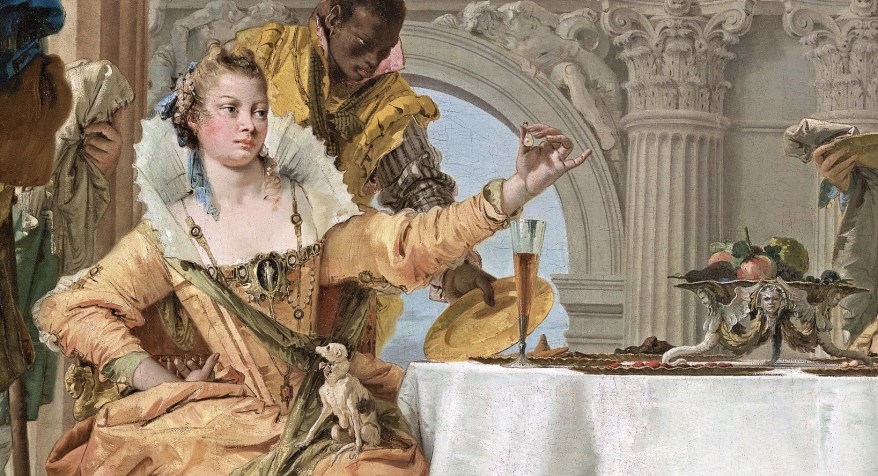
Quando Cleopatra umiliò Roma: il significato nascosto del celebre dipinto di Tiepolo
🇮🇹 Il dipinto che vi propongo è pura teatralità, lusso e strategia. Cleopatra scommette con Marco Antonio di poter offrire il banchetto più sontuoso della storia e per vincere compie un gesto folle… 🇬🇧 The painting I propose is pure theatricality, luxury, and strategy. Cleopatra bets Mark Antony that she can offer the most sumptuous…
-
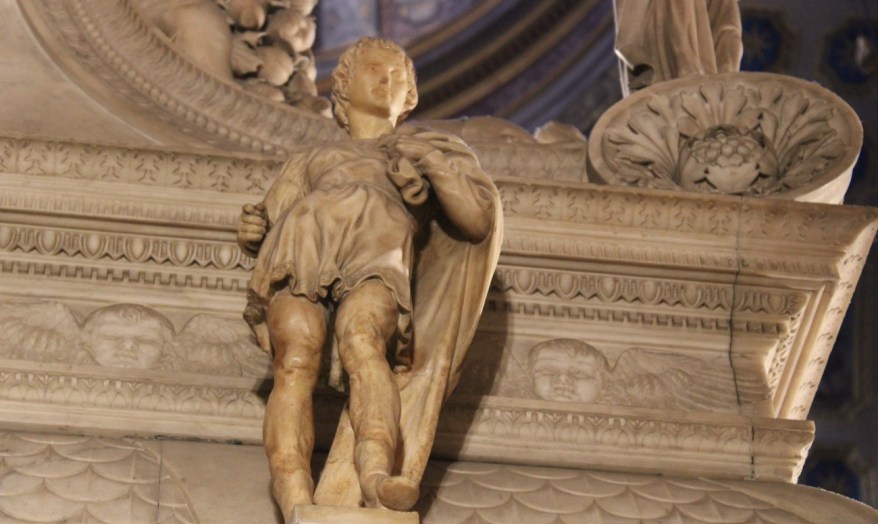
Il mio primo soggiorno a Bologna e l’incontro con Giovan Francesco Aldrovandi
🇮🇹Fuggii da Firenze a soli 19 anni. Senza certezze, senza protezioni. Solo con il mio talento. A Bologna trovai rifugio nella casa di Giovan Francesco Aldrovandi… 🇬🇧I fled Florence at just 19. Without certainties, without protection. Only with my talent. In Bologna, I found refuge in the home of Giovan Francesco Aldrovandi…
-
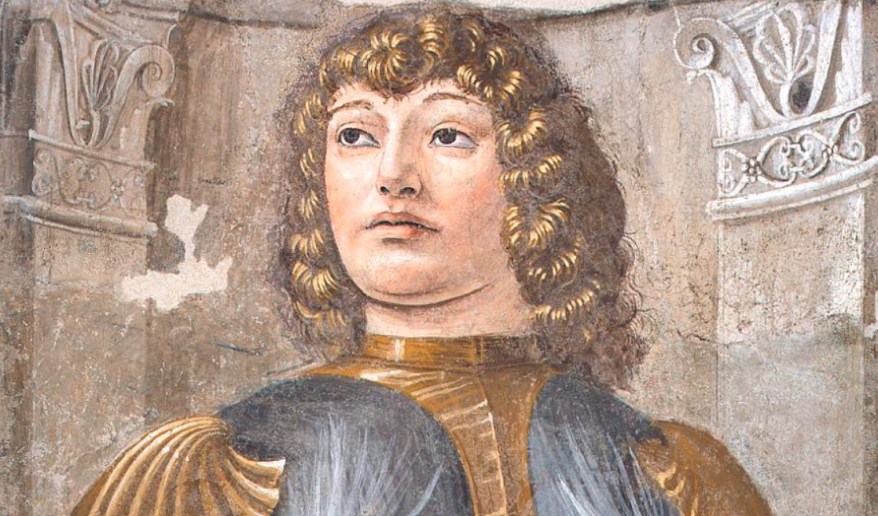
11 aprile 1514: muore Donato Bramante, il genio della scala elicoidale
🇮🇹Era l’11 aprile 1514 quando Donato Bramante morì a Roma. La sua scomparsa non cancellò però le tensioni, le rivalità e i giudizi contrastanti che avevano accompagnato tutta la sua carriera… 🇬🇧It was April 11, 1514, when Donato Bramante died in Rome. His passing, however, did not erase the tensions, rivalries, and conflicting opinions that…
Condividi:


Questo sono io





sostienici

Sostienici - Support Us
Se questo blog ti piace e ti appassiona, puoi aiutarci a farlo crescere sempre più sostenendoci in modo concreto condividendo i post, seguendo le pagine social e con un contributo che ci aiuta ad andare avanti con il nostro lavoro di divulgazione. . ENGLISH: If you like and are passionate about this blog, you can help us make it grow more and more by supporting us in a concrete way by sharing posts, following social pages and with a contribution that helps us to move forward with our dissemination work.
€10,00


