
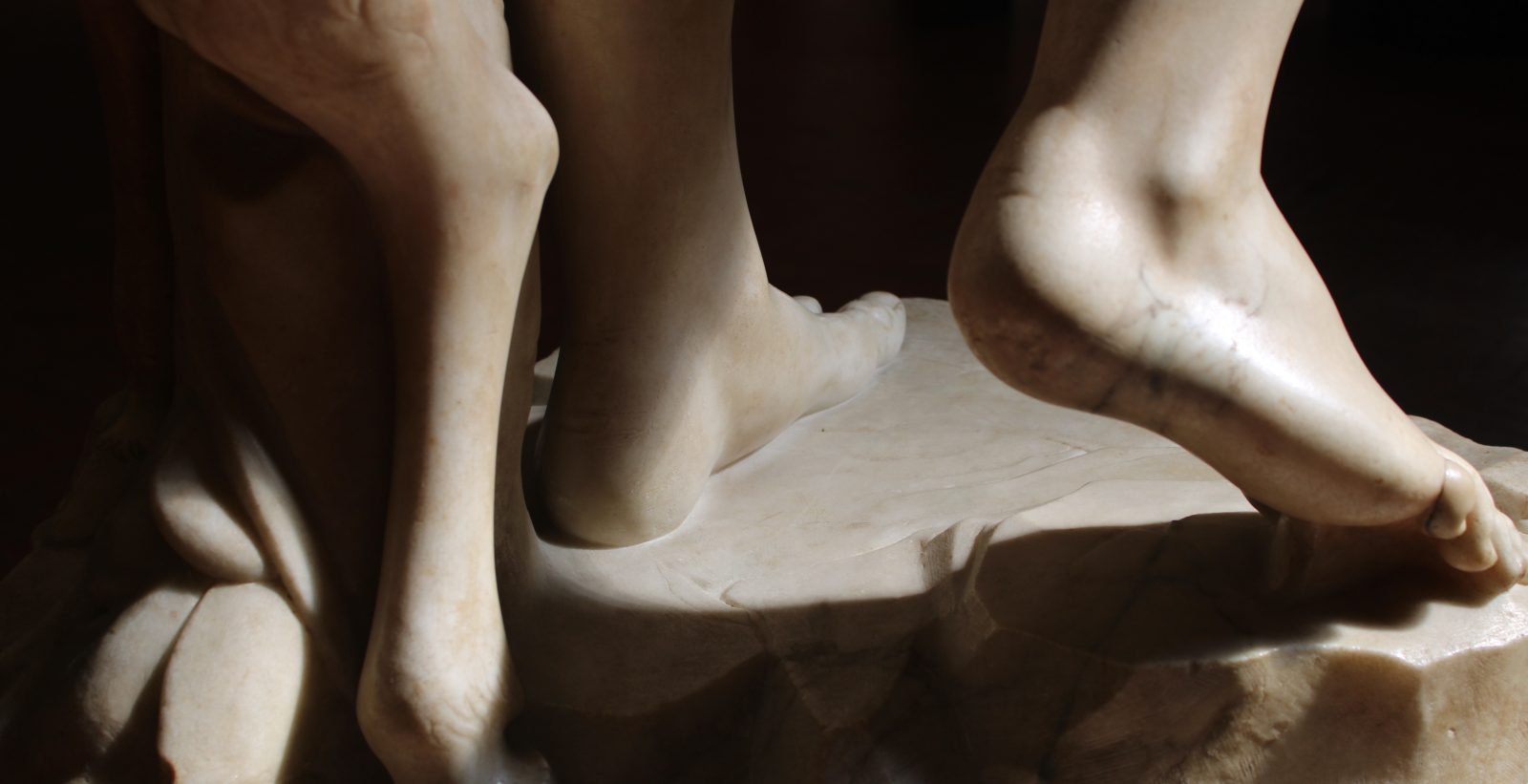
Capo, padre et maestro di tutti
“Capo, padre et maestro di tutti”, così si espresse nei miei confronti il caro amico Giorgio Vasari nel momento in cui l’Accademia del Disegno fu fondata e venni eletto presidente all’unanimità.
L’Accademia era stata creata nel 1563, quando ancora ero in vita, per volontà del Vasari e del Borghini, con il sostegno di Cosimo I.
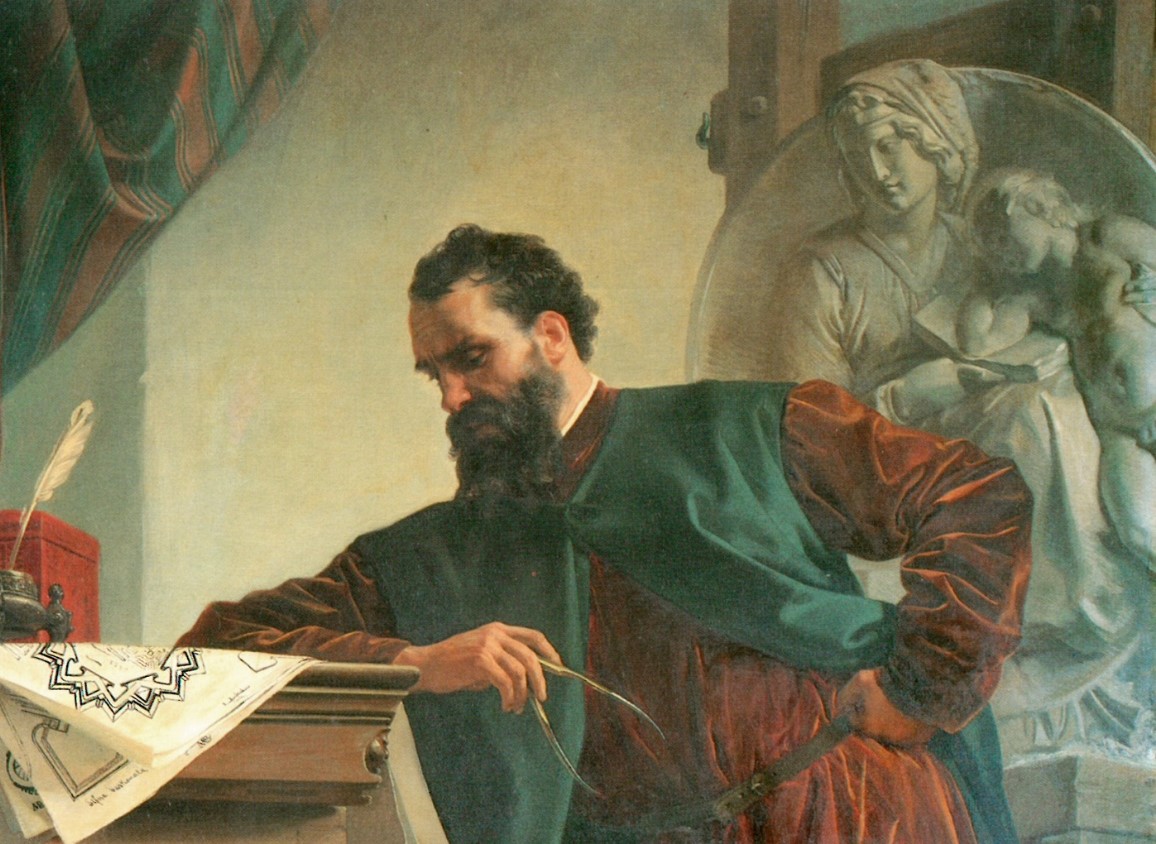
Quella nomina fa comprendere quanto fossi stimato e apprezzato prima ancora di passare a miglior vita ma non solo. Il primo atto ufficiale dell’Accademia riguardò il completamento della Sagrestia Nuova, all’epoca divenuta una vera e propria fonte di ispirazione e studio per i giovani talenti “poiché non ci è nessun di loro che in questa sagrestia non abbi imparato quel che sa”, precisò sempre il Vasari.
Questi omaggi però hanno un secondo livello di lettura che potrebbe passare inosservato.

Erano tutti modi attraverso i quali il duca Cosimo I tentava di farmi tornare a Firenze prima che fosse troppo tardi. Ma tardi lo era già: immaginatevi cosa volesse dire intraprendere un viaggio a cavallo o al massimo in carrozza da Roma a Firenze a 78 anni: una follia per quell’epoca.
Non potevo lasciare Roma: sia perchè in città da tempo vivevano i miei affetti più cari, escluso mio nipote Lionardo rimasto a Firenze, sia perché dovevo portare avanti il progetto di San Pietro e poi non mi andava di tornare a vivere sotto un despota come Cosimo I.
Non potevo dargli quella soddisfazione lì.
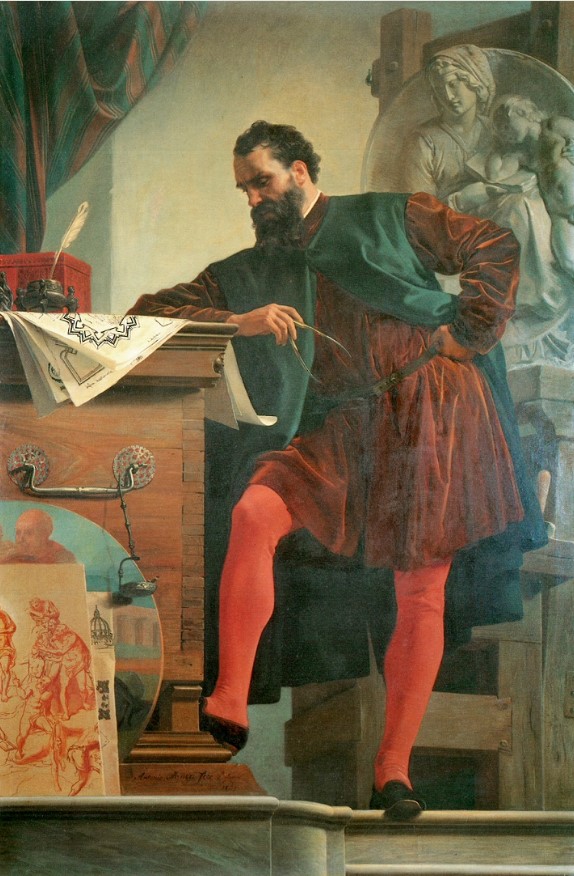
Per il momento il sempre vostro Michelangelo Buonarroti vi saluta dandovi appuntamento ai prossimi post e sui social.
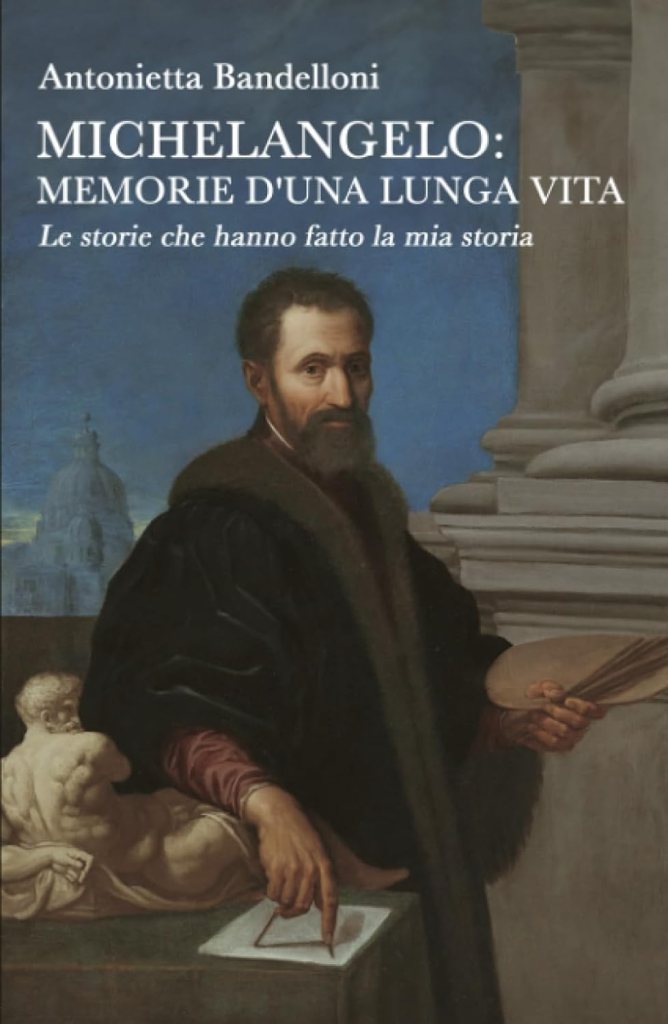
Leader, father and master of all
“Head, father and master of all”, this is how my dear friend Giorgio Vasari expressed himself towards me when the Accademia del Disegno was founded and I was unanimously elected president.
The Academy was created in 1563, when I was still alive, by will of Vasari and Borghini, with the support of Cosimo I.
That nomination makes it clear how much I was esteemed and appreciated even before passing away, but not only that. The first official act of the Academy concerned the completion of the New Sacristy, which at the time had become a true source of inspiration and study for young talents “since there is none of them who has not learned what they know in this sacristy” , Vasari always specified.
However, these tributes have a second level of interpretation that could go unnoticed. These were all ways in which Duke Cosimo I tried to get me to return to Florence before it was too late. But it was already late: imagine what it meant for him to undertake a journey on horseback or at most in a carriage from Rome to Florence at the age of 78: madness for that era.
I couldn’t leave Rome: both because my dearest loved ones had been living in the city for some time, excluding my nephew Lionardo who remained in Florence, and because I had to carry on the project of St. Peter’s and then I didn’t feel like going back to living under a despot like Cosimo I. I couldn’t give him that satisfaction there.
For the moment, your always Michelangelo Buonarroti greets you and will meet you in the next posts and on social media.

Sostienici – Support Us
Se questo blog ti piace e ti appassiona, puoi aiutarci a farlo crescere sempre più sostenendoci in modo concreto condividendo i post, seguendo le pagine social e con un contributo che ci aiuta ad andare avanti con il nostro lavoro di divulgazione. . ENGLISH: If you like and are passionate about this blog, you can help us make it grow more and more by supporting us in a concrete way by sharing posts, following social pages and with a contribution that helps us to move forward with our dissemination work.
8,00 €
-
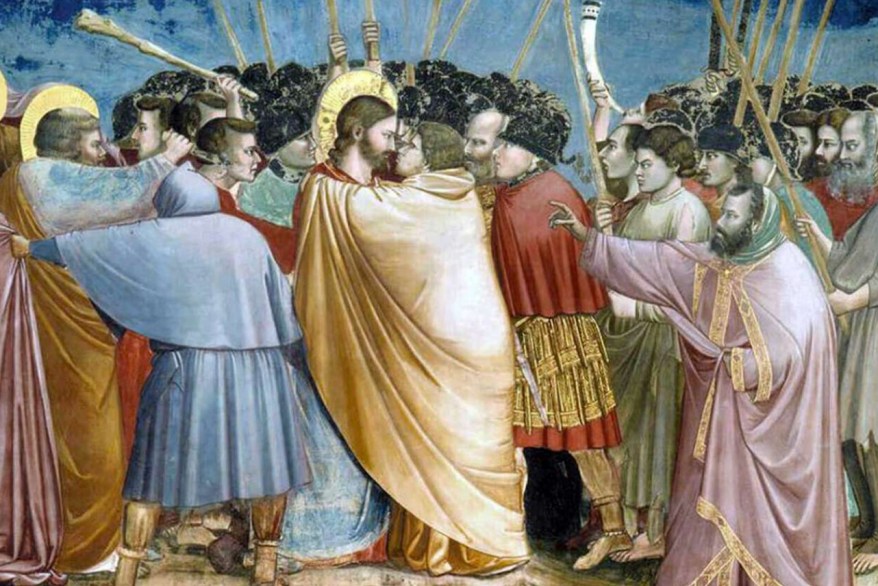
Mercoledì Santo: il giorno del tradimento di Giuda affrescato da Giotto
🇮🇹Il Mercoledì Santo è il giorno del silenzio, della riflessione e del tradimento. È il momento in cui Giuda sceglie di vendere Gesù per trenta denari, segnando uno dei passaggi più dolorosi della Settimana Santa…. 🇬🇧Holy Wednesday is a day of silence, reflection, and betrayal. ✝It is the moment when Judas chooses to sell Jesus…
-
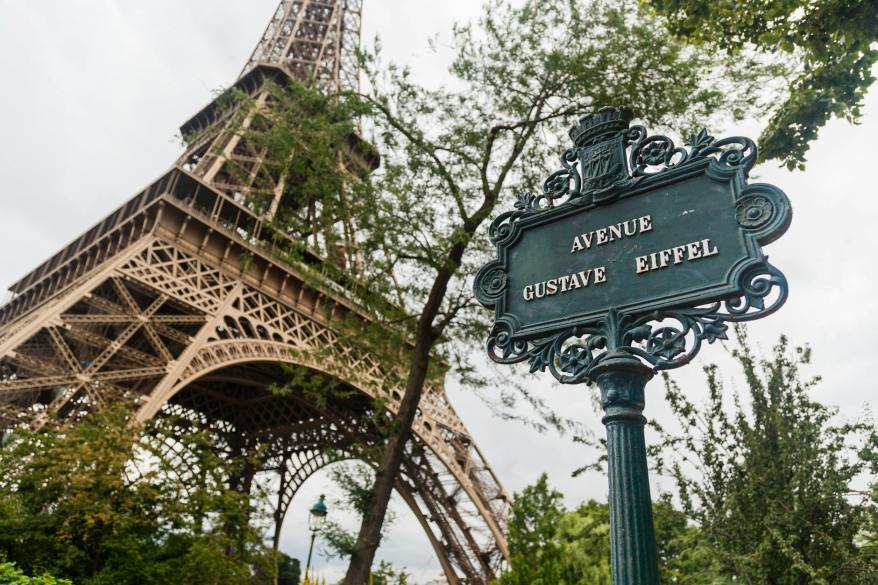
31 marzo 1889: inaugurata la Torre Eiffel tra critiche feroci e un destino inaspettato
🇮🇹Il 31 marzo 1889 segna una data destinata a cambiare per sempre il volto di Parigi e dell’immaginario collettivo globale: viene inaugurata la Torre Eiffel, l’opera più audace e discussa del suo tempo… 🇬🇧March 31, 1889 marks a date destined to change the face of Paris and the global collective imagination forever: the Eiffel Tower,…
-
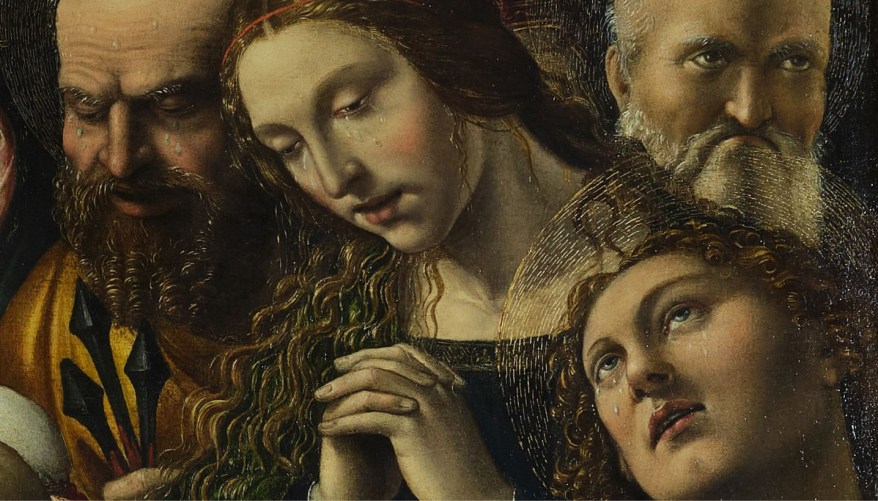
Sodoma in mostra a Torino: il Rinascimento al Museo Accorsi-Ometto
🇮🇹Al Museo di Arti Decorative Accorsi-Ometto arriva una mostra dedicata al Sodoma: oltre 50 opere, alcune mai viste prima, raccontano la formazione dell’artista e il suo dialogo con maestri come Pinturicchio… 🇬🇧An exhibition dedicated to Sodoma arrives at the Accorsi-Ometto Museum of Decorative Arts: over 50 works, some never before seen, recount the artist’s development…
Condividi:


Questo sono io





sostienici

Sostienici – Support Us
Se questo blog ti piace e ti appassiona, puoi aiutarci a farlo crescere sempre più sostenendoci in modo concreto condividendo i post, seguendo le pagine social e con un contributo che ci aiuta ad andare avanti con il nostro lavoro di divulgazione. . ENGLISH: If you like and are passionate about this blog, you can help us make it grow more and more by supporting us in a concrete way by sharing posts, following social pages and with a contribution that helps us to move forward with our dissemination work.
€10,00


