

La Scultura del giorno: Galileo Galilei e Milton di Aureli
La scultura del giorno che vi propongo oggi è il gruppo di Galileo Galilei e John Milton realizzato da Cesare Aureli nel 1900.
L’opera è custodita presso la pinacoteca del Complesso Monumentale di San Francesco, a Trevi. L’artista Aureli volle raffigurare Galileo e Milton che, mossi da stima reciproca, si incontrarono.

L’incontro avvenne o nell’autunno del 1638 oppure nella primavera dell’anno successivo, come documenta la letteratura dell’epoca.
Il poeta londinese Milton si avvicina a Galileo seduto, oramai vecchio e quasi cieco, confinato nella villa del Gioiello di Arcetri dopo la condanna che gli fu inflitta nel 1633.

L’interesse che mostra Milton verso le invenzioni di Galileo è animato non tanto da reale interesse ma dall’empatia che ha nei confronti dell’uomo, mortificato nella propria libertà di espressione.
Lo stesso concetto venne messo nero su bianco dal poeta e saggista nei suoi capolavori letterari dal titolo Paradiso Perduto e Aeropagitica.
Nella scultura di Cesare Aureli, Galileo sembra quasi essere schiacciato dal peso delle vesti. Questa sua condizione rimanda voluta di proposito dall’artista rimanda subito col pensiero non solo agli anni che oramai gravavano sulle spalle dello scienziato ma anche alla fatica che ebbe nell’affermare le proprie teorie.
Il giovane poeta alle sue spalle, osserva il modello della sfera celeste e con il braccio sinistro portato in avanti sembra quasi voler proteggere il vecchio Galileo dai suoi folli detrattori.

Dovete sapere che l’incontro fra Galileo e Milton fu fonte di grande ispirazione per le generazioni di artisti e letterati che seguirono. Sono innumerevoli i dipinti e le opere grafiche volte a rappresentare quel momento storico. In ambito letterario l’incontro fu narrato ed elogiato dal pemetto di 980 versi scritto da Giacomo Zanella.
Scrisse Zanella nella dedica al caro amico Lampertico: “I soggetti che più volentieri ho trattato sono quelli di argomento scientifico, ma non è già l’oggetto della scienza che mi paresse capace di poesia, bensì i sentimenti che dalle scoperte della scienza nascono in noi; per questo non ho mai posto mano ad uno di questi soggetti, che prima non avessi trovato il modo di farvi campeggiare l’uomo e le sue passioni, senza cui la poesia, per ricca che sia d’immagini, è senza vita. Quella visita mi parve soggetto opportuno ad esporre alcune idee sulla religione e sulla
scienza, che altrimenti non mi sarei avventurato a mettere in versi”.

Per il momento il vostro Michelangelo Buonarroti vi saluta dandovi appuntamento ai prossimi post e sui social.

Sculpture of the day: Galileo Galilei and John Milton by Aureli
The sculpture of the day that I propose to you today is the group of Galileo Galilei and John Milton created by Cesare Aureli in 1900.
The work is kept in the art gallery of the Monumental Complex of San Francesco, in Trevi. The artist Aureli wanted to depict Galileo and Milton who, moved by mutual respect, met.
The meeting took place either in the autumn of 1638 or in the spring of the following year, as documented by the literature of the time.
The London poet Milton approaches Galileo sitting, now old and almost blind, confined in the Villa del Gioiello in Arcetri after the sentence inflicted on him in 1633.
The interest that Milton shows towards Galileo’s inventions is animated not so much by real interest but by the empathy he has towards man, mortified in his freedom of expression.
The same concept was put in black and white by the poet and essayist in his literary masterpieces entitled Paradise Lost and Aeropagitica.
In Cesare Aureli’s sculpture, Galileo almost seems to be crushed by the weight of his clothes. This condition of his, deliberately desired by the artist, immediately brings to mind not only the years that now weighed on the scientist’s shoulders but also the difficulty he had in affirming his theories.
The young poet behind him observes the model of the celestial sphere and with his left arm raised forward seems almost to want to protect the old Galileo from his crazy detractors.
You should know that the meeting between Galileo and Milton was a source of great inspiration for the generations of artists and writers who followed. There are countless paintings and graphic works aimed at representing that historical moment. In the literary field, the meeting was narrated and praised in the 980 verse poem written by Giacomo Zanella.
Zanella wrote in the dedication to his dear friend Lampertico: “The subjects that I have most willingly dealt with are those of a scientific nature, but it is not the object of science that seems to me capable of poetry, but rather the feelings that arise in us from the discoveries of science ; for this reason I have never worked on one of these subjects unless I had first found a way to make the man and his passions stand out, without which poetry, however rich it may be in images, is lifeless. That visit seemed to me an appropriate subject to expose some ideas on religion and on
science, which otherwise I would not have ventured to put into verse.”
For the moment, your Michelangelo Buonarroti greets you and will meet you in future posts and on social media.

Sostienici – Support Us
Se questo blog ti piace e ti appassiona, puoi aiutarci a farlo crescere sempre più sostenendoci in modo concreto condividendo i post, seguendo le pagine social e con un contributo che ci aiuta ad andare avanti con il nostro lavoro di divulgazione. . ENGLISH: If you like and are passionate about this blog, you can help us make it grow more and more by supporting us in a concrete way by sharing posts, following social pages and with a contribution that helps us to move forward with our dissemination work.
8,00 €
-
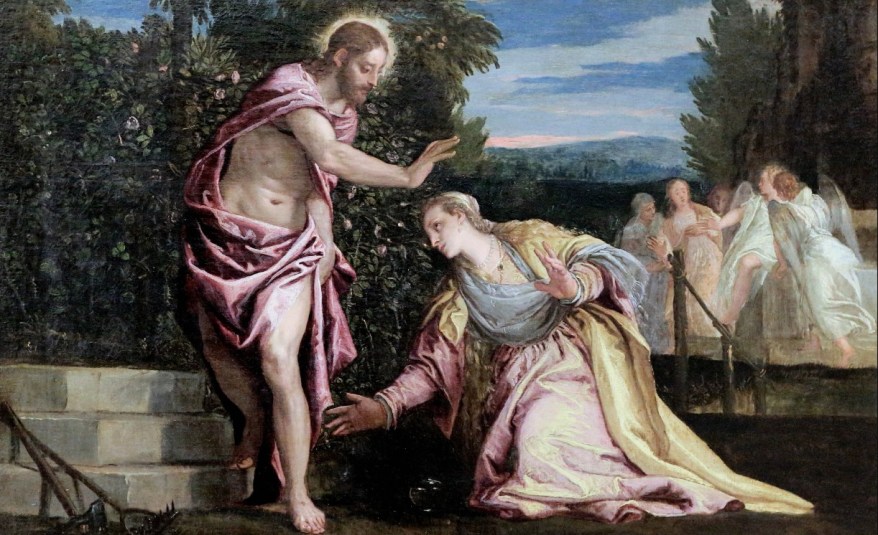
Pasquetta, tra spiritualità e arte: il significato del Lunedì dell’Angelo e i capolavori del “Noli me tangere”
🇮🇹Il Lunedì dell’Angelo racchiude uno dei momenti più intensi del Vangelo: l’incontro tra Gesù risorto e Maria Maddalena, raccontato nel celebre “Noli me tangere”. Un episodio che nei secoli ha ispirato artisti straordinari, dando vita a opere cariche di emozione, spiritualità e bellezza. .. 🇬🇧Easter Monday encompasses one of the most intense moments in the…
-
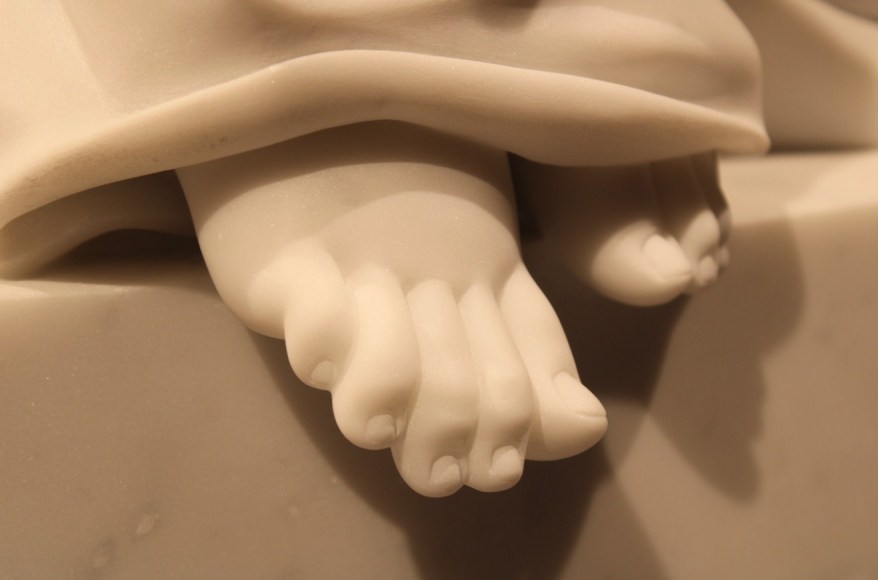
La Pietà di Tincolini: a Pontedera l’arte torna a fare domande scomode
🇮🇹“Pietà”, la scultura di Filippo Tincolini, insieme alle parole di Federico Quaranta e Andrea Pezzi, non è stato solo uno spettacolo. È stata una domanda lanciata in faccia al pubblico, impossibile da evitare: siamo ancora capaci di provare pietà? 🇬🇧 “Pietà,” Filippo Tincolini’s sculpture, along with the words of Federico Quaranta and Andrea Pezzi, wasn’t…
-
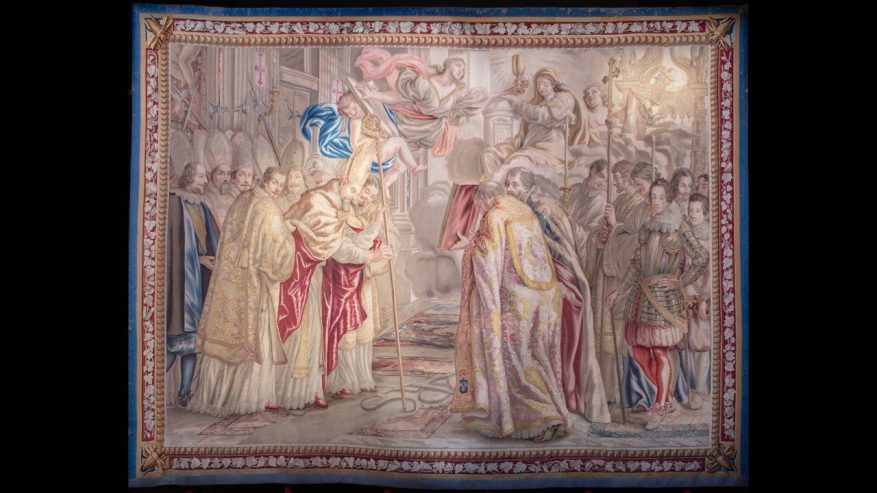
Ai Musei Vaticani i fasti barocchi di Urbano VIII: in mostra gli arazzi della manifattura Barberini
🇮🇹A quattro secoli dalla consacrazione della Basilica di San Pietro, i Musei Vaticani dedicano una mostra all’Arazzeria Barberini, simbolo di una cultura visiva capace di fondere magnificenza estetica e affermazione politica… 🇬🇧Four centuries after the consecration of St. Peter’s Basilica, the Vatican Museums are dedicating an exhibition to the Barberini Tapestry Factory, a symbol of…
Condividi:


Questo sono io





sostienici

Sostienici – Support Us
Se questo blog ti piace e ti appassiona, puoi aiutarci a farlo crescere sempre più sostenendoci in modo concreto condividendo i post, seguendo le pagine social e con un contributo che ci aiuta ad andare avanti con il nostro lavoro di divulgazione. . ENGLISH: If you like and are passionate about this blog, you can help us make it grow more and more by supporting us in a concrete way by sharing posts, following social pages and with a contribution that helps us to move forward with our dissemination work.
€10,00


1 commento »