
La Scultura del giorno: l’Autunno di Auguste Clésinger
La scultura del giorno di cui voglio parlarvi oggi è l’Autunno, opera allegorica scolpita dall’artista francese Jean-Baptiste Auguste Clésinger nel 1864, a Roma.
Clèsinger nacque in Francia a Besançon e fu suo padre, lo scultore di discreto successo Georges-Philippe, ad avviarlo al mondo dell’arte. Ebbe modo di studiare sotto la guida di Thorvaldsen e David d’Angers.

Auguste espose per la prima volta al Salon di Parigi nel 1843 ma a fare scalpore fu la sua Donna morsa da un serpente anni dopo, realizzata eseguendo un calco dal vero dalla modella Apollonie Sabatier.
Ambizioso e pieno di sè, scrisse da Roma alla sorella: “Ho visto tutte le botteghe degli scultori; nessuno di loro ha la metà del mio talento”.

Dopo essere tornato a Parigi dopo il soggiorno romano, Clésinger iniziò a relazionarsi con i critici d’arte con il solo scopo di farseli amici e garantire così una buona accoglienza delle sue opere.
A pensar male si fa peccato ma spesso ci si indovina, direbbe qualcuno. Lo scultore sposò anche la figlia del critico George Sander per lo stesso scopo ma fu un matrimonio disastroso che durò veramente poco.

Nonostante le sue influenti amicizie, il suo monumento a Francesco I realizzato a metà dell’Ottocento, fu aspramente criticato. Non potendo sopportare quello smacco, lo scultore si trasferì a Roma e aprì un proprio atelier.
La scultura dell’Autunno fu scolpita da Clésinger proprio nel suo studio romano e fu accolta positivamente dalla critica.

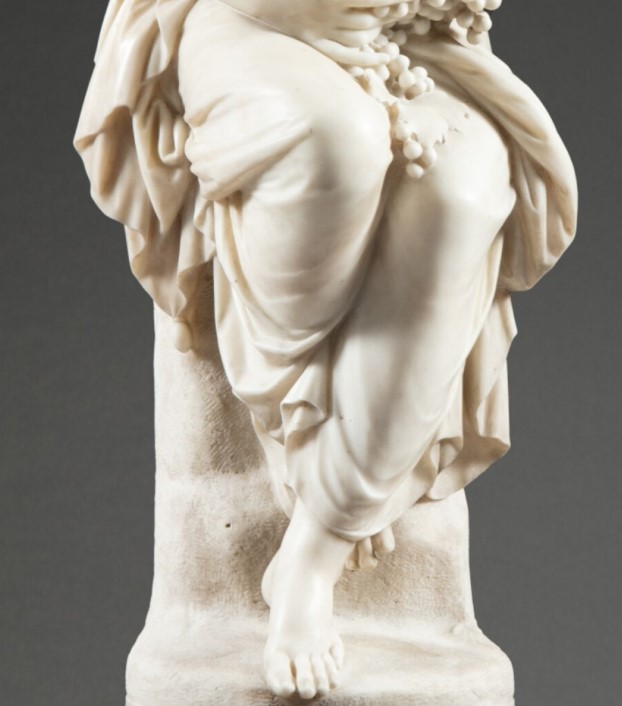
La giovane donna con le gambe coperte da un panneggio che ne evidenzia le forme, lasciando nude le natiche, è l’allegoria dell’autunno.
In mano e in grembo tiene dei tralci di vite ricchi di grappoli di uva matura e ha il capo decorato con una corona di pampini e uva.
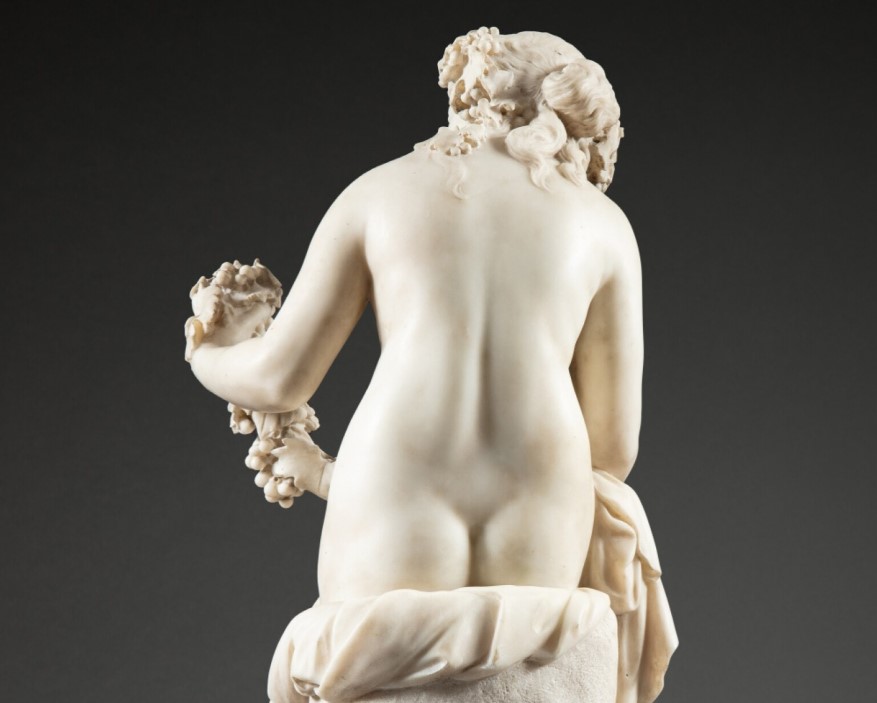
Ha uno sguardo compiaciuto rivolto proprio verso il tralcio di vite che sostiene con la mano sinistra.
La scultura appartiene a una collezione privata e sulla base è datata e firmata dall’artista con la dicitura J.CLESINGER. Roma 1864.
Per il momento il vostro Michelangelo Buonarroti vi saluta dandovi appuntamento ai prossimi post e sui social.
Sculpture of the day: Autumn by Auguste Clésinger
The sculpture of the day that I want to talk to you about today is Autumn, an allegorical work sculpted by the French artist Jean-Baptiste Auguste Clésinger in 1864, in Rome.
Clèsinger was born in France in Besançon and it was his father, the moderately successful sculptor Georges-Philippe, who introduced him to the world of art. He had the opportunity to study under the guidance of Thorvaldsen and David d’Angers.
Auguste exhibited for the first time at the Paris Salon in 1843 but his Woman Bitten by a Snake caused a sensation years later, created from a life cast by the model Apollonie Sabatier.
Ambitious and full of himself, he wrote from Rome to his sister: “I have seen all the sculptors’ workshops; none of them have half my talent.”
After returning to Paris after his stay in Rome, Clésinger began to interact with art critics with the sole aim of making them friends and thus ensuring a good reception of his works.
It’s a sin to think badly but you often second-guess yourself, some would say. The sculptor also married the daughter of the critic George Sander for the same purpose but it was a disastrous marriage that did not last long.
Despite his influential friendships, his monument to Francis I, built in the mid-nineteenth century, was harshly criticized. Unable to bear that humiliation, the sculptor moved to Rome and opened his own atelier.
The sculpture of Autumn was sculpted by Clésinger in his Roman studio and was positively received by critics.
The young woman with her legs covered by a drapery that highlights her shape, leaving her buttocks bare, is the allegory of autumn. In her hand and on her lap she holds curly vine shoots of bunches of ripe grapes and her head is decorated with a crown of vine leaves and grapes.
She has a pleased look aimed directly at the vine branch that she supports with her left hand.
The sculpture belongs to a private collection and on the base it is dated and signed by the artist with the words J.CLESINGER. Rome 1864.
For the moment, your Michelangelo Buonarroti greets you and will meet you in future posts and on social media.

Sostienici – Support Us
Se questo blog ti piace e ti appassiona, puoi aiutarci a farlo crescere sempre più sostenendoci in modo concreto condividendo i post, seguendo le pagine social e con un contributo che ci aiuta ad andare avanti con il nostro lavoro di divulgazione. . ENGLISH: If you like and are passionate about this blog, you can help us make it grow more and more by supporting us in a concrete way by sharing posts, following social pages and with a contribution that helps us to move forward with our dissemination work.
8,00 €
-
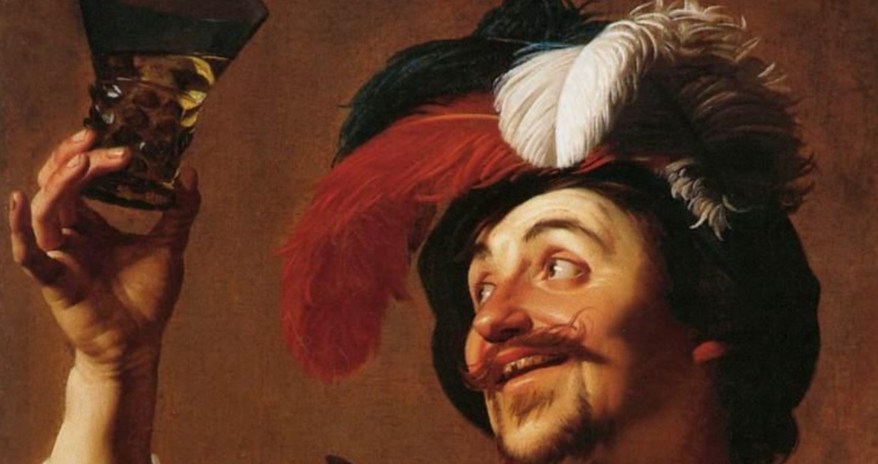
Quel sorriso del violinista felice di Gerrit van Honthorst
🇮🇹Un brindisi, un sorriso, una luce che taglia il buio. Conoscete il dipinto del violinista felice con un bicchiere di vino (1624) di Gerrit van Honthorst?… 🇬🇧A toast, a smile, a light that cuts through the darkness. Are you familiar with the painting of the Happy Violinist with a Glass of Wine (1624) by Gerrit…
-
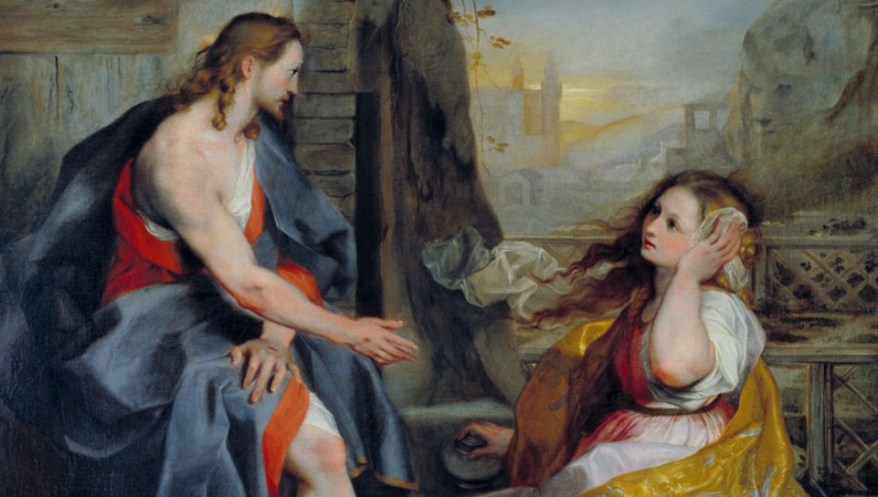
Noli me tangere di Federico Barocci: il capolavoro agli Uffizi che racconta l’incontro più emozionante dopo la Resurrezione
🇮🇹Nel Noli me tangere di Federico Barocci Maria Maddalena riconosce Cristo risorto e prova a toccarlo. Ma lui la ferma… 🇬🇧In Federico Barocci’s Noli Me Tangere, Mary Magdalene recognizes the risen Christ and tries to touch him. But he stops her…
-
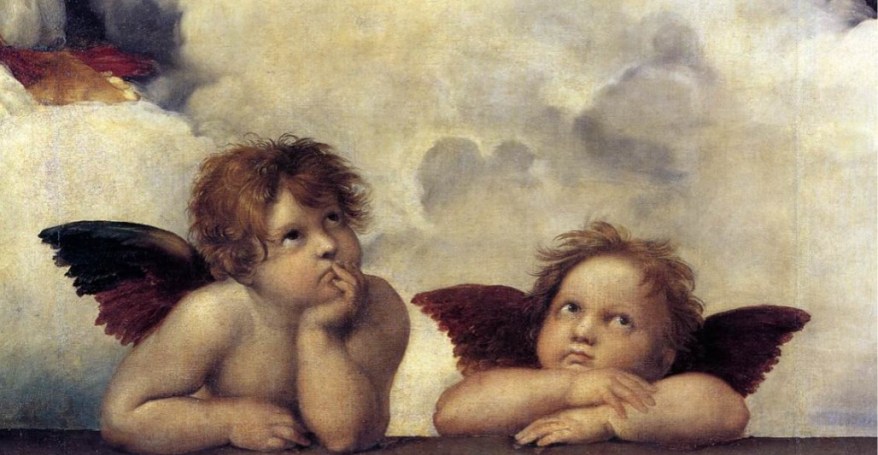
6 aprile 1520: la morte di Raffaello Sanzio e la nascita di un mito immortale
🇮🇹“Qui giace Raffaello: da lui, quando visse, la natura temette d’essere vinta, ora che egli è morto, teme di morire”. Il 6 aprile 1520 Raffaello morì a soli 37 anni… 🇬🇧“Here lies Raphael: when he lived, nature feared to be conquered by him, now that he is dead, she fears to die.” On April 6,…
Condividi:


Questo sono io





sostienici

Sostienici – Support Us
Se questo blog ti piace e ti appassiona, puoi aiutarci a farlo crescere sempre più sostenendoci in modo concreto condividendo i post, seguendo le pagine social e con un contributo che ci aiuta ad andare avanti con il nostro lavoro di divulgazione. . ENGLISH: If you like and are passionate about this blog, you can help us make it grow more and more by supporting us in a concrete way by sharing posts, following social pages and with a contribution that helps us to move forward with our dissemination work.
€10,00


diciamo che aveva una forte autostima 🙂
trovo notevole il dettaglio della mano che regge l’uva, mostra delicatezza nel gesto, ma a parer mio non è riuscito a dar leggerezza alle foglie e ai drappeggi, cosa che in altri scultori risulta.
"Mi piace"Piace a 1 persona