
L’analisi anatomica del Crocifisso Gallino
Il discusso Crocifisso Gallino attribuito a me, oggi custodito presso il Museo Nazionale del Bargello, è stato sottoposto a diversi studi e, fra questi, a un’accurata ispezione anatomica effettuata dai due medici Massimo Gulisano e Pietro Antonio Bernabei.
L’avete mai letta?
L’analisi anatomica effettuata rende bene l’idea di quanto l’artista che realizzò l’opera conoscesse l’anatomia umana.
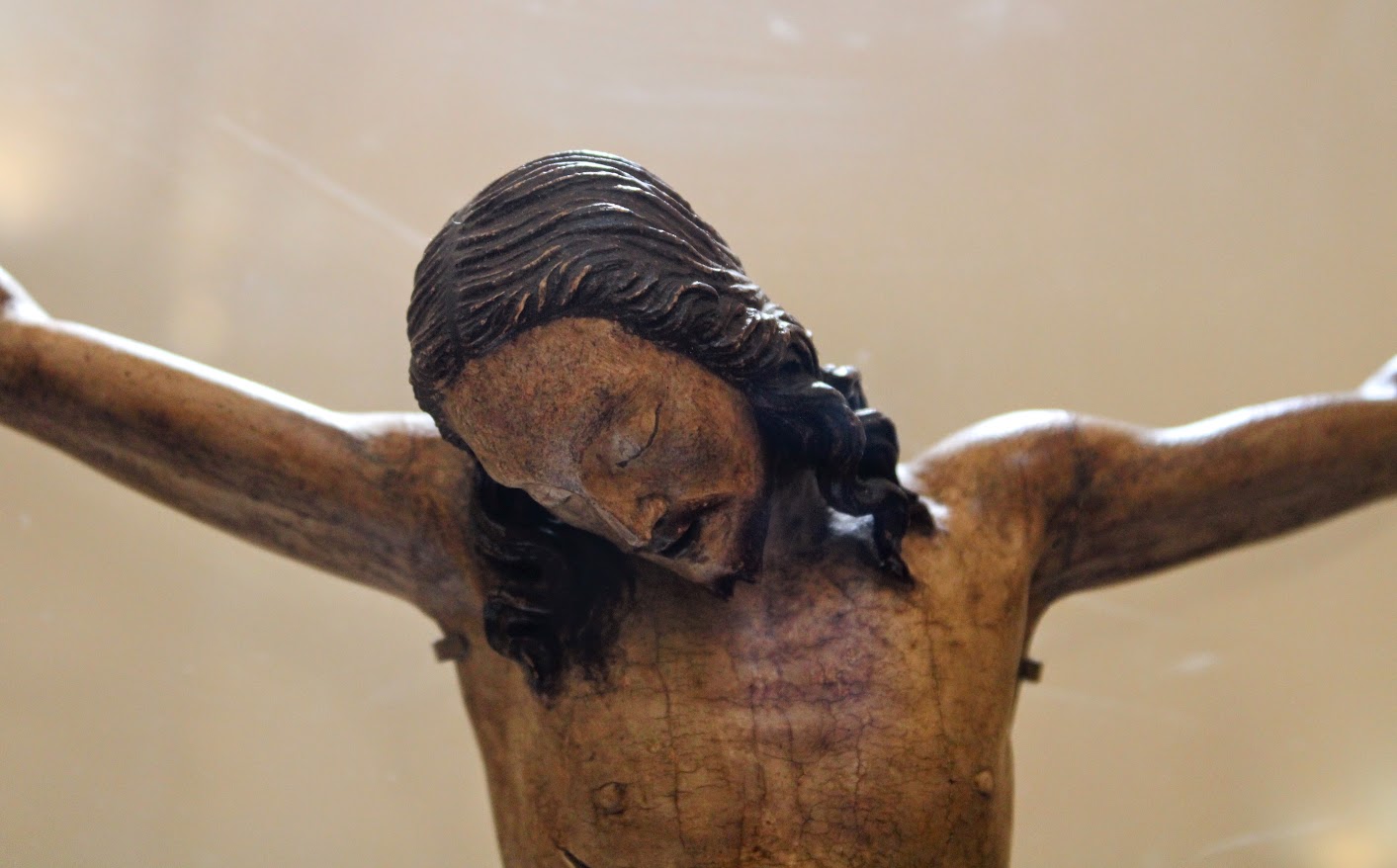
Personalmente mi rimane assai difficile pensare un altro autore diverso da me per il Crocifisso Gallino ma il dibattito è ancora aperto e assai animato in merito.
“La precisione con la quale è rispettata l’anatomia, sia per quanto riguarda le masse muscolari, sia per quanto riguarda le sporgenze ossee, sia per quanto riguarda l’aspetto esteriore delle cavità viscerali del tronco, consente di affermare con sicurezza che l’autore aveva una profonda esperienza di dissezioni anatomiche, probabilmente svolte non solo sul tavolo settorio, ma anche su cadavere posizionato nella postura che si intendeva rappresentare.“
“Nelle mani, delicate e allungate, si osservano i tendini dei muscoli estensori. Complessivamente i muscoli dell’arto superiore sembrano rappresentati per gruppi, in modo anatomicamente corretto e preciso ma senza entrare nella risoluIzione dei singoli muscoli.”

“Il capo è flesso e inclinato a destra, apparentemente fino al limite massimo dell’escursione normale. Il bacino è ruotato con discreto sollevamento della sfinsi pubica corrispondente appiattimento della lordosi lombare. Gli arti inferiori presentano flessione della coscia e del ginocchio per pochi gradi. Estesi e sopramessi come detto i piedi I muscoli dell’arto inferiore sono raffigurati con estrema precisione.”

“I muscoli retti, molto evidenti, sono stirati nella loro parte superiore per la trazione del peso del corpo e la posizione del torace. Ai loro lati si distingue assai bene la massa dei muscoli larghi che si infossa dove si formano la guaina dei retti stessi.”
Queste sono stralci della relazione che fu redatta qualche anno fa da Gulisano e Bernabei.
Altri studiosi si espressero sull’attribuzione dell’opera a me in termini entusiastici come Federico Zeri che disse la oramai celebre frase “Se non è Michelangelo è Dio”.

Umberto Baldini invece disse: “Avevo visto le foto ed ero curioso, ma quando l’ho avuto in mano, sono stato folgorato come San Paolo sulla via di Damasco, per la sua bellezza suprema”
E ancora, Bellosi “Un’articolazione così viva della ‘gabbia toracica’, del fianco e del ventre, un flusso così sapiente e continuo delle complesse articolazioni l’una nell’altra, una mobilità di così sfeccettata e struggente bellezza delle superfici mi sembra corrispondere a una concezione tanto alta del corpo umano da reggere il riferimento al grandissimo artista che di questo aspetto dell’uomo ha offerto tante indimenticabili interpretazioni”.
Per il momento il vostro Michelangelo Buonarroti vi saluta dandovi appuntamento ai prossimi post e sui social.

Sostienici – Support Us
Se questo blog ti piace e ti appassiona, puoi aiutarci a farlo crescere sempre più sostenendoci in modo concreto condividendo i post, seguendo le pagine social e con un contributo che ci aiuta ad andare avanti con il nostro lavoro di divulgazione. . ENGLISH: If you like and are passionate about this blog, you can help us make it grow more and more by supporting us in a concrete way by sharing posts, following social pages and with a contribution that helps us to move forward with our dissemination work.
8,00 €
The anatomical analysis of the Gallino Crucifix
The controversial Gallino Crucifix attributed to me, now kept in the Bargello National Museum, has been subjected to various studies and, among these, to a careful anatomical inspection carried out by the two doctors Massimo Gulisano and Pietro Antonio Bernabei.
Have you ever read it?
The anatomical analysis carried out gives a good idea of how much the artist who created the work knew human anatomy.
Personally, it remains very difficult for me to think of another author other than myself for the Gallino Crucifix but the debate is still open and very lively on the matter.
“The precision with which the anatomy is respected, both as regards the muscular masses and the bony protrusions, as well as the external appearance of the visceral cavities of the trunk, allows us to state with certainty that the the author had profound experience of anatomical dissections, probably carried out not only on the sector table, but also on a corpse positioned in the posture it was intended to represent.“
“In the hands, delicate and elongated, the tendons of the extensor muscles are observed. Overall, the muscles of the upper limb seem to be represented by groups, in an anatomically correct and precise way but without going into the resolution of the individual muscles.”
“The head is flexed and tilted to the right, apparently up to the maximum limit of normal excursion. The pelvis is rotated with a discreet lifting of the pubic sphinx corresponding to the flattening of the lumbar lordosis. The lower limbs show a few degrees of flexion of the thigh and knee. Extended and above the feet as mentioned, the muscles of the lower limb are depicted with extreme precision.”
“The rectus muscles, very evident, are stretched in their upper part due to the traction of the body weight and the position of the chest. On their sides you can clearly distinguish the mass of large muscles that are sunk where the sheath of the rectus itself forms.”
These are excerpts from the report that was drawn up a few years ago by Gulisano and Bernabei.
Other scholars expressed themselves on the attribution of the work to me in enthusiastic terms such as Federico Zeri who said the now famous phrase “If it isn’t Michelangelo it is God”.
Umberto Baldini instead said: “I had seen the photos and was curious, but when I had it in my hand, I was struck like St. Paul on the road to Damascus, by its supreme beauty”
And again, Bellosi “Such a lively articulation of the ‘rib cage’, the side and the belly, such a wise and continuous flow of the complex joints into each other, a mobility of such multifaceted and poignant beauty of the surfaces seems to me correspond to such a high concept of the human body as to support the reference to the great artist who offered so many unforgettable interpretations of this aspect of man”.
For the moment, your Michelangelo Buonarroti greets you and will meet you in future posts and on social media.
Sostienici – Support Us
Se questo blog ti piace e ti appassiona, puoi aiutarci a farlo crescere sempre più sostenendoci in modo concreto condividendo i post, seguendo le pagine social e con un contributo che ci aiuta ad andare avanti con il nostro lavoro di divulgazione. . ENGLISH: If you like and are passionate about this blog, you can help us make it grow more and more by supporting us in a concrete way by sharing posts, following social pages and with a contribution that helps us to move forward with our dissemination work.
8,00 €
-
Quando Cleopatra umiliò Roma: il significato nascosto del celebre dipinto di Tiepolo
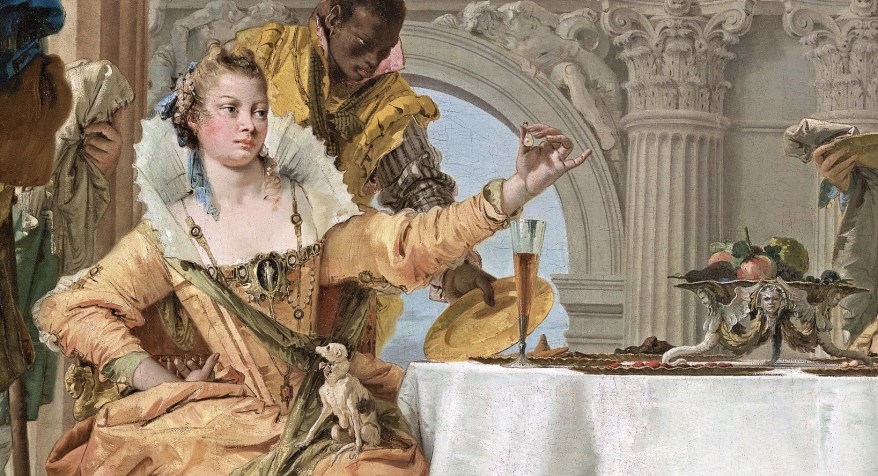
🇮🇹 Il dipinto che vi propongo è pura teatralità, lusso e strategia. Cleopatra scommette con Marco Antonio di poter offrire il banchetto più sontuoso della storia e per vincere compie un gesto folle… 🇬🇧 The painting I propose is pure theatricality, luxury, and strategy. Cleopatra bets Mark Antony that she can offer the most sumptuous…
-
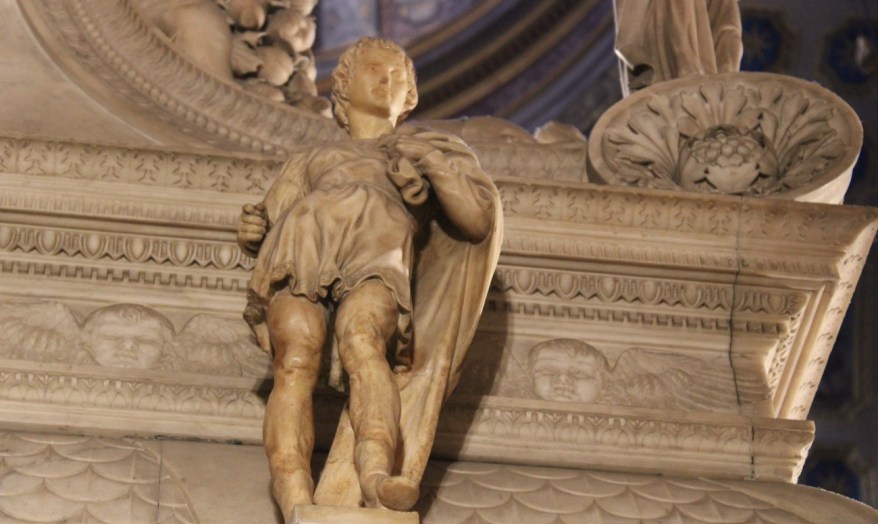
Il mio primo soggiorno a Bologna e l’incontro con Giovan Francesco Aldrovandi
🇮🇹Fuggii da Firenze a soli 19 anni. Senza certezze, senza protezioni. Solo con il mio talento. A Bologna trovai rifugio nella casa di Giovan Francesco Aldrovandi… 🇬🇧I fled Florence at just 19. Without certainties, without protection. Only with my talent. In Bologna, I found refuge in the home of Giovan Francesco Aldrovandi…
-
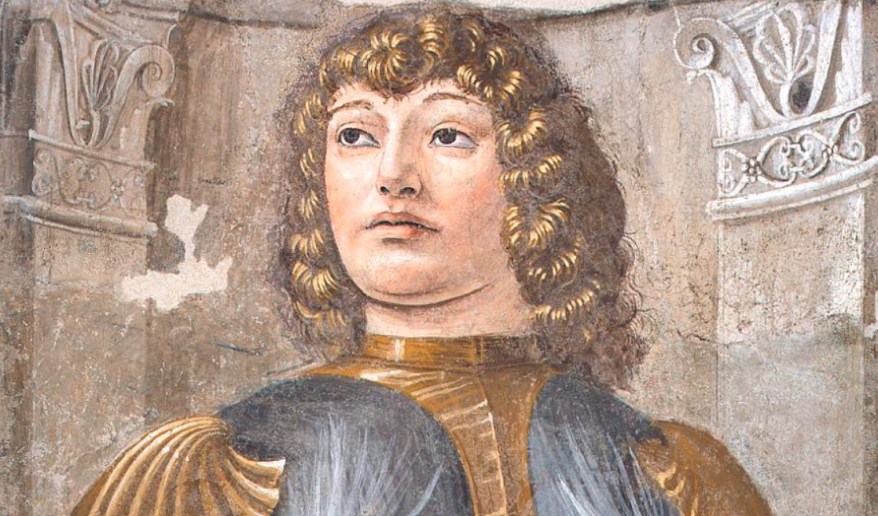
11 aprile 1514: muore Donato Bramante, il genio della scala elicoidale
🇮🇹Era l’11 aprile 1514 quando Donato Bramante morì a Roma. La sua scomparsa non cancellò però le tensioni, le rivalità e i giudizi contrastanti che avevano accompagnato tutta la sua carriera… 🇬🇧It was April 11, 1514, when Donato Bramante died in Rome. His passing, however, did not erase the tensions, rivalries, and conflicting opinions that…
Condividi:


Questo sono io





sostienici

Sostienici – Support Us
Se questo blog ti piace e ti appassiona, puoi aiutarci a farlo crescere sempre più sostenendoci in modo concreto condividendo i post, seguendo le pagine social e con un contributo che ci aiuta ad andare avanti con il nostro lavoro di divulgazione. . ENGLISH: If you like and are passionate about this blog, you can help us make it grow more and more by supporting us in a concrete way by sharing posts, following social pages and with a contribution that helps us to move forward with our dissemination work.
€10,00


