
Le Opere del Natale: l’Adorazione dei Pastori di Guido Reni
L’opera del Natale che vi propongo oggi è l’Adorazione dei Pastori dipinta a olio su tela da Guido Reni nel 1640, oggi custodita presso la National Gallery di Londra.
Il dipinto, alto quasi cinque metri senza cornice, è uno dei più grandi della collezione della galleria londinese.

La scena si svolge all’interno di una stalla di Betlemme. Un gruppo di pastori è accorso di notte a vedere il Bambino appena venuto al mondo.
Guido Reni ha ricreato una scena notturna oscura, illuminandola con la luce divina emanata da Cristo che fa risplendere i volti di coloro che ci si avvicinano.
Un’altra luce irrompe nella scena ed è quella che si fa spazio fra gli angeli che scendono dal cielo per rendere omaggio a Dio fattosi uomo.
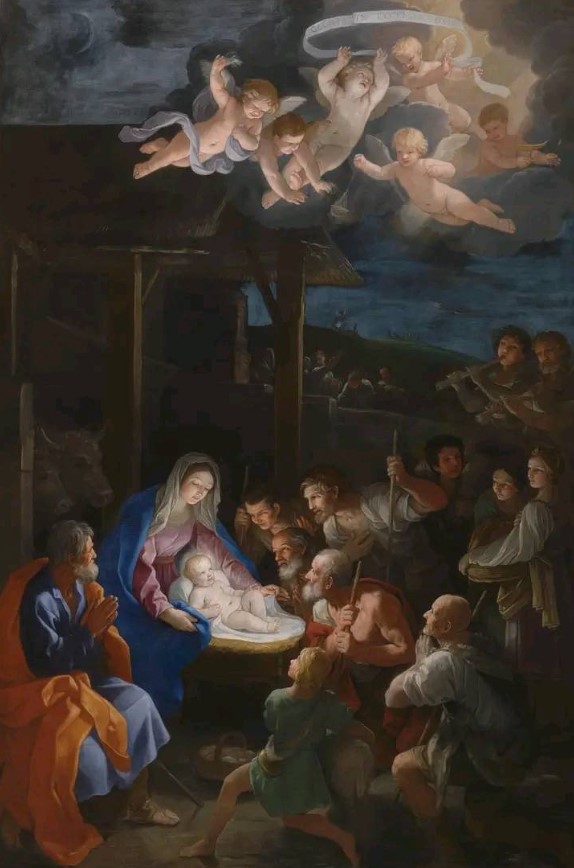
Sul cartiglio portato dagli angeli si legge GLORIA IN ECCELSIS DEO ovvero Gloria a Dio nell’alto dei cieli.
La grande tela fu dipinta da Reni negli ultimi anni della sua vita e apparteneva un tempo al principe Karl Eusebius von Liechtenstein. Il principe potrebbe aver commissionato questo capolavoro a Reni oppure potrebbe averlo comprato dallo studio di Reni in seguito alla dispersione del suo contenuto dopo che l’artista passò a miglior vita.

Per il momento il vostro Michelangelo Buonarroti vi saluta dandovi appuntamento ai prossimi post e sui social.

The Works of Christmas: the Adoration of the Shepherds by Guido Reni
The Christmas work that I propose to you today is the Adoration of the Shepherds painted in oil on canvas by Guido Reni in 1640, now kept at the National Gallery in London.
The painting, almost five meters tall without a frame, is one of the largest in the London gallery’s collection.
The scene takes place inside a stable in Bethlehem. A group of shepherds came last night to see the Child who had just come into the world.
Guido Reni recreated a dark nocturnal scene, illuminating it with the divine light emanating from Christ which makes the faces of those who approach him shine. Another light breaks into the scene and it is the one that makes space among the angels who descend from heaven to pay homage to God made man.
On the scroll carried by the angels we read GLORIA IN ECCELSIS DEO or Glory to God in the highest heaven.
The large canvas was painted by Reni in the last years of his life and once belonged to Prince Karl Eusebius von Liechtenstein. the prince may have commissioned this masterpiece from Reni or he may have bought it from Reni’s studio following the dispersion of its contents after the artist passed away.
For the moment, your Michelangelo Buonarroti greets you and will meet you in future posts and on social media.

Sostienici – Support Us
Se questo blog ti piace e ti appassiona, puoi aiutarci a farlo crescere sempre più sostenendoci in modo concreto condividendo i post, seguendo le pagine social e con un contributo che ci aiuta ad andare avanti con il nostro lavoro di divulgazione. . ENGLISH: If you like and are passionate about this blog, you can help us make it grow more and more by supporting us in a concrete way by sharing posts, following social pages and with a contribution that helps us to move forward with our dissemination work.
8,00 €
-
Venerdì Santo: gli “Ecce Homo” più intensi della storia dell’arte
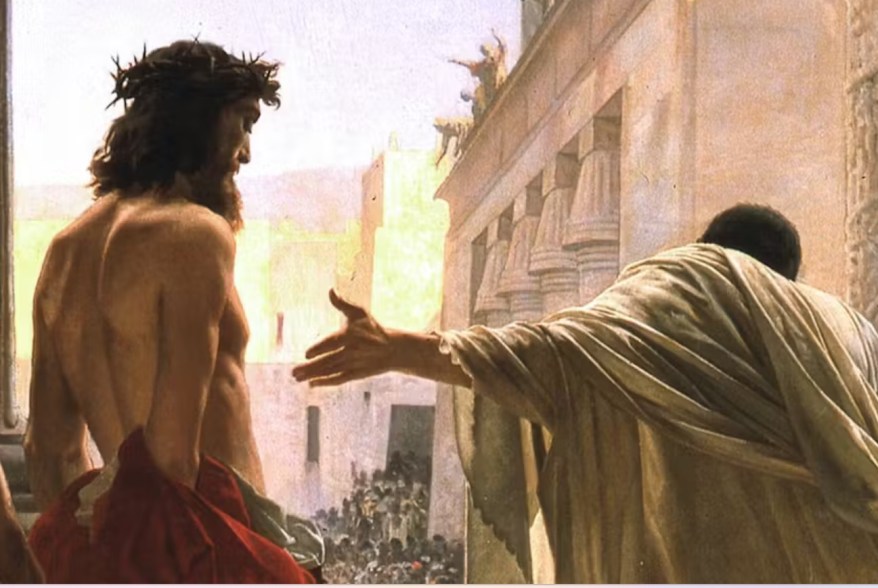
🇮🇹Ecce Homo. Da Antonello da Messina a Tintoretto, fino al sorprendente capolavoro di Antonio Ciseri, questo soggetto ha attraversato i secoli raccontando dolore, umanità e coscienza… 🇬🇧Ecce Homo. From Antonello da Messina to Tintoretto, to Antonio Ciseri’s astonishing masterpiece, this subject has spanned the centuries, recounting pain, humanity, and conscience…
-
Attacco hacker agli Uffizi: rubati dati sensibili, mappe e codici di sicurezza
🇮🇹Attacco hacker alle Gallerie degli Uffizi: rubati dati sensibili, mappe e sistemi di sicurezza. A rischio opere, archivi e cybersicurezza del patrimonio artistico… 🇬🇧Hacker attack on the Uffizi Galleries: sensitive data, maps, and security systems stolen. Works of art, archives, and the cybersecurity of the artistic heritage are at risk…
-
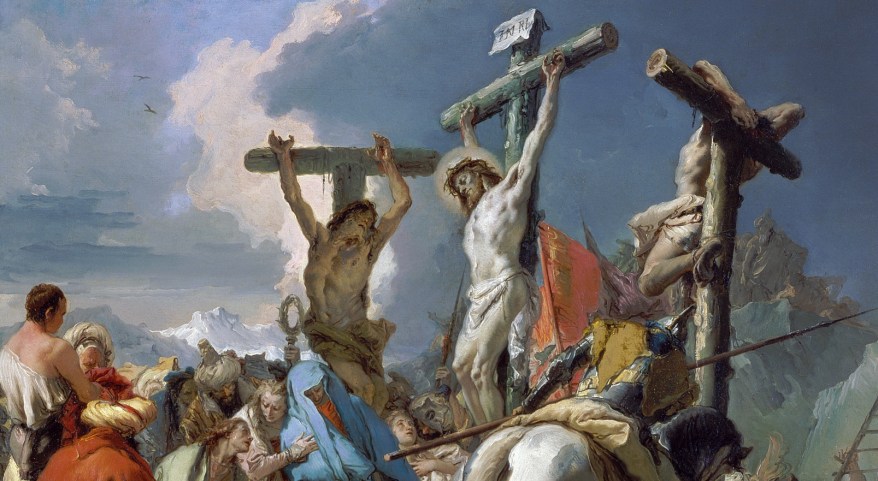
Venerdì Santo: la Crocifissione secondo Tiepolo
🇮🇹Nel giorno del Venerdì Santo, c’è un’opera che riesce ancora a scuotere lo sguardo. La Crocifissione di Giambattista Tiepolo non è come le altre: niente simmetrie perfette, niente distanza. Qui si entra dentro la scena, da un punto di vista obliquo, tra movimento, tensione e umanità… 🇬🇧On Good Friday, there’s a work that still manages…
Condividi:


Questo sono io





sostienici

Sostienici – Support Us
Se questo blog ti piace e ti appassiona, puoi aiutarci a farlo crescere sempre più sostenendoci in modo concreto condividendo i post, seguendo le pagine social e con un contributo che ci aiuta ad andare avanti con il nostro lavoro di divulgazione. . ENGLISH: If you like and are passionate about this blog, you can help us make it grow more and more by supporting us in a concrete way by sharing posts, following social pages and with a contribution that helps us to move forward with our dissemination work.
€10,00


1 commento »