
Schizzi e misure per i blocchi di marmo da estrarre
Esiste un gruppo di miei fogli custoditi nell’archivio di Casa Buonarroti che disegnai a penna e inchiostro nei quali abbondano le annotazioni a margine.
Sono fogli che facevano parte di quaderni sui quali appuntavo le forme dei blocchi di marmo da estrarre per i vari cantieri in corso.
Tracciavo le loro sagome su carta con estrema precisione sebbene spesso le facessi a mano libera e poi ci annotavo sopra le relative misure a uso degli scalpellini. Talvolta m’era necessario aggiungere delle brevi descrizioni per far comprendere meglio a chi li estraeva, di quali blocchi abbisognassi.

In modo particolare, il foglio che vi propongo apparteneva a un quaderno composto da trenta facciate delle quali ben diciannove proponevano le sagome dei blocchi che mi furono consegnate dai cavatori i cui nomi avevo espressamente indicato.
Sul foglio in questione i cavatori li nominai sia sul verso che sul recto con le iniziali disegnate fra i tre cerchi della mia firma. B stava per Bello, Ch per Cagione, L per Leone ed M per Mancino.
Ora dovete sapere che il Mancino, al secolo Bartolomeo di Giampaolo di Cagione da Torano, morì il 23 ottobre del 1518 e quindi il foglio non può essere datato posteriormente a quel momento.
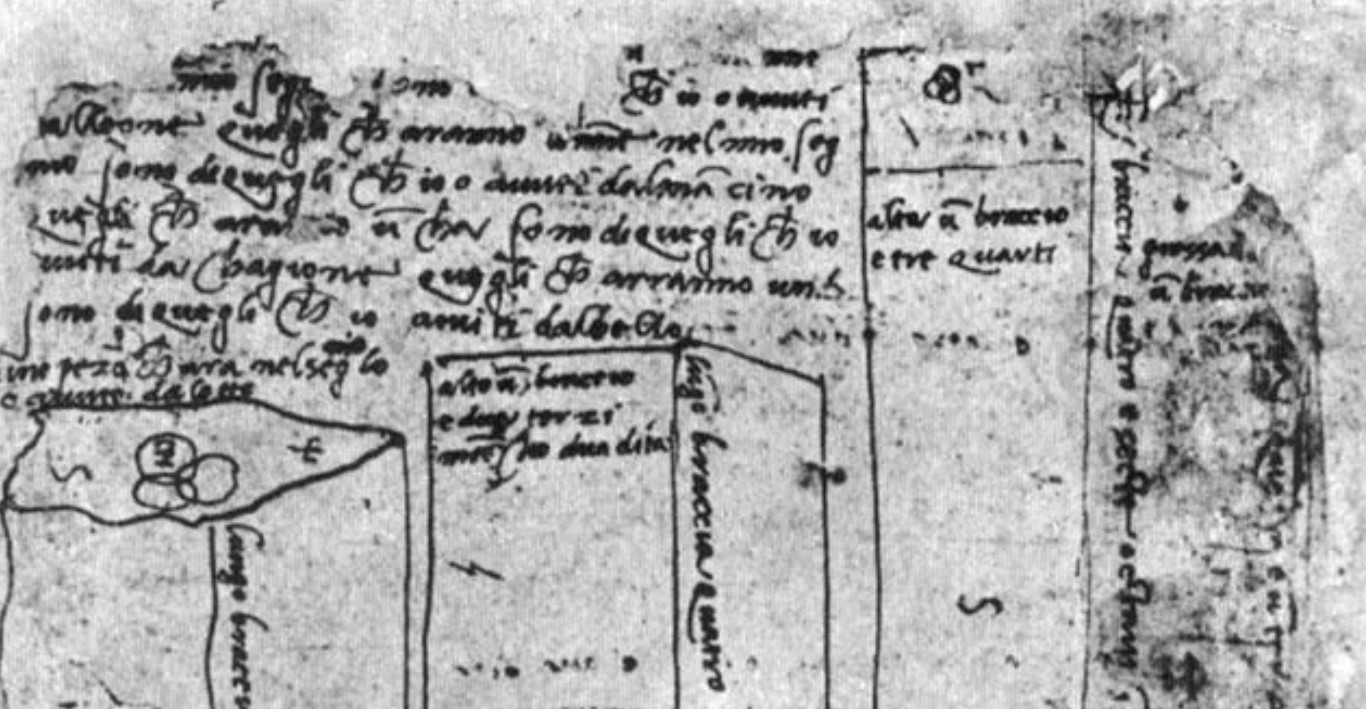
Il quaderno con questi appunti è dunque da ricondurre al libro che viene menzionato più volte nel contatto che firmai a Carrara il 18 agosto del 1517 dal notaio ser galvano Parlontiotto.Inoltre la sigla del notaio Ser Galvano apparte anche in questo foglio che vi propongo, sul verso.
Per il momento il vostro Michelangelo Buonarroti vi saluta dandovi appuntamento ai prossimi post e sui social.

Sketches and measurements for the marble blocks to be quarried
There is a group of my sheets kept in the Casa Buonarroti archive that I drew in pen and ink in which margin notes abound.
They are sheets that were part of notebooks on which I wrote down the shapes of the marble blocks to be extracted for the various construction sites in progress.
I traced their shapes on paper with extreme precision although I often did them freehand and then I wrote down the relative measurements for the stonemasons’ use. Sometimes it was necessary for me to add short descriptions to make those who extracted them better understand which blocks I needed.
In particular, the sheet that I propose to you belonged to a notebook composed of thirty pages of which nineteen proposed the outlines of the blocks that were given to me by the quarrymen whose names I had expressly indicated.
On the sheet in question I named the quarrymen both on the reverse and on the recto with the initials drawn between the three circles of my signature. B stood for Handsome, Ch for Cagione, L for Leone and M for Left-Handed.
Now you must know that Mancino, born Bartolomeo di Giampaolo di Cagione da Torano, died on 23 October 1518 and therefore the sheet cannot be dated after that moment.
The notebook with these notes can therefore be traced back to the book that is mentioned several times in the contact that I signed in Carrara on 18 August 1517 by the notary Ser Galvano Parlontiotto. Furthermore, the initials of the notary Ser Galvano also appear in this sheet that I propose to you, on towards.
For the moment, your Michelangelo Buonarroti greets you and will meet you in future posts and on social media.

Sostienici – Support Us
Se questo blog ti piace e ti appassiona, puoi aiutarci a farlo crescere sempre più sostenendoci in modo concreto condividendo i post, seguendo le pagine social e con un contributo che ci aiuta ad andare avanti con il nostro lavoro di divulgazione. . ENGLISH: If you like and are passionate about this blog, you can help us make it grow more and more by supporting us in a concrete way by sharing posts, following social pages and with a contribution that helps us to move forward with our dissemination work.
8,00 €
-
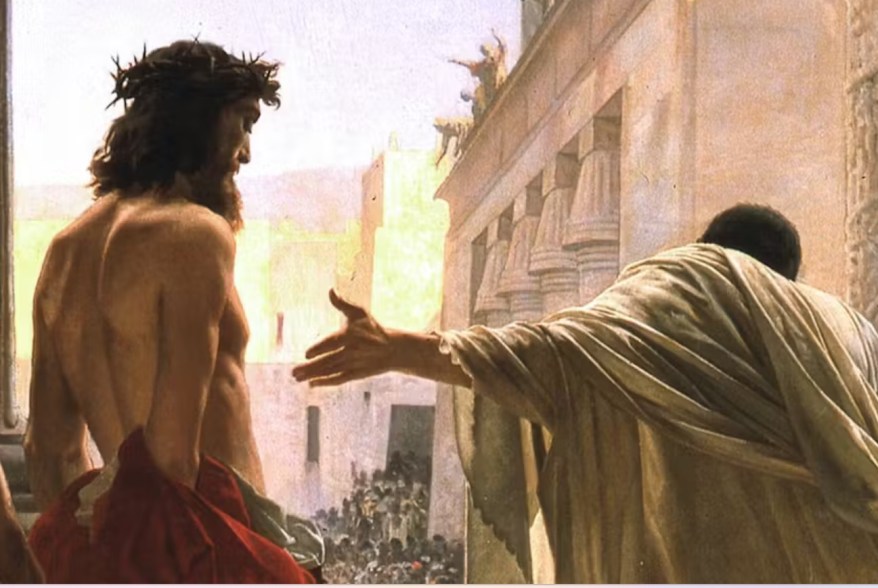
Venerdì Santo: gli “Ecce Homo” più intensi della storia dell’arte
🇮🇹Ecce Homo. Da Antonello da Messina a Tintoretto, fino al sorprendente capolavoro di Antonio Ciseri, questo soggetto ha attraversato i secoli raccontando dolore, umanità e coscienza… 🇬🇧Ecce Homo. From Antonello da Messina to Tintoretto, to Antonio Ciseri’s astonishing masterpiece, this subject has spanned the centuries, recounting pain, humanity, and conscience…
-
Attacco hacker agli Uffizi: rubati dati sensibili, mappe e codici di sicurezza
🇮🇹Attacco hacker alle Gallerie degli Uffizi: rubati dati sensibili, mappe e sistemi di sicurezza. A rischio opere, archivi e cybersicurezza del patrimonio artistico… 🇬🇧Hacker attack on the Uffizi Galleries: sensitive data, maps, and security systems stolen. Works of art, archives, and the cybersecurity of the artistic heritage are at risk…
-
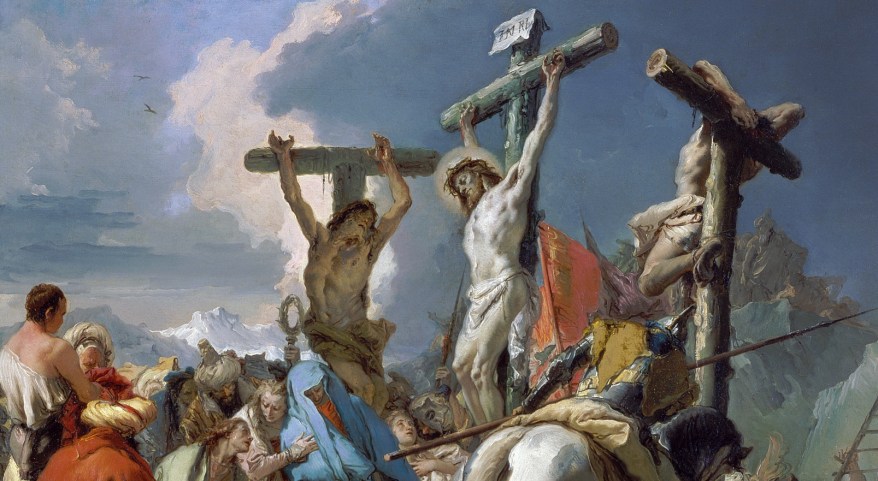
Venerdì Santo: la Crocifissione secondo Tiepolo
🇮🇹Nel giorno del Venerdì Santo, c’è un’opera che riesce ancora a scuotere lo sguardo. La Crocifissione di Giambattista Tiepolo non è come le altre: niente simmetrie perfette, niente distanza. Qui si entra dentro la scena, da un punto di vista obliquo, tra movimento, tensione e umanità… 🇬🇧On Good Friday, there’s a work that still manages…
Condividi:


Questo sono io





sostienici

Sostienici – Support Us
Se questo blog ti piace e ti appassiona, puoi aiutarci a farlo crescere sempre più sostenendoci in modo concreto condividendo i post, seguendo le pagine social e con un contributo che ci aiuta ad andare avanti con il nostro lavoro di divulgazione. . ENGLISH: If you like and are passionate about this blog, you can help us make it grow more and more by supporting us in a concrete way by sharing posts, following social pages and with a contribution that helps us to move forward with our dissemination work.
€10,00


