
La Cappella Paolina: la cappella privata del papa che custodisce i miei affreschi
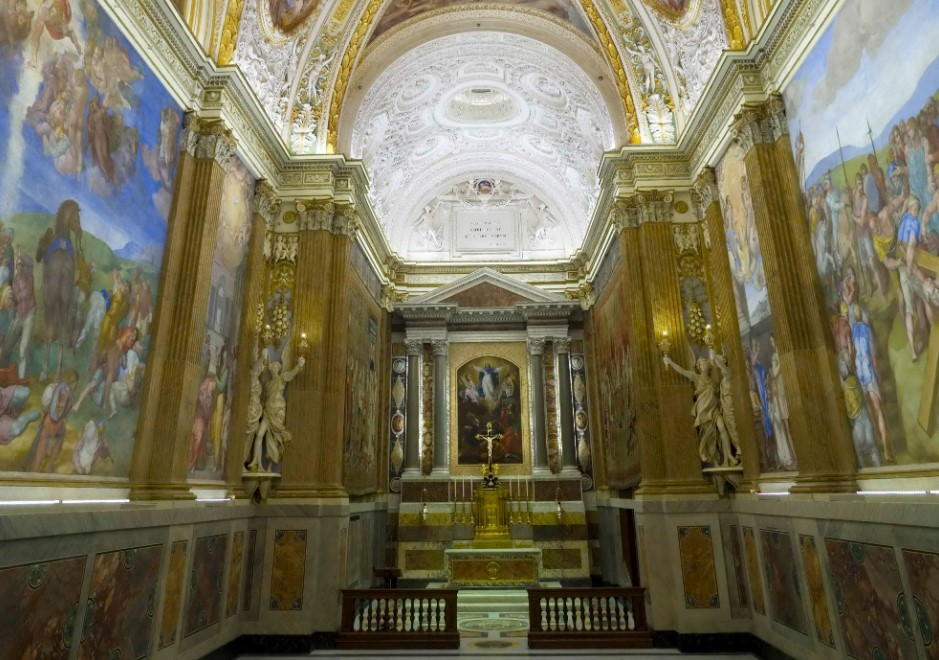
Ancora più della Cappella Sistina, la Paolina è il luogo identitario della Chiesa Cattolica. È la cappella parva dei Palazzi Apostolici riservata al papa e alla famiglia pontificia che ospita il tabernacolo del Santissimo Sacramento.
Perlomeno fino al 1670 fu il luogo in cui i cardinali i riunivano per raccogliere i voti prima di entrare in conclave nella Sistina.
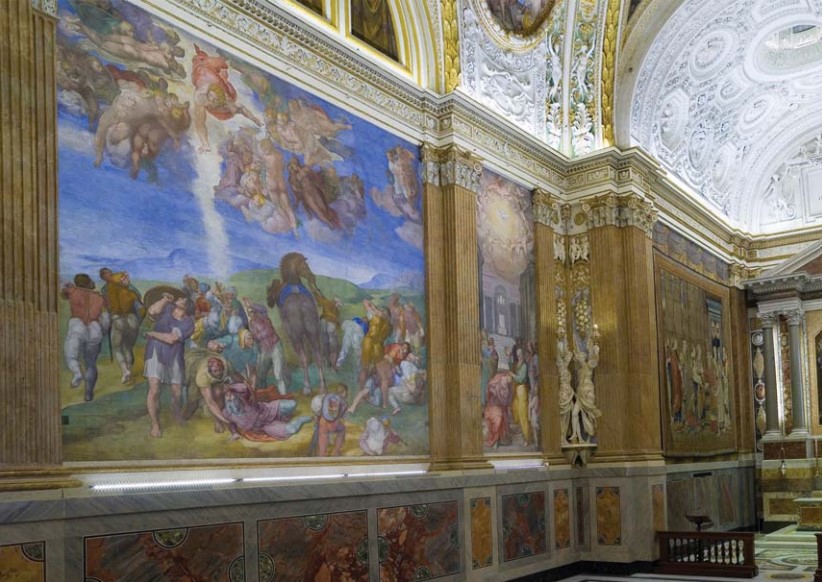
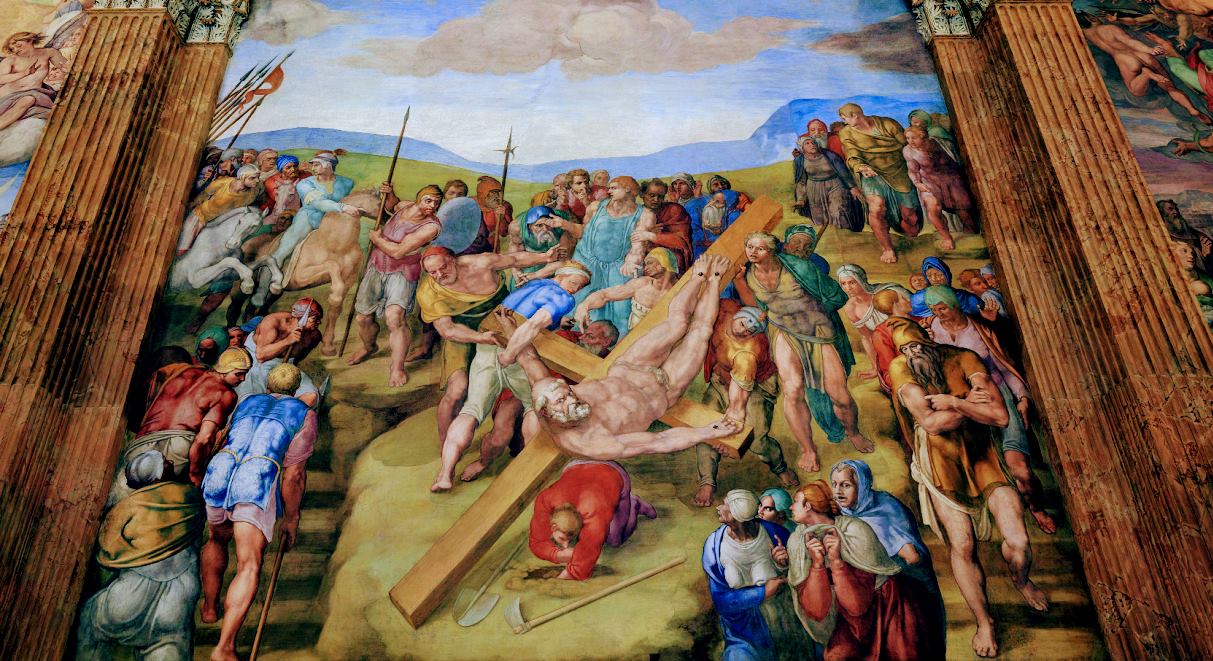
Su commissione di papa Paolo III Farnese dipinsi i due grando affreschi laterali della Conversione di Saulo e la Crocifissione di San Pietro.
Mi misi al lavoro sulla Conversione a partire dal 1542 e la ultimai nel 1545 poi iniziai l’affresco con l’emblematica Crocifissione a testa in giù di San Pietro che portai a termine cinque anni dopo, all’età di 75 anni.
Non era uno scherzo a quell’età lavorare su un grande affresco che mi impegnava non solo mentalmente ma anche dal punto di vista fisico.
Provato dai calcoli che non mi lasciavano tregua, dovetti interrompere più volte il lavoro nella Paolina, prima nell’estate del 1544 e poi in quella del 1546.
Anche in questo caso, come accadde per il Giudizio Universale, i colori venivano pagati direttamente dalla curia così non mi feci scrupoli nell’acquistare massicci quantitativo di blu oltremare, il lapislazzuli proveniente perlopiù da quello che oggi chiamate Afghanistan.
Per il momento il vostro Michelangelo Buonarroti vi saluta dandovi appuntamento ai prossimi post e sui social.

The Pauline Chapel: the pope’s private chapel which houses my frescoes
Even more than the Sistine Chapel, the Pauline Chapel is the place of identity of the Catholic Church. It is the parva chapel of the Apostolic Palaces reserved for the pope and the pontifical family which houses the tabernacle of the Blessed Sacrament.
At least until 1670 it was the place where the cardinals gathered to collect their votes before entering the conclave in the Sistine Chapel.
Commissioned by Pope Paul III Farnese, I painted the two large side frescoes of the Conversion of Saul and the Crucifixion of Saint Peter. I started working on the Conversion starting in 1542 and completed it in 1545, then I began the fresco with the emblematic upside-down Crucifixion of Saint Peter which I completed five years later, at the age of 75.
It was no joke at that age to work on a large fresco that challenged me not only mentally but also physically. Tested by the calculations that left me no respite, I had to interrupt work on the Paolina several times, first in the summer of 1544 and then in that of 1546.
Also in this case, as happened with the Last Judgment, the colors were paid for directly by the curia so I had no qualms about purchasing massive quantities of ultramarine blue, the lapis lazuli coming mostly from what you now call Afghanistan.
For the moment, your Michelangelo Buonarroti greets you and will meet you in future posts and on social media.

Sostienici – Support Us
Se questo blog ti piace e ti appassiona, puoi aiutarci a farlo crescere sempre più sostenendoci in modo concreto condividendo i post, seguendo le pagine social e con un contributo che ci aiuta ad andare avanti con il nostro lavoro di divulgazione. . ENGLISH: If you like and are passionate about this blog, you can help us make it grow more and more by supporting us in a concrete way by sharing posts, following social pages and with a contribution that helps us to move forward with our dissemination work.
8,00 €
-
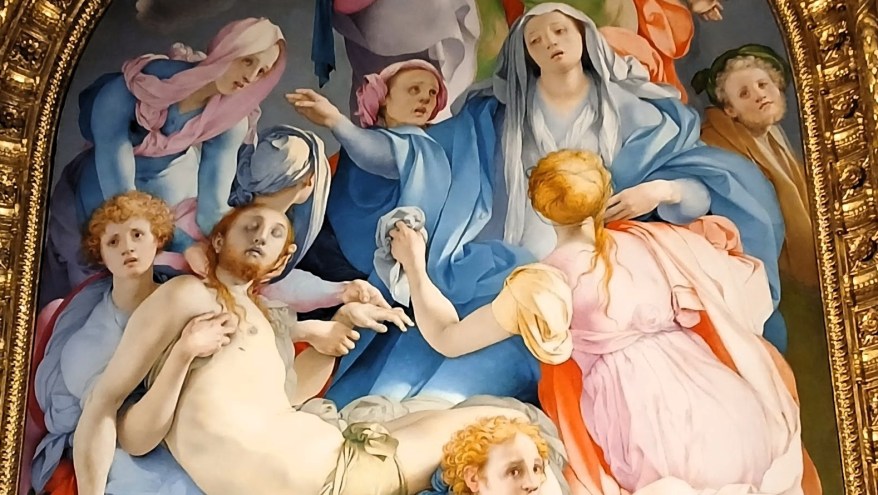
La Deposizione del Pontormo: il capolavoro dell’artista
🇮🇹Ti coinvolge. Ti mette a disagio. Ti costringe a sentire. E’ la Deposizione dalla Croce, dipinta da Jacopo Pontormo tra il 1525 e il 1528 per la Cappella Capponi… 🇬🇧It draws you in. It makes you uncomfortable. It forces you to feel. It’s the Deposition from the Cross, painted by Jacopo Pontormo between 1525 and…
-
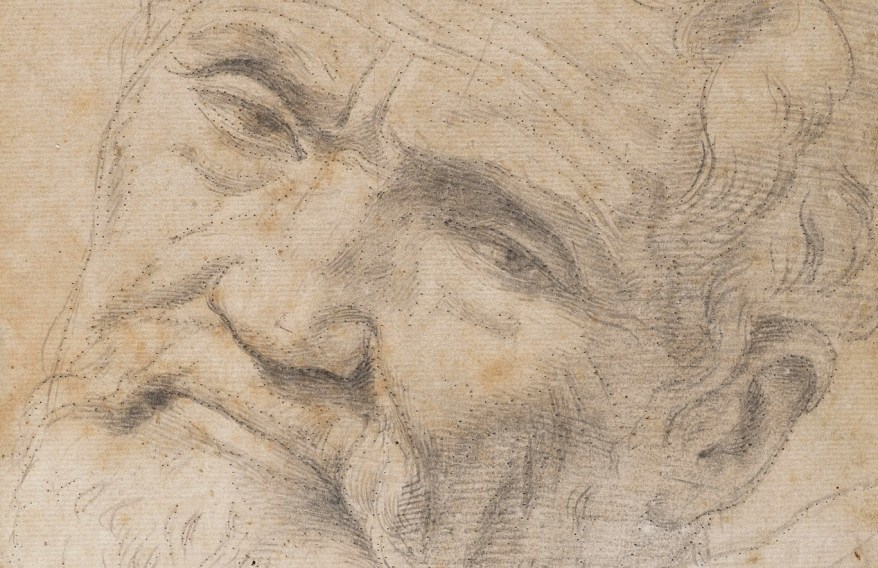
Non chiamatelo Braghettone: il 4 aprile del 1566 muore Daniele da Volterra, l’artista che salvò il Giudizio Universale
🇮🇹Braghettone? No, molto di più. Il 4 aprile 1566 moriva Daniele da Volterra, il mio allievo più fedele, l’uomo che mi rimase accanto fino all’ultimo respiro e che salvò il mio Giudizio Universale dalla distruzione… 🇬🇧Braghettone? No, much more. On April 4, 1566, Daniele da Volterra died, my most faithful student, the man who remained…
-
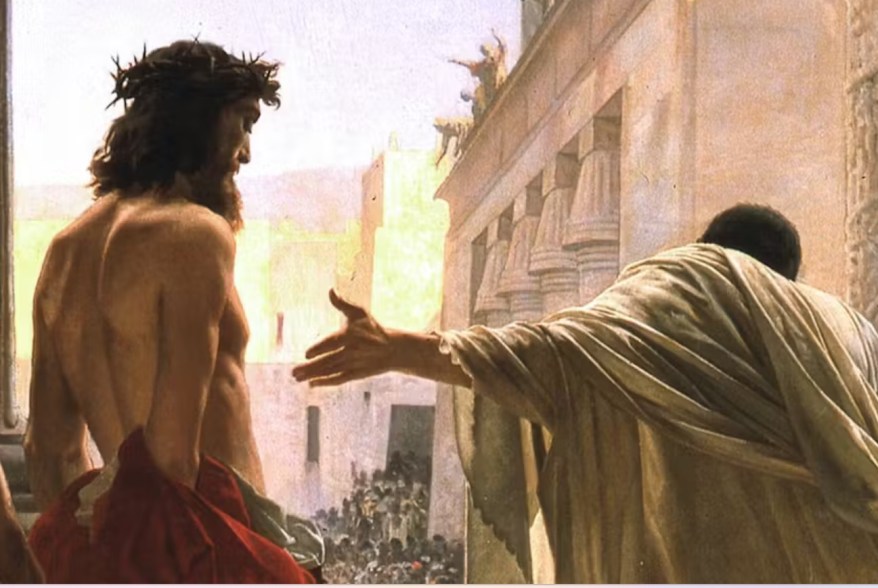
Venerdì Santo: gli “Ecce Homo” più intensi della storia dell’arte
🇮🇹Ecce Homo. Da Antonello da Messina a Tintoretto, fino al sorprendente capolavoro di Antonio Ciseri, questo soggetto ha attraversato i secoli raccontando dolore, umanità e coscienza… 🇬🇧Ecce Homo. From Antonello da Messina to Tintoretto, to Antonio Ciseri’s astonishing masterpiece, this subject has spanned the centuries, recounting pain, humanity, and conscience…
Condividi:


Questo sono io





sostienici

Sostienici – Support Us
Se questo blog ti piace e ti appassiona, puoi aiutarci a farlo crescere sempre più sostenendoci in modo concreto condividendo i post, seguendo le pagine social e con un contributo che ci aiuta ad andare avanti con il nostro lavoro di divulgazione. . ENGLISH: If you like and are passionate about this blog, you can help us make it grow more and more by supporting us in a concrete way by sharing posts, following social pages and with a contribution that helps us to move forward with our dissemination work.
€10,00


