
La Scultura del giorno: la Commedia Umana di Ernest Christophe
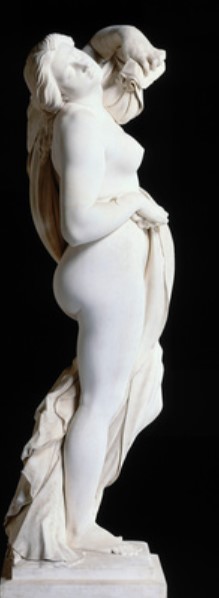
La scultura del giorno che vi propongo oggi è la Commedia Umana scolpita nel 1876 dall’artista fancese Ernest Christophe, conosciuta anche come la Maschera.
La commedia umana, fra l’essere e il mostrarsi, fra quello che realmente si è e quello che vogliamo gli altri pensino di noi. E’ il celarsi dietro una maschera non solo per illudere ma per proteggere le proprie fragilità.

La scultura fu esposta per la prima volta al Salone di Parigi del 1876 che si svolse presso il Palazzo des Champs Elysées. Fu subito acquistata dallo Stato ed esposta al Jardin des Tuileries e successivamente, dopo diversi anni di permanenza all’aperto, fu collocata al Museo d’Orsay.
Ernest Christophe era ben inserito nel mondo intellettuale della Parigi del suo tempo e fra i suoi amici più cari aveva letterati e poeti.

La scultura della Maschera fu di ispirazione per l’amico Charles Boudelaire che volle dedicargli la poesia Le Masque scritta per la celeberrima raccolta Les Fleurs du Mal.
Per il momento il vostro Michelangelo Buonarroti vi saluta dandovi appuntamento ai prossimi post e sui social.
Sculpture of the day: Ernest Christophe’s Human Comedy
The sculpture of the day that I propose to you today is the Human Comedy sculpted in 1876 by the French artist Ernest Christophe, also known as the Mask.
The human comedy, between being and showing ourselves, between what we really are and what we want others to think of us. It is hiding behind a mask not only to deceive but to protect one’s fragility.
The sculpture was exhibited for the first time at the Paris Salon of 1876 which took place at the Palais des Champs Elysées. It was immediately purchased by the State and exhibited at the Jardin des Tuileries and subsequently, after several years of remaining outdoors, it was placed at the Musée d’Orsay.
Ernest Christophe was well inserted in the intellectual world of the Paris of his time and among his closest friends he had men of letters and poets.
The sculpture of the Mask was an inspiration for his friend Charles Boudelaire who wanted to dedicate to him the poem Le Masque written for the famous collection Les Fleurs du Mal.
For the moment, your Michelangelo Buonarroti greets you and will meet you in future posts and on social media.

Sostienici – Support Us
Se questo blog ti piace e ti appassiona, puoi aiutarci a farlo crescere sempre più sostenendoci in modo concreto condividendo i post, seguendo le pagine social e con un contributo che ci aiuta ad andare avanti con il nostro lavoro di divulgazione. . ENGLISH: If you like and are passionate about this blog, you can help us make it grow more and more by supporting us in a concrete way by sharing posts, following social pages and with a contribution that helps us to move forward with our dissemination work.
8,00 €
-
Venerdì Santo: gli “Ecce Homo” più intensi della storia dell’arte
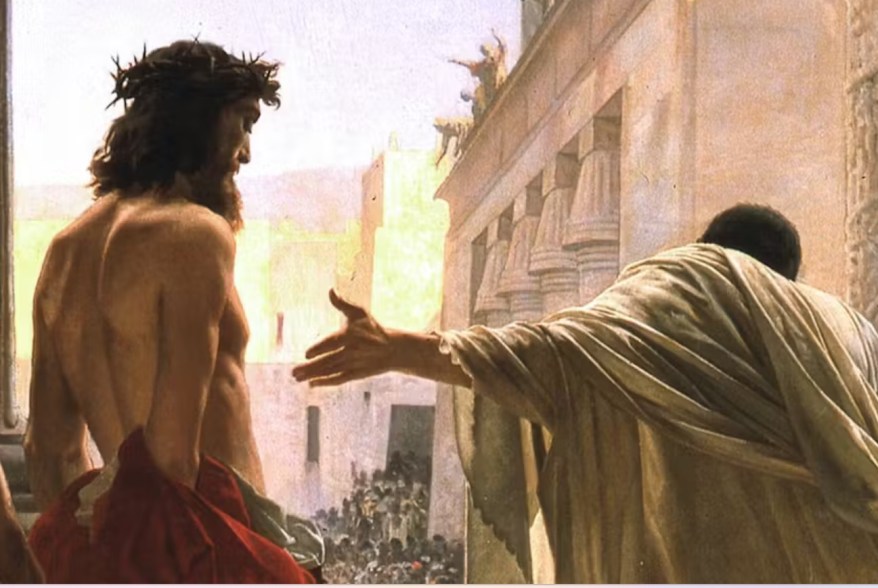
🇮🇹Ecce Homo. Da Antonello da Messina a Tintoretto, fino al sorprendente capolavoro di Antonio Ciseri, questo soggetto ha attraversato i secoli raccontando dolore, umanità e coscienza… 🇬🇧Ecce Homo. From Antonello da Messina to Tintoretto, to Antonio Ciseri’s astonishing masterpiece, this subject has spanned the centuries, recounting pain, humanity, and conscience…
-
Attacco hacker agli Uffizi: rubati dati sensibili, mappe e codici di sicurezza
🇮🇹Attacco hacker alle Gallerie degli Uffizi: rubati dati sensibili, mappe e sistemi di sicurezza. A rischio opere, archivi e cybersicurezza del patrimonio artistico… 🇬🇧Hacker attack on the Uffizi Galleries: sensitive data, maps, and security systems stolen. Works of art, archives, and the cybersecurity of the artistic heritage are at risk…
-
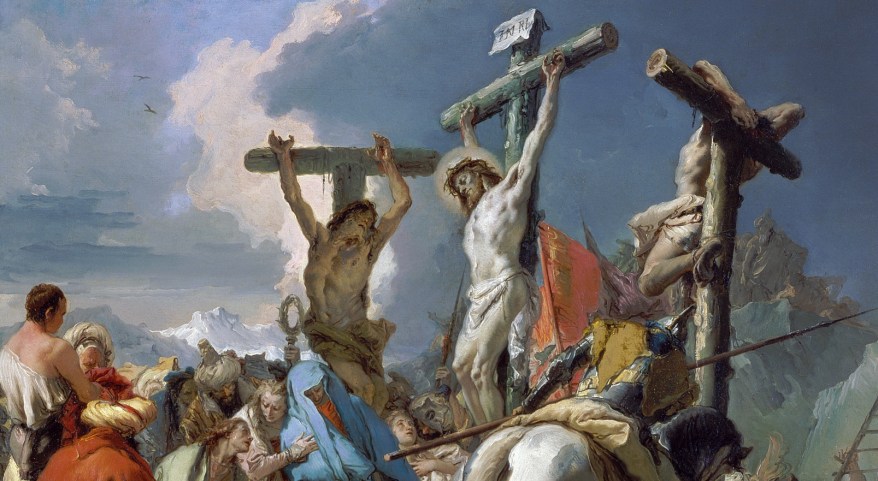
Venerdì Santo: la Crocifissione secondo Tiepolo
🇮🇹Nel giorno del Venerdì Santo, c’è un’opera che riesce ancora a scuotere lo sguardo. La Crocifissione di Giambattista Tiepolo non è come le altre: niente simmetrie perfette, niente distanza. Qui si entra dentro la scena, da un punto di vista obliquo, tra movimento, tensione e umanità… 🇬🇧On Good Friday, there’s a work that still manages…
Condividi:


Questo sono io





sostienici

Sostienici – Support Us
Se questo blog ti piace e ti appassiona, puoi aiutarci a farlo crescere sempre più sostenendoci in modo concreto condividendo i post, seguendo le pagine social e con un contributo che ci aiuta ad andare avanti con il nostro lavoro di divulgazione. . ENGLISH: If you like and are passionate about this blog, you can help us make it grow more and more by supporting us in a concrete way by sharing posts, following social pages and with a contribution that helps us to move forward with our dissemination work.
€10,00


