

La Scultura del giorno: la Venere di Pompeo Marchesi
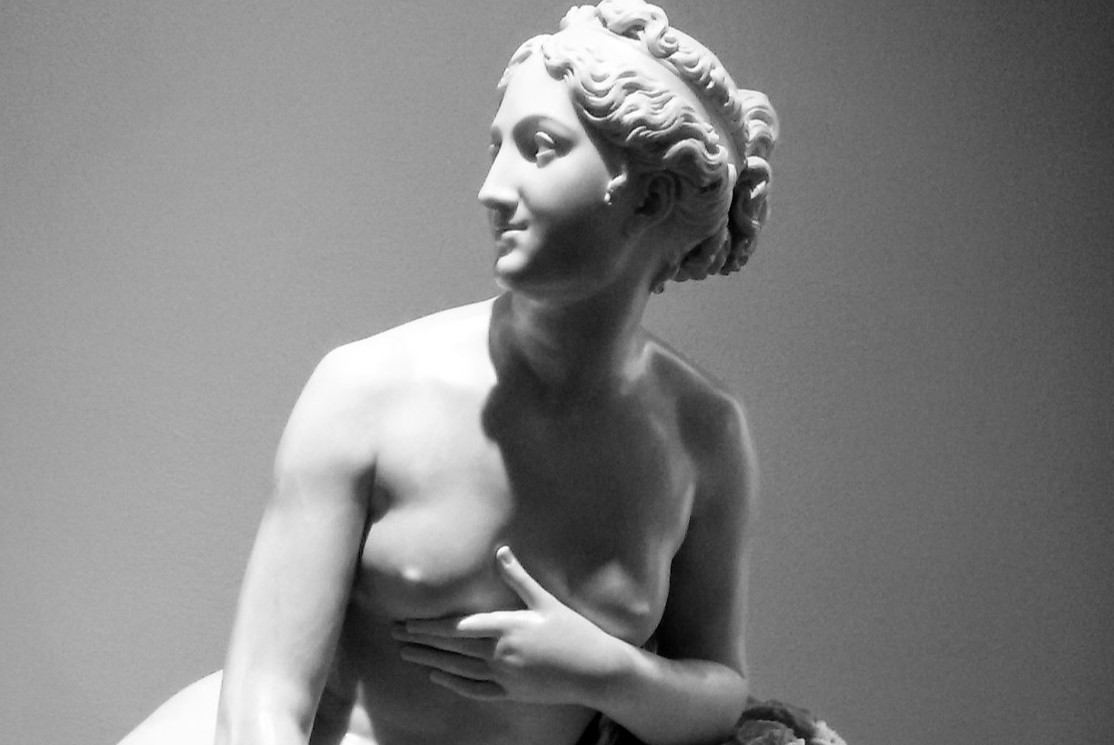
La scultura del giorno che vi propongo oggi è la Venere scolpita da Pompeo Marchesi nel 1855, oggi appartenente alle collezioni della Galleria di Arte Moderna di Milano.
Marchesi per scolpire quest’opera si rifece direttamente al modello della Venere vincitrice di Canova e nemmeno era la prima volta. Studiò infatti nel corso degli diverse interpretazioni possibili di quel capolavoro e ne trasse opere come questa, come la sua Maddalena e la Venere che disarma Amore.

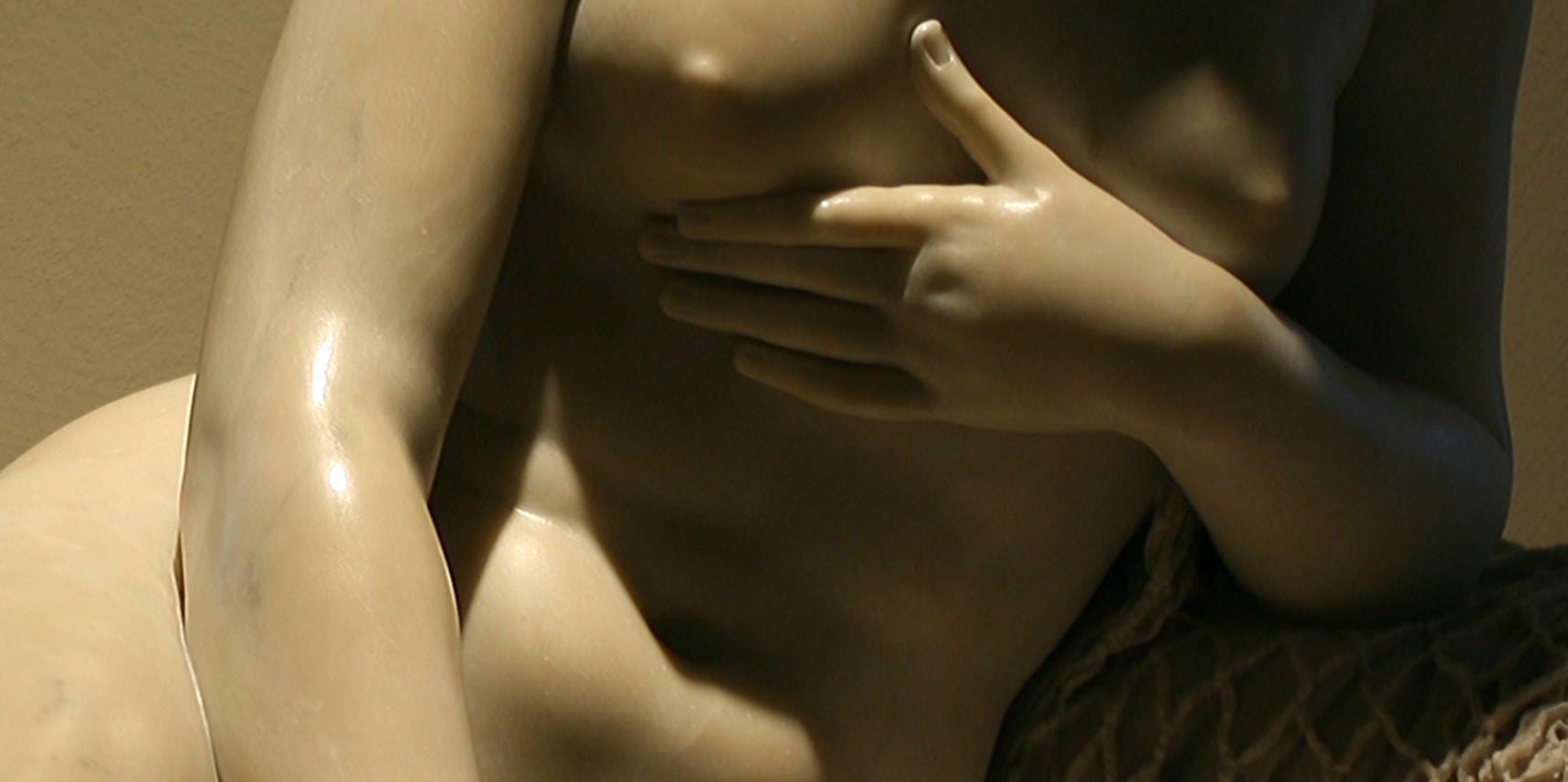
Nella scultura della Venere, Marchesi elimina il panneggio che nell’opera di Canova le copre le gambe, privandola così di ogni abito. Il corpo levigatissimo è semi disteso sopra un materasso finemente scolpito che ne supporta il peso.
I cuscini su cui la giovane appoggia il gomito sinistro, la aiutano a mantenere il busto eretto. In quest’opera il trattamento del marmo è un virtuosismo che non lascia indifferenti.
Levigato in modo quasi esasperato, fa da specchio alla luce che lo inonda rendendo ancora più sensuali le forme della Venere.

Mirabile è anche la resa della rete da pesca sotto il suo corpo, chiara allusione all’episodio della scoperta del tradimento con Marte da parte di Vulcano, suo marito.
L’artista volle lasciare la sua firma sull’opera, scolpendo sul materasso sul quale è semi distesa la Venere in questo modo: “C.P.MARCHESI F.1855”
E’ una delle ultime sculture realizzate da Pompeo Marchesi che solo tre anni dopo morirà a Milano, il 5 febbraio del 1858.
Non è da escludere che volesse presentare l’opera all’Esposizione Universale di Parigi del 1855 ma alla fine non partecipò. Rovani sentendo la mancanza di marchesi a parigi scrisse che lui “aveva qualcosa nel proprio studio che poteva far vistosa mostra a Parigi”.
Per il momento il vostro Michelangelo Buonarroti vi saluta dandovi appuntamento ai prossimi post e sui social.


Sostienici – Support Us
Se questo blog ti piace e ti appassiona, puoi aiutarci a farlo crescere sempre più sostenendoci in modo concreto condividendo i post, seguendo le pagine social e con un contributo che ci aiuta ad andare avanti con il nostro lavoro di divulgazione. . ENGLISH: If you like and are passionate about this blog, you can help us make it grow more and more by supporting us in a concrete way by sharing posts, following social pages and with a contribution that helps us to move forward with our dissemination work.
8,00 €
Sculpture of the day: Pompeo Marchesi’s Venus
The sculpture of the day that I propose to you today is the Venus sculpted by Pompeo Marchesi in 1855, now belonging to the collections of the Gallery of Modern Art in Milan.
To sculpt this work, Marchesi referred directly to the model of Canova’s Venus victorious and it wasn’t even the first time. In fact, he studied the different possible interpretations of that masterpiece and drew works like this from it, such as his Maddalena and Venus Disarming Love.
In the sculpture of Venus, Marchesi eliminates the drapery that covers her legs in Canova’s work, thus depriving her of any clothing. The very smooth body is semi-reclining on a finely sculpted mattress that supports its weight.
The pillows on which the young woman rests her left elbow help her keep her torso upright. In this work the treatment of marble is a virtuosity that leaves no one indifferent. Smoothed in an almost exasperated way, it acts as a mirror to the light that floods it, making the forms of Venus even more sensual.
Also admirable is the rendering of the fishing net under her body, a clear allusion to the episode of the discovery of the betrayal with Mars by Vulcan, her husband.
The artist wanted to leave his signature on the work, carving on the mattress on which Venus is semi-reclining in this way: “C.P.MARCHESI F.1855”.
It is one of the last sculptures created by Pompeo Marchesi who died in Milan only three years later, on 5 February 1858.
It cannot be ruled out that he wanted to present the work at the Universal Exhibition in Paris in 1855 but in the end he did not participate. Rovani, missing the marquises in Paris, wrote that he “had something in his studio that could be conspicuously displayed in Paris”.
For the moment, your Michelangelo Buonarroti greets you and will meet you in future posts and on social media.
Sostienici – Support Us
Se questo blog ti piace e ti appassiona, puoi aiutarci a farlo crescere sempre più sostenendoci in modo concreto condividendo i post, seguendo le pagine social e con un contributo che ci aiuta ad andare avanti con il nostro lavoro di divulgazione. . ENGLISH: If you like and are passionate about this blog, you can help us make it grow more and more by supporting us in a concrete way by sharing posts, following social pages and with a contribution that helps us to move forward with our dissemination work.
8,00 €
-
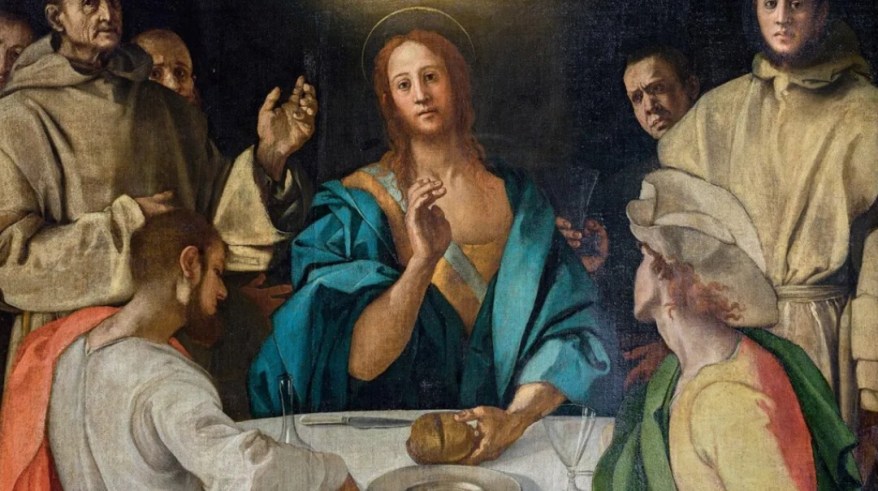
Cena in Emmaus di Pontormo: il pane, il gatto e il cane alle Scuderie del Quirinale
La Cena in Emmaus di Pontormo nasconde dettagli sorprendenti: il significato del pane, i simboli e il mistero della Resurrezione. Scopri il capolavoro del 1525 in mostra alle Scuderie del Quirinale a Roma… 🇬🇧Pontormo’s *Supper at Emmaus* conceals surprising details: the significance of the bread, various symbols, and the mystery of the Resurrection. Discover this…
-
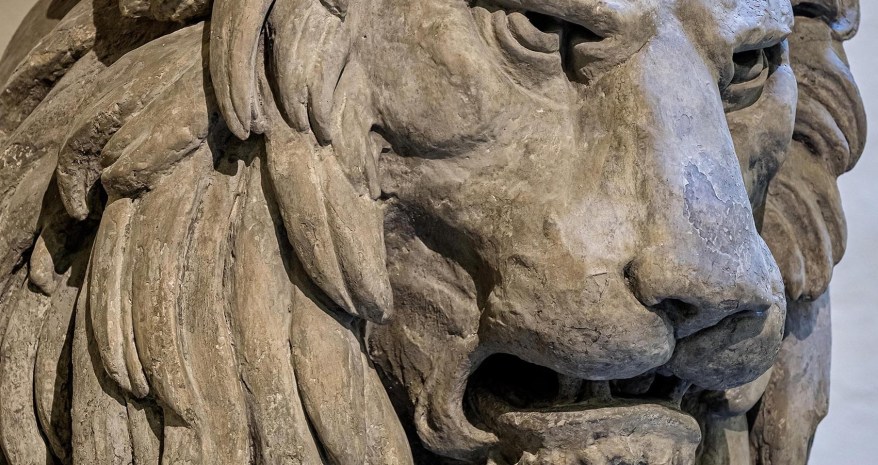
Palazzo Vecchio, il restauro svela la vera natura dei quattro leoni e il mistero della fontana greca
🇮🇹Restaurato il Cortile della Dogana di Palazzo Vecchio a Firenze: i quattro leoni sono calchi, una fontana conserva un’iscrizione greca da studiare e tornano a funzionare entrambe le fontane… 🇬🇧The Cortile della Dogana (Customs Courtyard) at Palazzo Vecchio in Florence has been restored: the four lions are casts, one fountain features a Greek inscription that…
-
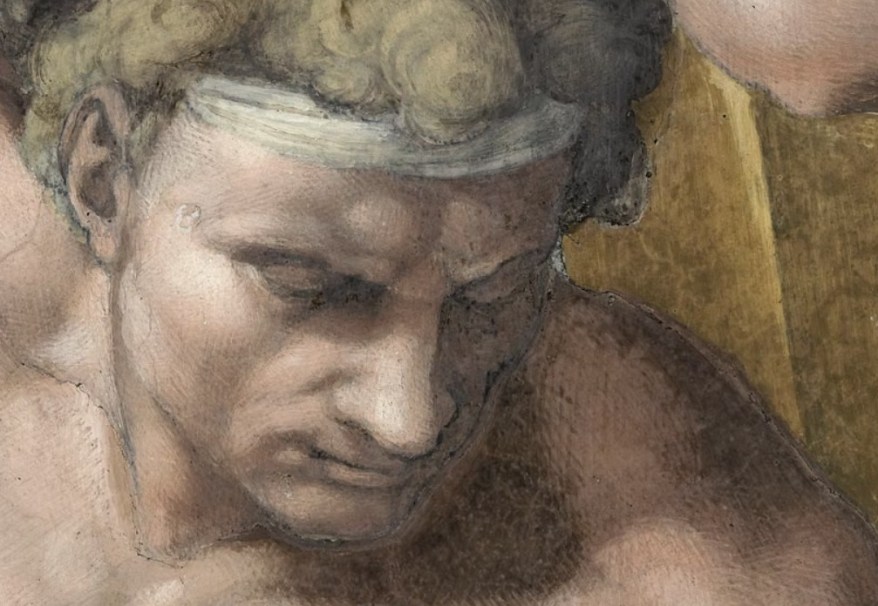
Disma, il buon ladrone nel Giudizio Universale: la misericordia e la giustizia divina
Nel Giudizio Universale della Cappella Sistina ci sono particolari che rischiano di passare inosservati, anche a chi ha avuto la fortuna di alzare gli occhi verso la mia grande parete. Tra i corpi che si sollevano, gli angeli che suonano le trombe e le anime che cercano di raggiungere il cielo, ci sono figure che…
Condividi:


Questo sono io




sostienici

Sostienici – Support Us
Se questo blog ti piace e ti appassiona, puoi aiutarci a farlo crescere sempre più sostenendoci in modo concreto condividendo i post, seguendo le pagine social e con un contributo che ci aiuta ad andare avanti con il nostro lavoro di divulgazione. . ENGLISH: If you like and are passionate about this blog, you can help us make it grow more and more by supporting us in a concrete way by sharing posts, following social pages and with a contribution that helps us to move forward with our dissemination work.
€10,00


bellezza che non passa inosservata. Grazie per le preziosità che mostri e che sempre emozionano
"Mi piace"Piace a 2 people
Grazie di cuore
"Mi piace"Piace a 1 persona
🌹
"Mi piace"Piace a 1 persona