
Il Giorno che volge le spalle a chi lo guarda
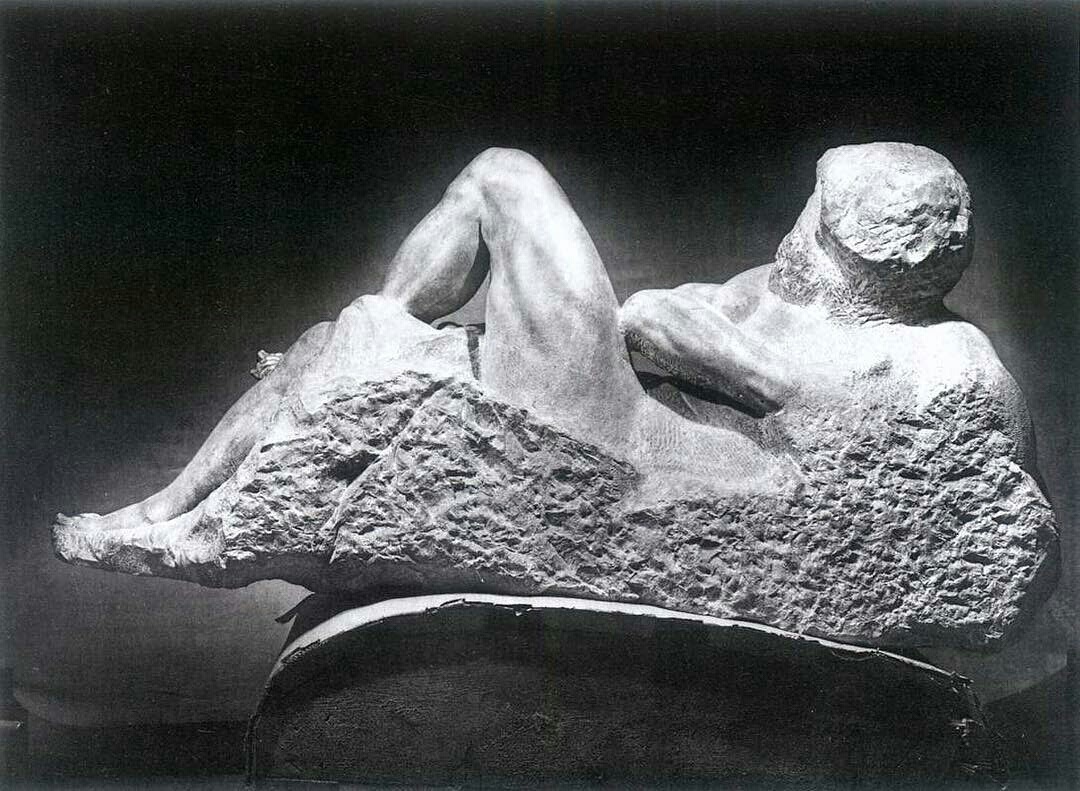
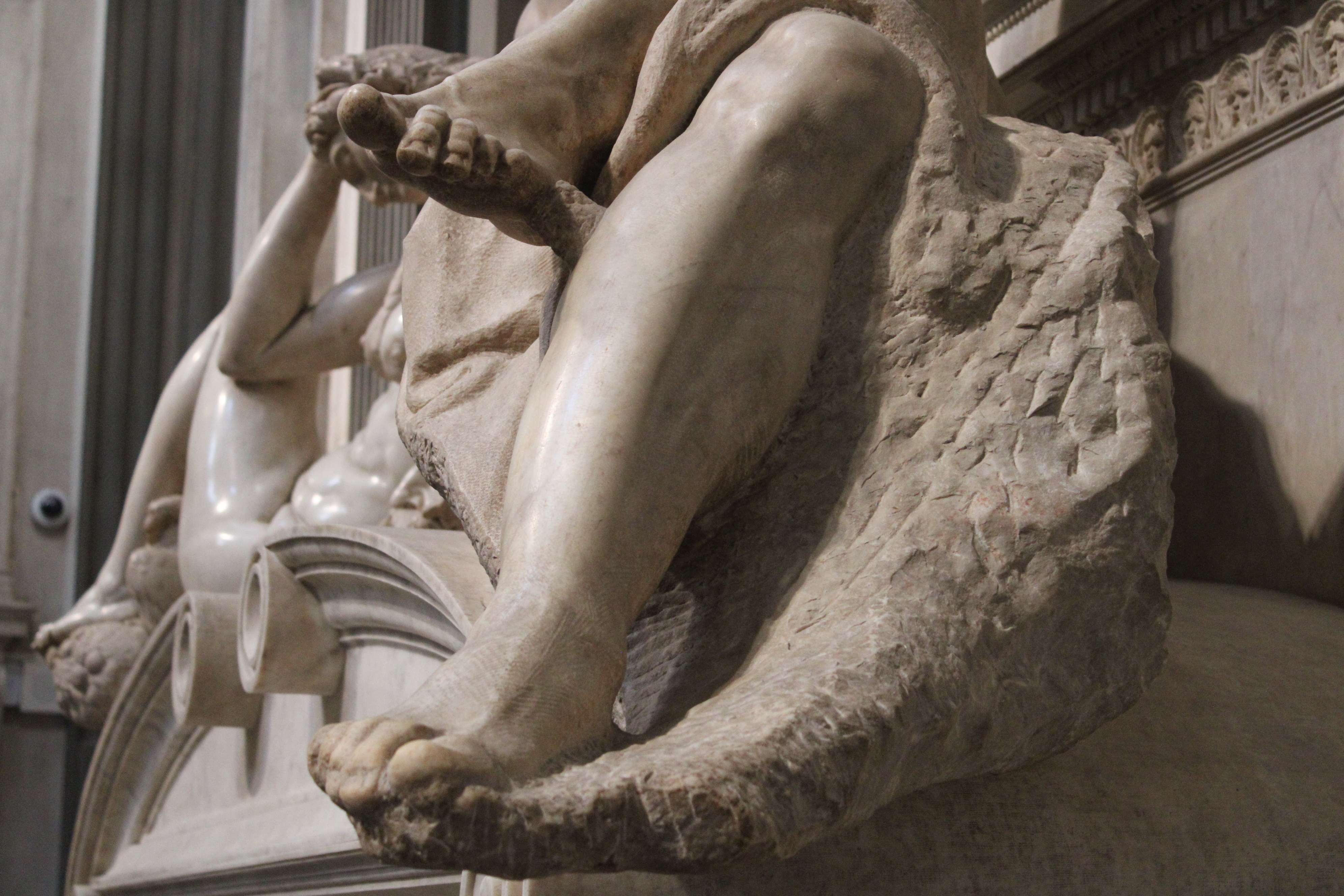
Fateci caso: il Giorno è l’unica scultura della Sagrestia Nuova che volge le spalle a chi vi si trova dinnanzi per ammirarlo.
Poggia il suo peso sullo stesso sarcofago sul quale grava la Notte e dove fu tumulato Giuliano de’ Medici duca di Nemours, decimo figliolo venuto al mondo da Clarice Orsini e il Magnifico.
Per dar forma al Giorno scelsi il marmo cavato nello stesso luogo dove avevo preso il blocco della Pietà Vaticana, nelle cave del Polvaccio a Carrara, Bacino marmifero di Torano.
Pensai a una posa opposta a quella che assume la Notte a voler mettere in netto contrasto i due diversi momenti della giornata così come della vita terrena.
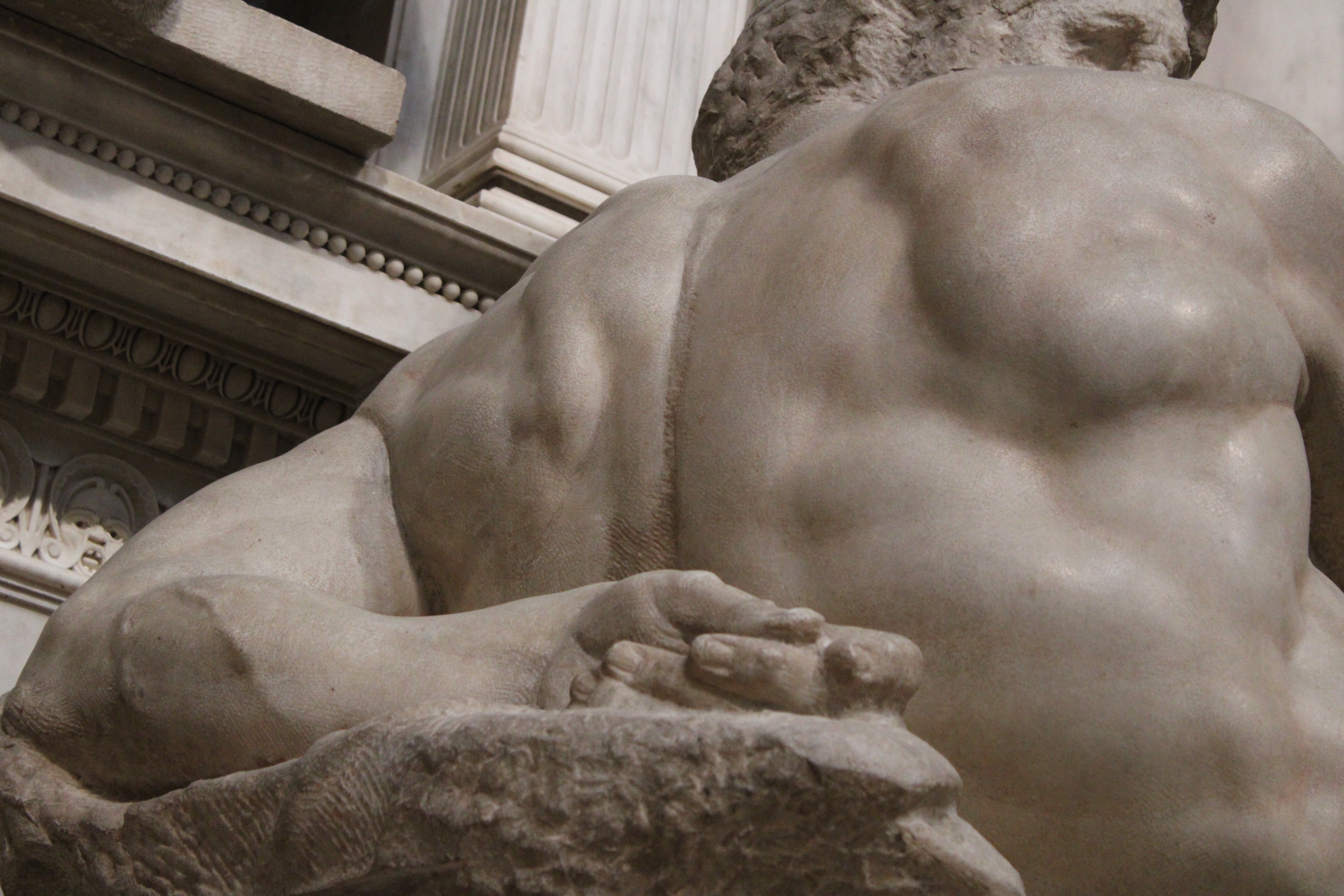
Mentre la Notte dorme il Dì veglia semisdraiato. Il suo busto si appoggia sul gomito sinistro mentre il braccio destro è piegato sul ventre.
Nel corso dei secoli gli esperti si sono sbizzarriti sull’interpretazione di questa figura: c’è chi ha saputo leggerci la personificazione del dolore, chi l’allegoria dell’ira e chi addirittura il simbolo della luce cristiana.
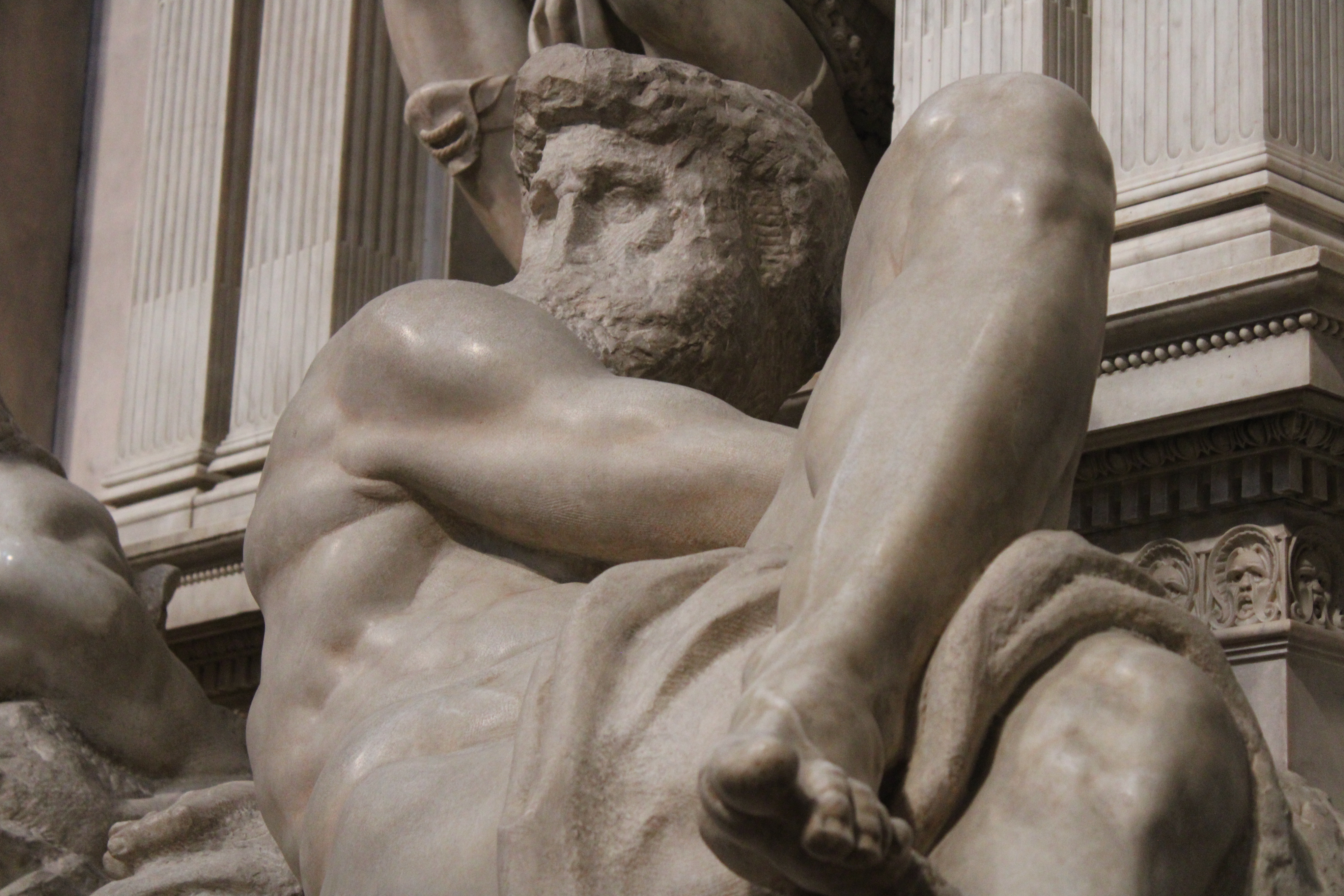
Il Giorno se ne sta sopra il sarcofago del Duca di Nemours da secoli, mostrando tutta la sua potenza. E’ un’opera non finita e sul volto ancora sono ben leggibili i solchi paralleli lasciati dalle gradine.
Cominciai a metter mano a questa scultura nel 1526 ma poi le cose a Firenze cambiarono e non poco. Nel 1530 la situazione divenne insostenibile e dovetti nascondermi. Le truppe inviate dal Papa spadroneggiavano e ne combinavano di tutti i colori pur di abbattere la repubblica con lo scopo di riconsegnare la città dritta dritta nelle mani della ricca e potente famiglia Medici.
I parteggianti per i Medici volevano uccidermi perché oramai era chiaro a tutti da che parte stessi: non ne facevo certo mistero.
Quando le acque tornarono a quietarsi ripresi a lavorare sia al Giorno che alle altre opere che avrebbero decorato la Sagrestia Nuova della Basilica di San Lorenzo. Papa Clemente VII de’ Medici si rese conto di avere ancora bisogno della mia arte. Così riporta il Vasari quell’episodio nelle sue Vite: “Papa Clemente fe’ fare diligenza di trovarlo, con ordine che non se li dicesse niente, anzi, che se gli tornassi le solite provisioni, purchè egli attendessi all’opera di San Lorenzo”.
Passò poco tempo prima di essere chiamato a Roma. Partii nel 1534 lasciando sul pavimento le opere, alcune delle quali non terminate. Da allora non feci più ritorno a Firenze o meglio, tornai, ma solo solo dopo la mia morte.
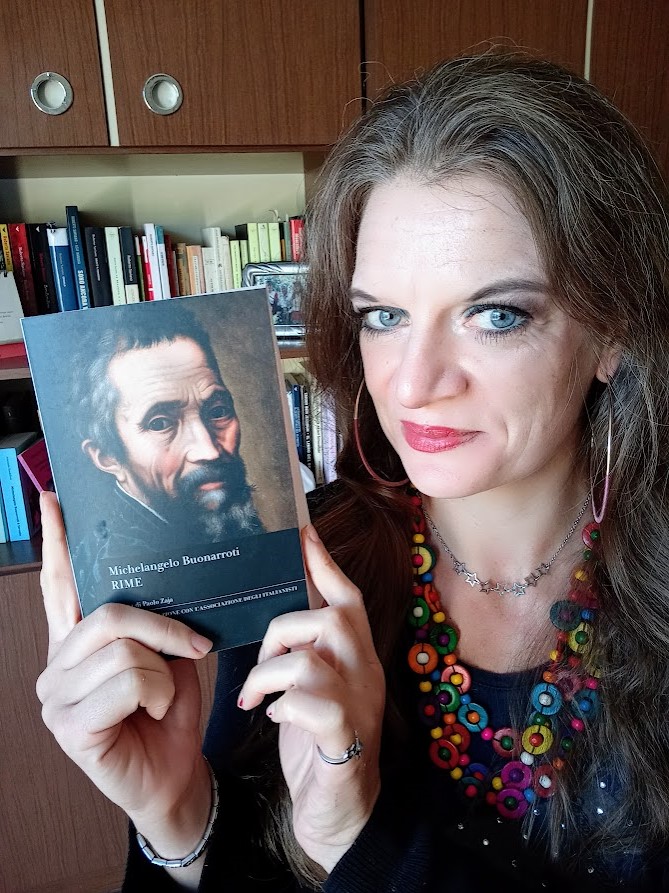
Per il momento il vostro Michelangelo Buonarroti vi saluta dandovi appuntamento ai prossimi post e sui social.
The Day that turns its back on those who look at it
Pay attention: the Giorno is the only sculpture in the New Sacristy that turns its back on those in front of it to admire it.
It rests its weight on the same sarcophagus on which Night weighs and where Giuliano de’ Medici, Duke of Nemours, the tenth child born to Clarice Orsini and the Magnificent, was buried.
To give shape to the Giorno I chose marble quarried in the same place where I had taken the block of the Vatican Pietà, in the Polvaccio quarries in Carrara, Torano marble basin.
I thought of a pose opposite to the one that Night assumes in order to clearly contrast the two different moments of the day as well as of earthly life.
While Night sleeps, Day wakes half-reclining. His torso rests on his left elbow while his right arm is bent across his belly.
Over the centuries, experts have indulged in the interpretation of this figure: some have been able to interpret it as the personification of pain, some as the allegory of anger and some even as the symbol of Christian light.
The Day has stood above the sarcophagus of the Duke of Nemours for centuries, showing all his power. It is an unfinished work and the parallel furrows left by the steps are still clearly legible on the face.
I began to work on this sculpture in 1526 but then things changed in Florence quite a bit. In 1530 the situation became untenable and I had to hide. The troops sent by the Pope lorded it over and did all sorts of things to overthrow the republic with the aim of returning the city straight into the hands of the rich and powerful Medici family.
Those who supported the Medici wanted to kill me because it was now clear to everyone which side I was on: I certainly made no secret of it.
When the waters calmed down again I resumed working both on the Giorno and on the other works that would decorate the New Sacristy of the Basilica of San Lorenzo. Pope Clement VII de’ Medici realized that he still needed my art. This is how Vasari reports that episode in his Lives: “Pope Clement made every effort to find him, with orders that nothing should be said to him, indeed, that the usual provisions would be returned to him, as long as he attended to the work of San Lorenzo” .
He spent a short time before being called to Rome. I left in 1534, leaving the works on the floor, some of which were unfinished. Since then I never returned to Florence or rather, I returned, but only after my death.
For the moment, your Michelangelo Buonarroti greets you and will meet you in future posts and on social media.

Sostienici – Support Us
Se questo blog ti piace e ti appassiona, puoi aiutarci a farlo crescere sempre più sostenendoci in modo concreto condividendo i post, seguendo le pagine social e con un contributo che ci aiuta ad andare avanti con il nostro lavoro di divulgazione. . ENGLISH: If you like and are passionate about this blog, you can help us make it grow more and more by supporting us in a concrete way by sharing posts, following social pages and with a contribution that helps us to move forward with our dissemination work.
8,00 €
-
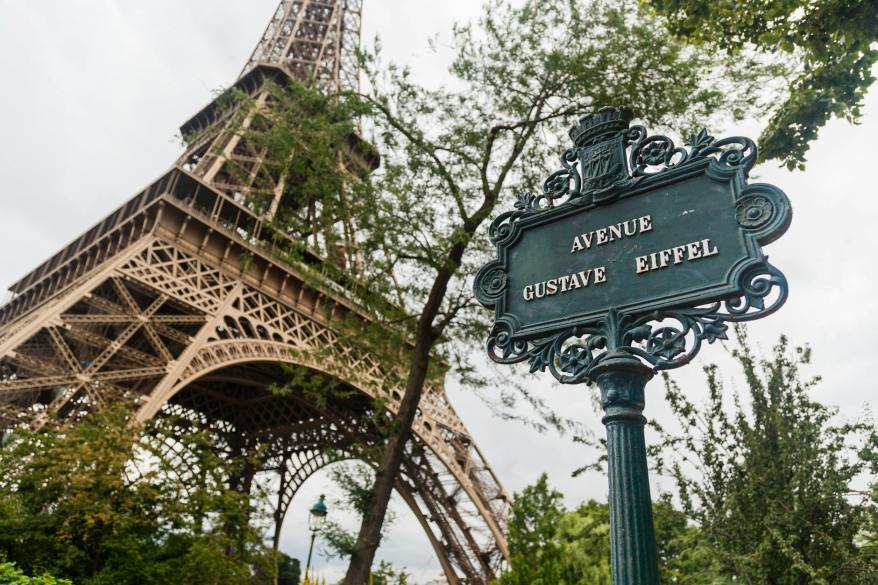
31 marzo 1889: inaugurata la Torre Eiffel tra critiche feroci e un destino inaspettato
🇮🇹Il 31 marzo 1889 segna una data destinata a cambiare per sempre il volto di Parigi e dell’immaginario collettivo globale: viene inaugurata la Torre Eiffel, l’opera più audace e discussa del suo tempo… 🇬🇧March 31, 1889 marks a date destined to change the face of Paris and the global collective imagination forever: the Eiffel Tower,…
-
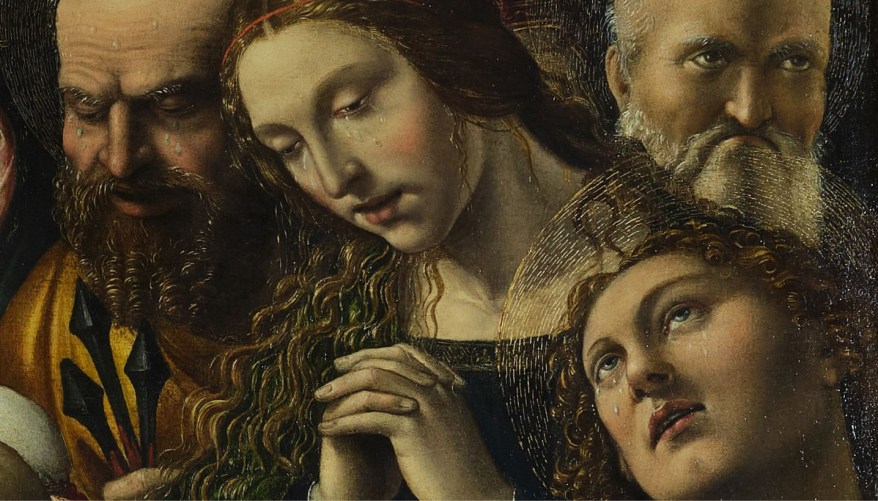
Sodoma in mostra a Torino: il Rinascimento al Museo Accorsi-Ometto
🇮🇹Al Museo di Arti Decorative Accorsi-Ometto arriva una mostra dedicata al Sodoma: oltre 50 opere, alcune mai viste prima, raccontano la formazione dell’artista e il suo dialogo con maestri come Pinturicchio… 🇬🇧An exhibition dedicated to Sodoma arrives at the Accorsi-Ometto Museum of Decorative Arts: over 50 works, some never before seen, recount the artist’s development…
-
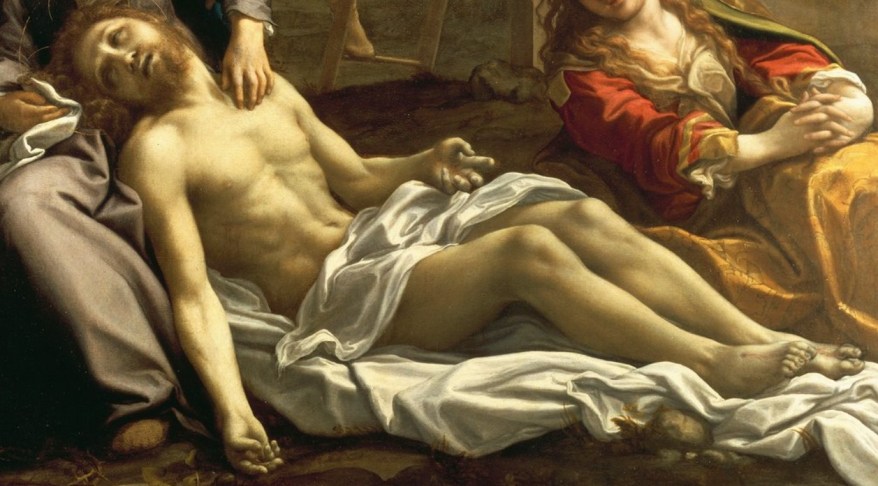
Il Compianto sul Cristo morto di Correggio: pathos e devozione
🇮🇹Con l’inizio della Settimana Santa, vi propongo il Compianto sul Cristo morto di Antonio Allegri, più noto come il Correggio: uno dei vertici assoluti della pittura emiliana del Cinquecento… 🇬🇧With the beginning of Holy Week, I propose the Lamentation over the Dead Christ by Antonio Allegri, better known as Correggio: one of the absolute peaks…
Condividi:


Questo sono io





sostienici

Sostienici – Support Us
Se questo blog ti piace e ti appassiona, puoi aiutarci a farlo crescere sempre più sostenendoci in modo concreto condividendo i post, seguendo le pagine social e con un contributo che ci aiuta ad andare avanti con il nostro lavoro di divulgazione. . ENGLISH: If you like and are passionate about this blog, you can help us make it grow more and more by supporting us in a concrete way by sharing posts, following social pages and with a contribution that helps us to move forward with our dissemination work.
€10,00


