

La Scultura del giorno: Francesco I d’Este del Bernini
La scultura del giorno che vi propongo oggi è il raffinatissimo busto di Francesco I d’Este scolpito da Gian Lorenzo Bernini fra il 1560 e il 1651.
Fu il duca di Modena e Reggio, Francesco I d’Este, a commissionare il proprio ritratto scolpito al Bernini, nell’agosto del 1650. In un primo momento aveva pensato di affidare la commissione ad Alessandro Algardi ma poi ci ripensò e preferì fosse Gian Lorenzo a ritrarre le sue sembianze.

Allo scultore fu riferito che non avrebbe avuto la possibilità di far posare per lui il duca ma avrebbe dovuto prendere come riferimento i dipinti di Jean Boulanger e Sustermans che gli erano stati inviati da Modena.
Bernini avrebbe preferito di gran lunga poter osservare dal vero il soggetto da riprodurre nel marmo per coglierne le sfumature più singolari e tutte quelle espressioni che meglio lo caratterizzavano ma dovette far buon viso a cattivo gioco.

Provò a scrivere a Francesco I d’Este per dirgli che era un’impresa quasi impossibile realizzare un busto basandosi solo su due dipinti e che avrebbe fatto un miglior lavoro potendo osservarlo dal vero ma ottenne solo gli venissero forniti più ritratti oltre alle misure delle spalle e della sua altezza.
Non potendo osservare dal vero il duca, Bernini cercò di concentrare tutta l’attenzione sul busto, scegliendo di raffigurare Francesco nell’atto di voltarsi verso destra. Diede maggior risalto a elementi in secondo piano rispetto al volto come la voluminosa parrucca, la gorgiera e il mantello che dona a tutta l’opera un senso di leggerezza e mobilità.

Il busto fu portato a termine dal Bernini nel 1651 a Roma poi venne incassato e caricato su un carro trainato da cavalli diretto a Modena.
Il duca rimase folgorato dalla bellezza dell’opera tanto che volle ricompensarlo con una cifra record: 3mila scudi. Pensate che per la stessa quantità di denaro aveva realizzato la grandiosa fontana dei Quattro fiumi per papa Innocenzo X.

Il busto riscosse un enorme successo già all’epoca e oggi è custodito presso la Galleria Estense di Modena.
Per il momento il vostro Michelangelo Buonarroti vi saluta dandovi appuntamento ai prossimi post e sui social.

Sostienici – Support Us
Se questo blog ti piace e ti appassiona, puoi aiutarci a farlo crescere sempre più sostenendoci in modo concreto condividendo i post, seguendo le pagine social e con un contributo che ci aiuta ad andare avanti con il nostro lavoro di divulgazione. . ENGLISH: If you like and are passionate about this blog, you can help us make it grow more and more by supporting us in a concrete way by sharing posts, following social pages and with a contribution that helps us to move forward with our dissemination work.
8,00 €
Sculpture of the day: Francesco I d’Este by Bernini
The sculpture of the day that I propose to you today is the very refined bust of Francesco I d’Este sculpted by Gian Lorenzo Bernini between 1560 and 1651.
It was the Duke of Modena and Reggio, Francesco I d’Este, who commissioned his own sculpted portrait from Bernini in August 1650. At first he had thought of entrusting the commission to Alessandro Algardi but then he thought better of it and preferred it to be Gian Lorenzo to portray his likeness.
The sculptor was told that he would not have the possibility of having the duke pose for him but would have to take as reference the paintings by Jean Boulanger and Sustermans that had been sent to him from Modena.
Bernini would have much preferred to be able to observe in real life the subject to be reproduced in marble to grasp its most singular nuances and all those expressions that best characterized it but he had to put on a brave face. He tried to write to Francesco I d’Este to tell him that it was an almost impossible task to create a bust based on only two paintings and that he would have done a better job if he had been able to observe it from life but all he got was that he was provided with more portraits in addition to the shoulder measurements and his height.
Not being able to observe the duke in person, Bernini tried to concentrate all the attention on the bust, choosing to depict Francesco in the act of turning to the right. He gave greater prominence to elements in the background compared to the face such as the voluminous wig, the ruff and the cloak which gives the whole work a sense of lightness and mobility.
The bust was completed by Bernini in 1651 in Rome, then encased and loaded onto a horse-drawn carriage headed for Modena. The duke was struck by the beauty of the work so much so that he wanted to reward him with a record sum: 3 thousand scudi. He thinks that for the same amount of money he had created the grandiose fountain of the Four Rivers for Pope Innocent
The bust was already a huge success at the time and today it is kept in the Estense Gallery in Modena.
For the moment, your Michelangelo Buonarroti greets you and will meet you in future posts and on social media.
-
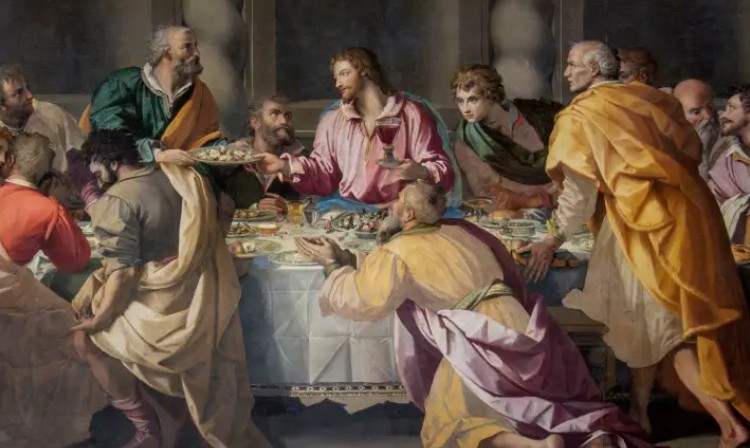
Giovedì Santo: l’Ultima Cena di Allori che pochi conoscono a Firenze
🇮🇹Nel cuore di Museo di Santa Maria Novella, a Firenze, si conserva una delle interpretazioni più affascinanti e meno note dell’Ultima Cena: quella realizzata da Alessandro Allori nel 1584… 🇬🇧In the heart of the Santa Maria Novella Museum in Florence, one of the most fascinating and least-known interpretations of the Last Supper is preserved: the…
-
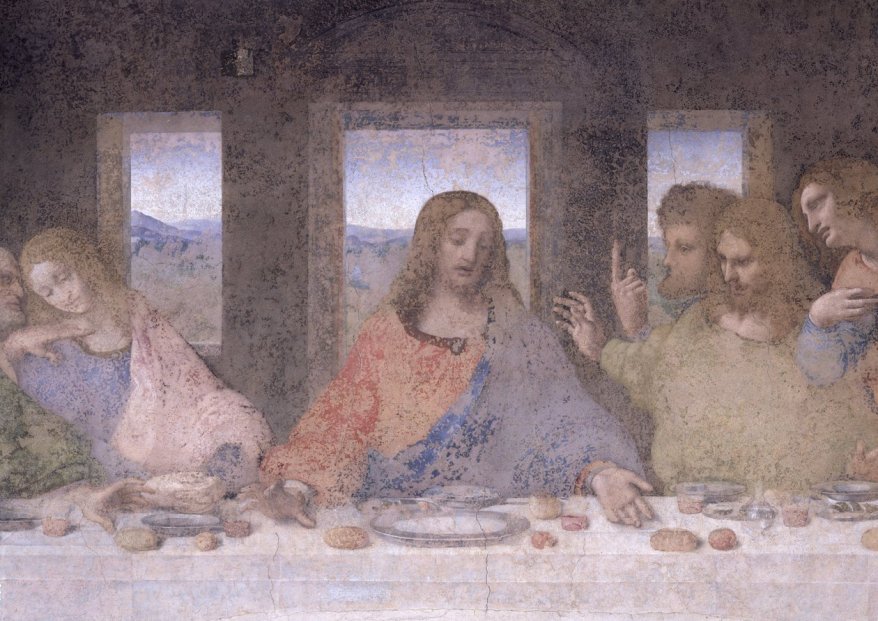
Cenacolo di Leonardo: i dettagli che raccontano il tradimento
🇮🇹Nel Cenacolo di Leonardo da Vinci, custodito a Santa Maria delle Grazie, Cristo annuncia il tradimento e il tempo si ferma… 🇬🇧In Leonardo da Vinci’s Last Supper, housed in Santa Maria delle Grazie, Christ announces the betrayal and time stands still…
-
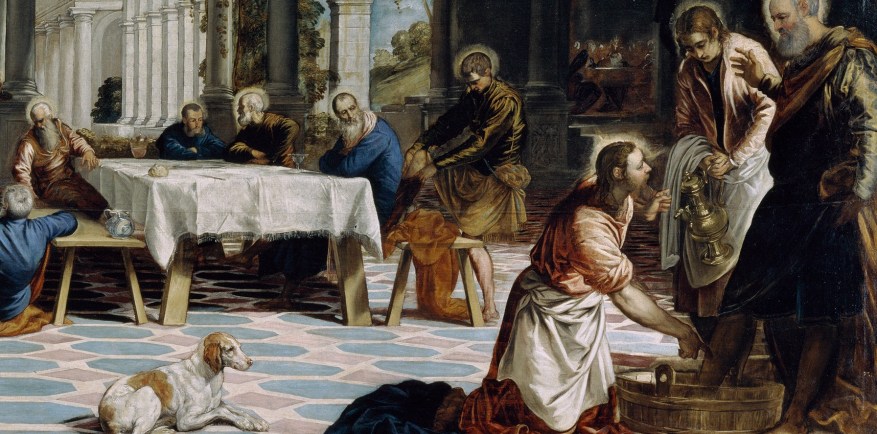
La Lavanda dei Piedi di Tintoretto: Il Capolavoro Veneziano al Prado
🇮🇹Tra i capolavori più affascinanti del Rinascimento veneziano, “La Lavanda dei Piedi” di Jacopo Tintoretto rappresenta un perfetto equilibrio tra spiritualità, innovazione compositiva e straordinaria forza narrativa… 🇬🇧Among the most fascinating masterpieces of the Venetian Renaissance, Jacopo Tintoretto’s “The Washing of the Feet” represents a perfect balance between spirituality, compositional innovation, and extraordinary narrative force…
Condividi:


Questo sono io





sostienici

Sostienici – Support Us
Se questo blog ti piace e ti appassiona, puoi aiutarci a farlo crescere sempre più sostenendoci in modo concreto condividendo i post, seguendo le pagine social e con un contributo che ci aiuta ad andare avanti con il nostro lavoro di divulgazione. . ENGLISH: If you like and are passionate about this blog, you can help us make it grow more and more by supporting us in a concrete way by sharing posts, following social pages and with a contribution that helps us to move forward with our dissemination work.
€10,00


