
La Scultura del giorno: la Schiava greca del Tadolini
La scultura del giorno che vi propongo oggi è la sublime Schiava Greca scolpita da Scipione Tadolini nel 1860.
Per dar forma a quest’opera Tadolini si ispirò alle terribili storie delle ragazze greche che venivano fatte prigioniere dai turchi e poi vendute alla stregua di merce durante la guerra d’indipendenza combattuta fra Grecia e Impero Ottomano fra il 1821 e il 1832, terminata con la vittoria e la conseguente indipendenza della Grecia.
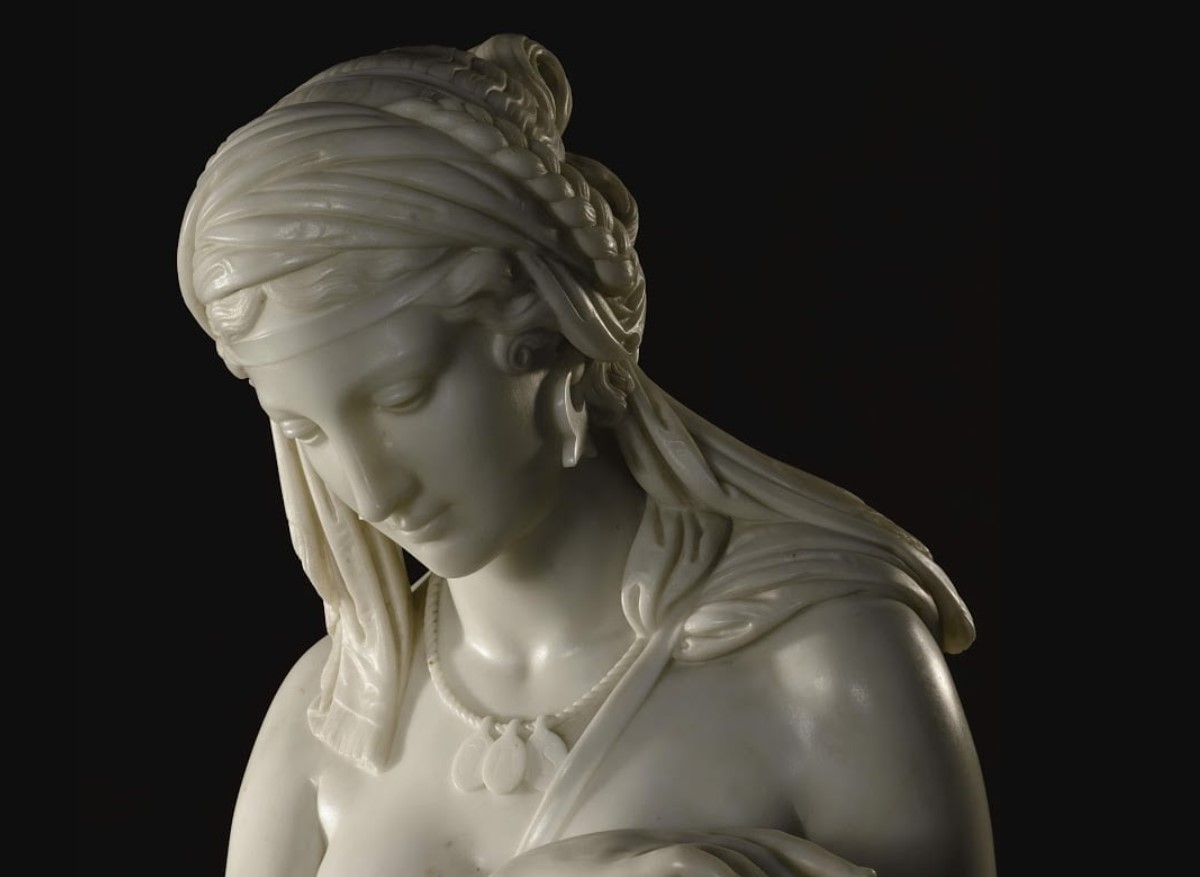
La scultura riporta in basso, sulla base cilindrica, la firma dell’artista.
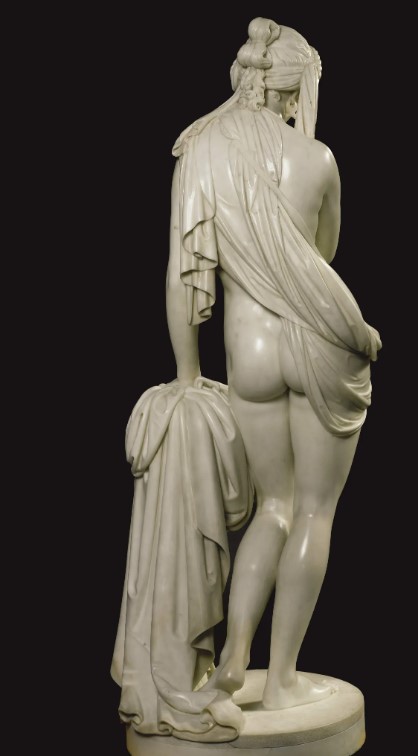
Il simbolo più evidente della schiavitù della giovane sono le catene, in parte coperte dal panneggio adagiato sopra il cippo che aiuta a scaricare il peso dell’opera a terra.
La guerra d’indipendenza greca suscitò un grande clamore sia in Europa che in America del Nord per il grande impatto politico che ebbe e per essere di fatto uno scontro fra cristianesimo e islam.
Tadolini riscosse un enorme approvazione da parte del pubblico e della critica con la Schiava Greca tanto che ne realizzò diverse repliche, tutte oggi appartenenti a collezioni private ad eccezion fatta della prima versione, custodita presso l’Art Gallery of New South Wales di Sydney.
Il tema scelto dallo scultore metteva assieme neoclassicismo e romanticismo con una forte connotazione esotica. La grazia della giovane è quella classica e ideale che la fa sembrare fuori dal tempo benchè l’argomento proposto sia scottante e drammatico.
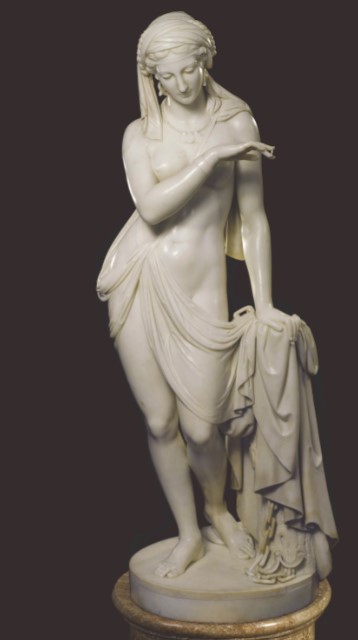
Tadolini fa assumere alla Schiava Greca una posa in contrapposto per renderla meno statica. La giovane si porta il braccio destro verso il volto per osservare il bracciale che indossa, mettendo al contempo in bella mostra la mano, frutto del puro virtuosismo dell’artista.
Osservate con quanta accuratezza l’artista ha scolpito quest’opera prestando particolare attenzione non solo alla sua levigatezza ma anche al modellato delle pieghe dei due panneggi e alla muscolatura morbida dell’addome.

La Schiava Greca sembra emergere con grazia dal blocco di marmo, come se fosse viva e pronta a raccontare la sua storia. Il volto della giovane esprime un senso di tristezza incarnando allo stesso tempo una forza interiore.
Per il momento il vostro Michelangelo Buonarroti vi saluta dandovi appuntamento ai prossimi post e sui social.

Sculpture of the day: Tadolini’s Greek Slave
The sculpture of the day that I propose to you today is the sublime Greek Slave sculpted by Scipione Tadolini in 1860.
To give shape to this work, Tadolini was inspired by the terrible stories of the Greek girls who were taken prisoner by the Turks and then sold as merchandise during the war of independence fought between Greece and the Ottoman Empire between 1821 and 1832, which ended with the victory and subsequent independence of Greece.
The sculpture bears the artist’s signature at the bottom, on the cylindrical base. The most obvious symbol of the young woman’s slavery are the chains, partly covered by the drapery placed over the stone which helps to unload the weight of the work on the ground.
The Greek war of independence caused a great outcry both in Europe and in North America due to the great political impact it had and for being in fact a clash between Christianity and Islam.
Tadolini received enormous approval from the public and critics with the Greek Slave, so much so that he made several replicas of it, all of which now belong to private collections with the exception of the first version, kept at the Art Gallery of New South Wales in Sydney.
The theme chosen by the sculptor brought together neoclassicism and romanticism with a strong exotic connotation. The grace of the young woman is classic and ideal which makes her seem out of time even though the proposed topic is burning and dramatic.
Tadolini makes the Greek Slave assume a contrapposto pose to make her less static. The young woman brings her right arm towards her face to observe the bracelet she is wearing, while at the same time putting her hand on display, the result of the artist’s pure virtuosity.
Observe how carefully the artist sculpted this work, paying particular attention not only to its smoothness but also to the modeling of the folds of the two drapery and the soft muscles of the abdomen.
The Greek Slave appears to emerge gracefully from the block of marble, as if she were alive and ready to tell her story. The young woman’s face expresses a sense of sadness while at the same time embodying an inner strength.
For the moment, your Michelangelo Buonarroti greets you and will meet you in future posts and on social media.

Sostienici – Support Us
Se questo blog ti piace e ti appassiona, puoi aiutarci a farlo crescere sempre più sostenendoci in modo concreto condividendo i post, seguendo le pagine social e con un contributo che ci aiuta ad andare avanti con il nostro lavoro di divulgazione. . ENGLISH: If you like and are passionate about this blog, you can help us make it grow more and more by supporting us in a concrete way by sharing posts, following social pages and with a contribution that helps us to move forward with our dissemination work.
8,00 €
-
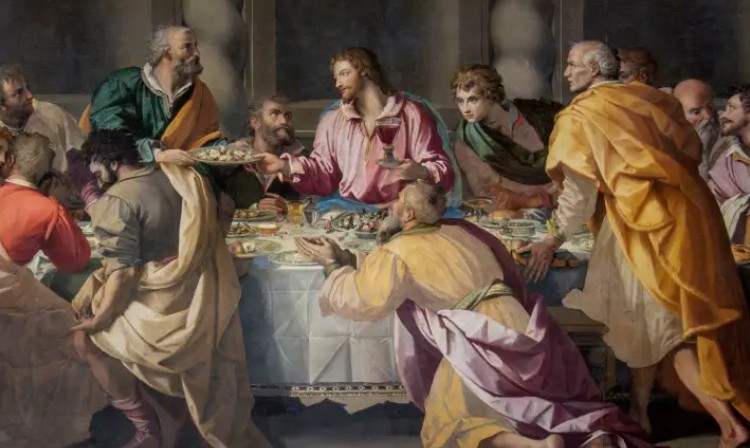
Giovedì Santo: l’Ultima Cena di Allori che pochi conoscono a Firenze
🇮🇹Nel cuore di Museo di Santa Maria Novella, a Firenze, si conserva una delle interpretazioni più affascinanti e meno note dell’Ultima Cena: quella realizzata da Alessandro Allori nel 1584… 🇬🇧In the heart of the Santa Maria Novella Museum in Florence, one of the most fascinating and least-known interpretations of the Last Supper is preserved: the…
-
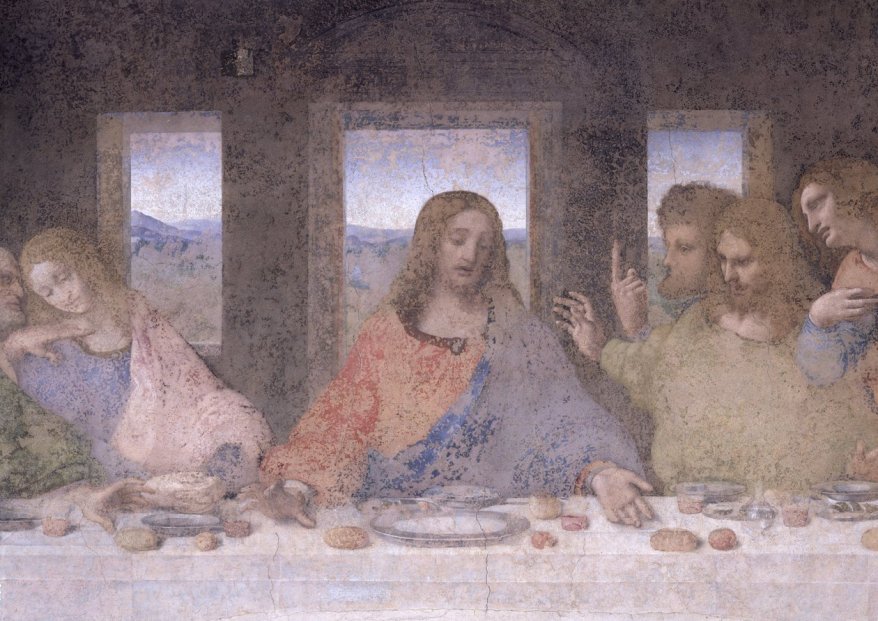
Cenacolo di Leonardo: i dettagli che raccontano il tradimento
🇮🇹Nel Cenacolo di Leonardo da Vinci, custodito a Santa Maria delle Grazie, Cristo annuncia il tradimento e il tempo si ferma… 🇬🇧In Leonardo da Vinci’s Last Supper, housed in Santa Maria delle Grazie, Christ announces the betrayal and time stands still…
-
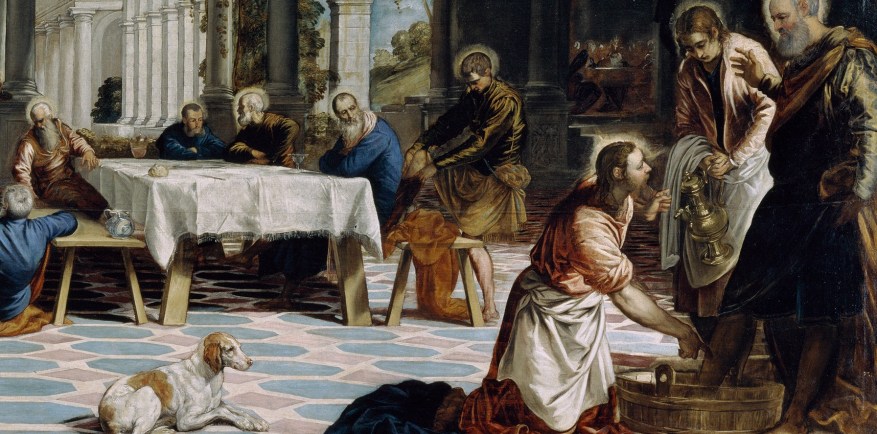
La Lavanda dei Piedi di Tintoretto: Il Capolavoro Veneziano al Prado
🇮🇹Tra i capolavori più affascinanti del Rinascimento veneziano, “La Lavanda dei Piedi” di Jacopo Tintoretto rappresenta un perfetto equilibrio tra spiritualità, innovazione compositiva e straordinaria forza narrativa… 🇬🇧Among the most fascinating masterpieces of the Venetian Renaissance, Jacopo Tintoretto’s “The Washing of the Feet” represents a perfect balance between spirituality, compositional innovation, and extraordinary narrative force…
Condividi:


Questo sono io





sostienici

Sostienici – Support Us
Se questo blog ti piace e ti appassiona, puoi aiutarci a farlo crescere sempre più sostenendoci in modo concreto condividendo i post, seguendo le pagine social e con un contributo che ci aiuta ad andare avanti con il nostro lavoro di divulgazione. . ENGLISH: If you like and are passionate about this blog, you can help us make it grow more and more by supporting us in a concrete way by sharing posts, following social pages and with a contribution that helps us to move forward with our dissemination work.
€10,00


