
Sublime e terribile
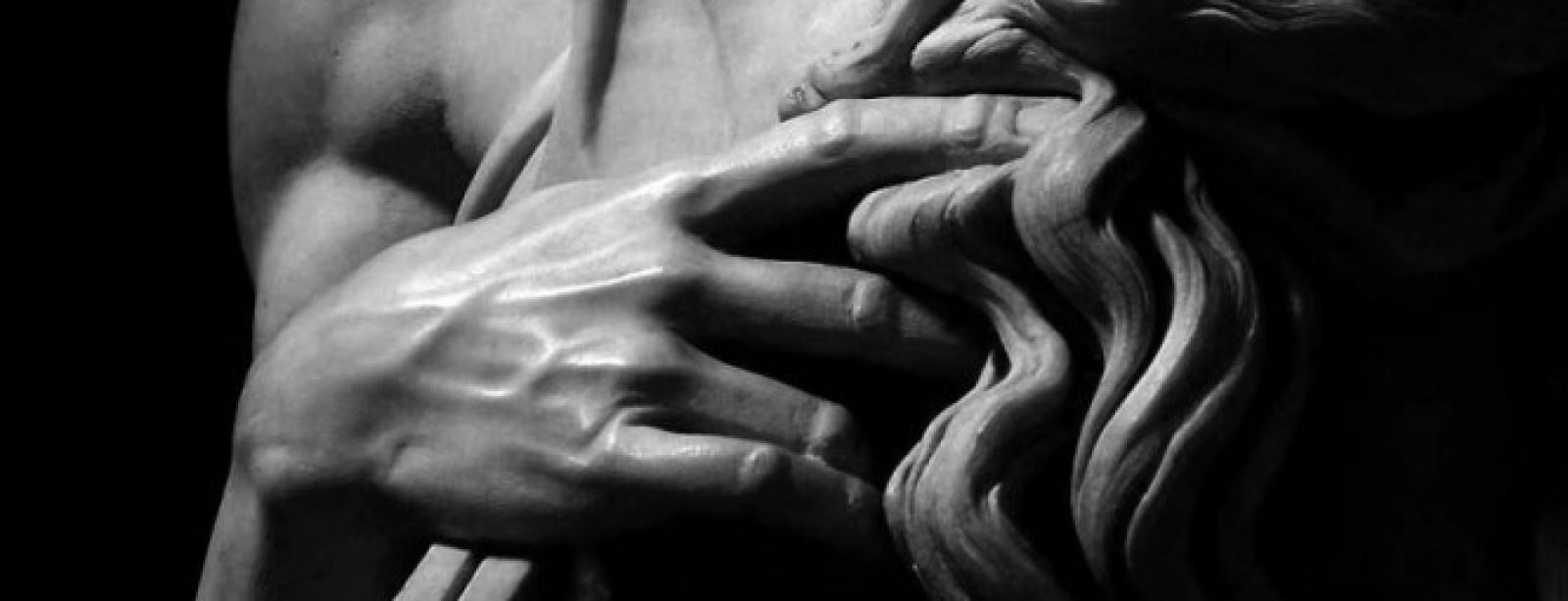
Commozione e devozione sono i sentimenti che suscita a prima vista la mia Pietà Vaticana, un po’ come sosteneva Stendhal.
Continuandola a osservare poi sorgono nell’animo umano di ciascuno che vi si trova dinnanzi altre emozioni e sensazioni che molto dipendono dalle esperienze personali e dalla propria sensibilità.
Giovanni Papini che dedicò parte della sua vita a studiare la mia, nel 1959 ne fece una descrizione che ancora oggi tocca le corde più profonde dell’animo umano.

“Con questa Pietà il Buonarroti s’è trasferito tutto nella luce cristiana della Passione. Il volto verginale della Vergine, reclinato verso la spenta umanità del Figliuolo, parla in quella sua silenziosa e pallida fermezza un linguaggio che tocca il fondo delle anime. V’è dolore ma quasi trattenuto e contenuto da qualcosa ch’è più forte della stessa angoscia materna; v’è una mestizia soave non sfigurata da nessun elemento troppo umani; v’è la bellezza casta della donna giovane ma così pura che sembra il riflesso di un mondo che non è ancora il cielo ma non è più la terra.
La Madonna tiene in grembo il Figlio con lo stesso atteggiamento di tenerezza di quando era bambino ma il viso non è più lieto come allora e la mano sinistra, invece di essere intenta alla carezza, è distesa di fuori, con la palma aperta, come quella d’una povera che chiede la carità.
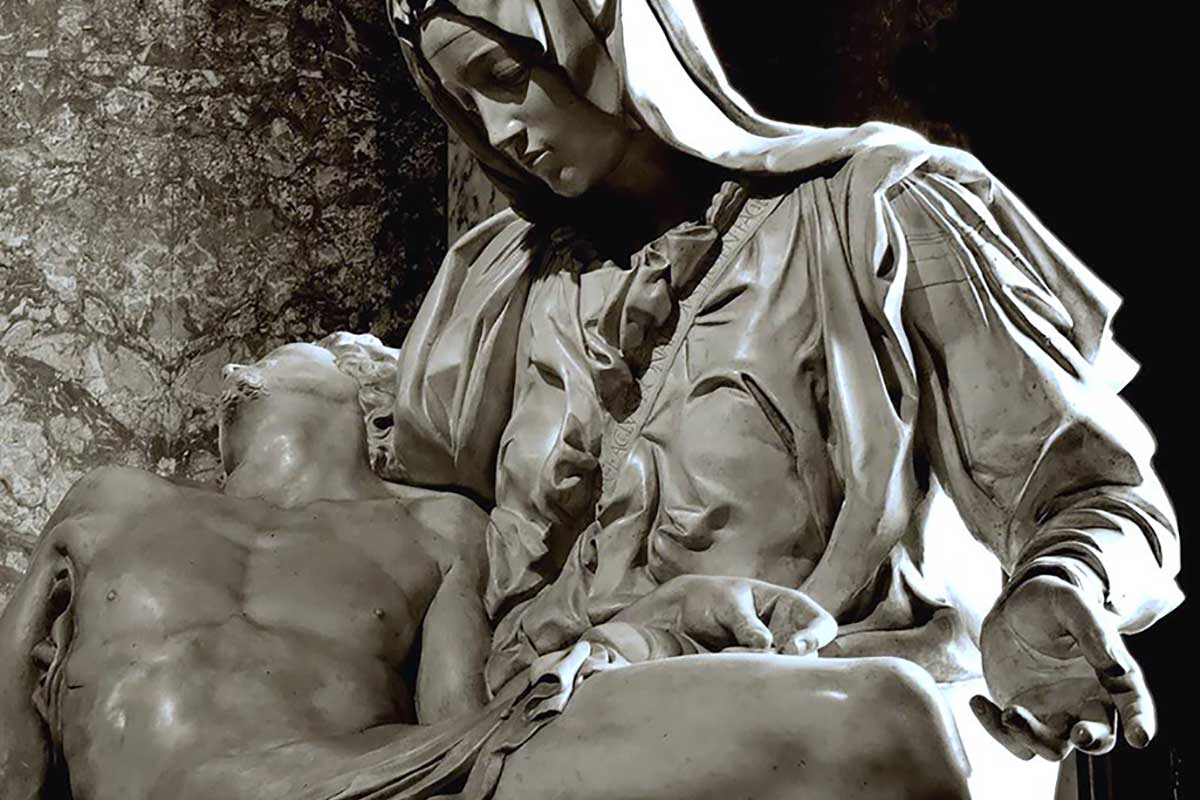
Tutto il gruppo è soffuso da una taciturna e luminosa maestà, che lo fa sembrare collocato in una solitudine soprannaturale.
Cristo è morto e par che l’amore stesso che unisce gli uomini a Dio sia sospeso e interrotto, in quella pausa di apparente abbandono, che si apre, come un abisso, tra la Crocifissione e la Resurrezione.
Il Dio, sia pure per poche ore, è assente e l’umanità sbigottisce nell’attesa.”
Per il momento il vostro Michelangelo Buonarroti vi saluta dandovi appuntamento ai prossimi post e suo social.

Sublime and terrible
Emotion and devotion are the feelings that my Vatican Pietà arouses at first sight, a bit like Stendhal claimed.
By continuing to observe it, other emotions and sensations arise in the human soul of each person who finds themselves in front of it, which greatly depend on personal experiences and one’s own sensitivity.
Giovanni Papini, who dedicated part of his life to studying mine, made a description of it in 1959 that still today touches the deepest chords of the human soul.
“With this Pietà Buonarroti has moved everything into the Christian light of the Passion. The virginal face of the Virgin, inclined towards the dull humanity of the Son, speaks in her silent and pale firmness a language that touches the depths of souls. There is pain but it is almost held back and contained by something that is stronger than maternal anguish itself; there is a sweet sadness not disfigured by any too human elements; there is the chaste beauty of the young woman but so pure that it seems the reflection of a world that is not yet the sky but is no longer the earth.
The Madonna holds her Son in her lap with the same attitude of tenderness as when he was a child but her face is no longer as happy as it was then and her left hand, instead of being intent on caressing, is extended outwards, with the palm open, like the one of a poor woman asking for charity.
The whole group is suffused with a taciturn and luminous majesty, which makes them seem to be placed in a supernatural solitude. Christ died and it seems that the very love that unites men to God is suspended and interrupted, in that pause of apparent abandonment, which opens, like an abyss, between the Crucifixion and the Resurrection.
The God, even if for a few hours, is absent and humanity is dismayed while waiting.”
For the moment, your Michelangelo Buonarroti greets you and will meet you in the next posts and on his social media.

Sostienici – Support Us
Se questo blog ti piace e ti appassiona, puoi aiutarci a farlo crescere sempre più sostenendoci in modo concreto condividendo i post, seguendo le pagine social e con un contributo che ci aiuta ad andare avanti con il nostro lavoro di divulgazione. . ENGLISH: If you like and are passionate about this blog, you can help us make it grow more and more by supporting us in a concrete way by sharing posts, following social pages and with a contribution that helps us to move forward with our dissemination work.
8,00 €
-
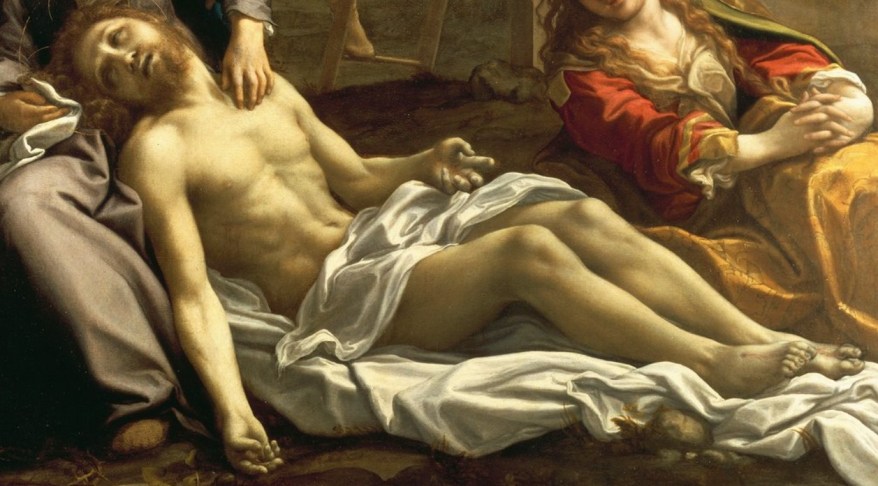
Il Compianto sul Cristo morto di Correggio: pathos e devozione
🇮🇹Con l’inizio della Settimana Santa, vi propongo il Compianto sul Cristo morto di Antonio Allegri, più noto come il Correggio: uno dei vertici assoluti della pittura emiliana del Cinquecento… 🇬🇧With the beginning of Holy Week, I propose the Lamentation over the Dead Christ by Antonio Allegri, better known as Correggio: one of the absolute peaks…
-
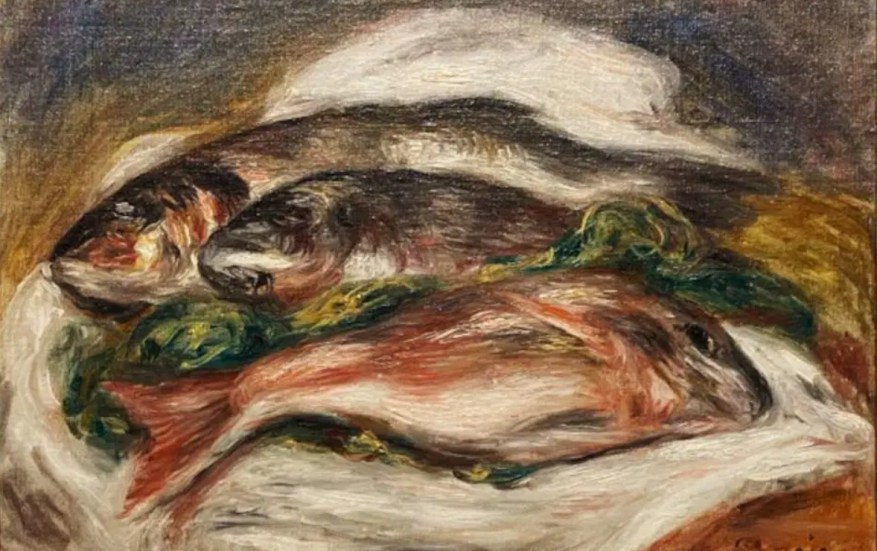
Furto milionario alla Magnani Rocca: rubati Renoir, Cézanne e Matisse
🇮🇹‼Tre capolavori storici spariti in meno di tre minuti: Les Poissons di Renoir, Tasse et plat de cerises di Cézanne e Odalisque sur la terrasse di Matisse sono stati rubati nella dalla Fondazione Magnani Rocca a Mamiano di Traversetolo, nel Parmense… 🇬🇧‼Three historic masterpieces disappeared in less than three minutes: Renoir’s Les Poissons, Cézanne’s Tasse…
-
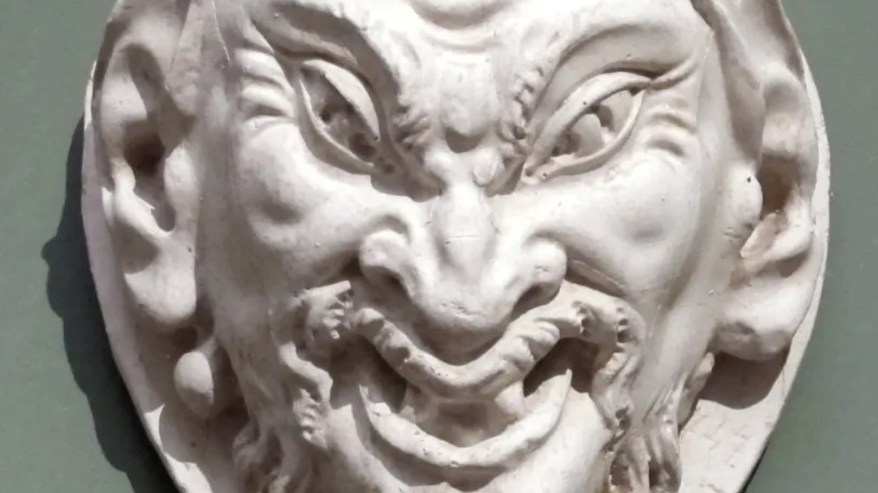
Fauno rubato: 15.000$ per ritrovarlo dopo 80 anni
🇮🇹Ero un ragazzino quando scolpii il Mascherone del Fauno sdentato. Oggi quel volto è perduto, rubato nella notte della guerra e da oltre 80 anni nessuno sa dove sia. Ora una ricompensa di 15.000$ riaccende la ricerca… 🇬🇧I was a boy when I sculpted the Toothless Faun Mask. Today that face is lost, stolen on…
Condividi:


Questo sono io





sostienici

Sostienici – Support Us
Se questo blog ti piace e ti appassiona, puoi aiutarci a farlo crescere sempre più sostenendoci in modo concreto condividendo i post, seguendo le pagine social e con un contributo che ci aiuta ad andare avanti con il nostro lavoro di divulgazione. . ENGLISH: If you like and are passionate about this blog, you can help us make it grow more and more by supporting us in a concrete way by sharing posts, following social pages and with a contribution that helps us to move forward with our dissemination work.
€10,00


