
La Scultura del giorno: San Francesco di Niccolò dell’Arca
La scultura del giorno che vi propongo oggi 4 ottobre non poteva che essere il San Francesco scolpito da Niccolò dell’Arca, al secolo Niccolò de Apulia.
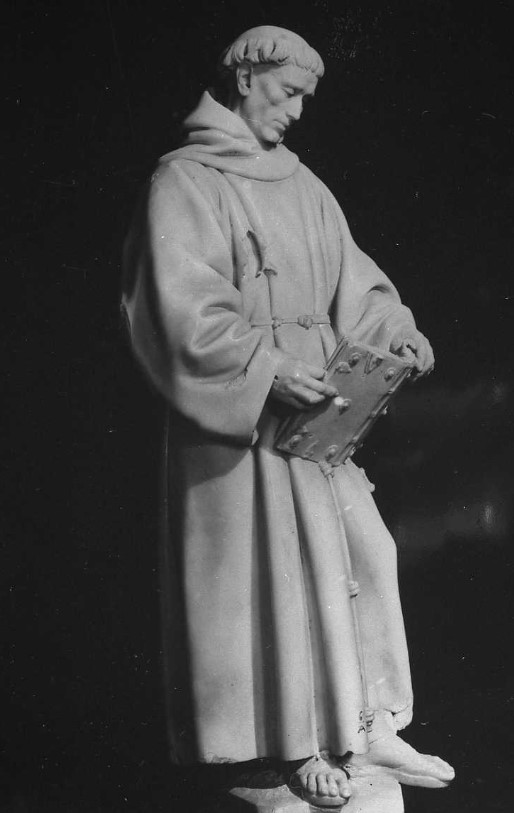
E’ un’opera a tutto tondo sante che si rivolge allo spettatore di tre quarti. Indossa una tonaca leggermente movimentata da ampie pieghe e stretta in vita dal cordone con i caratteristici cinque nodi dell’ordine fondato dal Santo che ricordano il numero delle stimmate di Cristo.
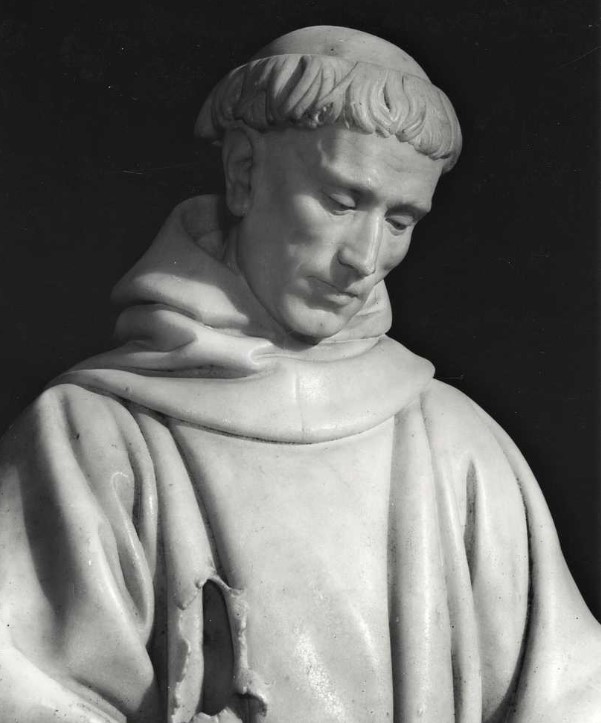
La tonaca di San Francesco è lacera all’altezza del costato.
Il Santo ha il capo leggermente inclinato verso sinistra e non c’è traccia di barba sul volto. Niccolò dell’Arca lo scolpì intento a leggere il libro che tiene aperto con entrambe le mani appoggiandolo contro la gamba sinistra, più avanzata dell’altra.
La scultura di San Francesco fa parte del complesso dell’Arca al quale anni dopo lavorai anch’io.
La grandiosa struttura fu commissionata nel 1469 all’artista quando il Governatore e il Reggimento della città decisero di elevare un fastoso coronamento per completare l’arca duecentesca di Nicola Pisano, realizzata con l’aiuto dei suoi più fidati collaboratori.
Il coronamento dell’Arca fu messo in opera il 16 luglio del 1473 e l’artista impiegò quattro anni di lavoro invece dei due prestabiliti da contratto. Alla fine riuscì a portare a termine il coronamento comprensivo di sedici delle ventuno sculture previste.

In queste sedici opera era compreso per l’appunto anche il San Francesco abbigliati con il saio dell’ordine che lui stesso fondò.
Per il momento il vostro Michelangelo Buonarroti vi saluta dandovi appuntamento ai prossimi post e sui social.

Sculpture of the day: Saint Francis by Niccolò dell’Arca
The sculpture of the day that I propose to you today, October 4th, could only be the Saint Francis sculpted by Niccolò dell’Arca, born Niccolò de Apulia.
It is a work in the round that addresses the viewer from three quarters. He wears a tunic slightly enlivened by wide folds and tightened at the waist by the cord with the characteristic five knots of the order founded by the Saint which recall the number of Christ’s stigmata.
St. Francis’ tunic is torn at the side.
The Saint has his head tilted slightly to the left and there is no trace of a beard on his face. Niccolò dell’Arca sculpted him intent on reading the book which he holds open with both hands, resting it against his left leg, which is more advanced than the other.
The sculpture of San Francesco is part of the Ark complex on which I also worked years later.
The grandiose structure was commissioned to the artist in 1469 when the Governor and the Regiment of the city decided to raise a sumptuous crown to complete Nicola Pisano’s thirteenth-century ark, built with the help of his most trusted collaborators.
The crowning of the Ark was completed on 16 July 1473 and the artist took four years of work instead of the two pre-established by the contract. In the end he managed to complete the crown including sixteen of the twenty-one planned sculptures.
These sixteen works also included Saint Francis dressed in the habit of the order that he himself founded.
For the moment, your Michelangelo Buonarroti greets you and will meet you in future posts and on social media.

Sostienici – Support Us
Se questo blog ti piace e ti appassiona, puoi aiutarci a farlo crescere sempre più sostenendoci in modo concreto condividendo i post, seguendo le pagine social e con un contributo che ci aiuta ad andare avanti con il nostro lavoro di divulgazione. . ENGLISH: If you like and are passionate about this blog, you can help us make it grow more and more by supporting us in a concrete way by sharing posts, following social pages and with a contribution that helps us to move forward with our dissemination work.
8,00 €
-
La Pietà di Tincolini: a Pontedera l’arte torna a fare domande scomode
🇮🇹“Pietà”, la scultura di Filippo Tincolini, insieme alle parole di Federico Quaranta e Andrea Pezzi, non è stato solo uno spettacolo. È stata una domanda lanciata in faccia al pubblico, impossibile da evitare: siamo ancora capaci di provare pietà? 🇬🇧 “Pietà,” Filippo Tincolini’s sculpture, along with the words of Federico Quaranta and Andrea Pezzi, wasn’t…
-
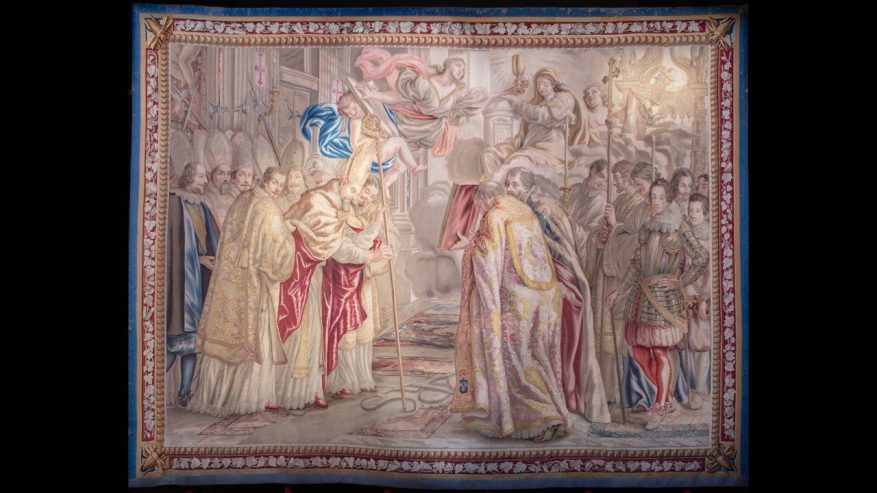
Ai Musei Vaticani i fasti barocchi di Urbano VIII: in mostra gli arazzi della manifattura Barberini
🇮🇹A quattro secoli dalla consacrazione della Basilica di San Pietro, i Musei Vaticani dedicano una mostra all’Arazzeria Barberini, simbolo di una cultura visiva capace di fondere magnificenza estetica e affermazione politica… 🇬🇧Four centuries after the consecration of St. Peter’s Basilica, the Vatican Museums are dedicating an exhibition to the Barberini Tapestry Factory, a symbol of…
-
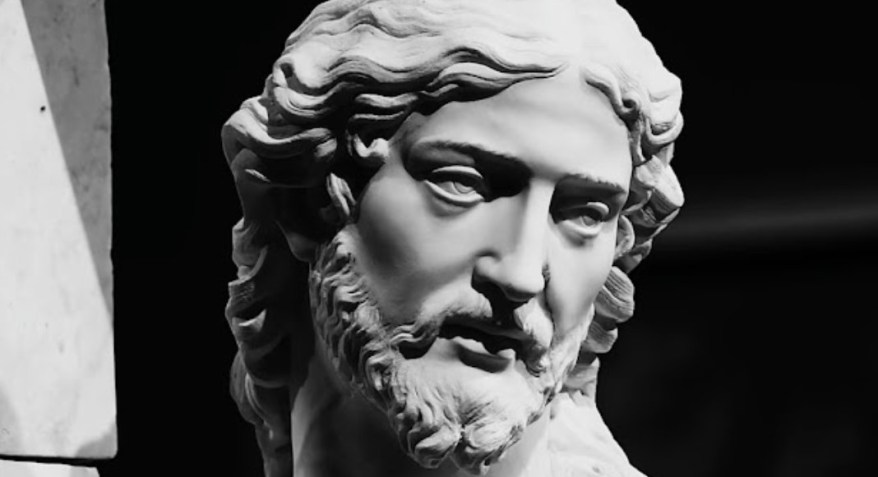
Le Opere della Pasqua: come la Resurrezione ha ispirato Arte e Cultura
🇮🇹La Pasqua, oltre ad essere una ricorrenza religiosa è un momento in cui la storia, l’arte e la spiritualità si intrecciano per raccontare il fulcro della fede cristiana: la resurrezione di Cristo. .. 🇬🇧Easter, beyond being a religious holiday, is a moment when history, art, and spirituality intertwine to recount the core of the Christian…
Condividi:


Questo sono io





sostienici

Sostienici – Support Us
Se questo blog ti piace e ti appassiona, puoi aiutarci a farlo crescere sempre più sostenendoci in modo concreto condividendo i post, seguendo le pagine social e con un contributo che ci aiuta ad andare avanti con il nostro lavoro di divulgazione. . ENGLISH: If you like and are passionate about this blog, you can help us make it grow more and more by supporting us in a concrete way by sharing posts, following social pages and with a contribution that helps us to move forward with our dissemination work.
€10,00


