

La Scultura del giorno: l’Immortalità di Pio Fedi
La scultura del giorno che vi propongo oggi è l’allegoria dell’Immortalità scolpita da Pio Fedi nel 1886.
Da secoli, un po’ in tutte le culture, la farfalla viene interpretata come allegoria della rinascita e della rigenerazione. Raffigura l’immortalità dell’anima e la sua capacità di trasformarsi senza mai esaurirsi.
A differenza del corpo, l’anima leggera può elevarsi e avere le ali per andare lontano, oltre la propria fisicità.
E’ proprio facendo riferimento a questo concetto che il fiorentino Pio Fedi scolpì la farfalla che si posa sulla mano sinistra della giovane.

Pio Fedi nacque a Viterbo nel 1816 e studiò scultura presso l’Accademia di Belle Arti di Firenze sotto l’eccellente guida di Lorenzo Bartolini, uno dei più grandi maestri dell’epoca.
Successivamente si trasferì a Roma dove conobbe un altro illustre maestro: Pietro Tenerani.

La giovane ritratta da Fedi si porta la mano destra al volto in un atteggiamento che fa pensare alla Danzatrice col dito al mento di Canova, ultimata di scolpire dall’artista di Possagno diversi decenni prima, nel 1814.
Priva di vesti, la giovane ha il pube coperto da un panneggio che scende fino a terra aumentando la superficie che scarica il peso a terra dell’opera ma che non cela alla vista le gambe.

La scultura dell’Immortalità è alta 121 centimetri e non viene annoverata fra le sue opere più celebri alla stregua del Ratto di Polissena al riparo sotto la Loggia dei Lanzi o della Libertà della Poesia nella Basilica di Santa Croce che ispirò poi per progettare la Statua della Libertà di Bartholdi, simbolo di New York.
Ciò non toglie sia una scultura degna di nota, raffinata e particolarmente evocativa.
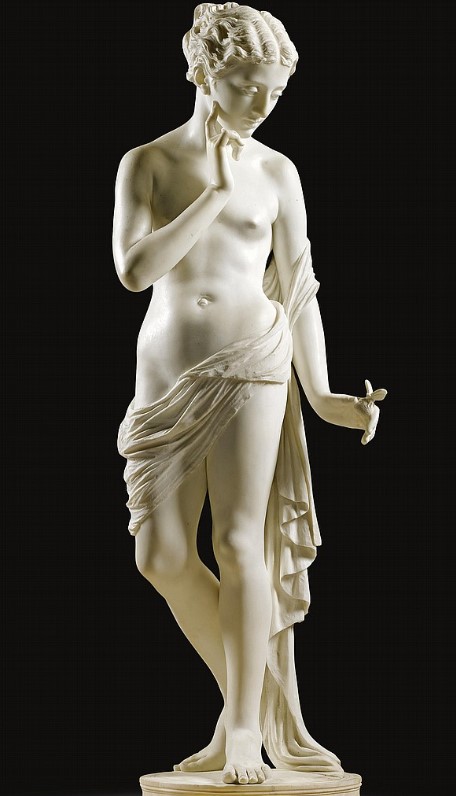
La scultura appartiene a una collezione privata ed è datata e firmata dall’autore stesso sul basamento in questo modo: PROfes:υre / Pio FEDi Fece in FIRenze / – 1886 – L’immoRTÁLiTÁ / ViTÁ DELL’ ÁnimÁ.
Per il momento il vostro Michelangelo Buonarroti vi saluta dandovi appuntamento ai prossimi post e sui social.
Sculpture of the day: the Immortality of Pio Fedi
The sculpture of the day that I propose to you today is the allegory of Immortality sculpted by Pio Fedi in 1886.
For centuries, in almost all cultures, the butterfly has been interpreted as an allegory of rebirth and regeneration. It represents the immortality of the soul and its ability to transform without ever running out.
Unlike the body, the light soul can rise and have wings to go far, beyond its physicality.
It is precisely by referring to this concept that the Florentine Pio Fedi sculpted the butterfly that lands on the young woman’s left hand.
Pio Fedi was born in Viterbo in 1816 and studied sculpture at the Academy of Fine Arts in Florence under the excellent guidance of Lorenzo Bartolini, one of the greatest masters of the time.
Subsequently he moved to Rome where he met another illustrious master: Pietro Tenerani.
The young woman portrayed by Fedi raises her right hand to her face in an attitude that brings to mind Canova’s Dancer with her finger on her chin, completed by the artist from Possagno several decades earlier, in 1814.
Without clothes, the young woman has her pubis covered by a drapery that goes down to the ground but does not hide her legs from view
The sculpture of Immortality is 121 centimeters high and is not counted among his most famous works like the Rape of Polissena sheltered under the Loggia dei Lanzi or the Freedom of Poetry in the Basilica of Santa Croce which later inspired the design of the Statue of Bartholdi Liberty, symbol of New York.
This does not mean that it is not a sculpture worthy of note, refined and particularly evocative.
The sculpture belongs to a private collection and is dated and signed by the author himself on the base in this way: PROfes:υre / Pio FEDi Fece in FIRenze / – 1886 – L’immoRTÁLiTÁ / ViTÁ DELL’ ÁnimÁ.
For the moment, your Michelangelo Buonarroti greets you and will meet you in future posts and on social media.

Sostienici – Support Us
Se questo blog ti piace e ti appassiona, puoi aiutarci a farlo crescere sempre più sostenendoci in modo concreto condividendo i post, seguendo le pagine social e con un contributo che ci aiuta ad andare avanti con il nostro lavoro di divulgazione. . ENGLISH: If you like and are passionate about this blog, you can help us make it grow more and more by supporting us in a concrete way by sharing posts, following social pages and with a contribution that helps us to move forward with our dissemination work.
8,00 €
-
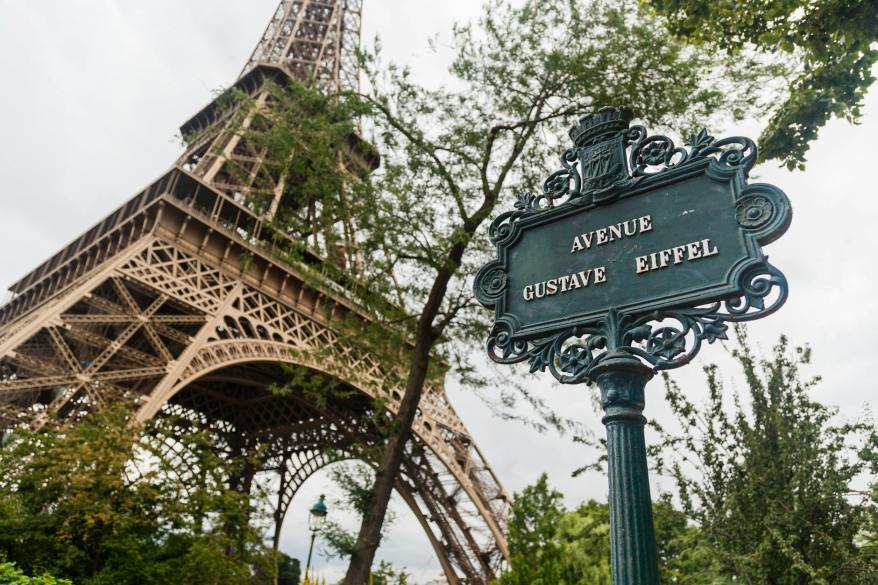
31 marzo 1889: inaugurata la Torre Eiffel tra critiche feroci e un destino inaspettato
🇮🇹Il 31 marzo 1889 segna una data destinata a cambiare per sempre il volto di Parigi e dell’immaginario collettivo globale: viene inaugurata la Torre Eiffel, l’opera più audace e discussa del suo tempo… 🇬🇧March 31, 1889 marks a date destined to change the face of Paris and the global collective imagination forever: the Eiffel Tower,…
-
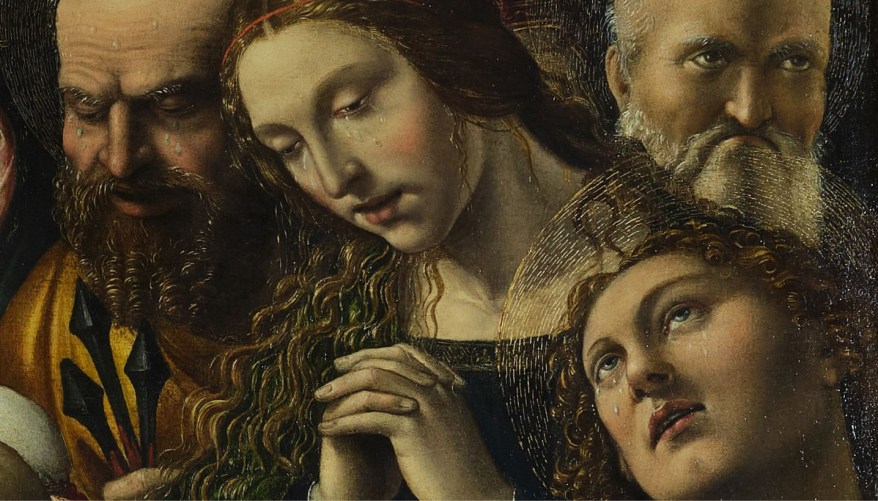
Sodoma in mostra a Torino: il Rinascimento al Museo Accorsi-Ometto
🇮🇹Al Museo di Arti Decorative Accorsi-Ometto arriva una mostra dedicata al Sodoma: oltre 50 opere, alcune mai viste prima, raccontano la formazione dell’artista e il suo dialogo con maestri come Pinturicchio… 🇬🇧An exhibition dedicated to Sodoma arrives at the Accorsi-Ometto Museum of Decorative Arts: over 50 works, some never before seen, recount the artist’s development…
-
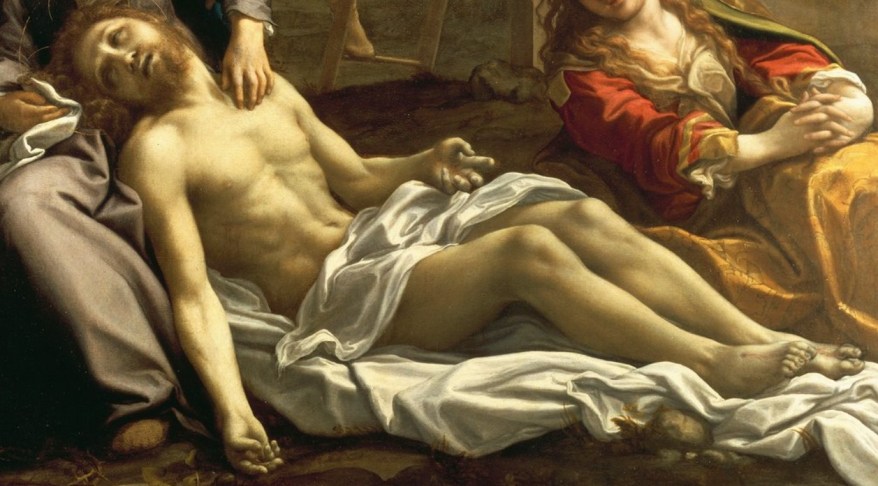
Il Compianto sul Cristo morto di Correggio: pathos e devozione
🇮🇹Con l’inizio della Settimana Santa, vi propongo il Compianto sul Cristo morto di Antonio Allegri, più noto come il Correggio: uno dei vertici assoluti della pittura emiliana del Cinquecento… 🇬🇧With the beginning of Holy Week, I propose the Lamentation over the Dead Christ by Antonio Allegri, better known as Correggio: one of the absolute peaks…
Condividi:


Questo sono io





sostienici

Sostienici – Support Us
Se questo blog ti piace e ti appassiona, puoi aiutarci a farlo crescere sempre più sostenendoci in modo concreto condividendo i post, seguendo le pagine social e con un contributo che ci aiuta ad andare avanti con il nostro lavoro di divulgazione. . ENGLISH: If you like and are passionate about this blog, you can help us make it grow more and more by supporting us in a concrete way by sharing posts, following social pages and with a contribution that helps us to move forward with our dissemination work.
€10,00


