
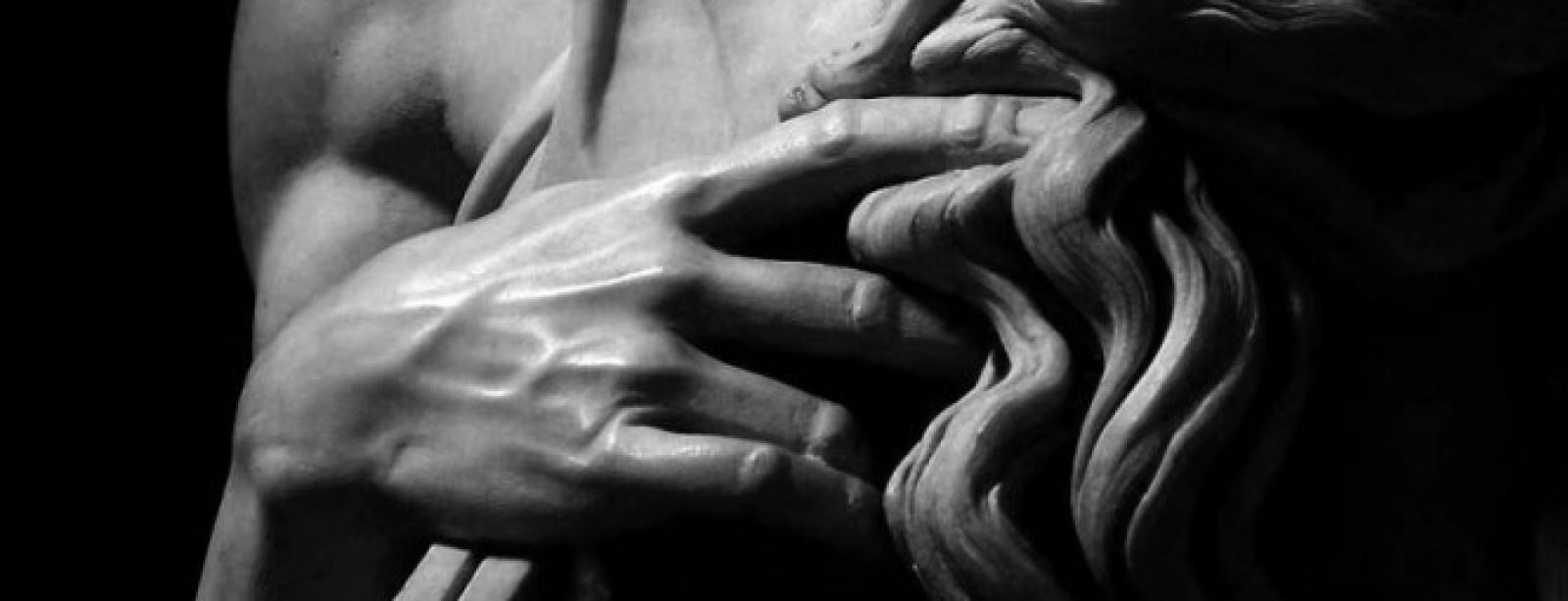
Adamo cacciato dal Paradiso: ecco lo studio
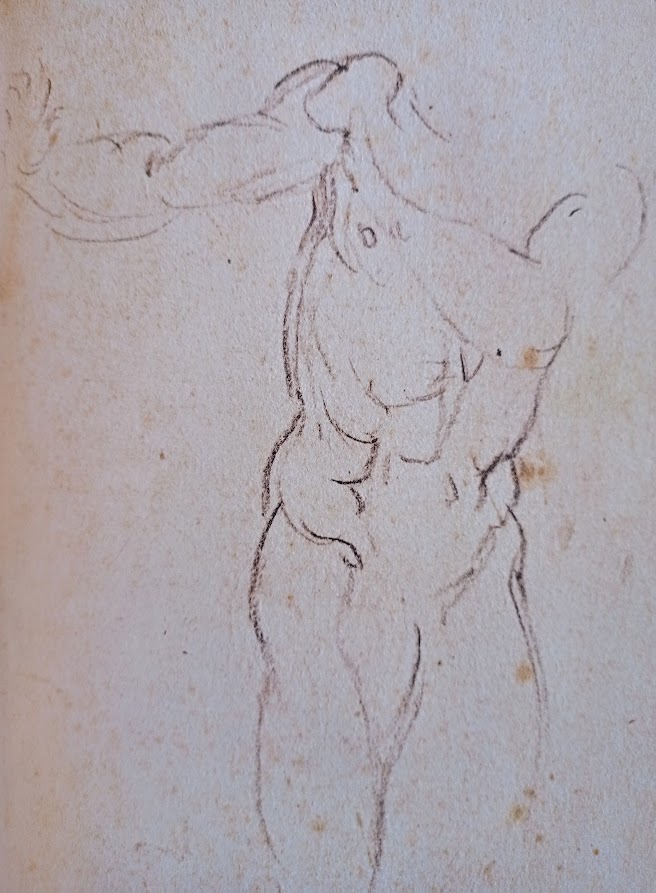
Il disegno che vi propongo oggi appartiene a Casa Buonarroti e lo tracciai fra il 1509 e il 1510.
Raffigura una figura virile completamente priva di vesti che si sta allontanando da qualcosa o qualcuno, posizionando le mani e le braccia in atteggiamento di protezione.
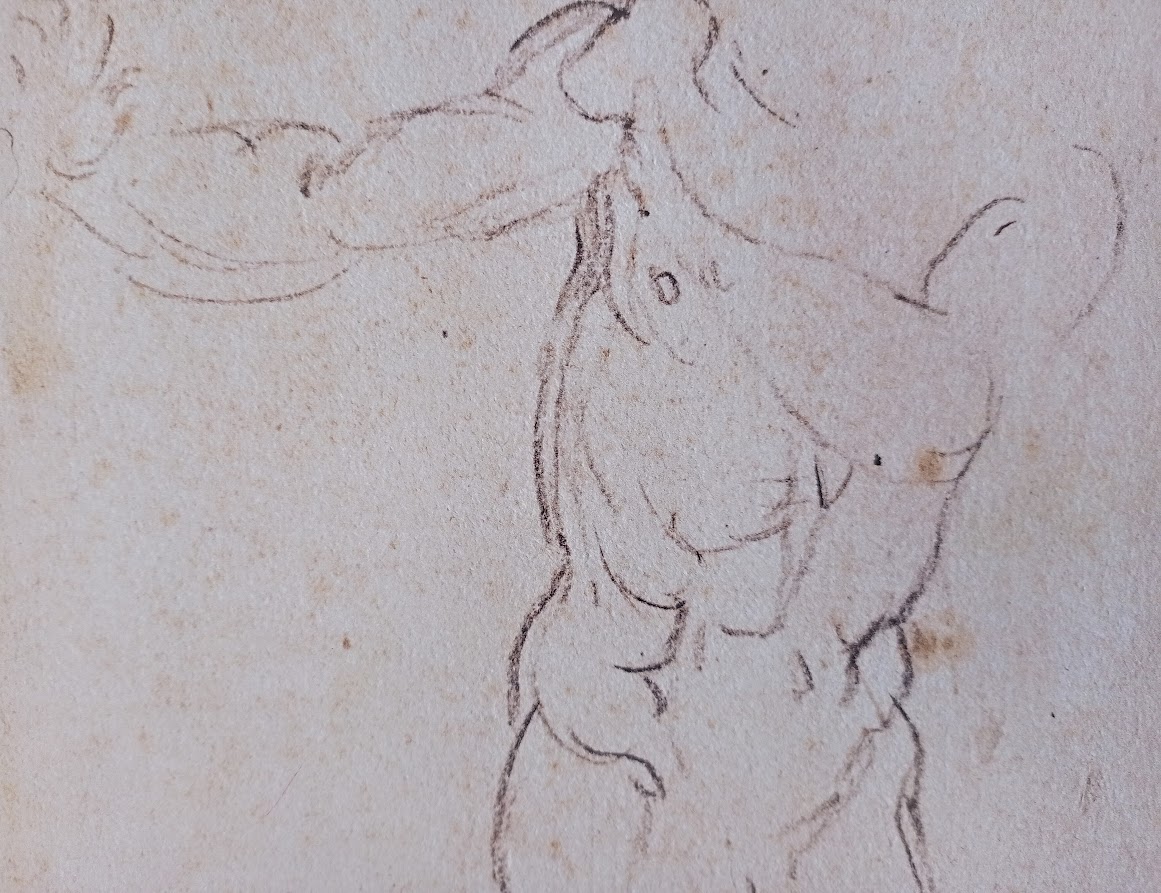
Si tratta dello studio che realizzai prima di mettere mano al cartone destinato al riquadro della Cacciata dal Paradiso Terrestre che affrescai succesivamente nella volta della Cappella Sistina.
Le linee nette che definiscono soprattutto il torso, rendono bene sia l’idea della muscolatura che il sentimento di sconforto che sta attraversando il personaggio in questione, Adamo.
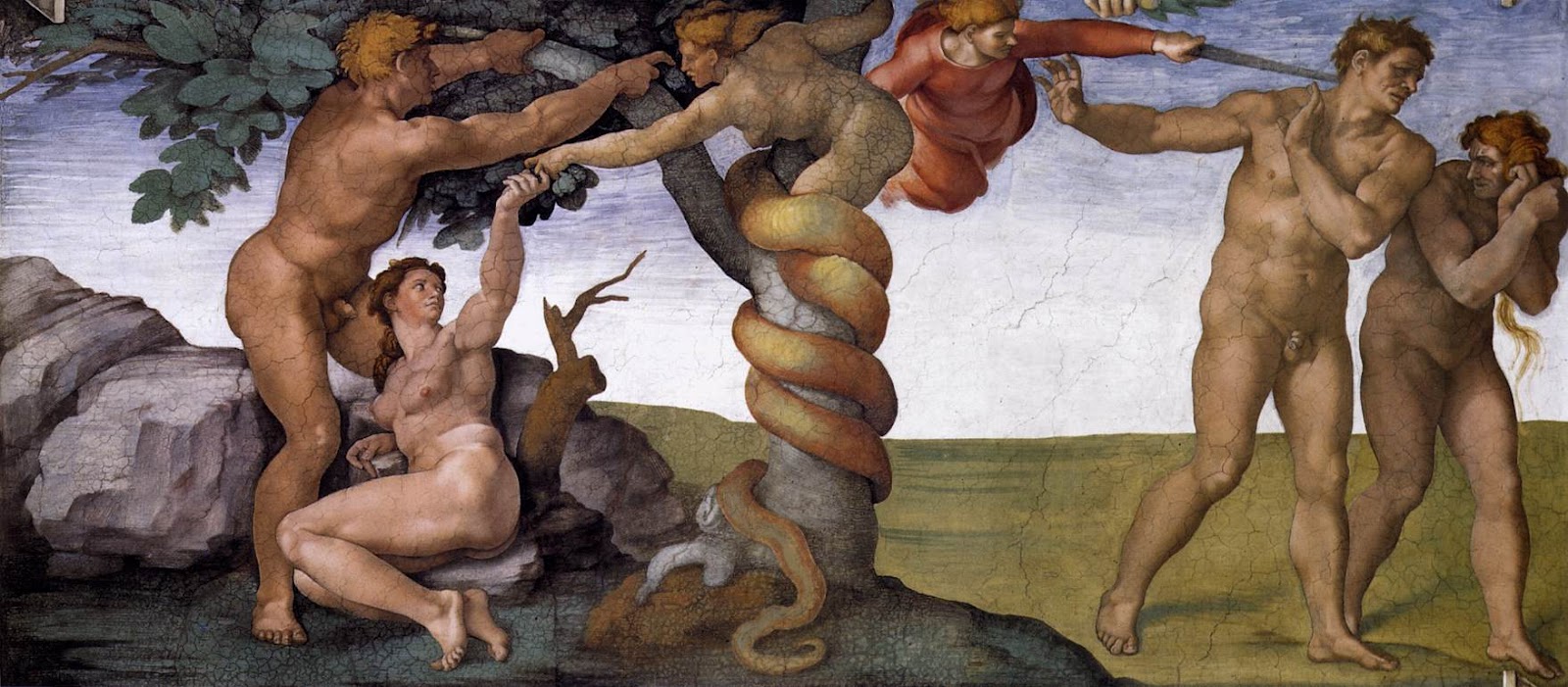
Mentro il primo uomo del mondo esce di scena come in atto teatrale assieme ad Eva, con le mani pare volere allontanare l’angelo che li sta cacciando dal Paradiso.
Con rapidità del segno lasciato sul foglio dal carboncino con ripensamenti minimi rende l’idea della plasticità del corpo umano. La stessa impostazione poi la diedi all’Adamo della volta e la sua immediatezza nei tratti dell’affresco un po’ si perse.
Per il momento il vostro Michelangelo Buonarroti vi saluta dandovi appuntamento ai prossimi post e sui social.
Adam expelled from Paradise: here is the study
The drawing that I am proposing to you today belongs to Casa Buonarroti and I drew it between 1509 and 1510.
It depicts a virile figure completely without clothes who is moving away from something or someone, positioning his hands and arms in a protective attitude.
This is the study I made before starting the cartoon intended for the panel of the Expulsion from the Earthly Paradise which I subsequently frescoed in the vault of the Sistine Chapel.
The clear lines that especially define the torso convey well both the idea of the muscles and the feeling of despondency that the character in question, Adam, is going through.
While the first man in the world leaves the scene as if in a theatrical act together with Eve, with his hands he seems to want to ward off the angel who is chasing them out of Paradise.
With the rapidity of the mark left on the sheet by the charcoal with minimal second thoughts, it gives the idea of the plasticity of the human body. I then gave the same setting to the Adam of the vault and his immediacy.
For the moment, your Michelangelo Buonarroti greets you by making an appointment for the next posts and on social media.

Sostienici – Support Us
Se questo blog ti piace e ti appassiona, puoi aiutarci a farlo crescere sempre più sostenendoci in modo concreto condividendo i post, seguendo le pagine social e con un contributo che ci aiuta ad andare avanti con il nostro lavoro di divulgazione. . ENGLISH: If you like and are passionate about this blog, you can help us make it grow more and more by supporting us in a concrete way by sharing posts, following social pages and with a contribution that helps us to move forward with our dissemination work.
8,00 €
-
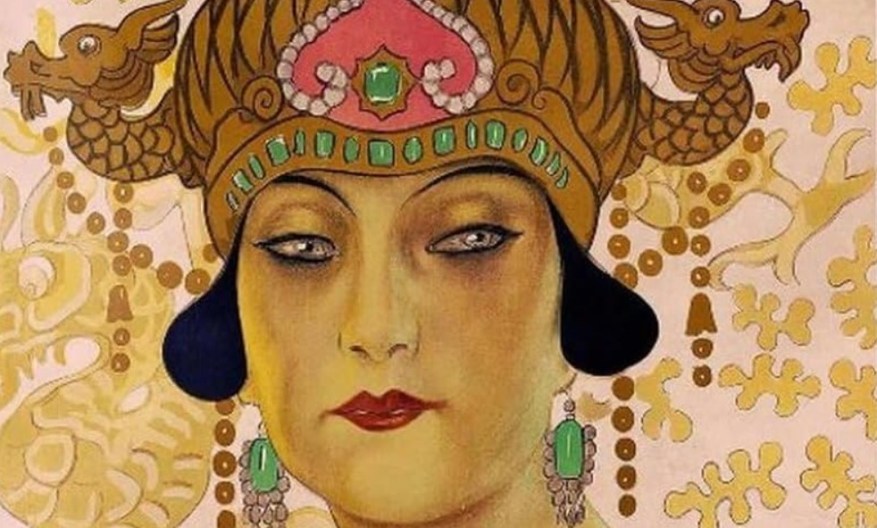
“Qui finisce l’opera”: il segreto di Turandot rivive a Lucca 100 anni dopo
🇮🇹A Lucca, nel Puccini Museum – Casa Natale, una mostra evento riporta in vita il capolavoro incompiuto di Giacomo Puccini tra costumi originali, gioielli e segreti della prima al Teatro alla Scala.. 🇬🇧In Lucca, at the Puccini Museum – Birthplace, an exhibition event brings Giacomo Puccini’s unfinished masterpiece back to life with original costumes, jewels,…
-
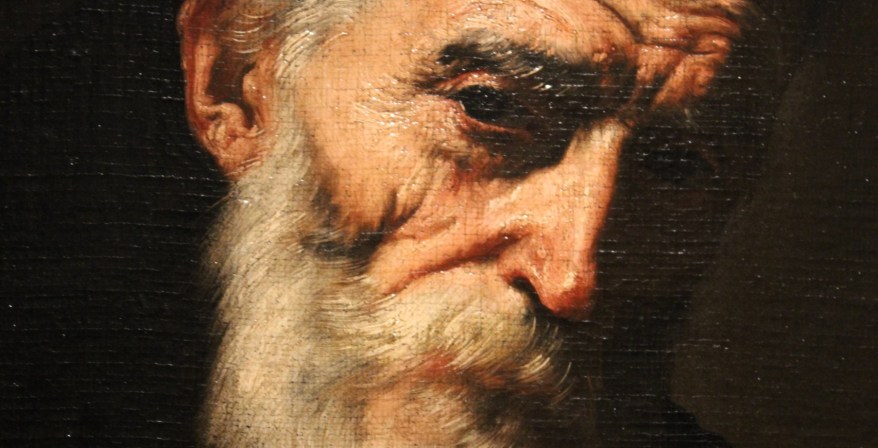
Il realismo che trafigge l’anima: il Sant’Antonio abate di Jusepe de Ribera
🇮🇹Il Sant’Antonio abate di Ribera non si guarda, si sente sottopelle. Rughe, luce, verità. E quegli occhi che raccontano… 🇬🇧You can’t look at Ribera’s Saint Anthony the Abbot, you can feel it under your skin. Wrinkles, light, truth. And those eyes that tell a story…
-
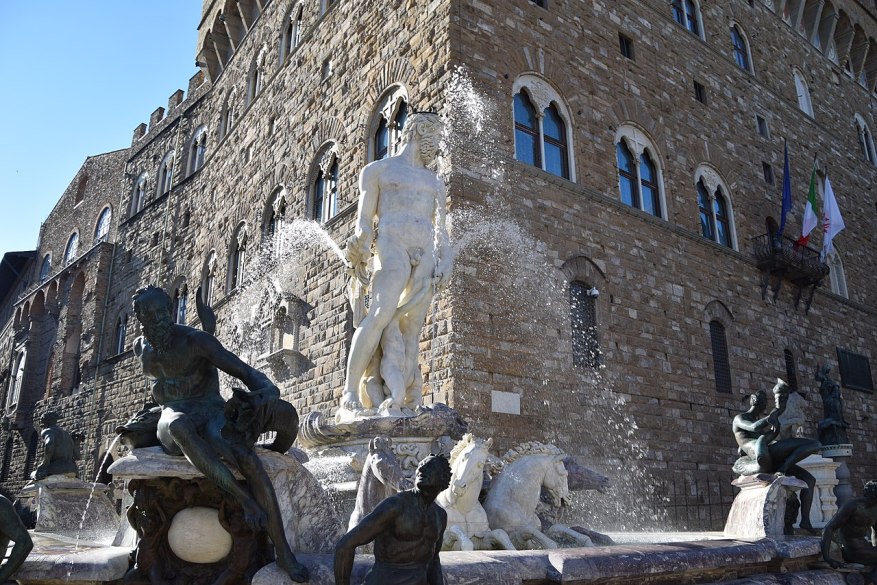
13 aprile 1592: muore Ammannati, il genio del “Biancone” tra capolavori e feroci critiche
🇮🇹Il 13 aprile 1592 si spegneva a Firenze Bartolomeo Ammannati, uno dei protagonisti più complessi e discussi del Rinascimento italiano. Morì nella sua casa di Via della Stufa… 🇬🇧On April 13, 1592, Bartolomeo Ammannati, one of the most complex and controversial figures of the Italian Renaissance, passed away in Florence. He died in his home…
Condividi:


Questo sono io





sostienici

Sostienici – Support Us
Se questo blog ti piace e ti appassiona, puoi aiutarci a farlo crescere sempre più sostenendoci in modo concreto condividendo i post, seguendo le pagine social e con un contributo che ci aiuta ad andare avanti con il nostro lavoro di divulgazione. . ENGLISH: If you like and are passionate about this blog, you can help us make it grow more and more by supporting us in a concrete way by sharing posts, following social pages and with a contribution that helps us to move forward with our dissemination work.
€10,00


