

La Scultura del giorno: la Nike di Samotracia
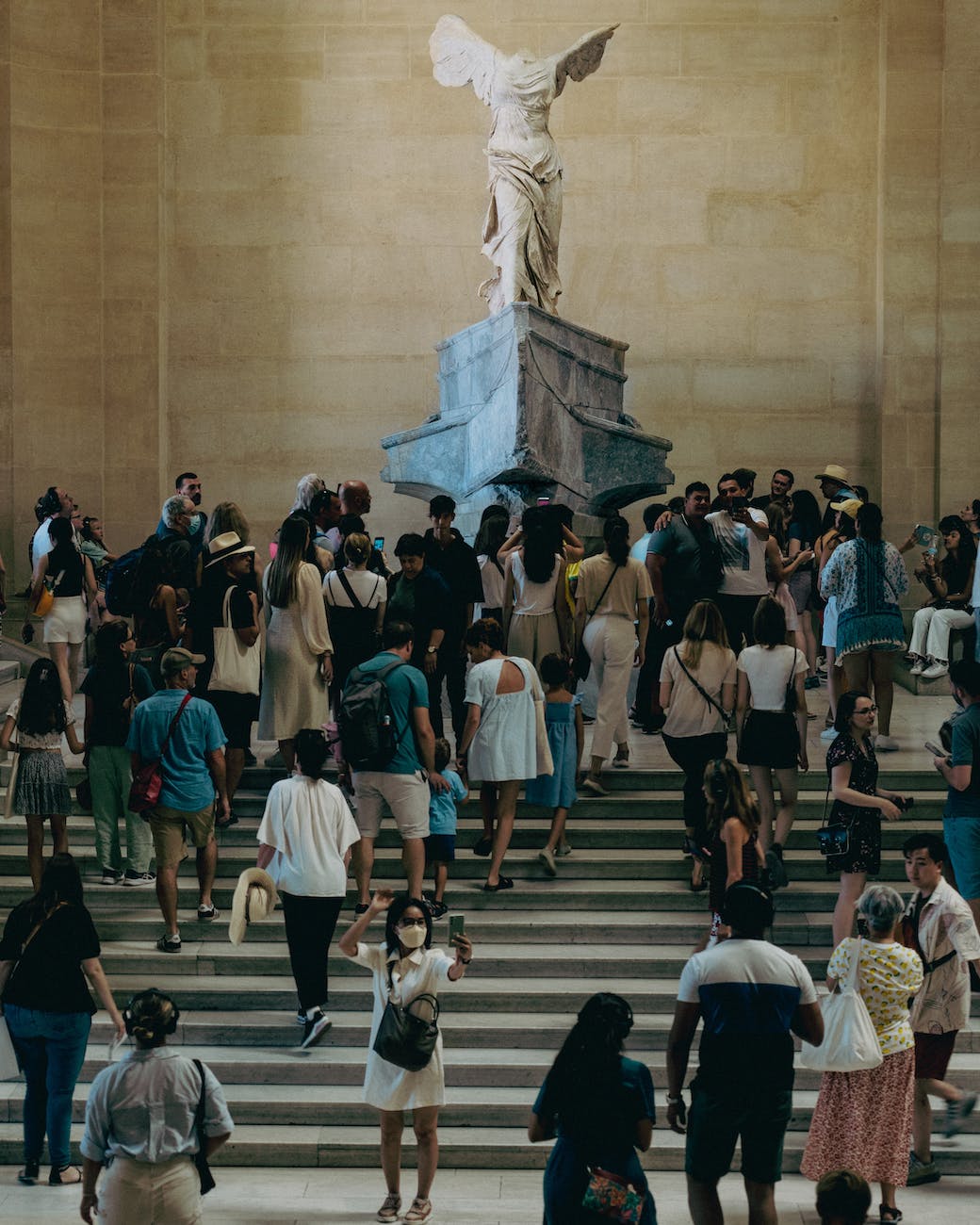
La scultura di cui vi voglio parlare oggi è la Nike di Samotracia, nota anche come la Vittoria alata, datata fra il 200 e il 180 avanti Cristo di scuola rodia e che erroneamente viene attribuita talvolta a Pitocrito.
La Nike che si eleva dal piedistallo con i suoi 2 metri e 45, fu scolpita nel marmo pario ovvero un marmo a grana sottile molto pregiato proveniente dalle cave dell’isola di Paro, in Grecia.

La preziosa scultura, rinvenuta senza testa e senza braccia, rappresenta la dea Nike, figlia alata del titano Pallante e di Stige, una ninfa. Era adorata dai greci in qualità di personificazione delle vittorie sportive e belliche.
La divinità è abbigliata con un chitone molto leggero e ritratta in atto di posarsi dopo il volo sulla prua di una nave da guerra. La prua le fa da basamento ed è scolpita in marmo di Larthos, proveniente dall’Isola di Rodi.

Poggia il piede destro sulla prua mentre frena l’atterraggio con il battito delle ali, protendendo il petto in avanti.
Se osservate bene la figura di Nike, noterete che investita da un vento sostenuto che le muove la veste facendola aderire al corpo, mettendo in evidenza le forme sinuose.

La Nike fu scolpita molto probabilmente a Rodi in epoca ellenistica con lo scopo di commemorare la vittoria riportata durante la battaglia dell’Eurimedonte in cui si scontrarono la flotta del re Antioco III guidata da Annibale e la flotta più piccola proveniente da Rodi che da non molto si era schierata con ROma.
Lo scultore tutt’ora rimane ignoto sebbene per tradizione popolare venga attribuita a Pitocrito per un errore direttamente collegato al frammento catalogato come Louvre Ma4194 che però non appartiene in alcun modo al complesso della Nike di Samotracia.

La scultura era ubicata all’interno del santuario dei Grandi Dei di Samotracia ma dopo diversi secoli scomparve letteralmente fino a quando fu rinvenuta a pezzi il 15 aprile del 1867 dal viceconsole francese Charles Champoiseau.
Successivamente la scultura fu comprata dai francesi per essere destinata al Museo del Louvre dove ebbe modo di arrivare dopo un viaggio complesso.

Una volta in Francia, la Nike fu ricomposta presso la Ville Lumière e poi collocata al vertice della scala Daru, progettata da Hector Lefuel per raccordare la Galerie d’Apollon e il Salon Carré.
Dalla nuova sede del Louvre la Nike venne spostata solo una volta, nel 1939, quando per proteggerla da eventuali bombardamenti e possibili trafugamenti fu collocata nel Castello di Valencay.
La scultura fu sottoposta a un importante intervento di restauro iniziato nel 2013 e ultimato nel 2014 per un costo complessivo di 4milioni di euro.
Per il momento il vostro Michelangelo Buonarroti vi saluta dandovi appuntamento ai prossimi post e sui social.

Sculpture of the day: the Nike of Samothrace
The sculpture I want to tell you about today is the Nike of Samothrace, also known as the winged Victory, dated between 200 and 180 BC of the Rhodian school and which is sometimes mistakenly attributed to Pitocrito.
The Nike which rises from the pedestal with its 2 meters and 45, was carved in Parian marble or a very fine-grained very fine marble from the quarries of the island of Paros in Greece.
The precious sculpture, found without a head or arms, represents the goddess Nike, the young winged daughter of the Titan Pallas and Styx, a nymph. She was worshiped by the Greeks as the personification of sporting and war victories.
The divinity is dressed in a very light chiton and portrayed in the act of posing after the flight on the prow of a warship. The prow acts as a base and is carved in Larthos marble, from the island of Rhodes.
She places her right foot on the bow as she brakes the landing with the flapping of her wings, thrusting her chest forward.
If you look closely at Nike’s figure, you will notice that she is hit by a sustained wind that moves her dress making it adhere to her body, highlighting her sinuous shapes.
The Nike was most likely sculpted in Rhodes in the Hellenistic era with the aim of commemorating the victory achieved during the battle of the Eurymedon in which the fleet of King Antiochus III led by Hannibal and the smaller fleet from Rhodes collided. had sided with Rome.
The sculptor still remains unknown although according to popular tradition it is attributed to Pitocrito due to an error directly connected to the fragment cataloged as Louvre Ma4194 which however does not in any way belong to the complex of the Nike of Samothrace.
The sculpture was located inside the sanctuary of the Great Gods of Samothrace but after several centuries it literally disappeared until it was found in pieces on April 15, 1867 by the French vice-consul Charles Champoiseau.
Subsequently the sculpture was bought by the French to be destined for the Louvre Museum where it was able to arrive after a complex journey.
Once in France, Nike was reassembled in the Ville Lumière and then placed at the top of the Daru staircase, designed by Hector Lefuel to connect the Galerie d’Apollon and the Salon Carré.
From the new headquarters of the Louvre, the Nike was moved only once, in 1939, when to protect it from possible bombings and possible thefts it was placed in the Castle of Valencay.
The Nike of Samothrace underwent major restoration work that began in 2013 and was completed in 2014 for a total cost of 4 million euros.
For the moment, your Michelangelo Buonarroti greets you by making an appointment for the next posts and on social media.

Sostienici – Support U
Se questo blog ti piace e ti appassiona, puoi aiutarci a farlo crescere sempre più sostenendoci in modo concreto condividendo i post, seguendo le pagine social e con un contributo che ci aiuta ad andare avanti con il nostro lavoro di divulgazione. . ENGLISH: If you like and are passionate about this blog, you can help us make it grow more and more by supporting us in a concrete way by sharing posts, following social pages and with a contribution that helps us to move forward with our dissemination work.
8,00 €
-

15 marzo 1673: la morte di Salvator Rosa, il pittore ribelle del Barocco
🇮🇹Il 15 marzo 1673 moriva Salvator Rosa, uno degli artisti più ribelli e affascinanti del Barocco italiano. Pittore, poeta e intellettuale anticonformista, Rosa trasformò il paesaggio in uno spazio drammatico e filosofico, popolato da briganti, eremiti e pensatori solitari… 🇬🇧On March 15, 1673, Salvator Rosa, one of the most rebellious and fascinating artists of the…
-

Il dipinto della Resurrezione di Benjamin West che racconta il significato della Pasqua
🇮🇹Il dipinto “La Resurrezione” di Benjamin West racconta con luce e dramma il momento della Resurrezione di Gesù Cristo. Un capolavoro neoclassico che torna protagonista nel periodo di Pasqua… 🇬🇧Benjamin West’s painting “The Resurrection” depicts the moment of Jesus Christ’s resurrection with light and drama. A neoclassical masterpiece that returns to prominence during the Easter…
-
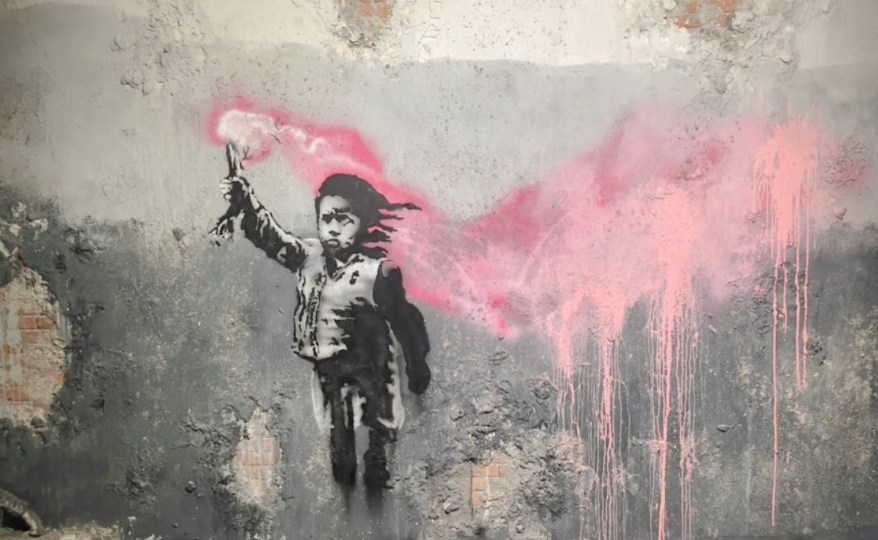
Chi è davvero Banksy? Reuters svela l’identità segreta del re della street art
🇮🇹Reuters svela l’identità di Banksy: secondo l’inchiesta, il celebre artista di graffiti sarebbe Robin Gunningham, il volto nascosto dietro il mito della street art.. 🇬🇧Reuters reveals Banksy’s identity: according to the investigation, the famous graffiti artist is Robin Gunningham, the hidden face behind the myth of street art..
Condividi:


Questo sono io





sostienici

Sostienici – Support Us
Se questo blog ti piace e ti appassiona, puoi aiutarci a farlo crescere sempre più sostenendoci in modo concreto condividendo i post, seguendo le pagine social e con un contributo che ci aiuta ad andare avanti con il nostro lavoro di divulgazione. . ENGLISH: If you like and are passionate about this blog, you can help us make it grow more and more by supporting us in a concrete way by sharing posts, following social pages and with a contribution that helps us to move forward with our dissemination work.
€10,00


