
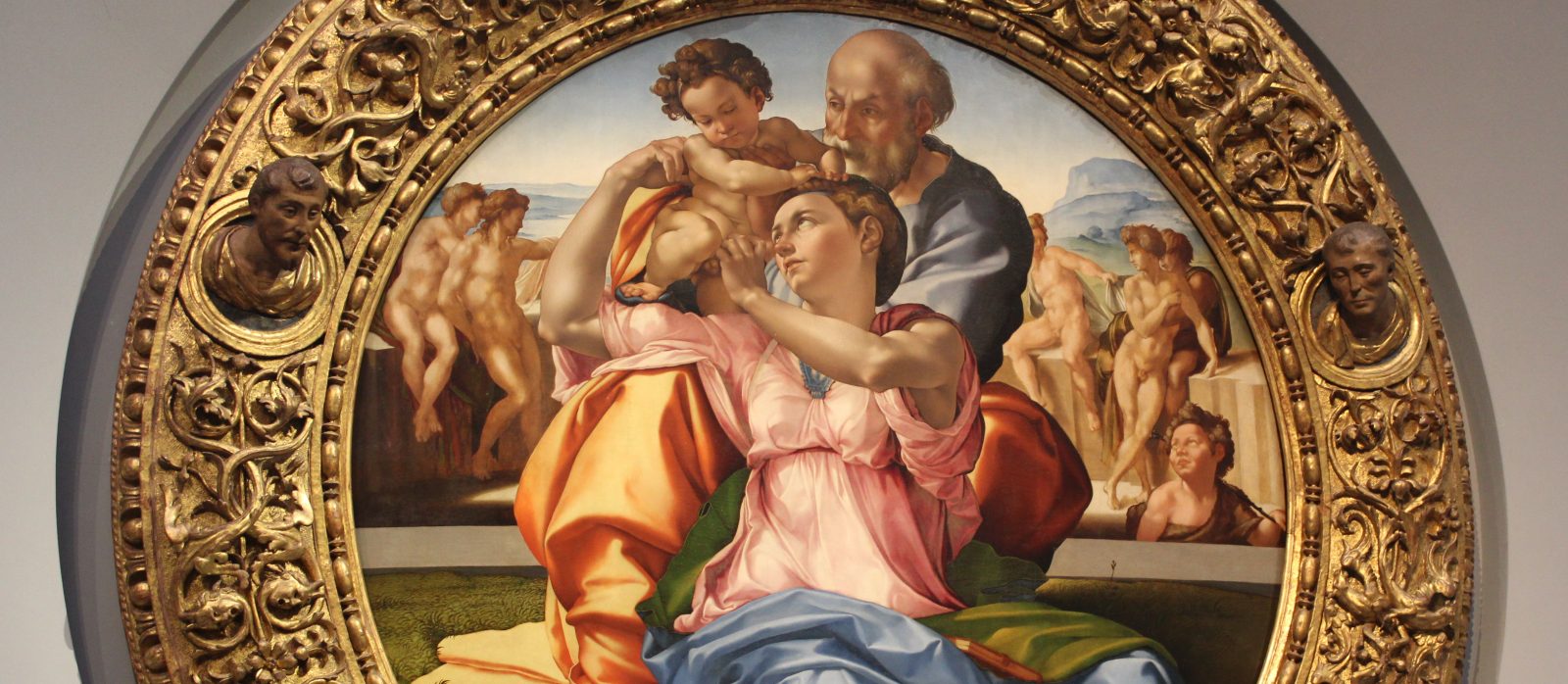
Problemi di datazione per i miei dialoghi con Francisco de Hollanda
Ancora oggi è assai dibattuto e problematico stabilire con precisione il periodo in cui avvennero gli incontri fra me e Francisco de Hollanda, riportati poi dallo stesso nel libro “Dialoghi con Francisco de Hollanda” .
Le proposte di datazione oscillano fra il 1538 e il 1539 e c’è da dire che Francisco ci mise del suo per confondere le idee ai posteri.
Bisogna tenere in considerazione che l’autore mise quei colloqui su carta per dare più che altro risalto alla teoria artistica e non era sua intenzione fare una cronaca dettagliata di quegli incontri.
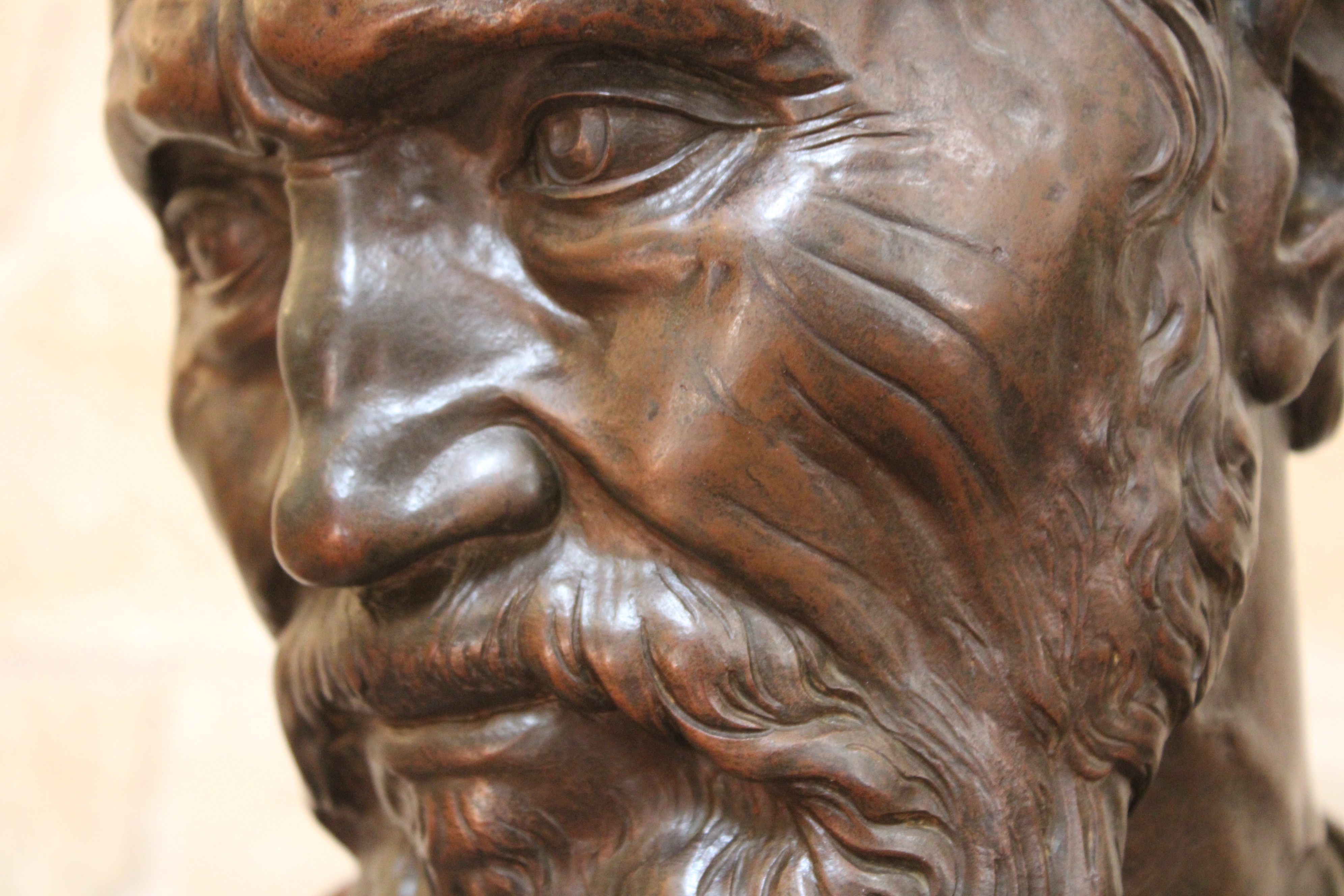
I Dialoghi furono scritti circa dieci anni dopo il periodo romano di Francisco e descrivono i quattro incontri che l’artista ebbe con me nel giro di poche settimane.
E’ probabile però che le occasioni di ritrovarci furono più numerose e frequenti. Probabilmente Francisco raccolse quei momenti in quattro occasioni per semplificare e sintetizzare i concetti appresi.
Non è da escludere che i dialoghi si tennero nell’arco di diversi mesi.

Quello che è certo è che Francisco arrivò a Roma nell’estate del 1538. Nel terzo dialogo che scrisse racconta infatti i festeggiamenti che ci furono per il matrimonio di Margherita d’Austria e Ottavio farnese, accaduto agli inizi di novembre del 1538.
Nel quarto e ultimo dialogo invece afferma di trovarsi a Roma solo da un anno, riferendo dunque i fatti descritti all’autunno del 1539, traslando forzatamente all’anno successivo quell’evento storico ben riscontrabile dai documenti.
Insomma, Francisco de Hollanda fece un bel pasticcio con le date.
Per il momento il vostro Michelangelo Buonarroti vi saluta dandovi appuntamento ai prossimi post e sui social.
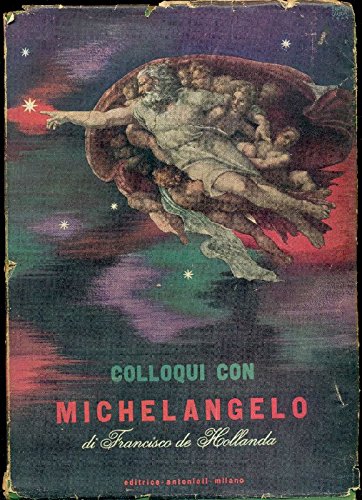
Dating problems for my dialogues with Francisco de Hollanda
Even today it is highly debated and problematic to establish precisely the period in which the meetings between me and Francisco de Hollanda took place, later reported by the same in the book “Dialogues with Francisco de Hollanda”.
The dating proposals oscillate between 1538 and 1539 and it must be said that Francisco put something of him in it to confuse the ideas of posterity.
It must be taken into consideration that the author put those talks on paper to give emphasis to the artistic theory more than anything else and it was not his intention to make a detailed chronicle of those meetings.
The Dialogues were written about ten years after Francisco’s Roman period and describe the four meetings the artist had with me in the space of a few weeks. However, it is probable that the occasions to meet again were more numerous and frequent. Francisco probably collected those moments on four occasions to simplify and summarize the concepts learned.
It cannot be excluded that the dialogues took place over several months.
What is certain is that Francisco arrived in Rome in the summer of 1538. In the third dialogue he wrote, in fact, he recounts the celebrations that took place for the marriage of Margaret of Austria and Ottavio Farnese, which took place in early November 1538.
In the fourth and final dialogue, however, he affirms that he has only been in Rome for a year, thus referring the facts described to the autumn of 1539, forcibly transferring that historical fact which can be clearly verified from the documents to the following year.
In short, Francisco de Hollanda screwed up the dates.
For the moment, your Michelangelo Buonarroti greets you by making an appointment for the next posts and on social media.

Sostienici – Support Us
Se questo blog ti piace e ti appassiona, puoi aiutarci a farlo crescere sempre più sostenendoci in modo concreto condividendo i post, seguendo le pagine social e con un contributo che ci aiuta ad andare avanti con il nostro lavoro di divulgazione. . ENGLISH: If you like and are passionate about this blog, you can help us make it grow more and more by supporting us in a concrete way by sharing posts, following social pages and with a contribution that helps us to move forward with our dissemination work.
8,00 €
-
La Pietà di Tincolini: a Pontedera l’arte torna a fare domande scomode
🇮🇹“Pietà”, la scultura di Filippo Tincolini, insieme alle parole di Federico Quaranta e Andrea Pezzi, non è stato solo uno spettacolo. È stata una domanda lanciata in faccia al pubblico, impossibile da evitare: siamo ancora capaci di provare pietà? 🇬🇧 “Pietà,” Filippo Tincolini’s sculpture, along with the words of Federico Quaranta and Andrea Pezzi, wasn’t…
-
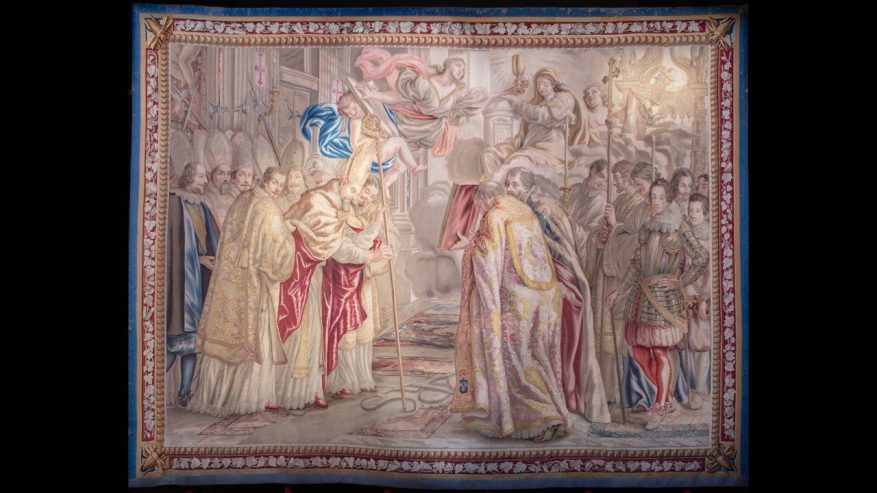
Ai Musei Vaticani i fasti barocchi di Urbano VIII: in mostra gli arazzi della manifattura Barberini
🇮🇹A quattro secoli dalla consacrazione della Basilica di San Pietro, i Musei Vaticani dedicano una mostra all’Arazzeria Barberini, simbolo di una cultura visiva capace di fondere magnificenza estetica e affermazione politica… 🇬🇧Four centuries after the consecration of St. Peter’s Basilica, the Vatican Museums are dedicating an exhibition to the Barberini Tapestry Factory, a symbol of…
-
Le Opere della Pasqua: come la Resurrezione ha ispirato Arte e Cultura
🇮🇹La Pasqua, oltre ad essere una ricorrenza religiosa è un momento in cui la storia, l’arte e la spiritualità si intrecciano per raccontare il fulcro della fede cristiana: la resurrezione di Cristo. .. 🇬🇧Easter, beyond being a religious holiday, is a moment when history, art, and spirituality intertwine to recount the core of the Christian…
Condividi:


Questo sono io





sostienici

Sostienici – Support Us
Se questo blog ti piace e ti appassiona, puoi aiutarci a farlo crescere sempre più sostenendoci in modo concreto condividendo i post, seguendo le pagine social e con un contributo che ci aiuta ad andare avanti con il nostro lavoro di divulgazione. . ENGLISH: If you like and are passionate about this blog, you can help us make it grow more and more by supporting us in a concrete way by sharing posts, following social pages and with a contribution that helps us to move forward with our dissemination work.
€10,00


